



Antique Moonlit Scene
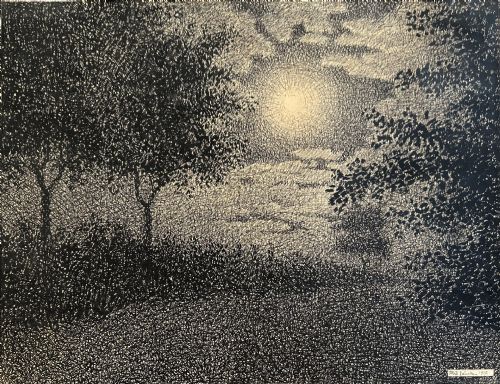
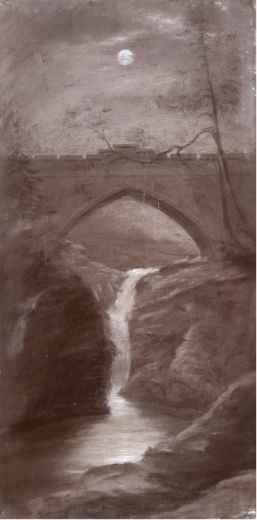
An antique moonlit scene captures the quiet drama of night through oil on canvas, paper, or ceramic, offering a glimpse of landscapes and seascapes lit by moonlight.
Antique Moonlit Scene
An antique moonlit scene brings together atmospheric nighttime paintings and decorative bowls from the Victorian period through to the early twentieth century. Buyers seeking this phrase will mostly encounter oil paintings on canvas depicting rural landscapes, highland lochs, and coastal shipping under nocturnal skies. Works on paper and ceramics also appear, showing how diverse makers applied the subject across different mediums.
The selection ranges from nineteenth century British country views to Japanese Meiji period Satsuma ware featuring detailed narrative battles. Maritime impressionism and Victorian nocturnes form a strong part of the visual variety available to collectors. Each piece reflects the enduring fascination artists held for the play of moonlight on water, stone, and foliage.
Materials and technique
Painters relied primarily on oil on canvas, charcoal, chalk, and watercolour on paper to capture the subtle tones of night. Artists built up dark palettes with contrasting highlights of silver and pale yellow to suggest the direct glow of the moon. Frame makers enclosed these works in heavy gilt wood, adding a traditional decorative boundary.
Ceramic pieces utilised intricate hand-painted enamels and gilt on earthenware surfaces, such as the elaborate Satsuma bowls from Kyoto. Artisans combined fine brushwork with detailed gilding to render complex samurai battles and traditional mon symbols under nocturnal skies. These techniques demanded steady hands and a deep understanding of how pigments reacted under kiln firing.
Even fierce samurai warriors had to pause their battles for a nice moonlit stroll across the ceramic basin.
Assessing quality
Quality rests upon the artist's ability to render the elusive quality of nighttime light without losing structural detail in the landscape or figures. Finer works demonstrate a sophisticated handling of tone, where shadows possess depth and moonlight feels genuinely luminous rather than flatly painted. Signature attribution to known artists elevates the standing of a canvas significantly.
In ceramics and works on paper, the precision of the brushwork and the preservation of the original gilt and pigment dictate the standard. Pieces that retain their crisp lines and original framing present a more complete historical record. The complexity of the composition, particularly in crowded battle scenes or expansive seascapes, separates standard decorative items from masterworks.
William Manners·Kinkozan Kyoto·George Cole·Hubert Thornley·Walter Meegan·Henri Joseph Harpignies
The Antique Moonlit Scene Glossary
- Nocturne
- A painting of a scene at night. This term highlights the moody, atmospheric qualities favoured by nineteenth and early twentieth century artists.
- Gilt
- Gold leaf or gold paint applied to surfaces such as wooden frames and ceramic rims. It adds reflective brilliance and protects the underlying material.
- Satsuma
- A type of Japanese earthenware originating from the Satsuma Province. It is known for its crackled ivory glaze and detailed polychrome enamel decoration.
- Mon
- A Japanese emblem or badge used to decorate traditional artefacts and signal family lineage. They appear frequently on Meiji period decorative items.
- Barbizon School
- A group of French painters associated with the Realist movement. Their landscape works influenced later interpretations of natural light and mood.
Antique Moonlit Scene: Frequently Asked Questions
What periods do these pieces come from?
The available works span the nineteenth century through the early twentieth century, including Victorian and Meiji period examples.
Most items date from the late eighteen-hundreds to the nineteen-twenties, reflecting a strong period interest in atmospheric nocturnal subjects.
How should I care for an oil painting?
Keep canvases away from direct sunlight and fluctuating temperatures to prevent the paint from cracking or the canvas from sagging.
Dust the surface gently with a soft, dry brush and avoid using chemical cleaners on either the canvas or the gilt frame.
Are these works signed by the artists?
Several pieces bear the names or signatures of established painters and makers from the period.
Attributions help identify the specific school or regional style, connecting the work to known practitioners of maritime and landscape art.
What subjects are most common?
Landscapes, highland lochs, coastal shipping, and rural street scenes dominate the painted works.
Ceramic bowls introduce narrative scenes, such as historical battles set against evening backdrops, expanding the visual range of the subject.