


Antique Monochrome Landscape
An antique monochrome landscape brings depth to a room through tonal restraint, relying on ink, charcoal or pencil rather than colour.
Antique Monochrome Landscape
When you search for an antique monochrome landscape, you are looking at works on paper, canvas or panel that use single-colour tones to depict scenery. These pieces span centuries of artistic practice, ranging from rapid field sketches to finished exhibition pieces.
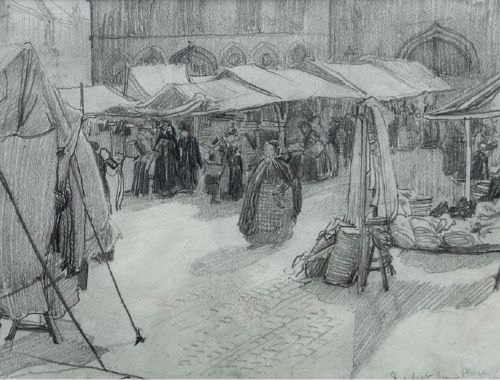
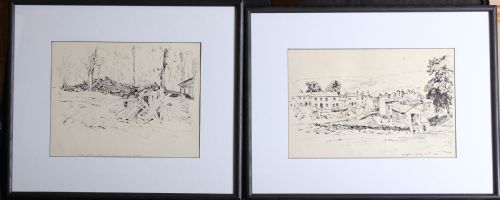
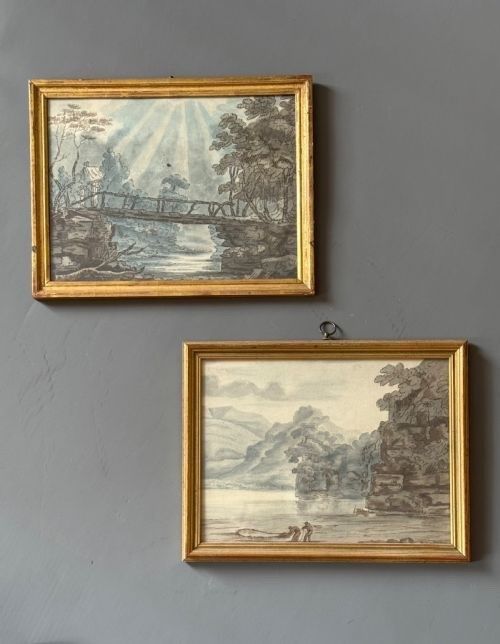
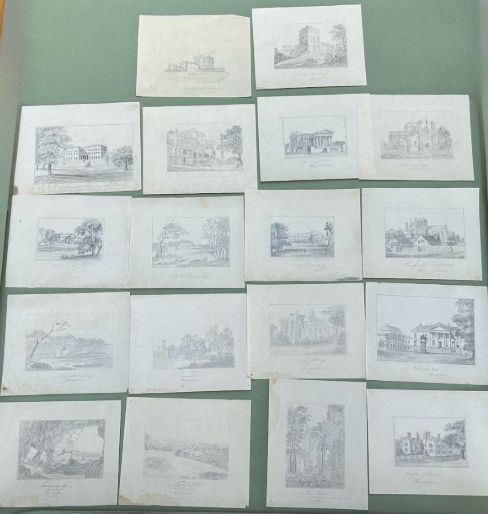
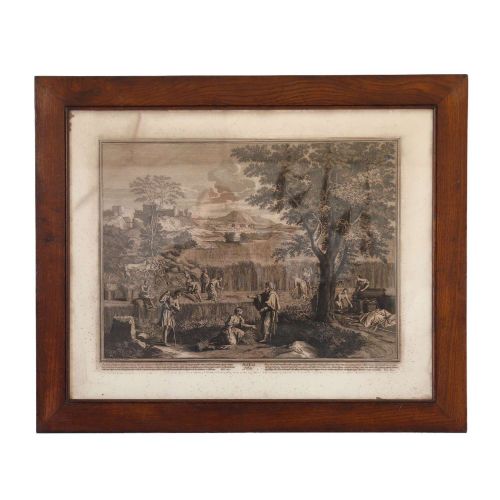
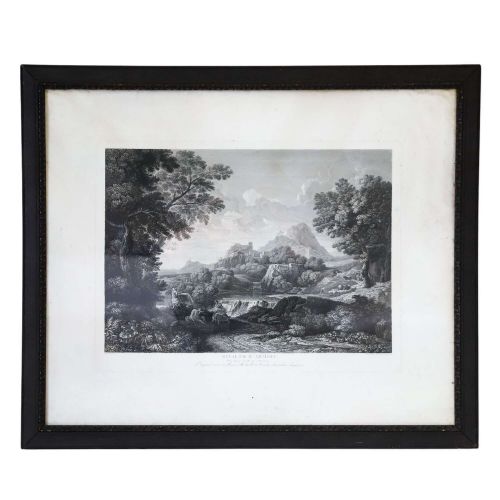
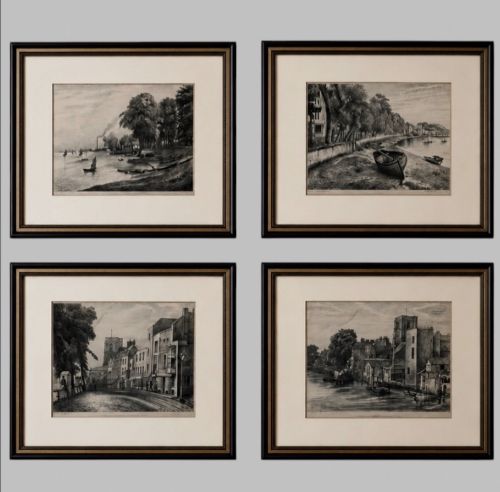
On this page, you are most likely to meet works executed in pen and ink, graphite pencil or charcoal, often dating from the eighteenth century through to the early twentieth century. These include framed drawings, watercolours and engravings depicting British and European countryside and architectural views.
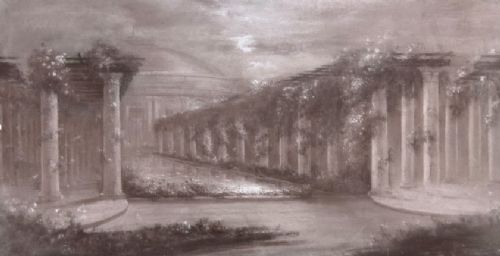
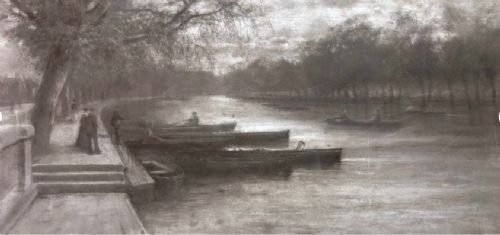
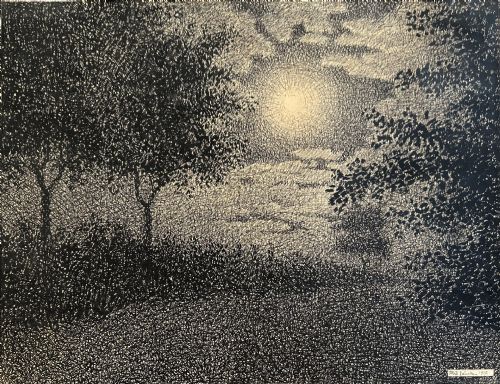
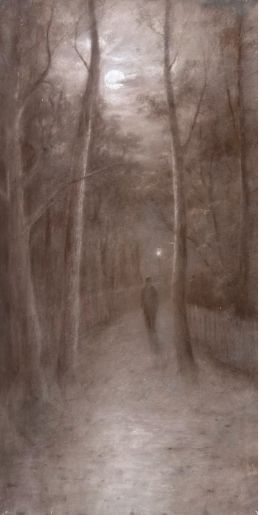
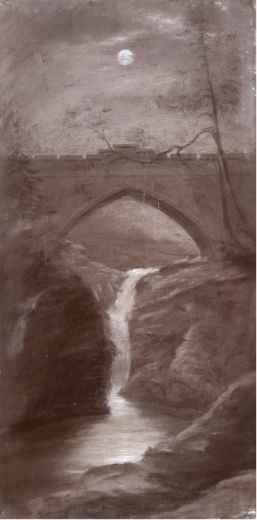
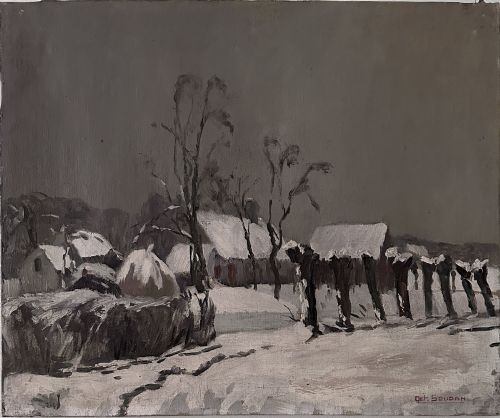
The subjects vary from quiet woodland paths and mountain vistas to moonlit street scenes and coastal views. They capture the transient effects of light and weather entirely through shade and line.
How They Were Made
Artists worked primarily on paper or prepared canvas using dry media like graphite and charcoal, or wet media such as ink, wash and watercolour. Charcoal allowed for broad, moody atmospheric effects, particularly seen in works influenced by the tonalist and Barbizon traditions.
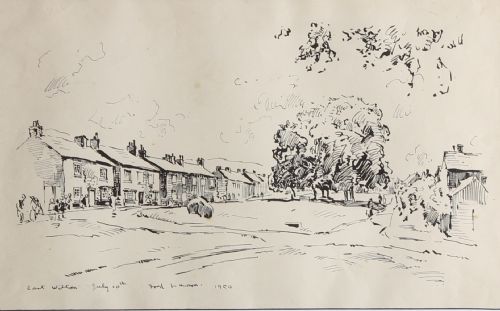
Fine lines were achieved with pen and ink or sharp pencils, often layered with diluted ink washes to build up shadow and distance. Engravings and etchings introduced a printmaking method where lines were carved or bitten into plates before being transferred to paper.
Listings feature works created across three centuries, using paper, canvas, graphite, ink and charcoal.
What Varies in Quality
Quality rests upon the sureness of the hand and the sensitivity to light and shadow. A stronger piece demonstrates confident mark-making that defines space and atmosphere with economy, while a weaker example relies on mechanical repetition and flat grey tones.
The survival of the medium also dictates distinction, as works on paper preserved under glass without heavy foxing or fading retain their intended contrast. Original period framing further elevates a piece, keeping the artwork in its historical context.
Henry Percy Huggill·Herbert Dicksee·William Manners·Edward Dayes·Samuel Palmer·Amos Green·William J Hodgson·Sir Muirhead Bone·Norman Janes·Fred Lawson·Peter Tillemans·Henry Bright·Henry Edridge·Henri Joseph Harpignies
The Antique Monochrome Landscape Glossary
- Monochrome
- A work executed in a single colour or varying shades of a single colour, typically black, grey or sepia.
- Wash
- A technique where diluted ink or watercolour is applied in broad, fluid strokes to create tonal gradients and shadows.
- Etching
- A printmaking process where lines are bitten into a metal plate with acid before ink is applied and pressed onto paper.
- Aquatint
- A printmaking method used in conjunction with etching to produce broad areas of tonal shade resembling watercolour washes.
- Foxing
- Small brownish spots caused by chemical reactions in ageing paper, frequently encountered in works from the eighteenth and nineteenth centuries.
Antique Monochrome Landscape: Frequently Asked Questions
How do I date a monochrome landscape?
Dating relies on the paper type, watermark, framing style and the artist's active period. Stylistic clues, such as Georgian costume or Victorian framing, also narrow the decade.
Examining the back of the frame often reveals old gallery labels or inscriptions that confirm the exact era of creation.
Where should I hang these drawings?
These works suit spaces away from direct sunlight, as works on paper are sensitive to ultraviolet light. Hang them at eye level in rooms where lighting can be controlled to protect the delicate tones.
Pairing them with neutral walls allows the subtle gradations of ink and pencil to stand out without competing with surrounding decor.
What is tonalism in these artworks?
Tonalism is an approach where atmosphere, shadow and mood take precedence over sharp topographical detail. Artists used restricted palettes to evoke twilight, mist or moonlight.
This style creates a quiet, contemplative mood that distinguishes these landscapes from bright, highly coloured Victorian paintings.
How do I care for antique works on paper?
Protect the paper by using UV-filtering glass and acid-free mounting materials during framing. Keep them away from damp environments to prevent mould and the spread of foxing spots.
Maintaining a stable room temperature prevents the paper from warping or becoming brittle over time.