




Antique Mirrored Wall Shelves
These antique mirrored wall shelves combine practical display space with reflective glass, suiting hallways and reception rooms alike.
Antique Mirrored Wall Shelves
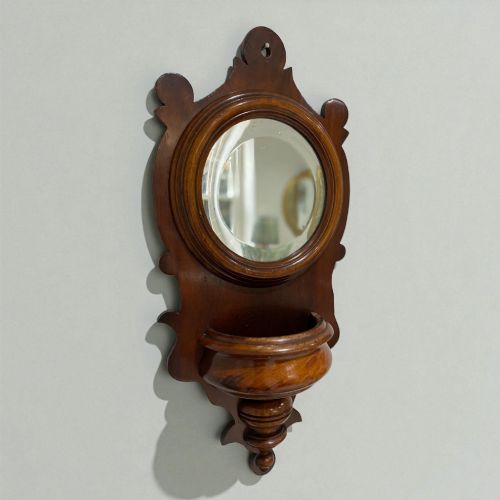
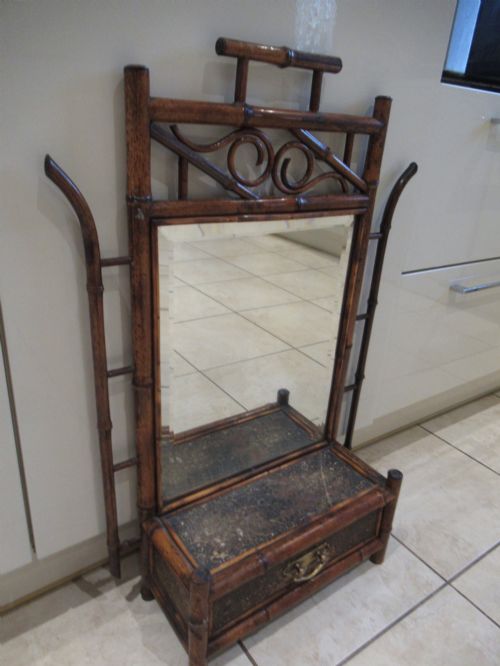
When you search for antique mirrored wall shelves, you encounter a variety of wall-mounted forms designed to hold small objects while providing a mirror plate. The selection spans the nineteenth century through the early twentieth century, taking in Victorian and Edwardian periods.
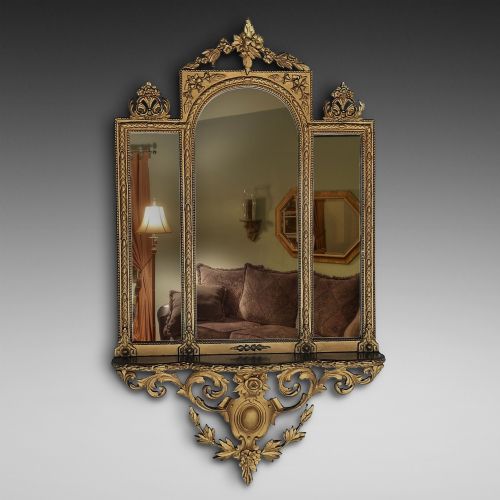
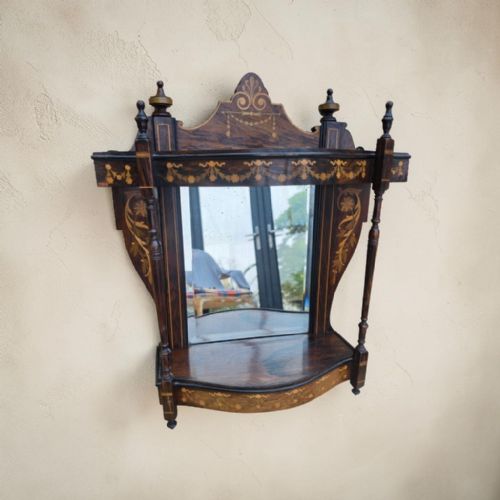
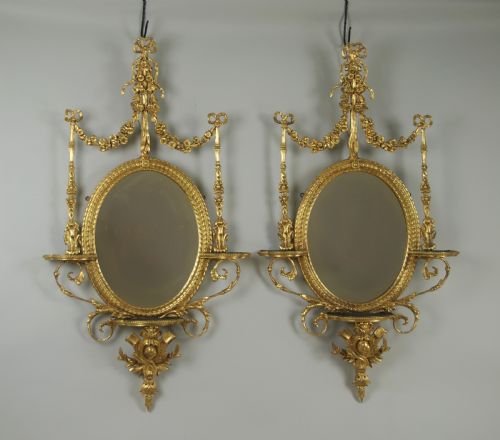
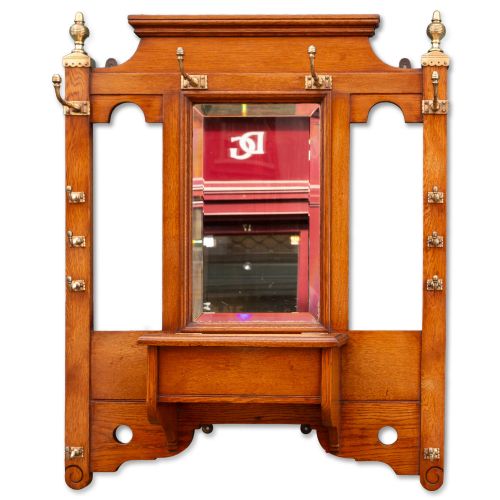
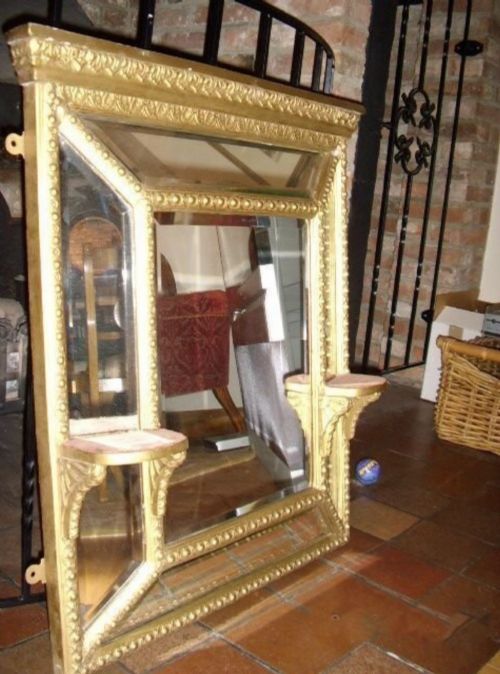
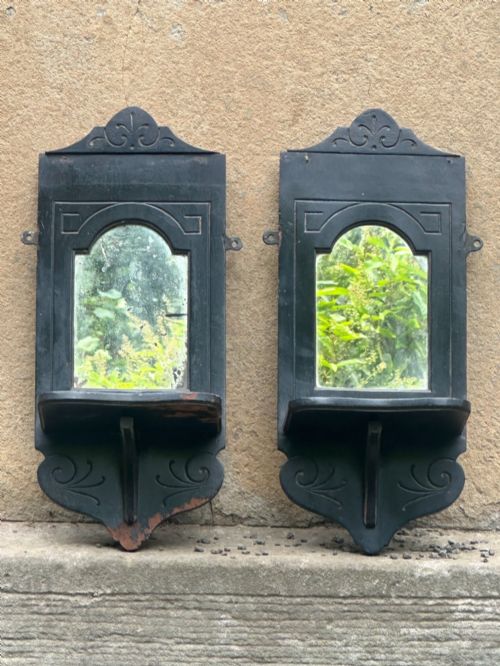
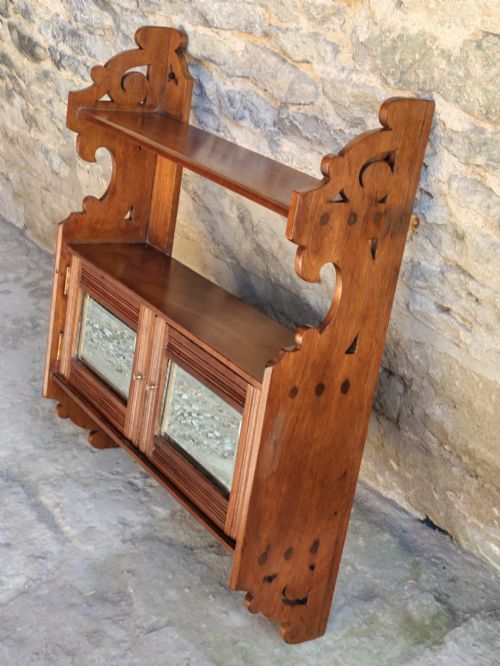
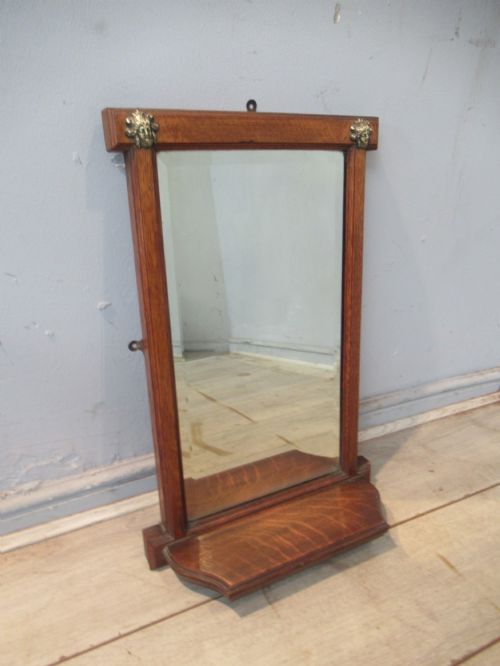
The objects take several distinct shapes, including small hall mirrors with integrated display brackets, mirrored cabinets, and console mirrors with shelves underneath. Many pieces incorporate ledges or small brackets intended for holding keys, ornaments, or small toiletries.
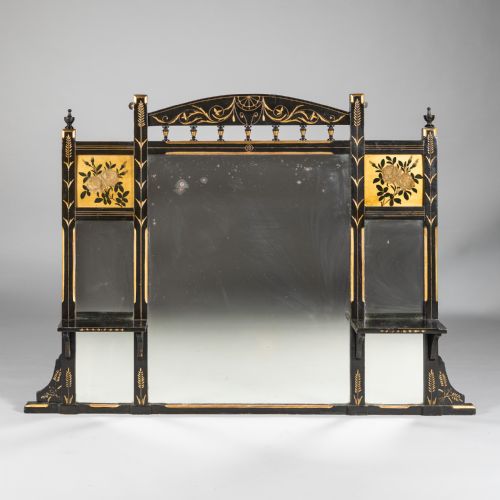
Origins range from English workshops to French and Irish makers, reflecting regional preferences in timber and decorative styles such as the Aesthetic Movement, Rococo Revival, and French Chateau.
How they were made
Carpenters and cabinetmakers utilised native and imported hardwoods including mahogany, walnut, oak, and rosewood, alongside softer timbers like pine. Frames were frequently constructed with inlaid details or finished in ebonised wood.
Giltwood and gesso were applied to create ornate decorative mouldings, particularly on Victorian pieces and girandoles. Mirror glass was often bevel cut by hand, mounted within sturdy wooden or metal frames equipped with hanging brackets.
Several examples include a designated shelf for a gentleman's hat or a lady's pocket watch.
What varies in quality
Quality rests in the crispness of the carved detail and the integrity of the timber joints. Hand-carved gesso ornament and finely executed wood inlay distinguish finer pieces from simpler utilitarian items.
The condition and authenticity of the original mirror plate heavily influence character, as does the retention of original brackets, shelves, and brass hardware.
Cottier & Co·Liberty & Co·Strahan of Dublin
The Antique Mirrored Wall Shelves Glossary
- Girandole
- A branched wall-light or candleholder combined with a mirror. This form reflects candlelight into the room while providing a small display surface.
- Gesso
- A plaster-like mixture applied to wood frames as a base for gilding or painting. Skilled artisans moulded and carved the surface before applying gold leaf.
- Overmantel mirror
- A large wall mirror designed to hang above a fireplace mantel. These pieces frequently incorporate shelving or elaborate frames.
- Parcel-gilt
- Partially gilded woodwork where gold leaf highlights specific carved details against a contrasting background such as ebonised wood.
- Pier glass
- A tall mirror designed to fit the wall space between windows. These tall plates often stand above console tables or display brackets.
Antique Mirrored Wall Shelves: Frequently Asked Questions
Where should I hang a mirrored wall shelf?
Hallways and reception rooms suit these pieces well, providing a convenient spot for last-minute checks or small items.
Ensure the wall construction safely supports the weight of the timber frame and glass mirror plate.
How do I clean an antique mirror plate?
Use a soft, dry microfibre cloth to gently remove dust from the glass and frame surface.
Avoid spraying liquid directly onto the glass or wooden joints to prevent moisture damage to the silvering and timber.
Can these shelves hold heavy ornaments?
Most integrated shelves are designed for light decorative objects, small keys, or toilet items rather than heavy loads.
Check the depth of the bracket and the stability of the mounting points before placing items on display.
How do I distinguish Victorian from Edwardian pieces?
Victorian designs tend towards heavier timber, rich gilding, and ornate revival styles such as Rococo or the Aesthetic Movement.
Edwardian pieces often feature lighter painted finishes, simpler lines, or practical utility for cloakrooms and hallways.