




Antique Mirrored Cocktail Bar
An antique mirrored cocktail bar brings striking reflection and serious entertaining heritage into the modern room.
Antique Mirrored Cocktail Bar
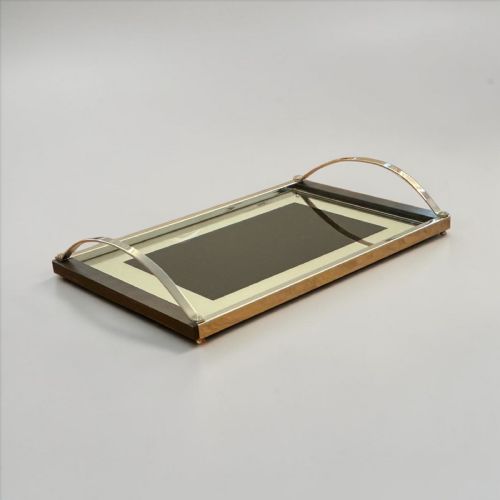
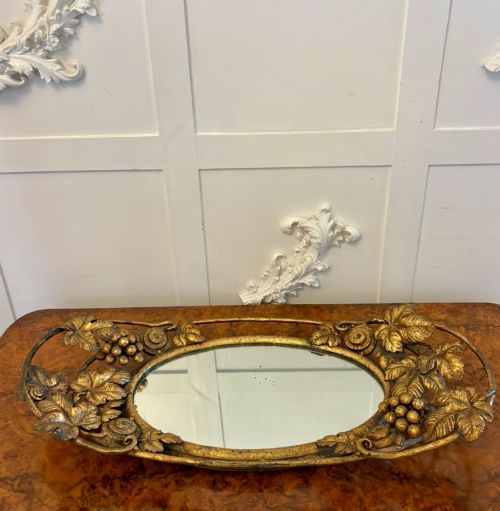
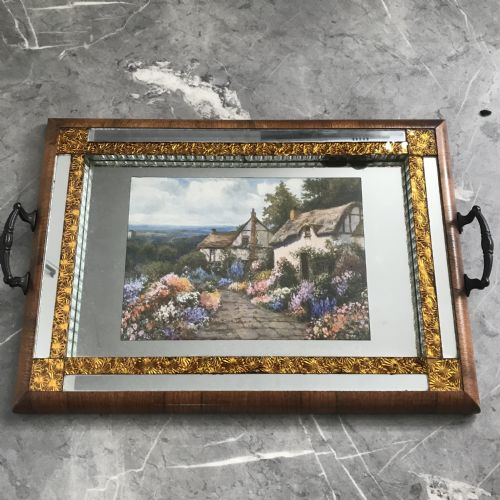
An antique mirrored cocktail bar encompasses drinks cabinets, serving trays, and hostess trolleys designed for home entertaining across the twentieth century. These pieces combine reflective surfaces with fitted interiors meant for bottles, glassware, and mixing tools.
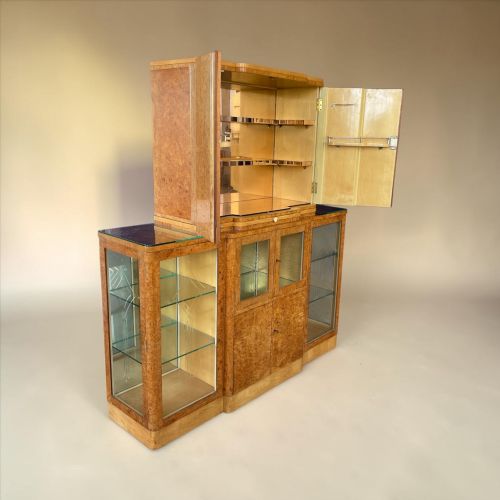
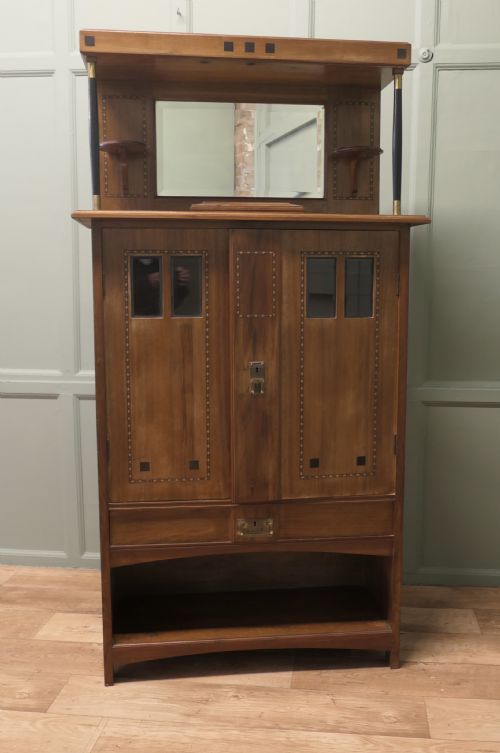
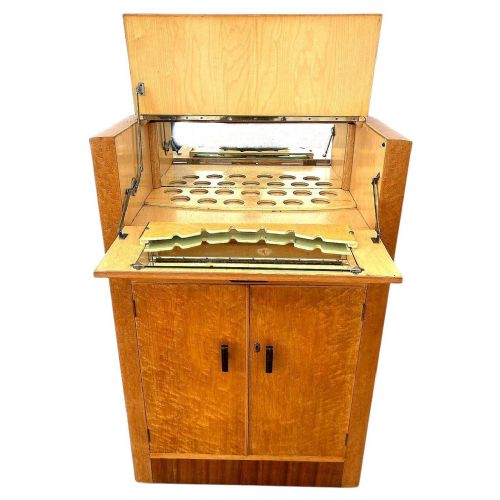
The most common examples on this page date from the Art Deco period of the 1930s, constructed in burr walnut, bird's-eye maple, and mirrored glass. Earlier Victorian and Edwardian iterations also appear alongside Secessionist and modernist designs.
Forms range from compact table-top trays and trolleys to large freestanding cocktail cabinets and full front-and-back home bars. Each type utilises mirrored elements to amplify light and lend glamour to the domestic interior.
How they were made
Construction relies heavily on cabinet woods such as walnut, burr walnut, oak, and mahogany, often enhanced by decorative veneers like bird's-eye maple. Metal mounts in chrome, brass, and gilt metal provide structural framing and decorative accents.
Mirrored glass serves as the defining surface material, integrated into serving trays, back panels, and door fronts. Specialised techniques combine silvered glass with polished timber frames to create durable pieces suited for hospitality.
Antique Mirrored Cocktail Bar Retail Price Guide 2026
Typical asking prices for mirrored cocktail bar among the pieces listed under this phrase on Sellingantiques today, from the lower quarter to the upper quarter. They describe what is for sale here now, not the wider market.
What varies in quality
Quality depends on the selection and matching of wood veneers, particularly figured timbers like burr walnut and bird's-eye maple. Superior examples display seamless grain continuity across doors and drawers.
The integration of the mirror glass and metal hardware determines the overall refinement of the piece. Well-executed framing and original chrome or brass fittings elevate the manufacture significantly.
Maurice Adams·Harry and Lou Epstein·Epstein
The Antique Mirrored Cocktail Bar Glossary
- Art Deco
- A design style spanning the 1920s and 1930s characterised by sleek geometric lines and modern materials. It heavily influenced the form of interwar drinks furniture.
- Burr walnut
- A highly figured timber prized for its swirling grain patterns. Cabinetmakers used its distinct texture on prominent exterior surfaces.
- Bird's-eye maple
- A figured hardwood showing small, circular eye patterns across the grain. It appeared frequently on luxury 1930s cabinetwork.
- Secessionist
- An early twentieth-century design movement that rejected historical revivals in favour of simplified, geometric forms. Pieces from this aesthetic emphasise clean structural lines.
Antique Mirrored Cocktail Bar: Frequently Asked Questions
What is an antique mirrored cocktail bar?
An antique mirrored cocktail bar is a specialised piece of furniture designed for storing and serving drinks, featuring reflective glass surfaces.
These items range from portable trays and hostess trolleys to large freestanding cabinets housing specialised compartments for bottles and glassware.
How do I date an antique mirrored cocktail bar?
Dating relies on stylistic markers, construction methods, and materials associated with specific design periods. Pieces from the 1930s typically display Art Deco geometry, chrome, and bird's-eye maple.
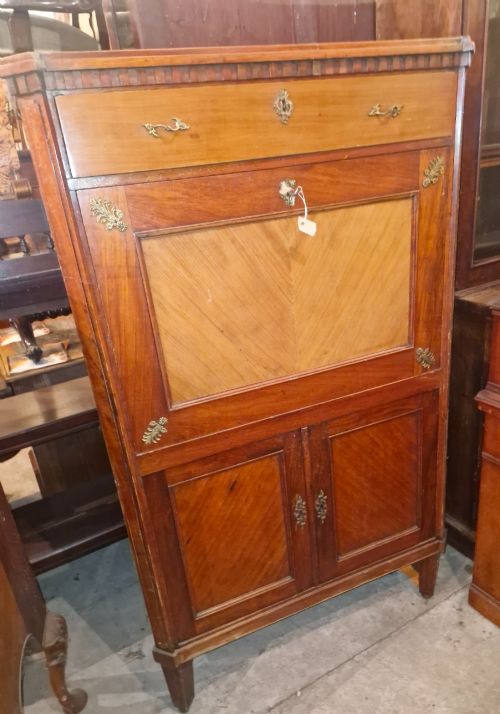
Earlier examples from the Victorian and Edwardian eras utilise darker timbers, elaborate carving, and traditional brass or gilt metal hardware.
Where were these pieces used?
These pieces were designed for domestic entertaining in drawing rooms, dining rooms, and dedicated home bars.
Cabinets provided secure storage for spirits and glassware, while trays and trolleys facilitated serving drinks to guests.
How do I care for mirrored surfaces?
Mirrored glass requires gentle cleaning with non-abrasive solutions to protect the silvered backing from moisture damage.
Wooden frames benefit from occasional waxing to maintain the lustre of veneers like walnut and mahogany.