

Antique Mirror with Storage
An antique mirror with storage unites a reflective glass with fitted drawers, cabinets, or hanging space to solve domestic needs.
Antique Mirror with Storage
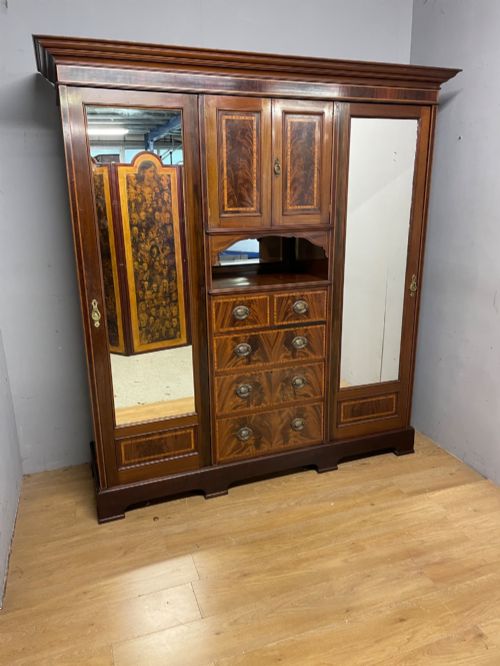
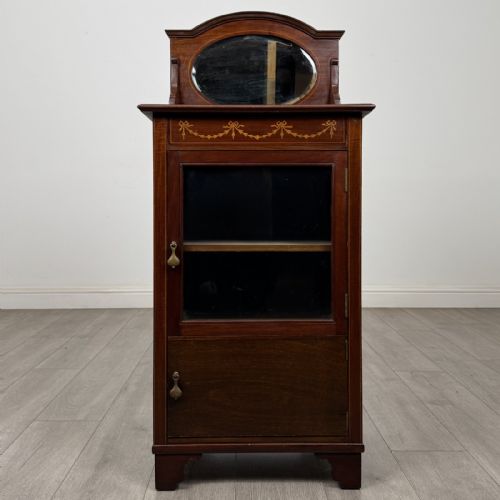
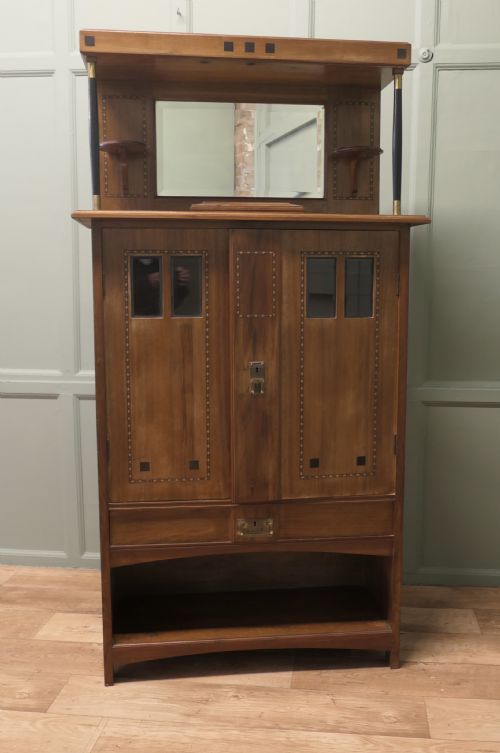
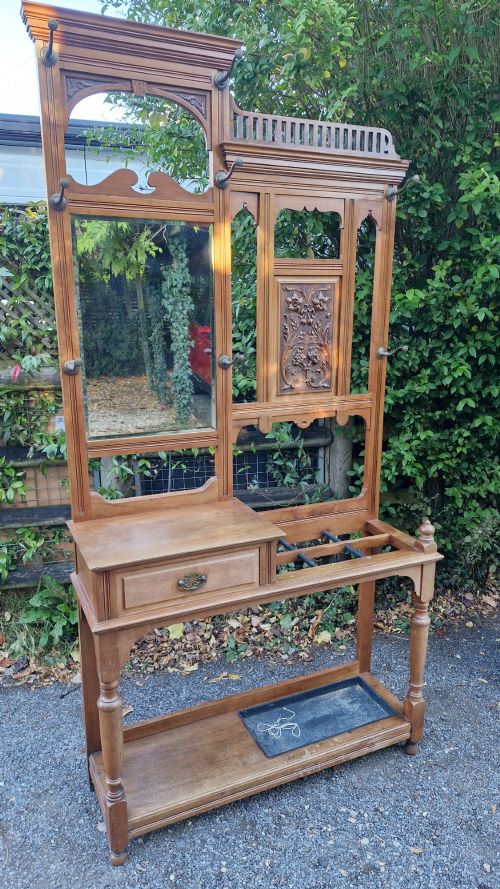
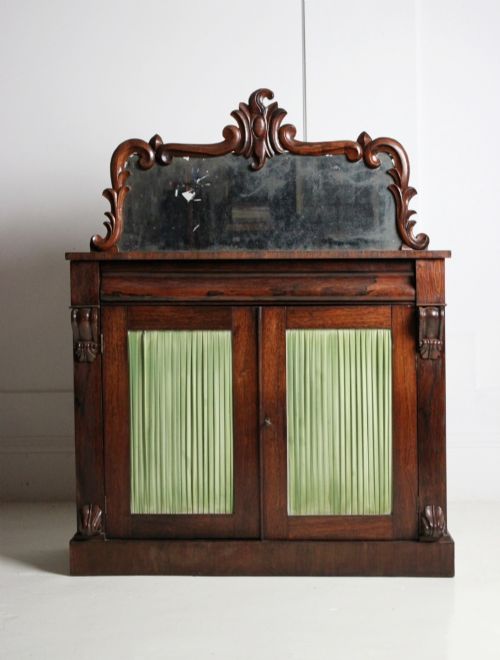
An antique mirror with storage encompasses multifunctional furniture pieces that combine a looking glass with functional compartments like drawers, cupboards, or coat hooks. The listings demonstrate that these pieces span diverse forms, including hall stands, dressing tables, sideboards, wardrobes, and chiffoniers.
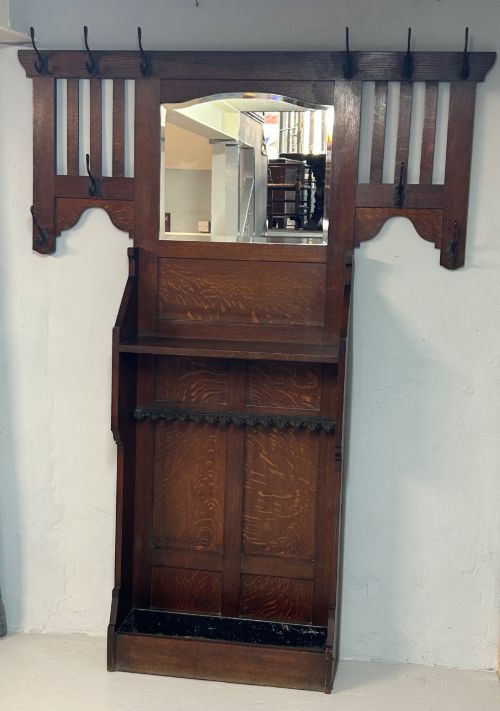
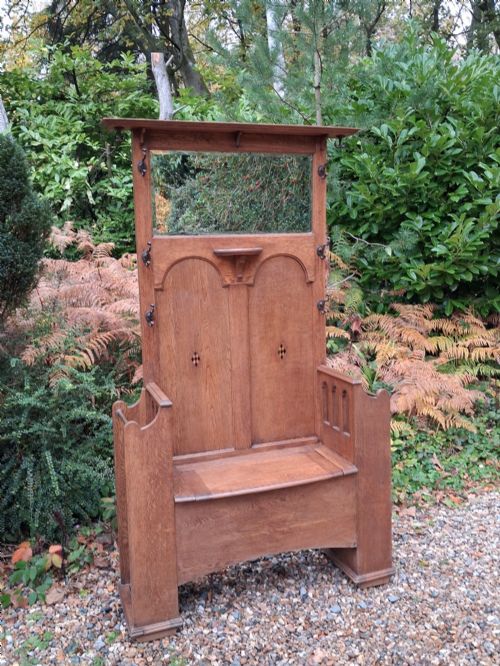
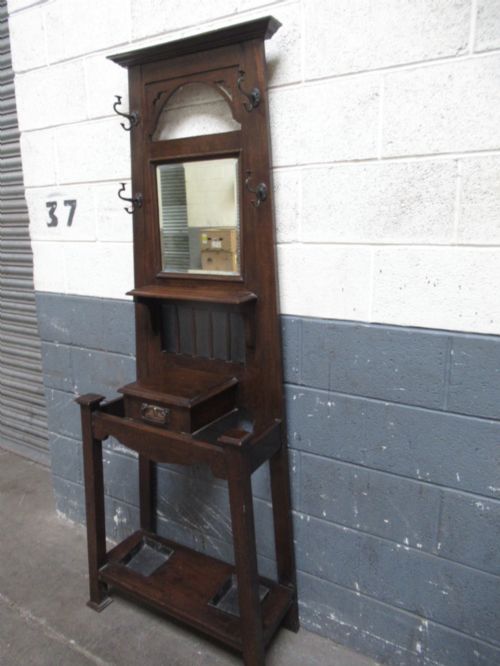
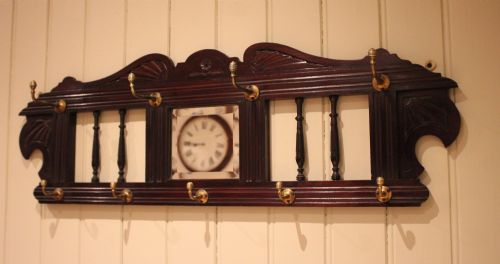
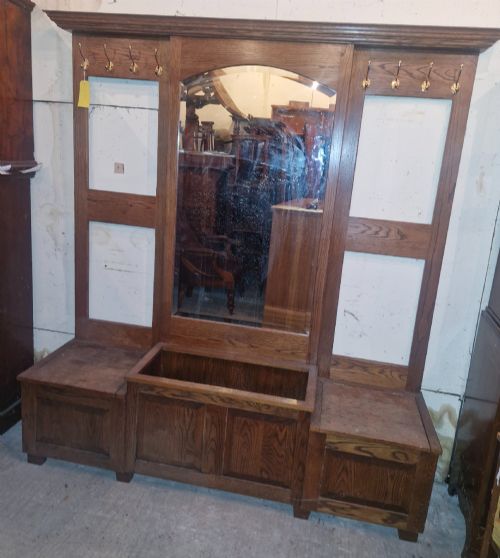
The most prevalent version met on this page is the hall stand, frequently constructed in oak or mahogany during the Victorian and Edwardian eras. These entrance pieces integrate mirror plates with umbrella wells, coat hooks, and glove drawers.
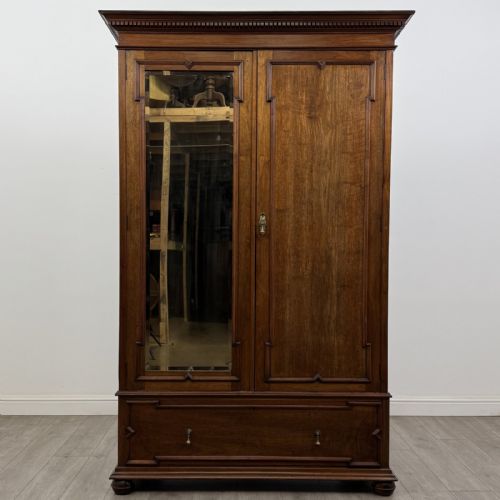
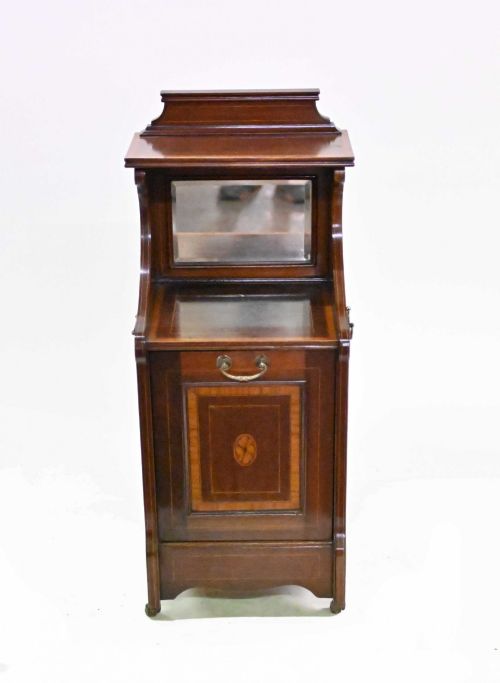
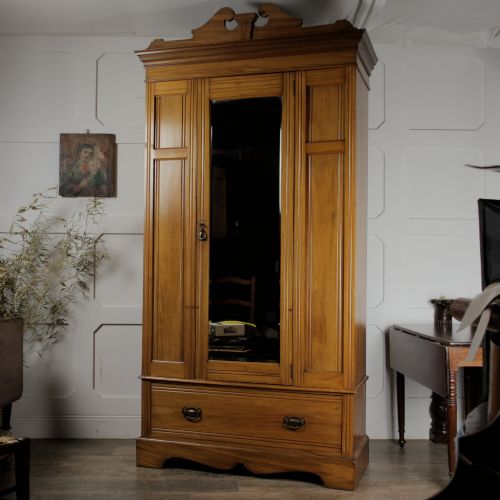
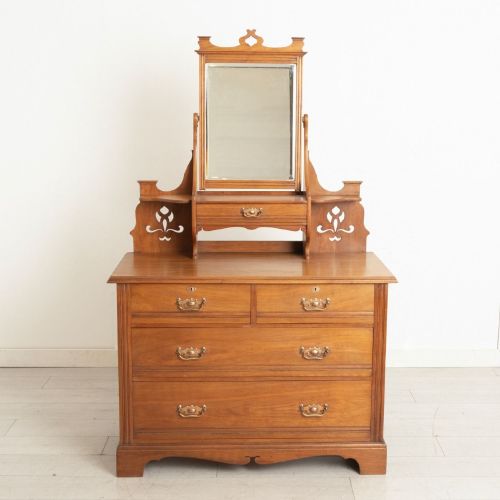
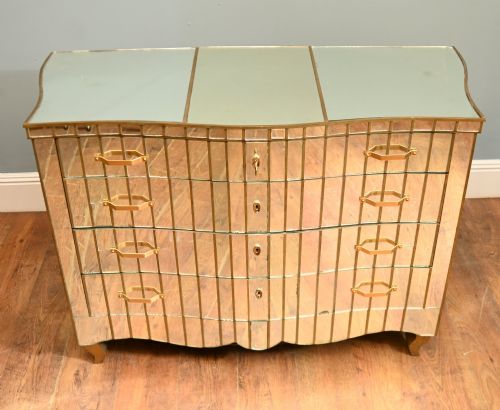
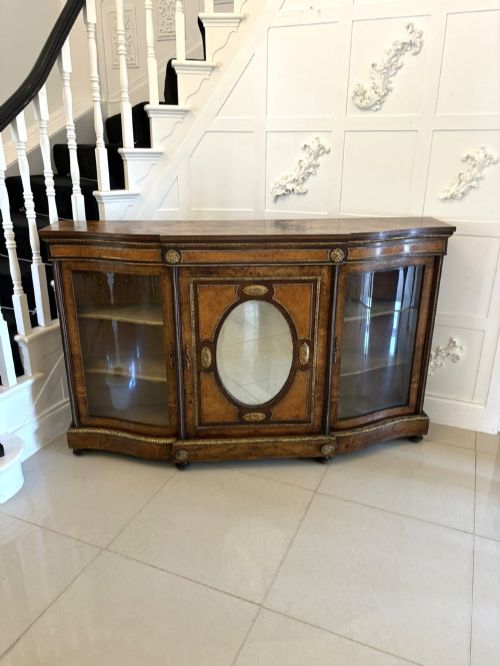
Beyond hallway furniture, buyers encounter bedroom dressing chests and reception room side cabinets or credenzas equipped with mirrors. The periods represented stretch from the Regency era through to the mid-twentieth century, capturing shifts in domestic utility and design.
How they were made
Cabinet makers utilised a robust selection of timbers including oak, mahogany, walnut, rosewood, and satin birch, often applying them as solid woods or decorative veneers. Burr walnut and figured mahogany provided striking grain patterns for prominent surfaces on high-status cabinets and credenzas.
Construction techniques involved traditional joinery suited to heavy domestic demands, pairing structural carcases with functional hardware in brass and cast iron. Metal elements served dual purposes as structural framing for hall stands and as decorative inlay or hooks.
Reflective surfaces relied on glass mirror plates, sometimes integrated with swing frames on dressing chests or fixed into large back panels on sideboard units. Decorative flourishes included carved woodwork, stencilled motifs, and inlaid details characteristic of Arts and Crafts, Secessionist, and Aesthetic Movement aesthetics.
Antique Mirror with Storage Retail Price Guide 2026
Typical asking prices for mirror with storage among the pieces listed under this phrase on Sellingantiques today, from the lower quarter to the upper quarter. They describe what is for sale here now, not the wider market.
The inventory records pieces from the Regency period through to mid-century designs, encompassing Arts and Crafts and Art Nouveau styles.
What varies in quality
The degree of artistic ambition distinguishes standard utility furniture from sophisticated examples, particularly those bearing maker attributions or distinct stylistic traits such as Secessionist or Arts and Crafts designs. Finer pieces demonstrate superior proportion, considered timber selection, and integrated hardware rather than plain utilitarian construction.
Shapland and Petter
The Antique Mirror with Storage Glossary
- Hall stand
- A piece of furniture designed for an entrance hall, combining a mirror with hooks for coats, umbrella holders, and small storage drawers. These items were essential for Victorian and Edwardian domestic organisation.
- Chiffonier
- A low sideboard or cabinet featuring a raised shelf or mirror back, popular during the nineteenth century for storing dining silver or linens. It offers enclosed lower storage beneath an upper display surface.
- Credenza
- A sideboard or buffet cabinet, often highly decorative and fitted with mirrored elements or glass doors for displaying tableware. High Victorian examples frequently showcase burr walnut veneers and intricate inlay.
- Linen press
- A tall cupboard traditionally used for storing folded garments and household textiles, occasionally incorporating mirrored doors or interior drawers. Edwardian compactums and wardrobes fulfil similar multi-functional storage roles.
- Swing mirror
- A looking glass mounted on pivots within a vertical frame, allowing the glass angle to be adjusted. This mechanism appears frequently on dressing chests and console tables.
Antique Mirror with Storage: Frequently Asked Questions
What is an antique mirror with storage?
These are functional household items that pair a reflective glass with built-in compartments, shelves, or hanging spaces. They range from hallway furniture to bedroom dressing chests.
Makers designed them to serve dual purposes in homes where space and practicality dictated furniture layouts. The evidence shows forms spanning wardrobes, sideboards, and hall stands.
How were hall stands used?
Hall stands provided a designated spot for outerwear when entering a home, holding coats, hats, and umbrellas. The integrated mirror allowed people to check their appearance before heading out.
Small drawers typically held gloves, keys, or calling cards. They anchored the hallway as a functional transition space.
Which woods were commonly used?
Cabinet makers utilised regional and imported timbers, with oak and mahogany appearing frequently across the inventory. Walnut and rosewood provided darker, highly figured surfaces for more formal reception rooms.
Specific pieces also feature pitch pine, satin birch, and maple, reflecting the timber availability of the nineteenth and early twentieth centuries.
How do I identify the period?
Stylistic clues and construction methods help determine the era of a piece, such as the robust carved oak of nineteenth-century items or the linear forms of Arts and Crafts design. The presence of specific movements like the Aesthetic Movement or Secessionist style points towards the turn of the twentieth century.
Victorian pieces often favour heavy mahogany and walnut, while Edwardian examples frequently lighten the palette with light oak or satin birch.