






Antique Mirror Sconce Pair
An antique mirror sconce pair brings reflected candle or electric light to a room, combining the function of a wall sconce with a decorative mirror.
Antique Mirror Sconce Pair
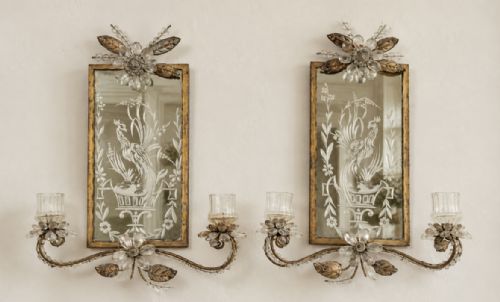
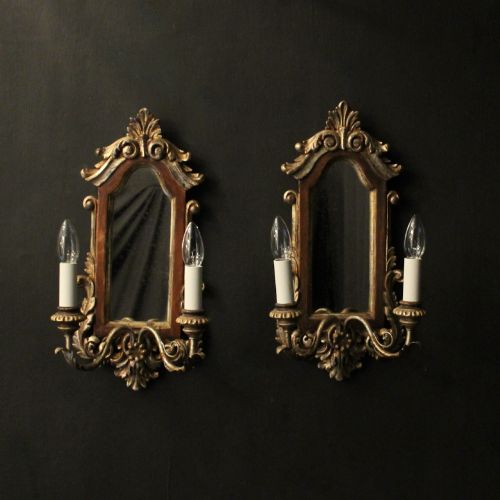
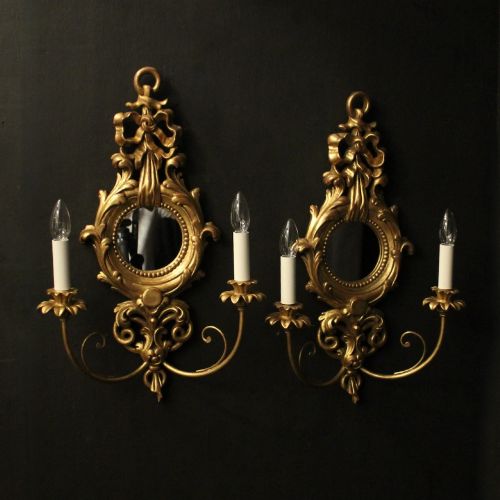
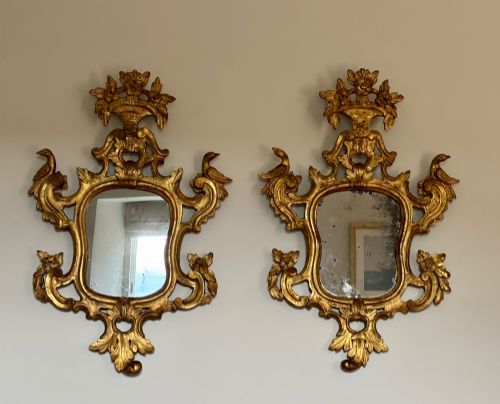
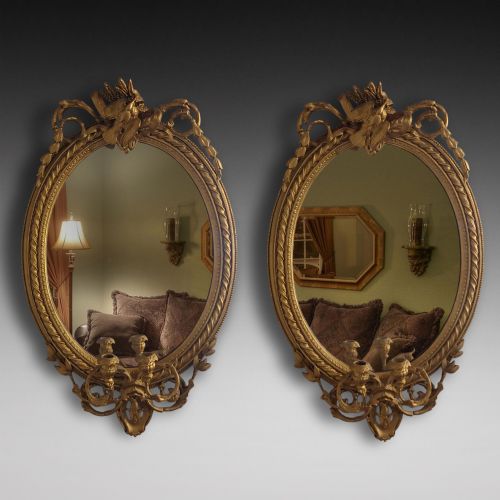
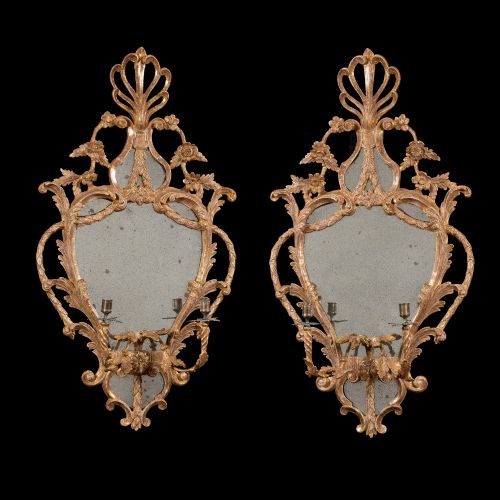
When searching for an antique mirror sconce pair, buyers encounter matched sets designed to bounce illumination across a space using integrated candle arms or brackets. These pieces appear frequently as girandoles or wall lights featuring reflective mirror plates set within ornate frames.
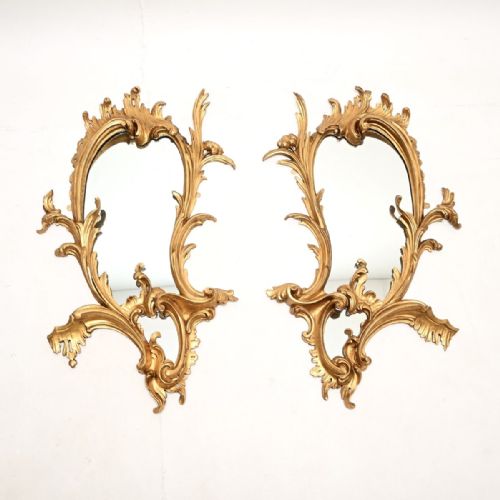
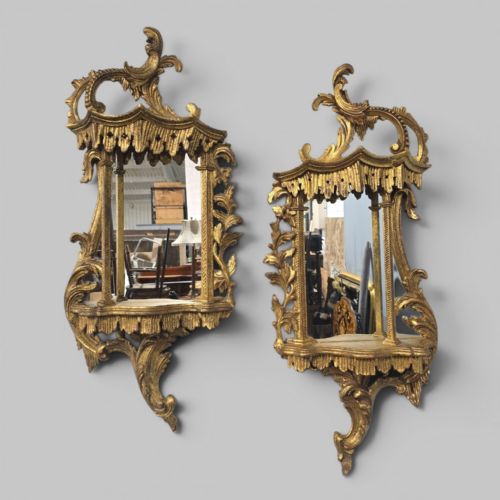
The selection ranges from 18th-century Venetian and Italian rococo examples to Victorian, Regency, and 1930s interpretations. Many items display distinct stylistic influences such as French rococo, Chinese Chippendale, and Florentine designs.
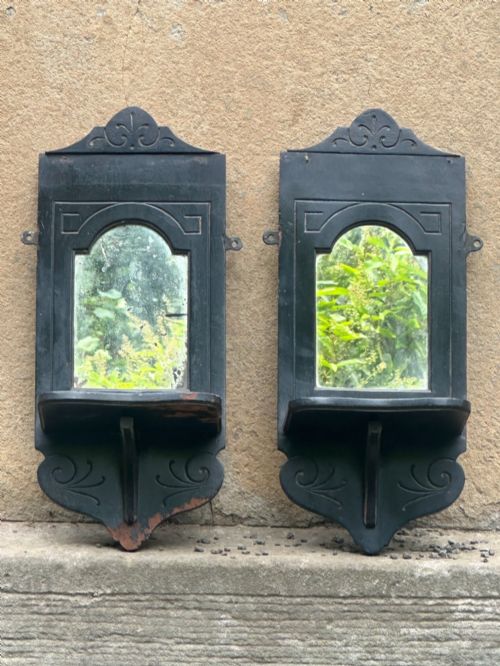
Most examples function as wall mirrors combined with candle holders, often described in listings as girandoles or mirrored wall display shelves. Buyers frequently find pairs originating from France, Italy, and England spanning the Georgian era to the early 20th century.
Materials and construction methods
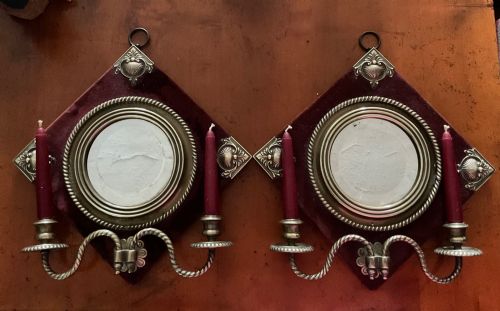
Craftsmen built the frames using carved giltwood, gesso over wood, and pine, frequently applying gold leaf or gilt paint to create a luminous surface. Metal variants utilise cast brass, bronze, copper, and gilt metal to support the glass components.
The reflective plates consist of mirror glass, sometimes bevelled, paired with original fittings and candle arms. Italian and French workshops employed intricate carving and moulding techniques to achieve elaborate rococo, neoclassical, and Florentine styles.
Antique Mirror Sconce Pair Retail Price Guide 2026
Typical asking prices for mirror sconce pair among the pieces listed under this phrase on Sellingantiques today, from the lower quarter to the upper quarter. They describe what is for sale here now, not the wider market.
Some Victorian brass models doubled as display brackets, letting a pair hold both candles and tiny porcelain trinkets simultaneously.
Factors determining quality
The depth and crispness of the hand-carving define the upper tier of giltwood and wooden frames, particularly in rococo and Chippendale revival pieces. Finishes show varying degrees of skill, from finely applied gold leaf over gesso to simpler gilt paint.
The integration of the mirror plate with the metal arms and original back fittings indicates the standard of assembly. Superior examples maintain harmony between the reflective glass and the structural mountings across both matching items in the pair.
Cottier and Co·E.G Paris
The Antique Mirror Sconce Pair Glossary
- Girandole
- A branched candleholder equipped with a mirror backplate designed to multiply the effect of the light. These fixtures frequently incorporate ornate carved or cast frames.
- Giltwood
- Timber coated with a thin layer of gold leaf or powder over a prepared gesso ground. This technique creates a rich metallic finish characteristic of many period frames.
- Gesso
- A plaster-like mixture applied to wood surfaces and carved before gilding. It provides a smooth base for intricate decorative details.
- Bevelled glass
- Mirror glass with edges cut and polished at an angle to catch the light. This treatment adds a refined dimension to the edge of the plate.
Antique Mirror Sconce Pair: Frequently Asked Questions
What is an antique mirror sconce pair?
An antique mirror sconce pair consists of two matching wall-mounted fixtures that combine a reflective glass plate with arms for holding candles or supporting small display items.
These pieces served a dual purpose in historic interiors, providing illumination while reflecting ambient light from windows and fireplaces to brighten rooms.
Where were these pairs placed?
Historically, homeowners hung these pairs on either side of fireplaces, windows, or large doors to maximise the distribution of candle or oil light.
They also appeared above console tables and in hallways where symmetrical arrangement enhanced the decorative scheme of the room.
How do I date a sconce pair?
Dating relies on identifying stylistic markers such as 18th-century Venetian rococo carving, Regency restraint, or Victorian and Edwardian revival details. The construction materials, including pine backs, brass fittings, and the type of mirror glass, provide further clues to the period of manufacture.
Examining the original fixings and assembly methods helps distinguish Georgian craftsmanship from later 19th-century and 20th-century interpretations.
What materials are common?
The frames are predominantly made from giltwood, gesso-coated carved wood, and pine, alongside cast metals like brass and bronze.
The reflective elements consist of mirror glass, occasionally with bevelled edges, accompanied by metal candle arms and copper or iron structural components.