

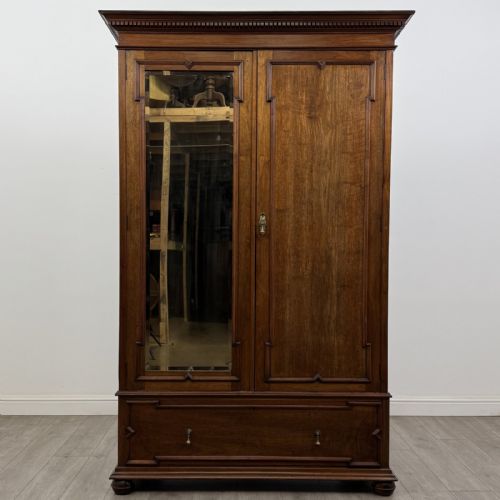
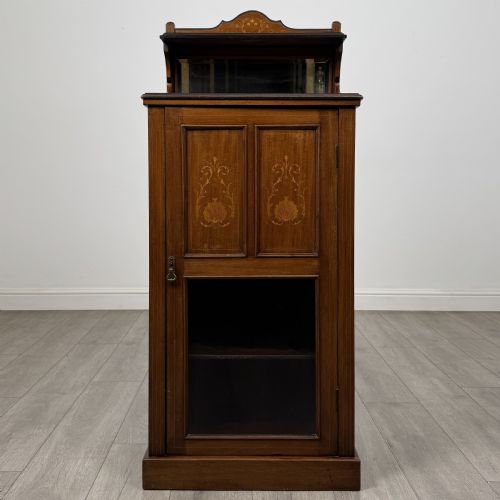
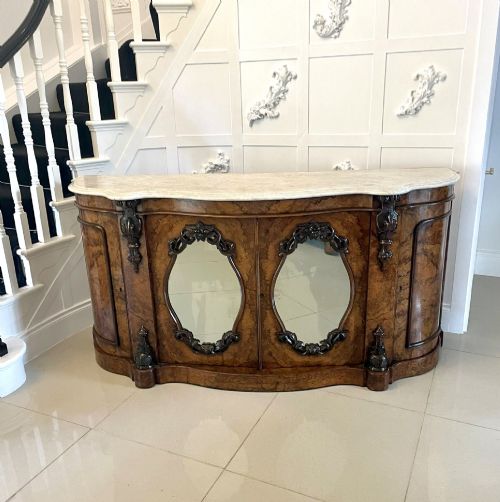
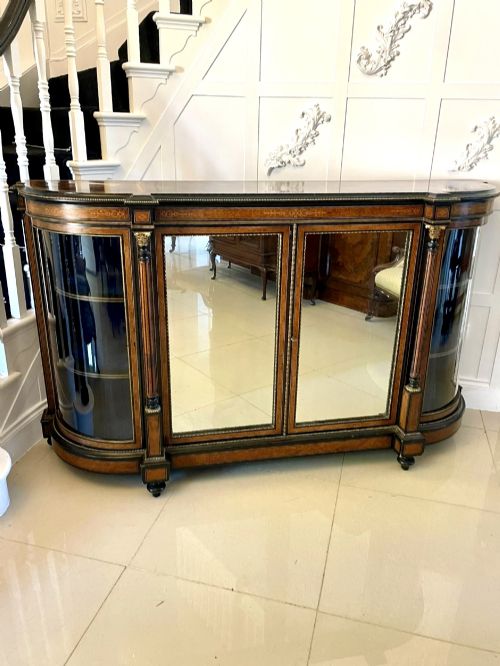
Antique Mirror Door Cabinet
These antique mirror door cabinets combine timber construction with reflective glass plates to serve practical storage needs.
Antique Mirror Door Cabinet
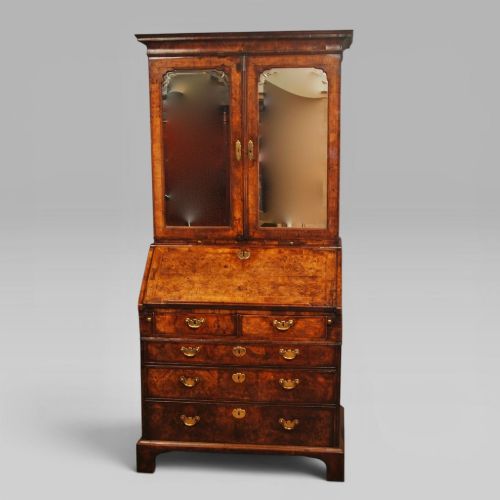
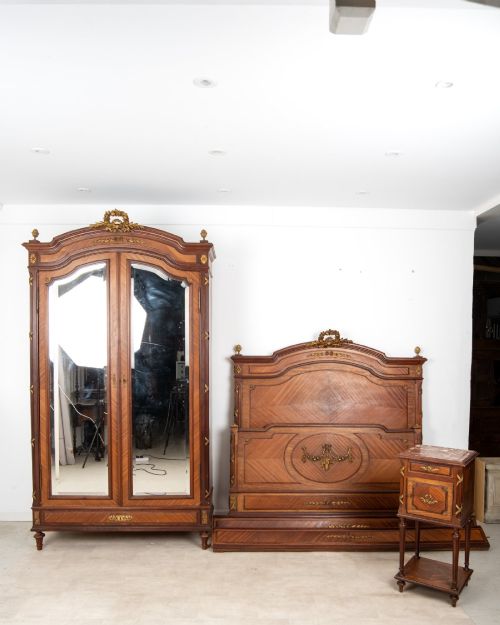
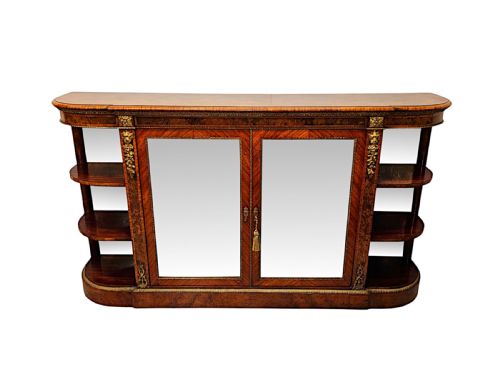
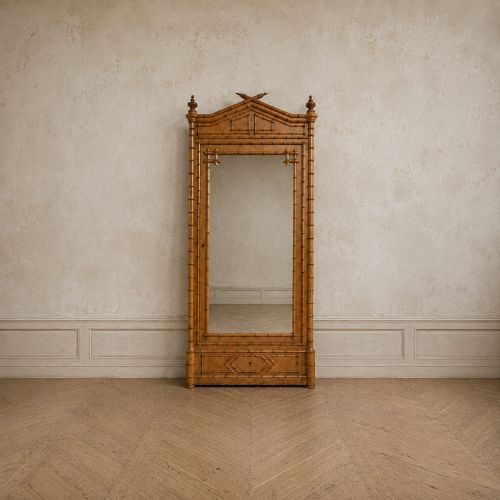
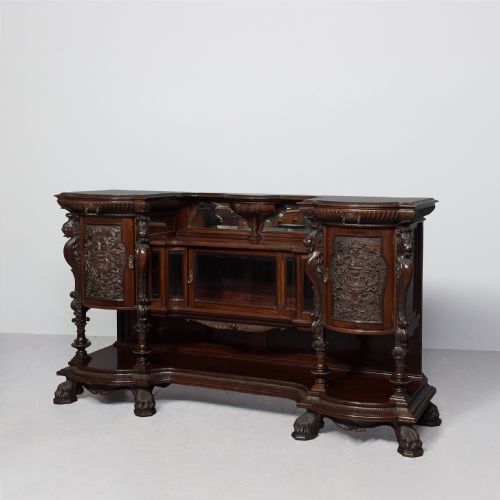
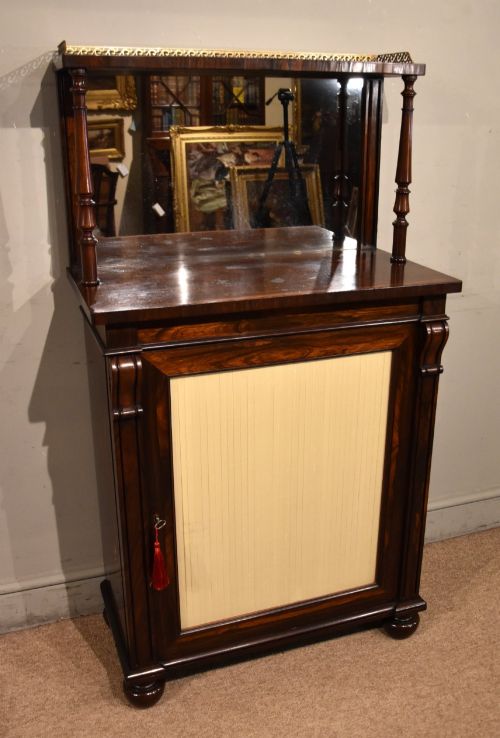
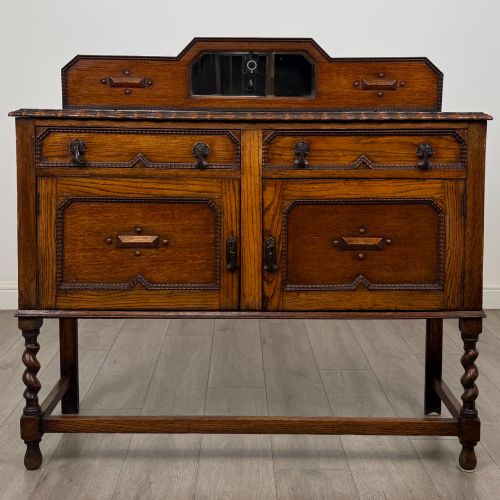
An antique mirror door cabinet encompasses various storage forms including credenzas, side cabinets, wardrobes, and bookcases originating from the Georgian, Victorian, and Edwardian periods. Buyers encounter pieces configured with single or multiple reflective doors framed in timber.
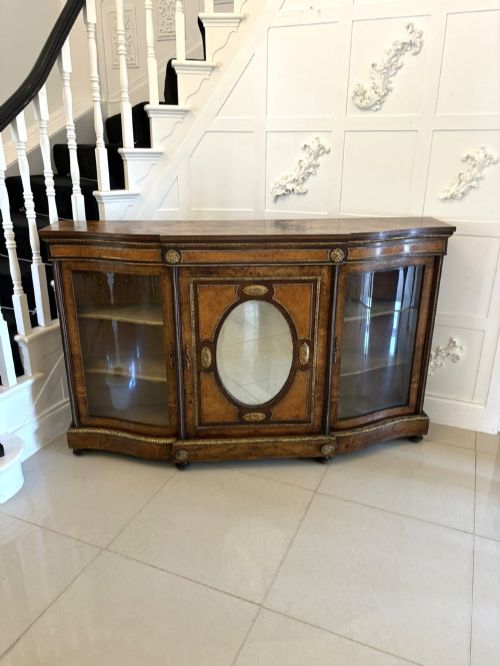
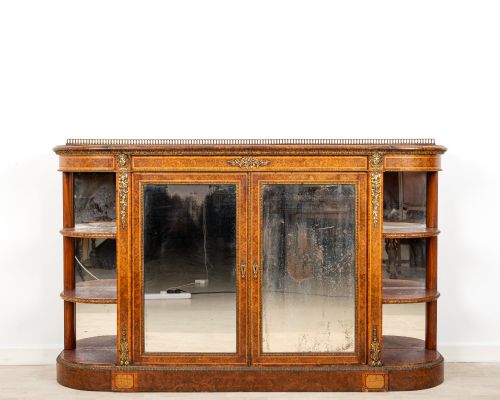
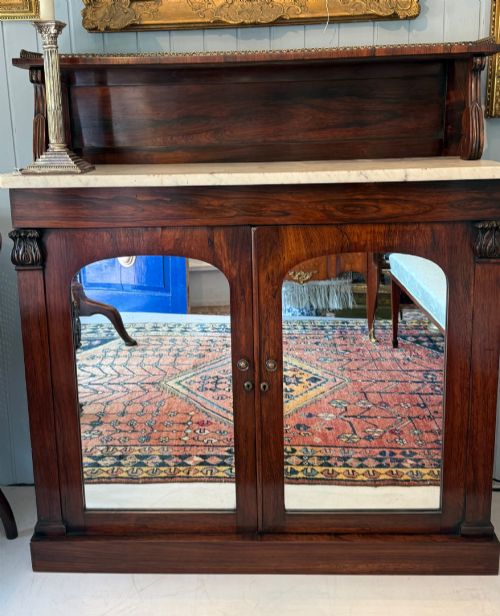
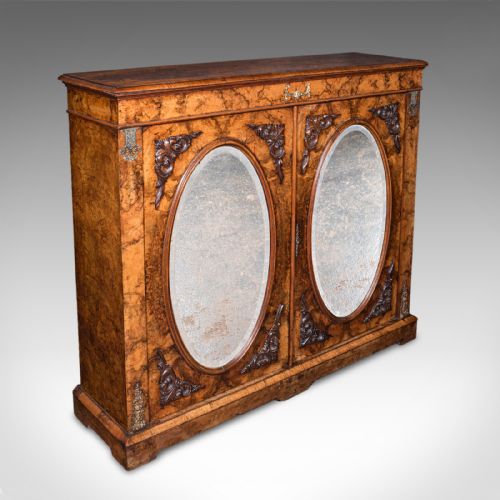
The selection ranges from mid-nineteenth century burr walnut credenzas to early twentieth century oak wardrobes and rosewood chiffoniers. Many examples incorporate glass panels alongside wood to brighten darker rooms while concealing interior shelving.
Materials and construction methods
Cabinet makers utilised dense hardwoods such as mahogany, rosewood, walnut, and oak as the structural carcase for these pieces. Timber veneers like burr walnut and bird's eye maple frequently face the exterior surfaces to provide decorative grain patterns.
Reflective mirror glass and bevelled mirror plates are set into timber or gilt bronze frames to form the doors. Brass hardware, ormolu mounts, and inlaid brass details complete the construction of the finer examples.
Antique Mirror Door Cabinet Retail Price Guide 2026
Typical asking prices for mirror door cabinet among the pieces listed under this phrase on Sellingantiques today, from the lower quarter to the upper quarter. They describe what is for sale here now, not the wider market.
Some Edwardian wardrobes disguised their massive storage capacity behind polite little bevelled mirrors designed for checking morning cravats.
Judging the standard of manufacture
The precision of the cabinet joinery and the selection of figured timber veneers distinguish better examples from simpler utility pieces. Heavier carcases with substantial mahogany or walnut framing hold their alignment more securely over time.
The clarity and depth of the original mirror glass, alongside the crispness of ormolu mounts and brass inlays, indicate the workshop standard. Well-executed carving and matched wood grains signal superior craftsmanship.
Gillows
The Antique Mirror Door Cabinet Glossary
- Credenza
- A low cabinet or sideboard, frequently fitted with glass or mirrored doors and ormolu mounts. These pieces originated in the nineteenth century for formal reception rooms.
- Chiffonier
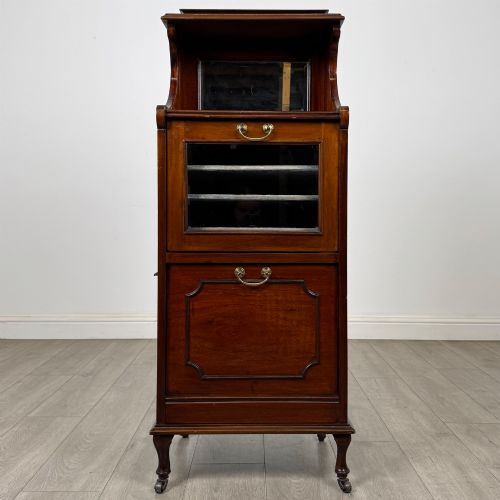
- A compact sideboard or cabinet featuring a raised shelf or mirror back above enclosed lower cupboards. Rosewood and mahogany versions appear frequently in nineteenth-century homes.
- Ormolu
- Gilded bronze mounts applied to the exterior timber surfaces of furniture for decorative effect. This technique appears widely on nineteenth-century credenzas and cabinets.
- Bureau Bookcase
- A combination of a sloping writing desk and upper shelving enclosed by doors. George I and later makers produced these tall pieces in walnut and mahogany.
Antique Mirror Door Cabinet: Frequently Asked Questions
Where should I place a mirror door cabinet?
These cabinets suit hallways, bedrooms, and reception rooms where reflective glass helps bounce natural daylight around the space. Their enclosed shelving keeps contents tidy while occupying a modest floor footprint.
Position them opposite windows to maximise the illumination brought into smaller or darker rooms.
How do I identify a Victorian piece?
Victorian examples often employ dense burr walnut veneers, heavy mahogany carcases, and elaborate ormolu mounts. They frequently take the form of credenzas or mirror-back chiffoniers.
Look for traditional joinery methods and patination on the timber surfaces that reveal nineteenth-century manufacture.
What is the difference between a chiffonier and a credenza?
A chiffonier typically stands taller with a shelved or mirrored superstructure above a lower cupboard base. They are commonly fashioned from rosewood or mahogany.
Credenzas sit lower to the ground and often feature curved ends alongside central mirrored doors flanked by side cabinets.
How do I care for antique mirror glass?
Clean the mirrored surfaces gently using a soft cloth and a mild glass cleaner sprayed onto the cloth rather than directly onto the glass. This prevents moisture seeping behind the silvering.
Protect the surrounding timber frame from excess dampness and maintain stable room temperatures to preserve the wood and veneer.