
Antique Mirror Cabinet
When searching for an antique mirror cabinet, collectors encounter a diverse selection of period storage pieces featuring glass and polished timber.
Antique Mirror Cabinet
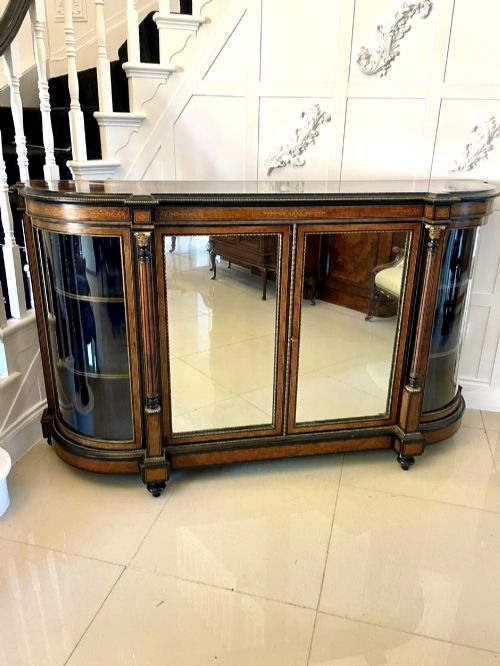
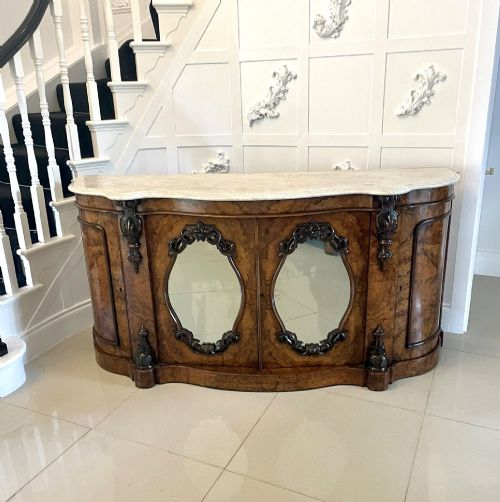
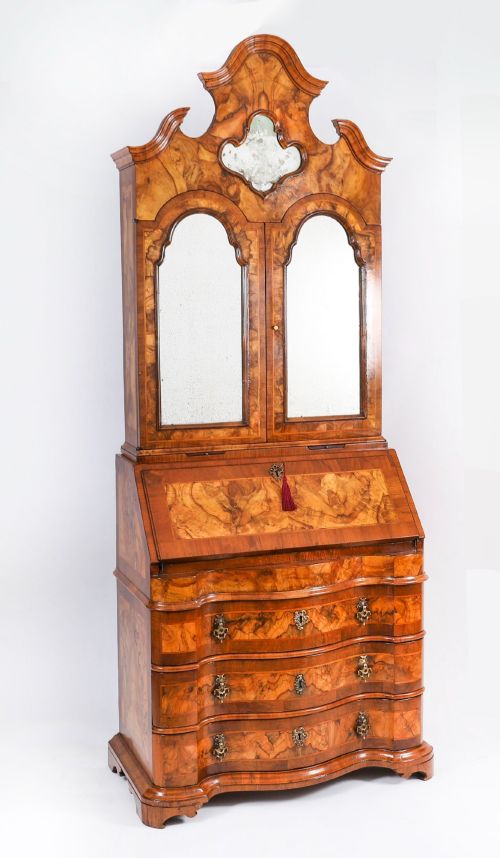
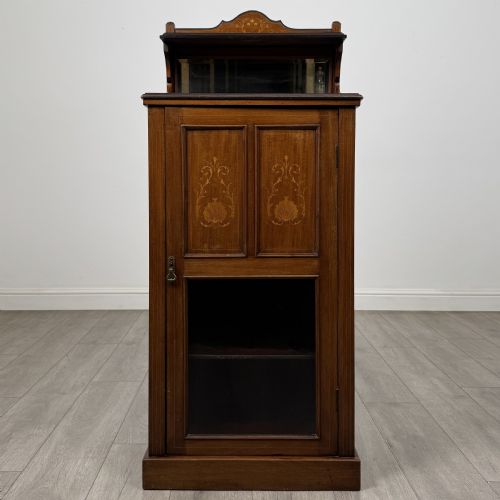
An antique mirror cabinet encompasses various storage furniture styles designed with reflective glass panels integrated into doors, backs or frames. The selections range from compact wall-hung cupboards and music cabinets to large Victorian credenzas and Edwardian display units.
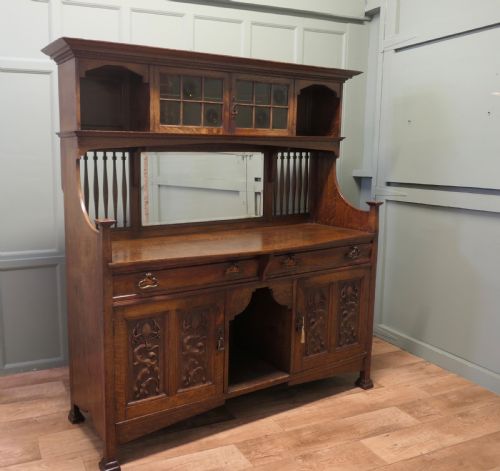
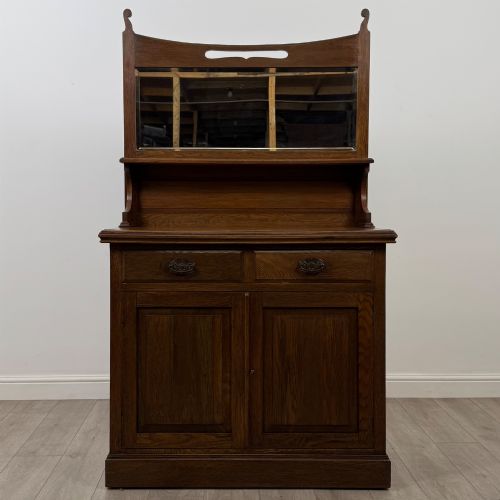
The assortment on this page draws heavily from nineteenth-century and early twentieth-century workshops, spanning Victorian, Edwardian and Arts and Crafts aesthetics. Walnut, mahogany and rosewood dominate the structural framework of these pieces.
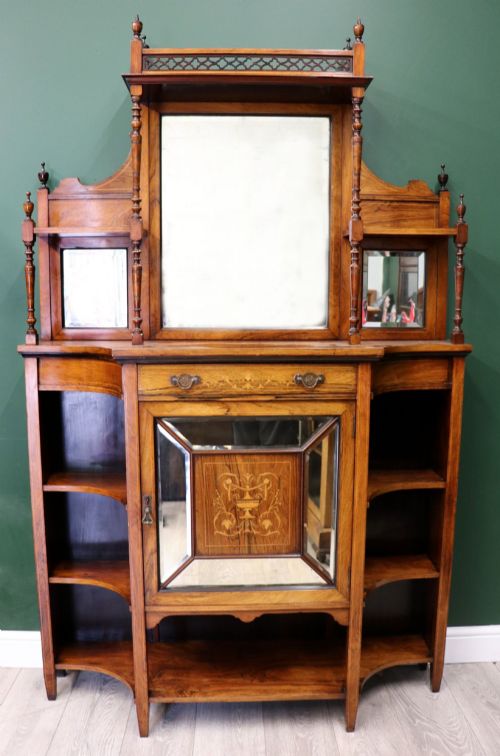
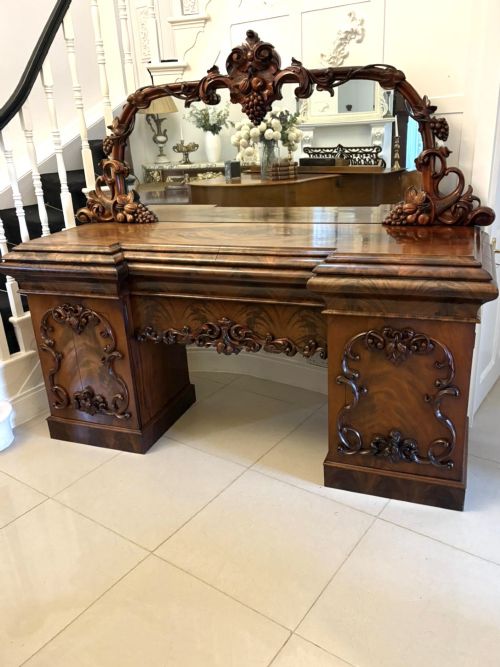
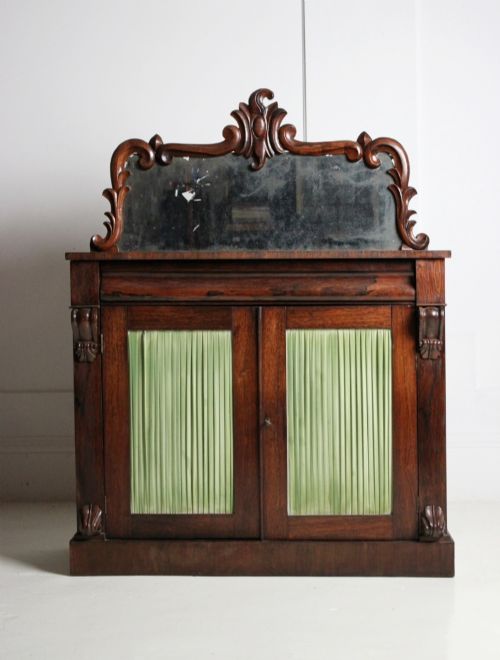
Buyers frequently encounter dual-purpose items such as chiffoniers, sideboards with mirror backs, and cocktail cabinets with mirrored interiors. These forms reflect changing domestic habits across the Georgian, Victorian and Edwardian periods.
How they were made
Cabinet makers utilised dense hardwoods including mahogany, walnut, oak and rosewood, often enhanced by burr veneers, marquetry inlay and featherbanding. Structural elements rely on traditional joinery techniques appropriate to the period.
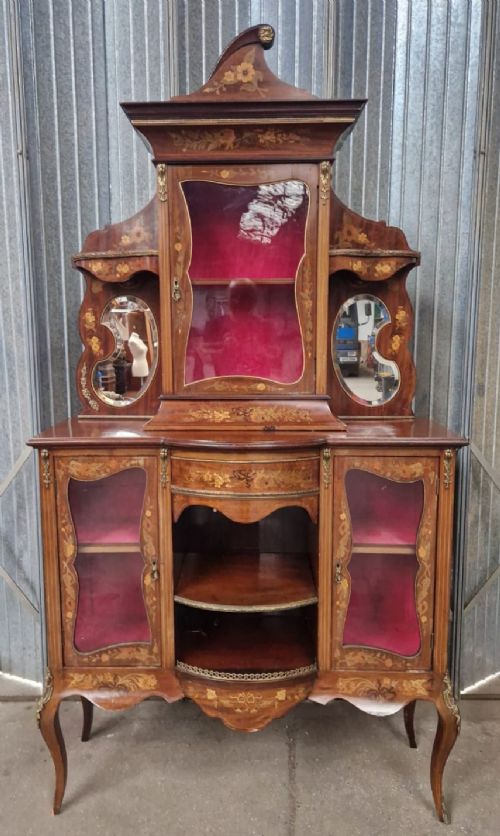
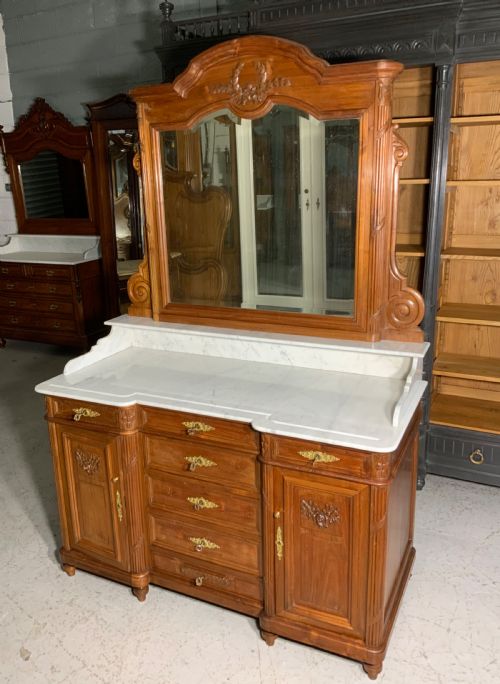
Mirror glass was integrated into doors or carved backboards, sometimes secured with brass mounts, ormolu details or gilt metal hardware. Marble tops and bevelled mirror edges appear on specific high-status items from the Victorian and Edwardian eras.
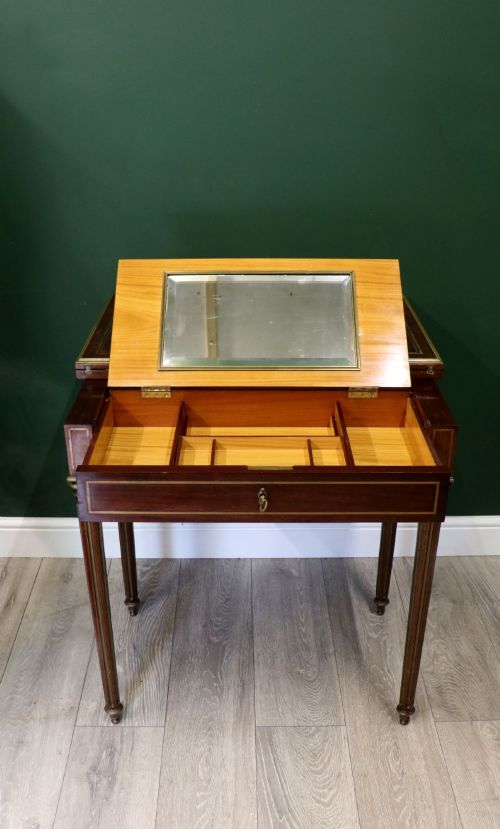
Some nineteenth-century gentlemen secured their morning routines with clever folding washstands and hidden shaving mirrors.
What varies in quality
The standard of an antique mirror cabinet depends largely on the precision of the timber veneer work, the depth of the carved ornamentation, and the originality of the glass panels. Finer examples display meticulous marquetry, balanced proportions, and integrated metal mounts by recognised makers.
Internal fittings also distinguish the range, from simple shelving to complex fitted cocktail interiors, secretaire drawers, and original brass hardware. The integrity of the secondary timbers and the retention of the original mirror glass significantly influence the character of each piece.
Edwards and Roberts·Shoolbred and Co·Collinson and Lock·Gillows·Waring and Gillows·Lamb of Manchester
The Antique Mirror Cabinet Glossary
- Credenza
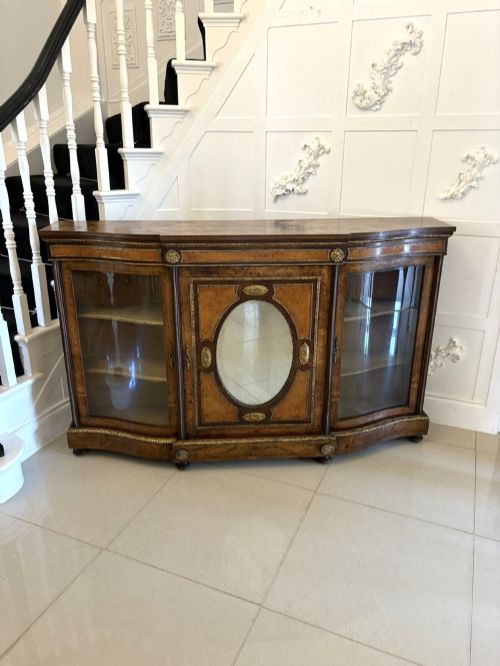
- A low sideboard or cabinet, frequently featuring mirrored doors and ormolu mounts. These pieces gained prominence in formal Victorian reception rooms.
- Chiffonier
- A compact sideboard or cabinet equipped with a raised shelf or mirror back. They serve as versatile storage units in nineteenth-century interiors.
- Marquetry
- Decorative veneer work created by fitting together small pieces of different coloured wood. This technique forms elaborate floral or geometric patterns across cabinet doors.
- Ormolu
- Gilded bronze mounts applied to furniture as decorative accents. They appear frequently on nineteenth-century walnut and mahogany cabinets.
- Featherbanding
- A form of inlay using veneers cut diagonally to create a herringbone pattern around the borders of panels. It is characteristic of finer walnut furniture from earlier periods.
Antique Mirror Cabinet: Frequently Asked Questions
How were these cabinets used?
Historically, these cabinets served multiple domestic functions depending on their specific form and room placement. Hall cupboards stored coats and accessories, while music cabinets housed sheet music and small instruments.
In living rooms and dining spaces, pieces with mirrored backs or doors displayed ceramics, glassware and silverware while reflecting ambient light. Cocktail and secretaire versions later provided specialised storage for beverages and writing materials.
How do I style a mirror cabinet?
Integrating an antique mirror cabinet into a modern interior involves balancing its prominent wood tones and reflective surfaces with surrounding decor. Placing the piece where the mirror can capture natural light enhances the sense of space in a room.
These cabinets function well as standalone statement pieces in hallways, bedrooms, or reception rooms. Pairing them with complementary period or contemporary furnishings highlights their craftsmanship without overwhelming the space.
How do I identify the period?
Identifying the period of a mirror cabinet requires examining the primary woods, construction techniques, and decorative styles present. Georgian pieces often feature simpler mahogany or walnut lines, whereas Victorian examples frequently showcase elaborate burr walnut veneers, carved mirror backs, and ormolu mounts.
Edwardian and later pieces frequently exhibit lighter oak or inlaid mahogany, alongside influences from the Arts and Crafts movement or Art Nouveau. Examining the type of mirror glass and internal hardware provides further clues to the date of manufacture.