



Antique Minton Vase
An antique minton vase brings remarkable ceramic artistry to a room, ranging from early porcelain garnitures to vibrant majolica and Secessionist earthenware forms.
Antique Minton Vase
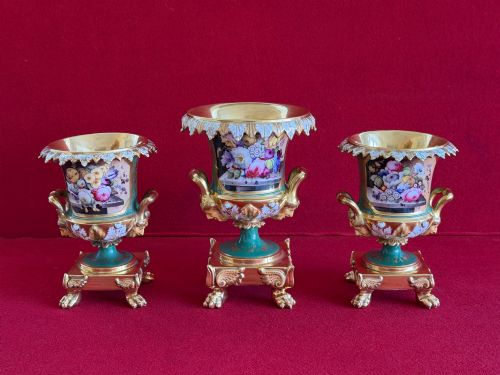
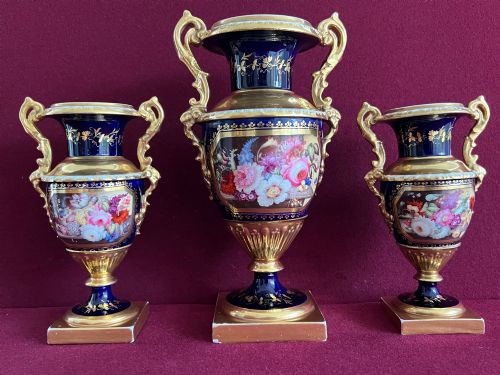
An antique minton vase represents a diverse tradition of British ceramic manufacturing spanning the Regency period through the early twentieth century. Collectors searching this phrase encounter various vessel forms, from monumental majolica garden ornaments to delicate porcelain garnitures and experimental Secessionist pottery.
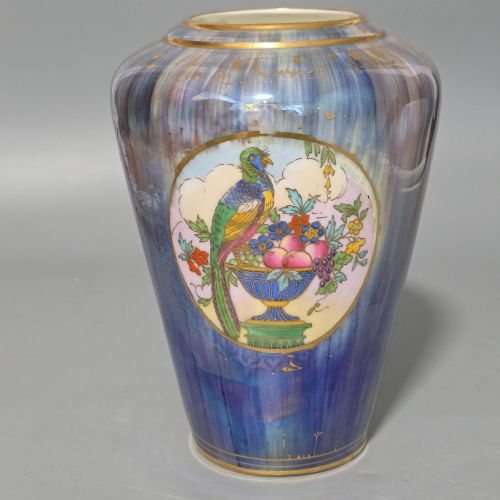
The pieces appearing on this page encompass numerous stylistic movements including Regency neoclassical designs, Victorian naturalism, Aesthetic Movement creations, and early twentieth-century Art Nouveau and Art Deco expressions. Vases and urns predominate, alongside decorative vessels and specialised sculptural ceramic figures.
Dating ranges from the early nineteenth century under Regency influence, through robust Victorian productions of the 1870s and 1880s, into Edwardian and later modernist interpretations. Each era demonstrates the factory's capacity to adapt traditional ceramic bodies to changing aesthetic demands.
Materials and methods
Makers utilised fine porcelain and robust earthenware as the foundational bodies for these vessels, shaping them through throwing, moulding, and slip-casting techniques. Majolica pieces rely on heavy earthenware covered with colourful lead-glazed surfaces that accentuate deep relief modelling.
Decoration involved extensive hand enamel paint, gold leaf application, and gilding, alongside specialised techniques such as pate-sur-pate where layers of liquid porcelain build up translucent reliefs. Tube-lined designs on Secessionist wares create raised clay outlines that separate bold glaze colours.
Antique Minton Vase Retail Price Guide 2026
Typical asking prices for minton vase among the pieces listed under this phrase on Sellingantiques today, from the lower quarter to the upper quarter. They describe what is for sale here now, not the wider market.
Bengal tigers and crazy cows occasionally peer out from early nineteenth-century porcelain, proving that even formal Regency tables appreciated a touch of eccentricity.
Judging the work
The distinction between standard commercial output and exceptional works rests in the ambition of the design and the precision of the execution. Hand-painted naturalistic subjects by notable decorators or sophisticated sculptural forms by academic modellers elevate a vessel above typical production pieces.
Surface finish and glazing control indicate the technical mastery involved in production, particularly in complex majolica firings or multi-layered pate-sur-pate reliefs. Crispness in moulded details and the careful integration of gilding distinguish the finest examples in this ceramic tradition.
Thomas Steel·Christopher Dresser·Albert Carrier
The Antique Minton Vase Glossary
- Majolica
- A type of earthenware covered with an opaque tin glaze or colourful lead glazes, known for rich sculptural modelling and vibrant hues. This technique allowed Victorian potteries to produce dramatic, highly decorative garden and domestic vessels.
- Pate-sur-pate
- A ceramic technique involving the build-up of successive layers of liquid white porcelain slip onto a coloured clay body before firing. The resulting low relief decoration creates a translucent cameo effect against the darker background.
- Secessionist ware
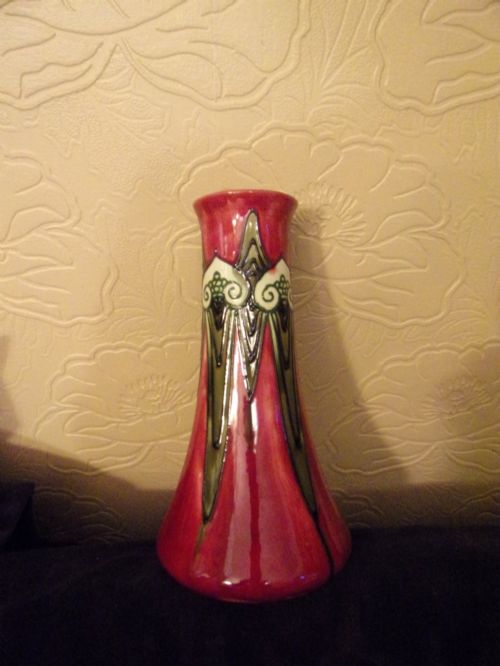
- A bold, free-flowing pottery style produced during the early twentieth century that embraced asymmetrical forms and organic motifs. The factory achieved distinctive surface patterns here through innovative tube-lining methods.
- Garniture
- A matching set of three or more vases or vessels designed to be displayed together on a mantelpiece or sideboard. These symmetrical arrangements were particularly popular during the Regency and Victorian periods.
- Tube-lining
- A ceramic decoration method where a fine stream of liquid clay is squeezed through a nozzle onto a vessel body to outline patterns. The resulting raised barriers hold pools of coloured glaze during the firing process.
Antique Minton Vase: Frequently Asked Questions
What periods do these pieces span?
The listings encompass items produced from the Regency era through the Victorian and Edwardian periods, extending into the nineteen-twenties. Early nineteenth-century examples often feature delicate porcelain bodies, while later decades introduce heavy majolica and experimental earthenware.
Changes in British taste are clearly visible across these eras, moving from classical neoclassical painting towards naturalist relief modelling and modernist Secessionist designs.
How were majolica vases used?
Majolica vessels served primarily as prominent interior decorative statements within Victorian homes, often displayed on mantelpieces, pedestals, or entrance halls. Their robust earthenware bodies and colourful lead glazes made them suitable for holding heavy floral arrangements or standing alone as sculptural art.
The heavy construction and water-resistant glazes also permitted their use as indoor planters for substantial ferns and palms popular during the late nineteenth century.
How do I identify a pate-sur-pate piece?
Pate-sur-pate decoration is identified by its distinctive low-relief figures or classical motifs that appear as pale, semi-translucent cameos against a contrasting coloured ground. Examining the surface closely reveals the actual built-up layers of white porcelain slip rather than painted or applied moulded appliqués.
This painstaking technique produces a tactile finish where light passes through the thinner areas of the slip, creating subtle tonal depth.
What is Secessionist pottery?
Secessionist pottery refers to Edwardian and later earthenware characterised by flowing, organic patterns and innovative glaze effects influenced by continental European design movements. These vessels frequently utilise tube-lined outlines to create geometric or floral motifs that separate vibrant, pooling pooled glazes.
Such wares broke away from traditional Victorian historicism, offering a fresh, modern aesthetic that emphasised the natural qualities of the clay and glaze.