



Antique Miniature Trinket Box
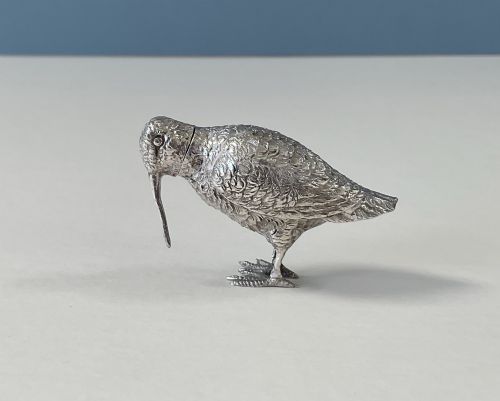
An antique miniature trinket box holds small treasures in miniature form, from Georgian silver to Victorian mahogany chests.
Antique Miniature Trinket Box
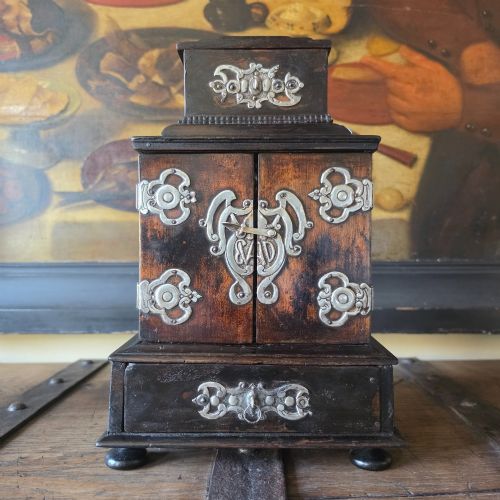
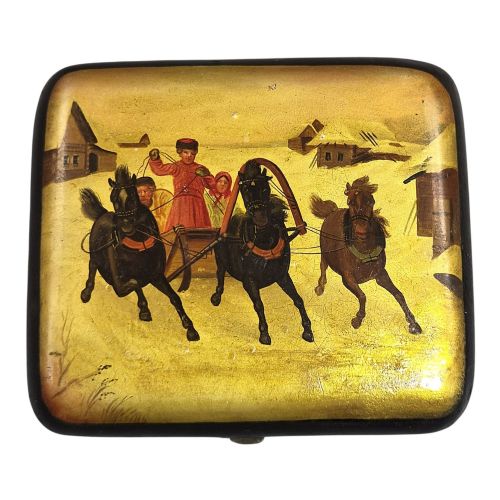
An antique miniature trinket box encompasses small containers designed to hold jewellery, pills, snuff, or keepsakes. These pieces appear in forms such as miniature chests of drawers, coffers, snuff boxes, and caskets originating from periods including the 18th century, Georgian, Victorian, and Edwardian eras.
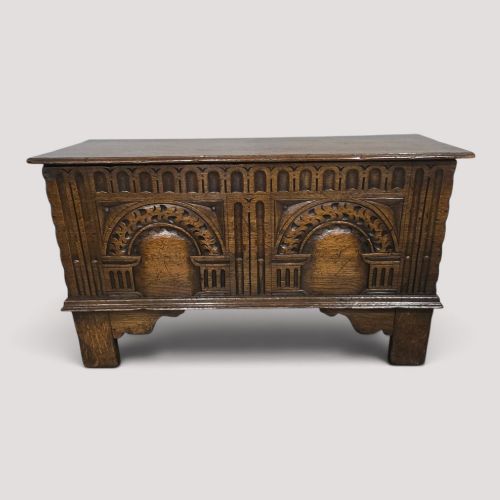
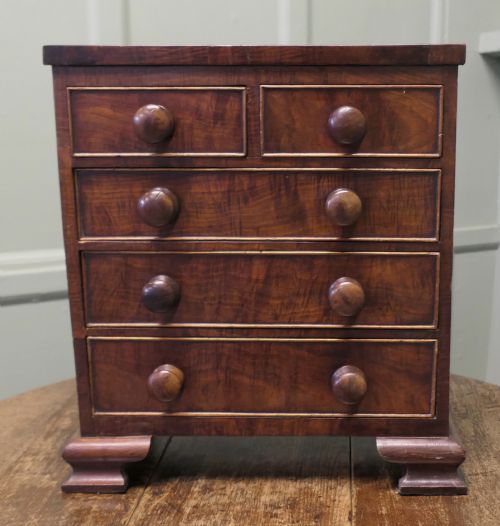
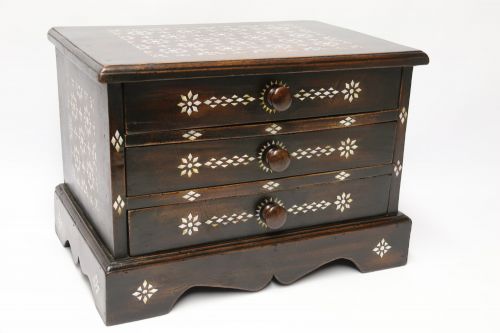
Buyers meet varied iterations on this page, most notably timber chests of drawers in mahogany, oak, and walnut, alongside metal and enamel boxes. Many of these wooden items represent apprentice pieces or small display items created by cabinet makers.
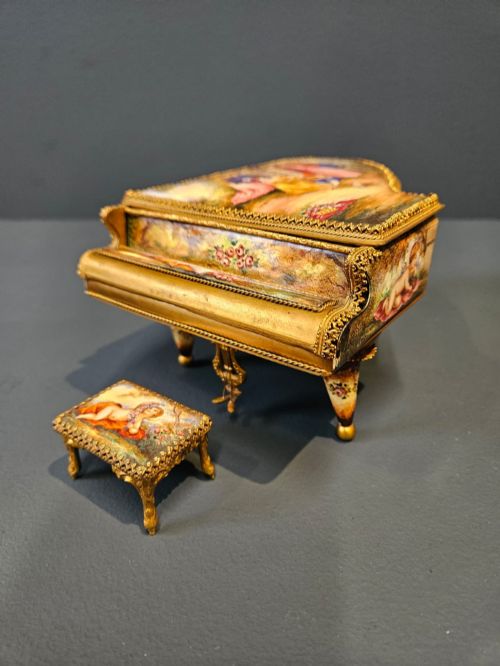
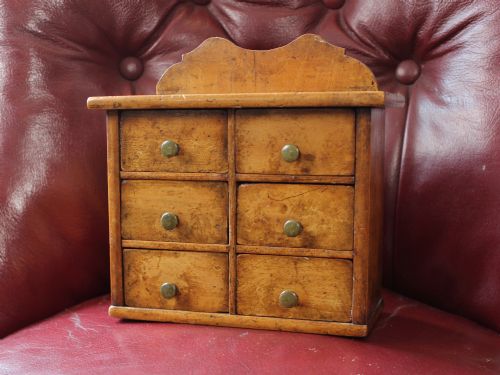
Origins span English, Continental, Russian, and Asian workshops, incorporating styles from Neoclassical and Rococo Revival to Jacobean. Forms range from simple fruitwood spice drawers to elaborate Viennese enamel and ormolu music boxes.
How They Were Made
Timber versions utilise mahogany, oak, walnut, elm, fruitwood, and teak, frequently finished with brass hardware, mother of pearl inlay, or fine carving. Coffer and chest forms demonstrate traditional joinery adapted to small scales.
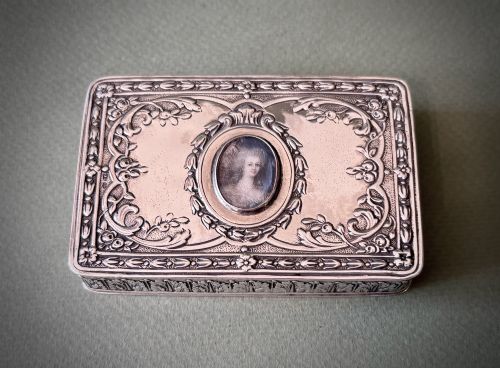
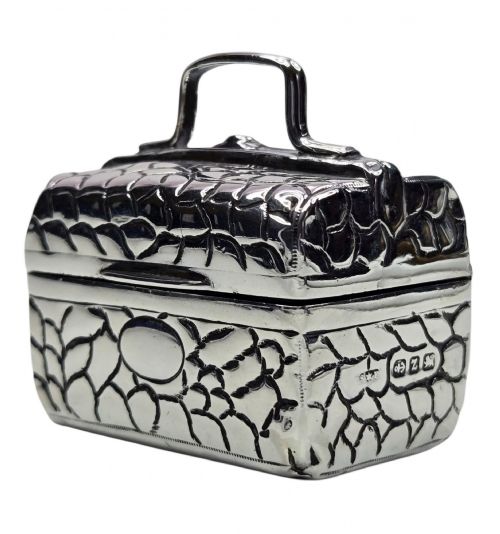
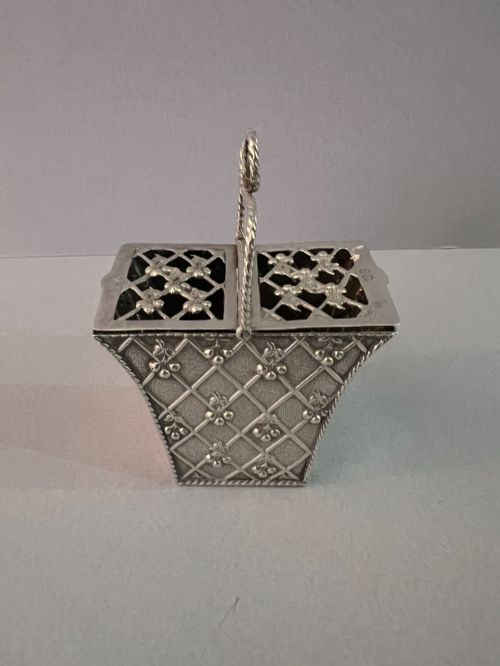
Metal and enamel pieces employ sterling silver, gold, gilt brass, and ormolu combined with painted enamel panels, tortoiseshell, or opaline glass. Artisans applied bright-cut engraving and hand-painted miniature portraits to decorate the surfaces.
Lacquer and paper-mâché techniques appear in Russian and Japanese pieces, featuring hand-painted designs on black or coloured lacquer grounds.
Listings feature 18th-century pieces alongside Victorian and Edwardian examples, spanning wood, silver, enamel, and lacquer.
What Varies in Quality
The refinement of the surface decoration and the execution of the miniature form dictate the standing of a piece. Hand-painted enamel portraits, intricate silver bright-cut engraving, and well-executed parquetry inlay set finer examples apart from plain utilitarian boxes.
Material selection and patination influence desirability, with richly grained timbers, genuine tortoiseshell, and substantial precious metals showing superior craftsmanship. Original locks, hinges, and fitted interiors further distinguish the better productions.
Vishnyakov Workshop·Samuel Pemberton·Jean-Baptiste Isabey
The Antique Miniature Trinket Box Glossary
- Apprentice piece
- A small item demonstrating skill created by a learner to prove mastery before entering a trade guild. These often take the form of miniature chests of drawers.
- Coffor bach
- A Welsh term for a small wooden coffer or chest, usually fitted with a till and raised on feet. They date back to the 18th century and served domestic storage purposes.
- Ormolu
- Gilt bronze mounted onto decorative objects, popular in 19th-century luxury boxes and music boxes. The technique involves applying a mercury and gold amalgam to bronze.
- Snuff box
- A small pocket-sized container designed to hold powdered tobacco. They are frequently fashioned from silver, gold, tortoiseshell, or enamel.
- Siena marble
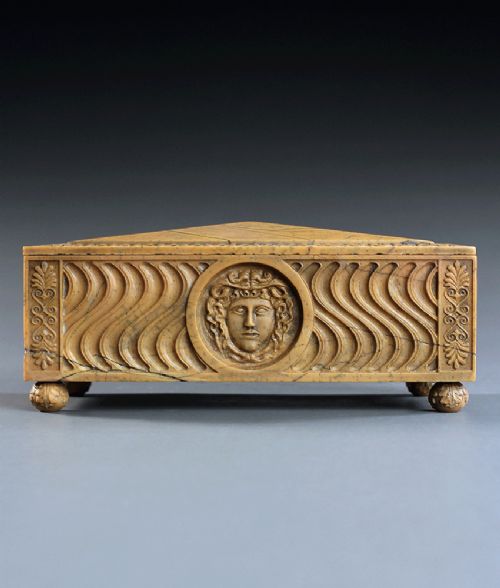
- A yellow Italian marble with dark grey or purple veins, utilised in Grand Tour caskets and decorative boxes. It originates from quarries near Siena.
Antique Miniature Trinket Box: Frequently Asked Questions
What is an apprentice piece?
An apprentice piece is a scaled-down item of furniture made by a trainee craftsman to demonstrate proficiency to guild masters. In miniature boxes, these commonly replicate full-size chests of drawers.
Such items display the same dovetailing and construction methods as larger furniture. They provide insight into historical workshop practices.
How were snuff boxes used?
Snuff boxes held ground tobacco leaves inhaled through the nose as a social habit popular from the 17th to the 19th centuries. Owners carried them in pockets for daily use.
The lids needed tight seals to keep the tobacco dry. Precious materials reflected the social status of the owner.
What is a Grand Tour souvenir?
Grand Tour souvenirs were art objects and small luxury items acquired by wealthy young Europeans travelling the continent during the 18th and 19th centuries. Items included marble caskets and enamel boxes.
These pieces served as physical evidence of cultural education. They combined local materials with classical designs.
How do I care for antique wood boxes?
Antique wooden boxes require stable humidity and protection from direct sunlight to prevent timber shrinkage and veneer cracking. Gentle dusting preserves the original patination.
Avoid modern liquid polishes containing silicones. Occasional application of suitable wax feeds the dry wood.