





Antique Miniature Armchair
An antique miniature armchair is a small-scale seat built to historical furniture standards, sought after for its intricate craftsmanship and domestic charm.
Antique Miniature Armchair
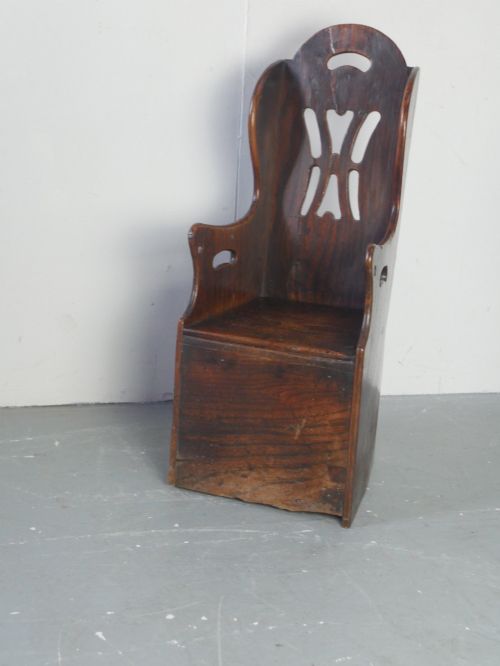
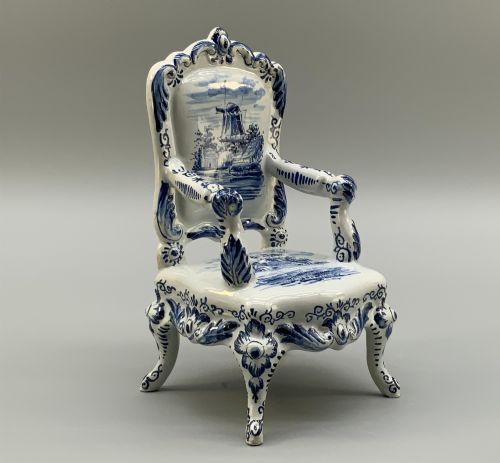
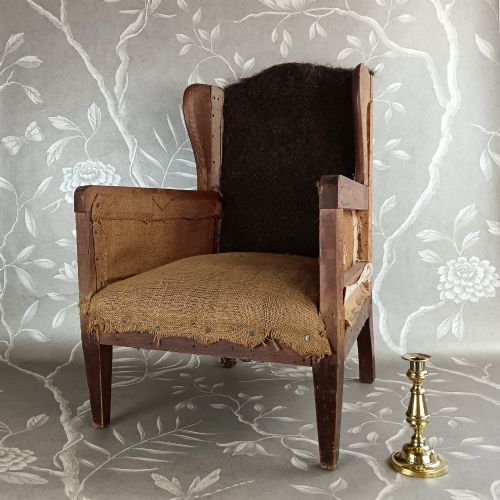
When you search for an antique miniature armchair, you encounter scaled-down seating intended for children, apprentices, or display, spanning the Georgian, Victorian, and Edwardian eras. The most frequent examples on this page are country-style Windsor chairs and upholstered parlour armchairs originating from the eighteenth and nineteenth centuries.
Makers produced these smaller forms using traditional regional designs such as stick backs, Windsor frames, and wingbacks, mirroring full-sized domestic furniture. These items functioned as child-seating furniture, salesman samples, or master craftsman apprentice pieces.
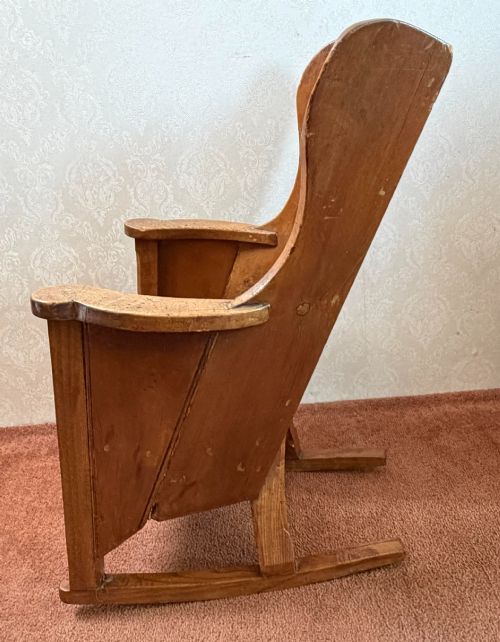
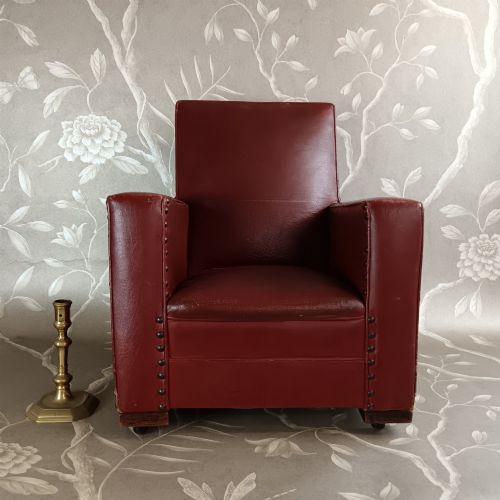
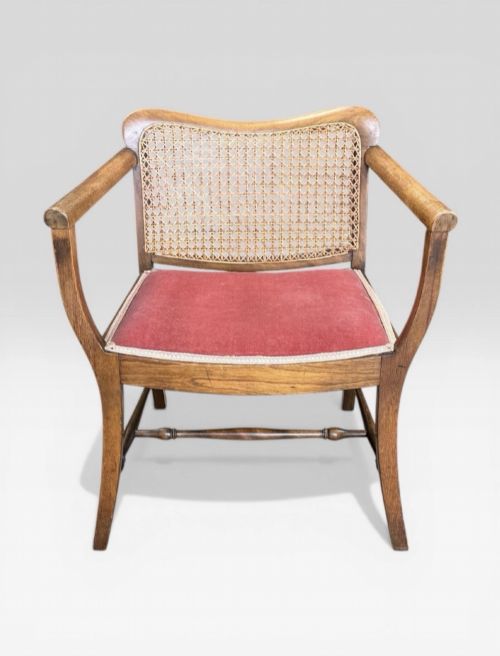
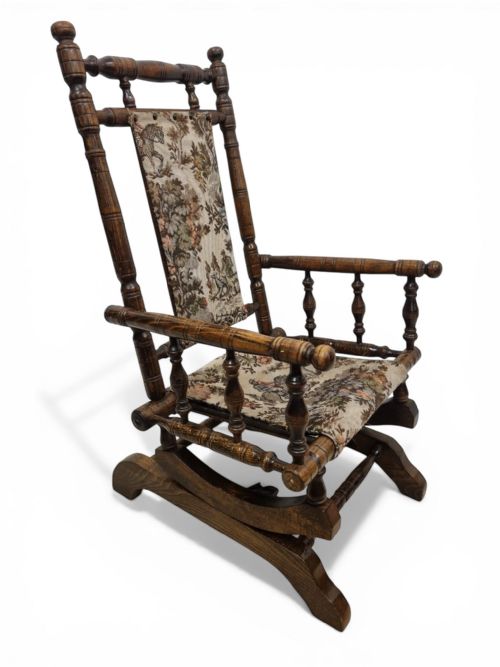
The selection includes rocking chairs, bergere seats with cane work, and club chairs spanning periods from the 1700s through to the Art Deco decades of the twentieth century.
Materials and construction
Cabinet makers and country joiners utilised solid hardwoods including elm, ash, yew, oak, walnut, and mahogany, often pairing bentwood techniques with traditional mortise and tenon joinery. Spindle-turned components and steam-bent bows form the structural backbone of Windsor varieties.
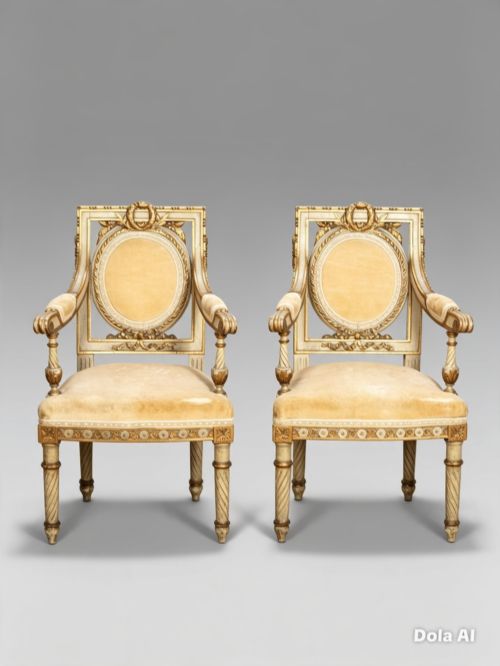
Upholstered editions incorporate materials such as leather, tapestry, and cane webbing fitted to frames of beech or mahogany. Surface finishes range from hand-carved mahogany and gilded paint to polished fruitwoods that reveal the natural grain.
Antique Miniature Armchair Retail Price Guide 2026
Typical asking prices for miniature armchair among the pieces listed under this phrase on Sellingantiques today, from the lower quarter to the upper quarter. They describe what is for sale here now, not the wider market.
Listings feature pieces spanning the Georgian, Victorian, Edwardian, and Art Deco periods, constructed in elm, oak, mahogany, ash, yew, walnut, beech, and fabric.
Assessing quality and proportion
Proportion and scale separate superior pieces from crude adaptations, as master makers maintained accurate architectural ratios when reducing furniture down to miniature size. The precision of turned spindles, the tightness of joints, and the fineness of hand-carving distinguish an apprentice piece or high-status commission from plain utility work.
The preservation of original surface patination, cane work, and upholstery materials dictates the desirability of a piece. Finer examples retain their original timber colour and structural integrity without excessive replacement of parts.
James Shoolbred
The Antique Miniature Armchair Glossary
- Windsor chair
- A wooden chair constructed with a solid saddle-shaped seat into which the back legs and spindle back are directly inserted.
- Apprentice piece
- A small-scale model created by a craftsman to demonstrate skill and secure trade guild membership.
- Bergere
- An enclosed upholstered armchair with a wooden frame and cane-work back or sides.
- Crinoline stretcher
- A curved hoop-shaped stretcher connecting the legs of a Windsor chair to provide structural rigidity.
- Wainscot armchair
- An early wooden armchair constructed primarily from panelled oak with solid arms and back.
Antique Miniature Armchair: Frequently Asked Questions
What were antique miniature armchairs used for?
These items served various practical purposes in historical households, functioning primarily as seating for young children or toddlers in the parlour and nursery.
Some pieces also served as salesman samples or apprentice pieces created by woodworkers to demonstrate technical skill to guild masters.
How do I date an antique miniature armchair?
Dating relies on identifying stylistic markers, construction methods, and timber species characteristic of periods such as the Georgian era or the Victorian age.
Changes in wood turning, joinery techniques, and upholstery styles help distinguish eighteenth-century country pieces from later nineteenth-century revivals.
Are these chairs comfortable for children to sit on?
While many were built as functional seating for children using sturdy hardwoods and ergonomic traditional designs, their primary appeal today is decorative.
Many examples are delicate antique objects or collector pieces rather than toys intended for daily nursery use.
What is the difference between a child's chair and a doll's chair?
Child chairs are scaled for human seating use, possessing the structural joinery and weight-bearing strength of full-sized furniture.
Doll chairs and decorative miniatures are constructed on an even smaller scale intended solely to accommodate dolls or display cabinets.