


Antique Military Headgear
These antique military headgear pieces are historic helmets and shakos spanning the nineteenth and early twentieth centuries, prized for their striking martial presence.
Antique Military Headgear
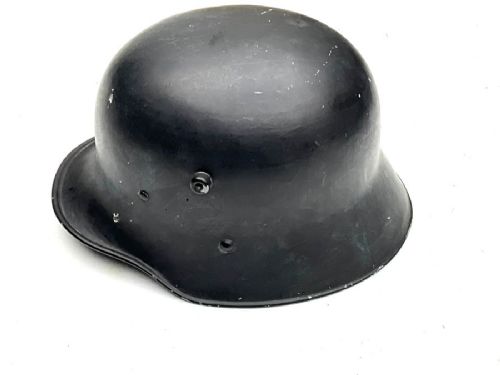
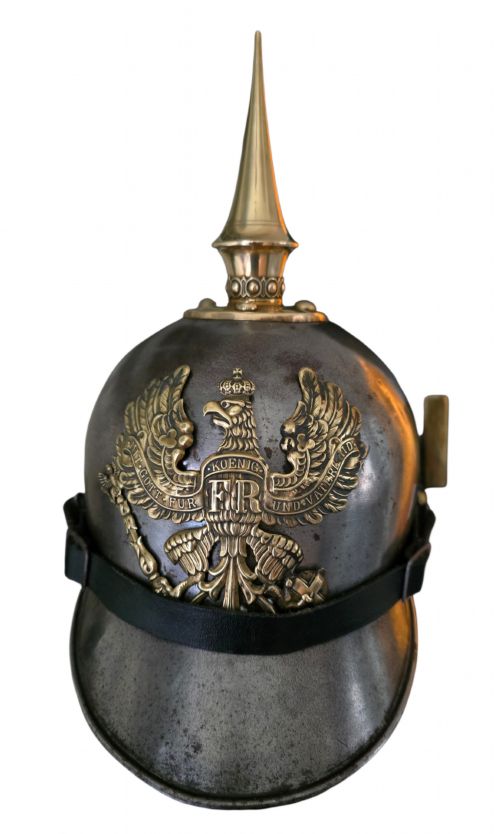
When you search for antique military headgear, you encounter a selection spanning the nineteenth and early twentieth centuries, including helmets from imperial campaigns and national guards. The items here range from mid nineteenth century French shakos to First World War German pickelhaubes and later motor cyclists' gear.
Imperial German and Prussian examples dominate the offerings on this page, alongside French and Swedish pieces. These objects served ceremonial, parade, and active service functions across European regiments.
The forms vary from spiked leather helmets to tall shakos and steel shells. Each piece reflects the specific national design and branch of service from which it originated.
Materials and construction methods
Makers utilised boiled leather, stiffened felt, and heavy steel as the structural basis for these helmets. Brass and metal fittings, including plates, spikes, and chin scales, were affixed to reinforce and adorn the shells.
Horsehair attachments and painted finishes added distinct regimental insignia and coloration. The combination of rigid hides and polished metal defined the protective and decorative qualities of military headwear.
The inventory spans periods from the mid nineteenth century through to the 1930s motor cyclists' equipment.
Distinctions in quality and preservation
The integrity of the original leather or steel shell distinguishes superior examples from heavily degraded ones. Intact stitching and firm structural form indicate careful preservation over the decades.
The presence of original brass fittings, such as eagle plates and chin scales, elevates the standing of a piece. Finer items retain their original paint, horsehair plumes, and interior liners without major replacement parts.
The Antique Military Headgear Glossary
- Pickelhaube
- A spiked helmet worn by nineteenth and early twentieth century German military, firemen, and police.
- Shako
- A tall, cylindrical military cap, often adorned with a plume or cockade, popular in the nineteenth century.
- Kaiserreich
- The German Empire period lasting from 1871 to 1918, frequently associated with specific pickelhaube models.
- July Monarchy
- The period of the French kingdom under Louis Philippe from 1830 to 1848, noted for specific national guard shakos.
- Dragoon
- A member of a cavalry regiment that originally fought on horseback but later served in various mounted roles.
Antique Military Headgear: Frequently Asked Questions
How should I clean antique helmets?
Dust gently with a soft, dry brush to remove surface particles.
Avoid using water, saddle soap, or chemical polishes on fragile leather and aged metal.
Are these helmets original period items?
The listings comprise pieces originating from the nineteenth and early twentieth centuries, reflecting authentic period manufacture.
Examine the specific dates and material descriptions provided for each individual item.
How do I display military headgear safely?
Keep helmets away from direct sunlight and high humidity to prevent leather cracking and metal tarnishing.
Utilise a stable, padded support mount that distributes the weight evenly inside the crown.
What does a spiked helmet signify?
The spike on German pickelhaubes served as a traditional decorative element derived from earlier cavalry headdress.
Different heights and base plates often denoted specific regiments or ranks within the armed forces.