


Antique Metamorphic Stool
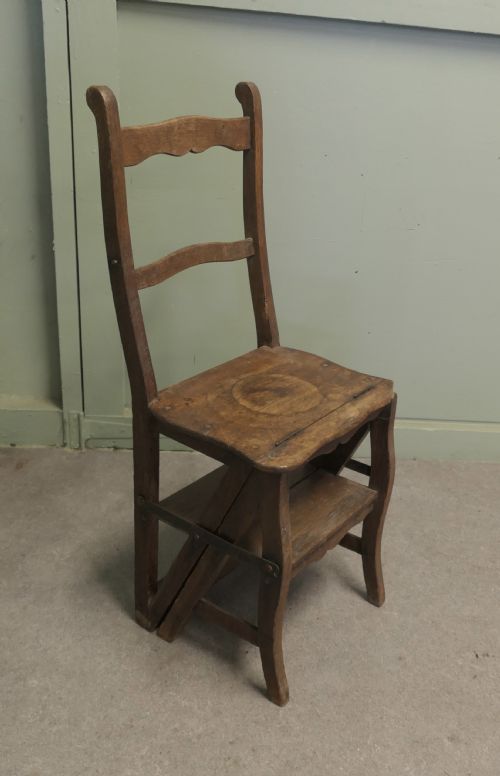
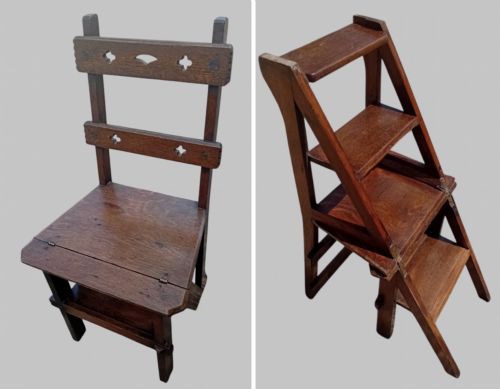
An antique metamorphic stool shifts its form between a seat and a set of library steps, offering clever utility for period interiors.
Antique Metamorphic Stool
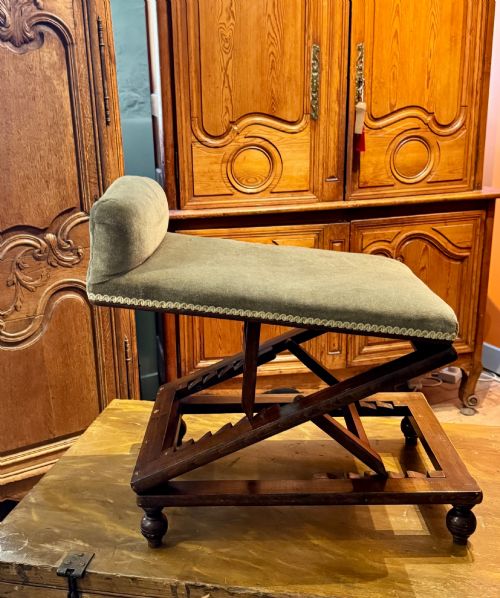
The antique metamorphic stool bridges the gap between a domestic seat and a functional height-reaching aid, folding or pivoting to reveal concealed steps. Such pieces range from compact gout stools to substantial armchairs that convert into library ladders.
The versions most commonly met here hail from the nineteenth and Edwardian eras, incorporating stylistic influences from the Georgian period through to the Arts and Crafts movement and Victorian Gothic Revival.
Makers designed these convertible items to serve multiple purposes in modest spaces, combining the comfort of an armchair or footrest with the practicality required by high-shelf libraries.
How they were made
Cabinet makers utilised sturdy timbers such as oak and mahogany to bear the weight and stress of regular mechanical transformation. Secondary woods like stained beech and assorted hardwoods frequently form the internal framing and lesser-seen components.
Brass hinges, pivots and folding iron mechanisms enable the smooth transition from stool to steps without compromising structural integrity. Upholstered elements often feature leather or cane inserts to provide comfort to the seated user.
Listings feature items in oak, mahogany, cane and leather, spanning the Georgian, Victorian and Edwardian periods.
What varies in quality
The ingenuity and precision of the pivoting mechanism dictates the upper tier of quality, ensuring the piece locks securely into each position without binding or wobbling. Finer examples display seamless transitions that conceal the mechanical joints when closed.
Timber selection and cabinet-making skill set apart the exceptional pieces, seen in deeply figured mahogany or carved oak details that rival standard utility furniture. Original leather upholstery and stamped maker marks elevate an item beyond basic commercial production.
J.Jarvis·Richard Hicks Bridgens
The Antique Metamorphic Stool Glossary
- Metamorphic
- Describing furniture designed to transform from one functional form into another, such as a stool becoming a ladder.
- Gout stool
- A low footrest fitted with an adjustable inclined top to support the feet and legs of someone suffering from gout.
- Library steps
- A set of portable stairs used to reach high bookshelves, frequently integrated into chairs or tables during the Georgian and Victorian periods.
- Arts and Crafts
- A design movement prioritising traditional craftsmanship, visible construction methods and simple materials over industrial mass production.
- Gothic Revival
- An architectural and decorative style drawing inspiration from medieval forms, featuring pointed arches and heavy carved timber.
Antique Metamorphic Stool: Frequently Asked Questions
How do metamorphic library steps work?
These pieces use clever pivoting joints, sliding tracks or hidden hinges that allow the seat or upper frame to unfold into a stable staircase.
Users simply lift and rotate the structural sections to switch between sitting and climbing functions.
Where were these stools used?
Owners typically kept them in home libraries, studies and grand drawing rooms where high bookshelves required regular access.
They also served private chambers as comfortable footrests or gout stools before transforming to reach elevated storage.
How do I care for the moving parts?
Keep the brass and iron hinges clean and free of dust, and periodically check that all pivot pins remain secure.
Avoid forcing the mechanism if it sticks, and treat timber and leather surfaces with appropriate traditional waxes.
Are these pieces sturdy enough to stand on?
Original pieces were built from robust hardwoods like oak and mahogany specifically to support human weight during climbing.
Inspect the joints and locking mechanisms to ensure stability before using the steps for height.