



Antique Metalware Pan
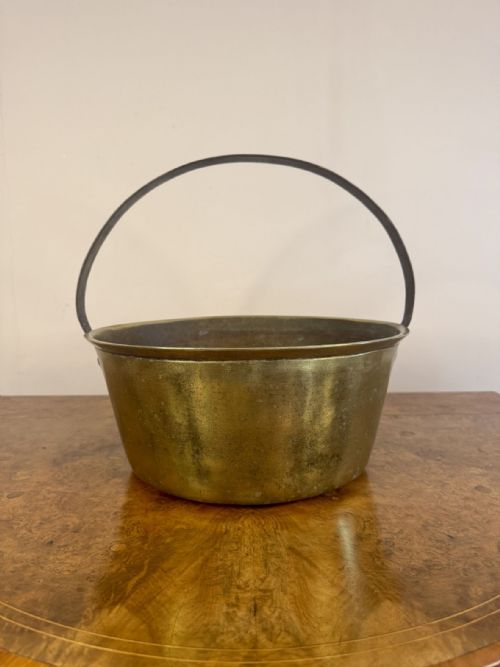
These antique metalware pan examples bring heavy copper, warm brass and honest iron straight from the hearth to the modern table.
Antique Metalware Pan
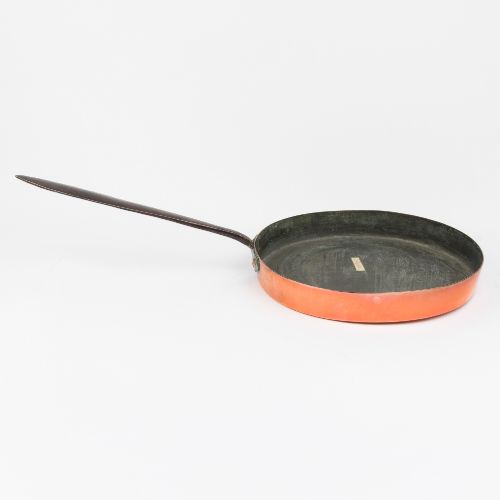
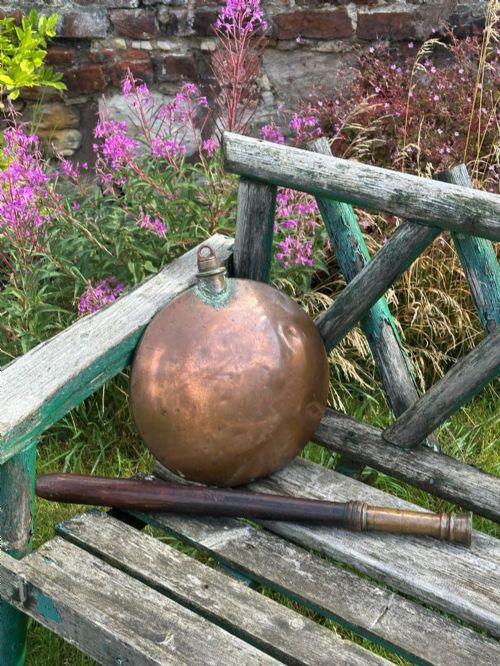
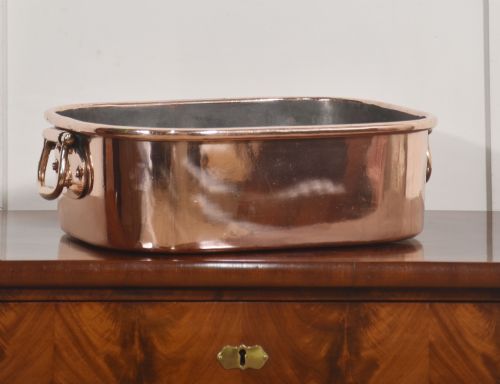
The antique metalware pan category encompasses domestic kitchenware and fireside vessels forged or beaten from copper, brass, iron and bronze across the Georgian, Victorian and earlier centuries. Buyers searching for an antique metalware pan generally encounter utilitarian forms ranging from heavy preserve dishes and fish kettles to specialised warming flasks and saucepans.
Domestic pieces on this page frequently span the Georgian and Victorian eras, reflecting the shift from open hearth cooking to enclosed ranges. You will regularly find English and French provincial items designed for heavy daily use rather than display, carrying the marks of real kitchen toil.
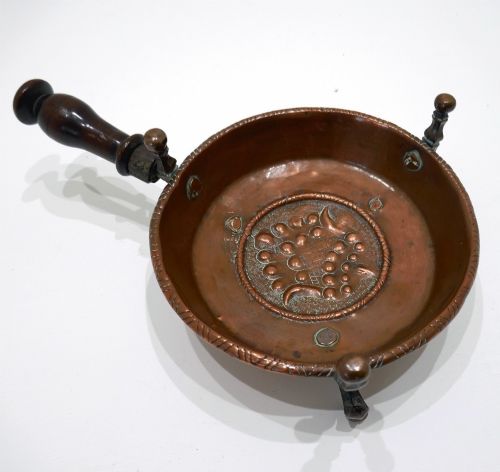
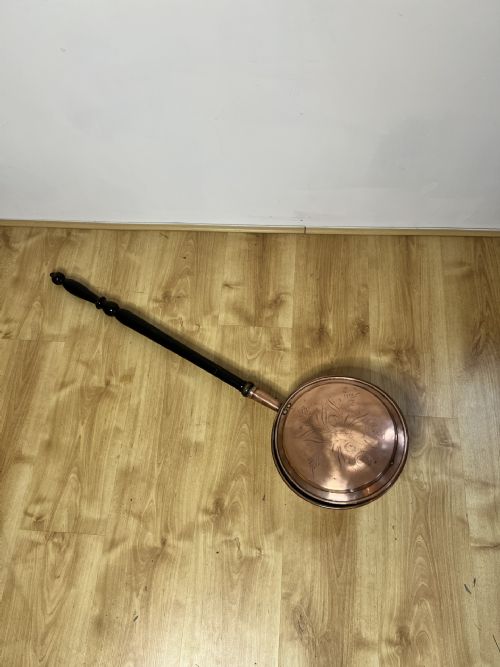
Alongside true culinary pans, the selection includes related hearth accessories such as warming pans with turned wooden handles and chambersticks that share the same metallurgical heritage. These items appeal to collectors who appreciate the weight of solid metal and the rich patination earned over centuries of service.
What separates the finest examples
Wall thickness and weight dictate the structural integrity of the piece, separating robust workshop tools from thin decorative reproductions. Superior examples display even hand-beaten hammer marks across the body rather than uniform machine rolling.
The integrity of original fixings, such as hand-turned wooden handles and early iron rivets, preserves the historical context of the vessel. Maker stamps and crisp engraving on brass lids or copper bases elevate a standard utility pan into a collected artefact.
Antique Metalware Pan Retail Price Guide 2026
Typical asking prices for metalware pan among the pieces listed under this phrase on Sellingantiques today, from the lower quarter to the upper quarter. They describe what is for sale here now, not the wider market.
Georgian warming pans were frequently slipped between chilly sheets to chase away the damp before sleep.
Liptons
The Antique Metalware Pan Glossary
- Old Sheffield Plate
- A fused composite of silver and copper produced by heating the metals until they bonded together. This technique created tableware with the appearance of solid silver over a durable copper base.
- Baluster candlestick
- A candle holder featuring a pillar shaped with a swollen, vase-like lower section. This form appeared frequently in seventeenth and eighteenth-century brassware.
- Crusie oil lamp
- A simple open vessel designed to burn vegetable oil or fat using a twisted wick. These early lighting devices were commonly forged from iron or cast in brass.
- Cast brass
- Molten brass poured into a prepared mould to form solid objects like chambersticks or mortars. This method allowed for heavier walls and decorative moulding details.
- Trammel
- An adjustable iron bar or chain used in open hearths to suspend pots and pans at varying heights over the fire. These devices formed a key part of early kitchen ironmongery.
Antique Metalware Pan: Frequently Asked Questions
Can I still cook with an antique copper pan?
Most antique copper pans require new tinning on the interior surface before food preparation, as bare copper can react with acidic ingredients during cooking.
Many collectors prefer to display these pieces as decorative items rather than subjecting historical metalwork to modern hob heat.
How do I clean old brass and copper?
Warm soapy water and a soft cloth remove everyday dust without disturbing the dark surface oxidation that collectors value. Avoid harsh chemical abrasive dips that strip away centuries of natural patination.
Gentle maintenance preserves the subtle red and gold tones characteristic of early metalware.
How can I tell George III copper from Victorian pieces?
Georgian copper items often feature heavier gauge metal with distinct hand-beaten hammering patterns and dovetailed base seams. Victorian pieces tended to utilise more mechanised sheet rolling and cleaner interior finishes.
Maker stamps and handle construction also offer clues to the approximate decade of manufacture.
What was the wooden handle used for on a warming pan?
Long turned oak or fruitwood handles allowed individuals to sweep the heated pan between bedsheets without standing too close to the hot coals inside. The wood provided a necessary thermal break so the heat from the metal stayed away from the hands.
These handles were often pinned securely through iron shanks for extra leverage.