





Antique Metal Safe
These heavy-duty iron and steel receptacles of security, better known as an antique metal safe, protect valuable documents and currency with formidable mechanical ingenuity.
Antique Metal Safe
When you search for an antique metal safe, you are looking at heavy-duty security containers designed to safeguard valuables, documents, and currency from theft and fire. The pieces seen on this page span several centuries, reaching back to seventeenth-century coffers and spanning the Victorian industrial era.
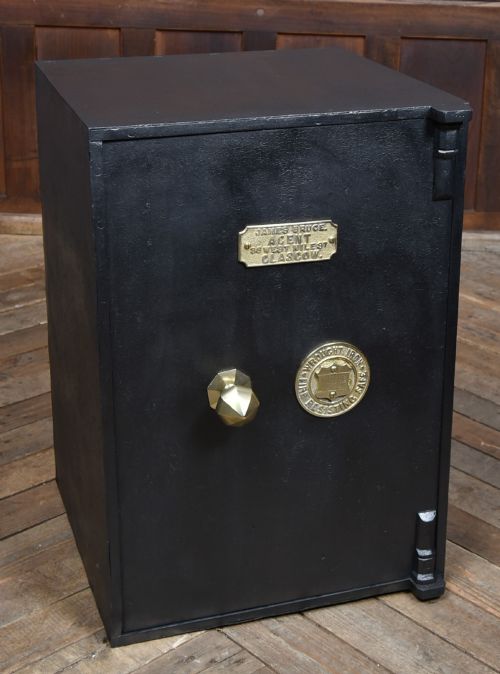
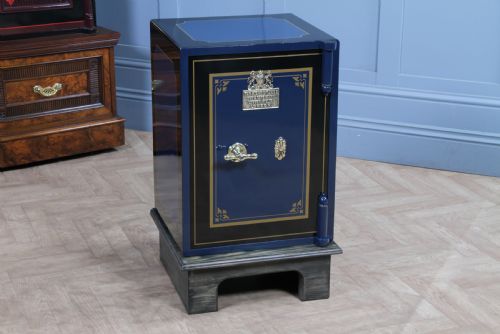
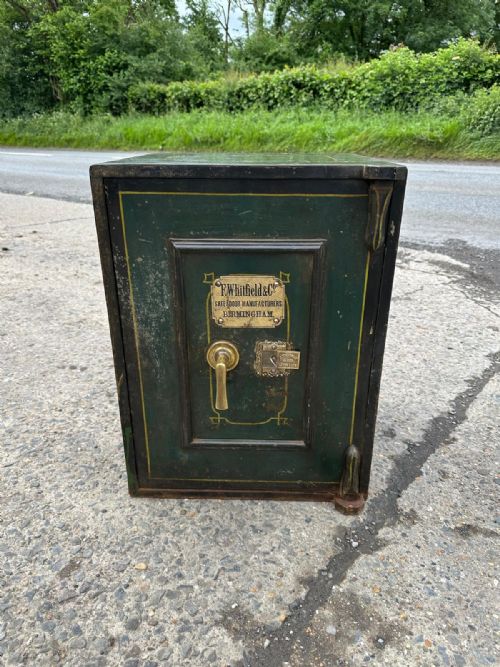
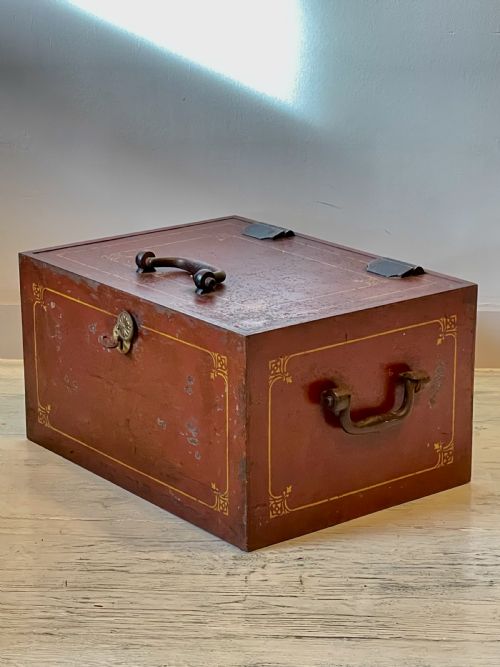
The version you are most likely to meet here is the Victorian cast iron or steel strongbox or safe, often bearing the names of prominent makers and sometimes elevated on bespoke wooden stands. These domestic and commercial receptacles range from robust floor-standing units to smaller deed boxes and personal keepsake repositories.
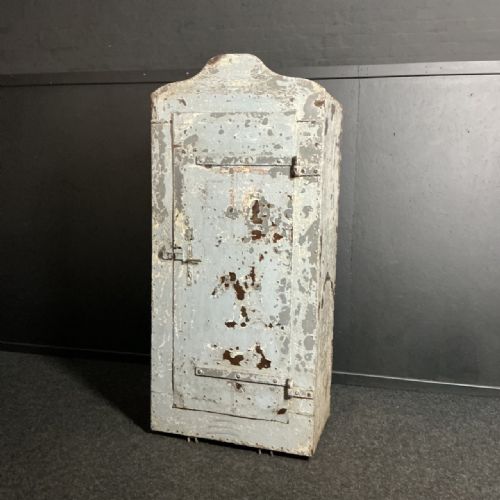
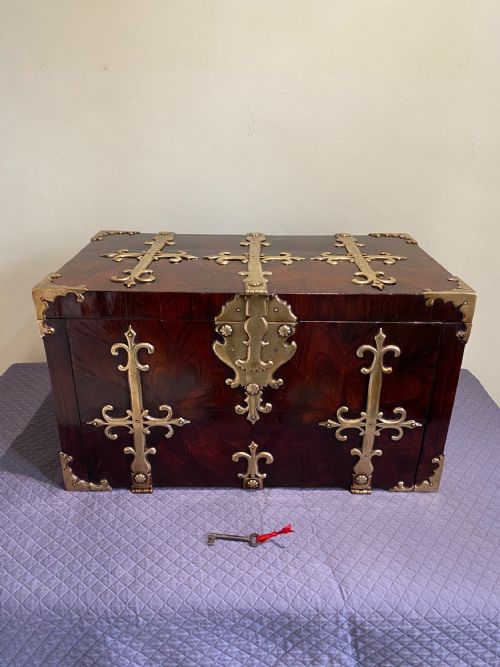
Earlier examples recorded in the evidence include seventeenth-century Armada chests and Iberian Baroque or Renaissance strongboxes, constructed primarily from iron and wood with complex internal locking mechanisms. Alongside these sit later nineteenth-century painted steel cupboards, polished steel variants, and specialised silver chests bound in iron.
How they were made
These items rely on heavy metals such as cast iron, wrought iron, and polished or painted steel, frequently combined with structural wood elements like oak or kingwood for internal fittings and outer casing. Makers utilised robust brass for decorative plaques, keyhole surrounds, and intricate locking components.
Object forms recorded on this page include floor safes, Armada chests, strongboxes, silver chests, deed boxes, and vesta cases.
What varies in quality
Quality in these items is determined by the sophistication of the locking mechanism and the integrity of the heavy metal construction. Pieces that retain their original working keys and complex internal levers demonstrate superior original craftsmanship.
The presence of maker signatures from notable firms, alongside decorative elements such as brass plaques, ornate cast ornamentation, and matched furniture stands, elevates the distinction of individual specimens.
James Bruce Glasgow·Tanns Defiance London·F Whitfield And Co·Milners of Liverpool·Waring And Sons·George Price
The Antique Metal Safe Glossary
- Armada chest
- A heavily secured iron box produced in the sixteenth and seventeenth centuries, often featuring complex multi-bolt locking mechanisms concealed beneath the lid. These portable strongboxes were utilised for transporting valuables at sea and on land.
- Strongbox
- A robust container fashioned from iron or steel, designed to secure bullion, documents, or high-value items against unauthorized access. They often feature reinforced corners and heavy strapwork.
- Vesta case
- A small pocket container designed to hold matches, typically manufactured from brass, nickel-plated brass, or silver. Many examples feature specialised striker plates and decorative novelty designs.
- Deed box
- A secure storage receptacle specifically proportioned to hold legal documents, land indentures, and private correspondence. These containers commonly feature drop fronts or hinged lids with reliable brass lever locks.
- Silver chest
- A specialised storage trunk constructed from timber such as oak and heavily reinforced with iron bands and carrying handles. The interior is typically fitted to organise and protect table silverware.
Antique Metal Safe: Frequently Asked Questions
What is an antique metal safe?
An antique metal safe is a heavy-duty security container built from iron, steel, or brass to protect valuables, currency, and documents from theft and fire.
These pieces range from early seventeenth-century iron-bound strongboxes and Armada chests to nineteenth-century industrial safes produced by specialised British makers.
How were these safes used?
These receptacles were utilised by merchants, institutions, and wealthy households to secure paper deeds, bullion, silver plate, and personal currency.
Larger versions remained stationary in offices and estate rooms, while smaller deed boxes and strongboxes were designed for secure transport.
How do I identify the period?
The period is determined by the construction materials, locking technology, and stylistic details visible on the housing and hardware.
Early examples utilise hand-forged iron strapwork and complex internal mechanisms, whereas Victorian iterations feature cast iron bodies, maker plaques, and standardised lever locks.
Do antique safes still lock?
Many surviving examples retain their original working locks and keys, though functionality varies depending on the preservation of the internal mechanism.
Some pieces have been fully restored to ensure the heavy bolts and keys operate smoothly.
How do I live with an antique safe?
Living with these pieces involves accommodating their substantial weight and incorporating their industrial aesthetic into a room as statement furniture or functional side tables.
Larger floor models often sit on dedicated stands, while smaller strongboxes serve as secure storage for modern valuables.