

Antique Metal Plaque
An antique metal plaque brings weight and narrative to a wall, offering cast relief, enamel colour or engraved detail.
Antique Metal Plaque
When you search for an antique metal plaque, you encounter a varied group of wall-hung items, circular chargers, and architectural signs originating primarily from the nineteenth and early twentieth centuries. The selection spans domestic advertising panels, portrait reliefs in bronze or iron, and decorative copper or brass tableware adapted for display.
The domestic and industrial spheres intersect here, ranging from railway crests and trade signs to Japanese Meiji period cloisonné trays and Islamic Cairo Ware. Pieces from Victorian, Edwardian, and later periods reflect the specific metalworking traditions of their respective makers and regions.
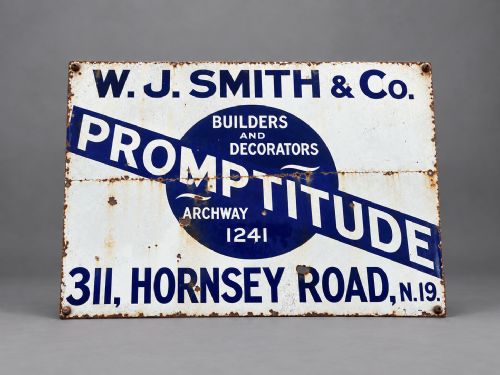
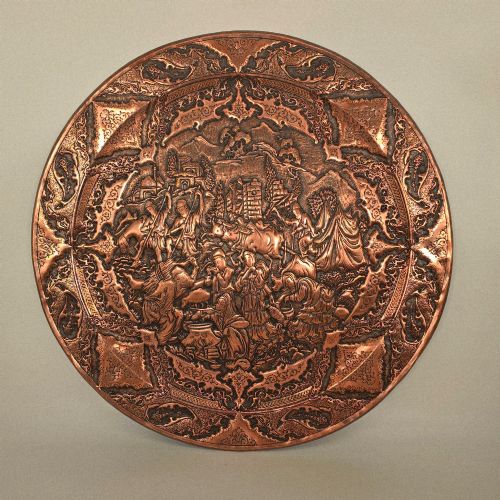
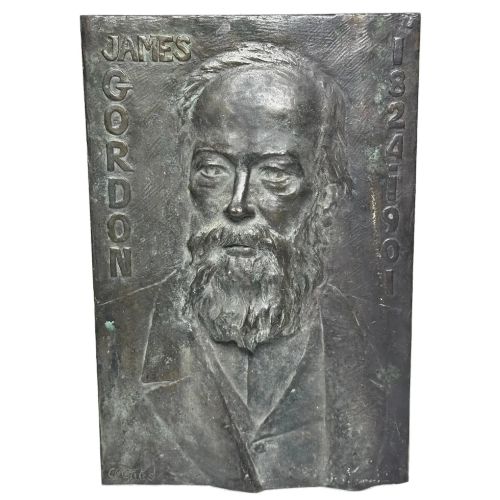
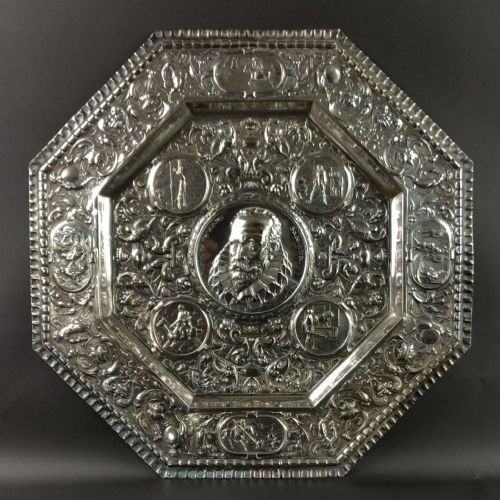
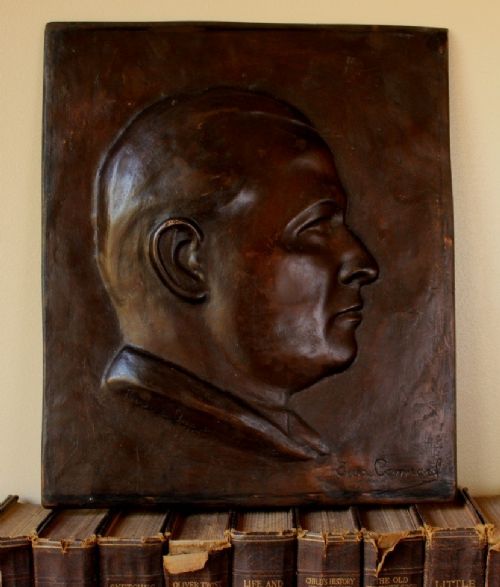
Wall plaques and large chargers dominate the assortment, often bearing portraits, coats of arms, or pictorial advertising scenes executed in enamels, cast iron, or repoussé copper.
Materials and Technique
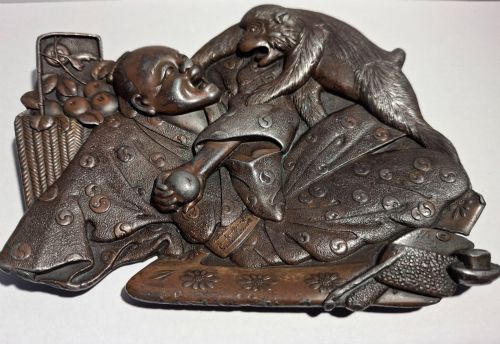
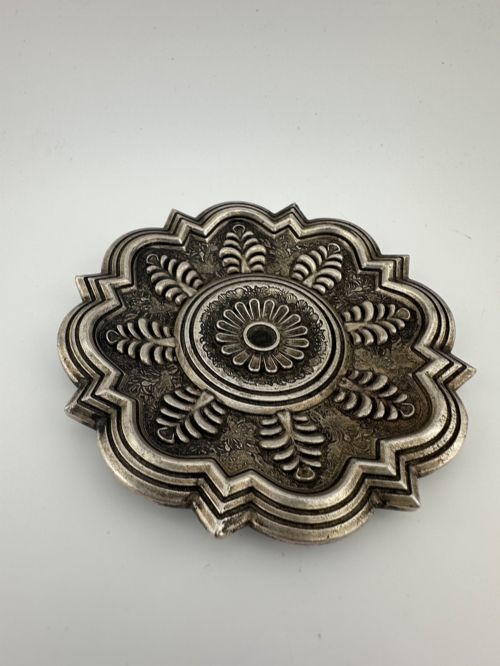
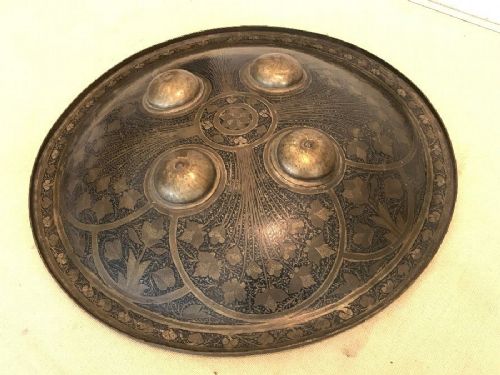
Makers utilised a range of metals including copper, brass, bronze, cast iron, and white metal, frequently combining them with coloured enamels, paint, or precious metal inlay. Repoussé and engraving methods allowed artisans to hammer and chisel intricate depth into copper and brass chargers.
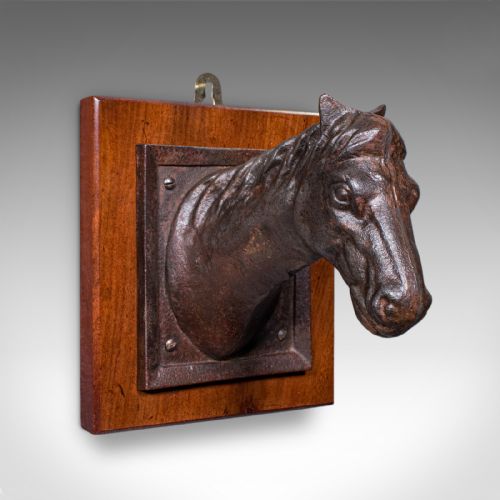
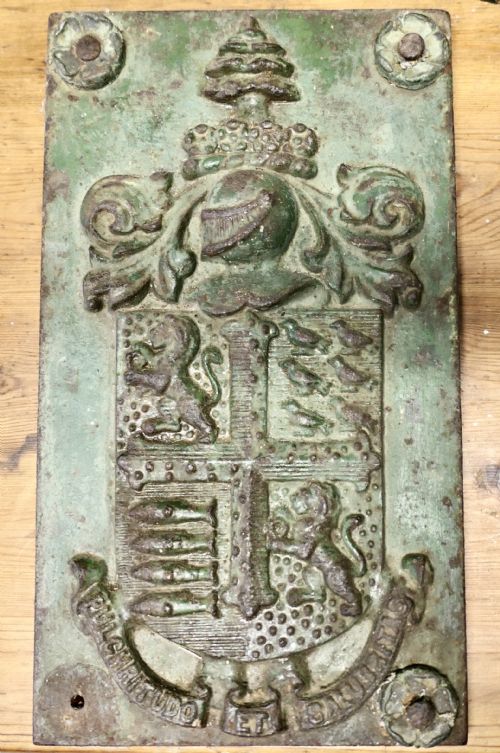
Cloisonné enamel pieces involve soldering fine wire compartments onto a metal base before filling them with glass paste and firing, creating complex pictorial surfaces. Cast iron and bronze examples rely on moulds to achieve sharp relief portraits and heraldic crests.
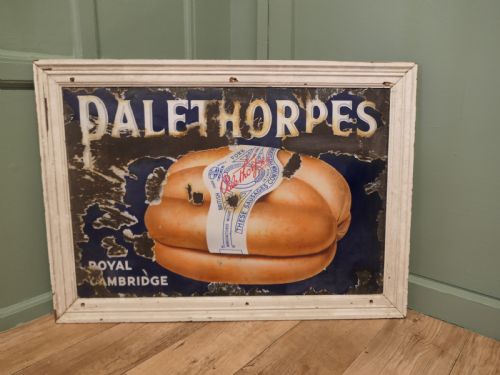
Palethorps Royal Cambridge sausage signs remind us that Edwardians liked their breakfast meats advertised in heavy enamel.
Assessing the Workmanship
The distinction between standard commercial output and superior craftsmanship rests on the crispness of the chasing, the depth of the repoussé work, and the precision of the inlay. Hand-engraved detail and signed portrait plaques demonstrate individual artistry that separates mass-produced items from masterworks.
In enamelled pieces, the control of the firing process and the subtlety of the colour gradations determine the success of the surface. Well-preserved patination and intact structural mounting hardware further define the integrity of surviving wall plaques.
The Antique Metal Plaque Glossary
- Repoussé
- A metalworking technique where an artisan hammers a design from the reverse side to form a raised relief on the front. This method gives copper and brass chargers their dimensional pictorial scenes.
- Cloisonné
- An ancient enamel technique involving metal wires soldered to a base to create cells filled with coloured glass paste. Japanese pieces from the Meiji period frequently employ this detailed method.
- Cairo Ware
- Metalwork originating from Egypt, typically brass inlaid with silver and copper to form dense Islamic geometric and calligraphic motifs. These decorative vessels and chargers were popular in the late nineteenth century.
- Takazōgan
- A Japanese inlay technique producing high-relief decorative elements on metal surfaces. It appears on nineteenth-century metalwork alongside gold and silver detailing.
- Jardinière
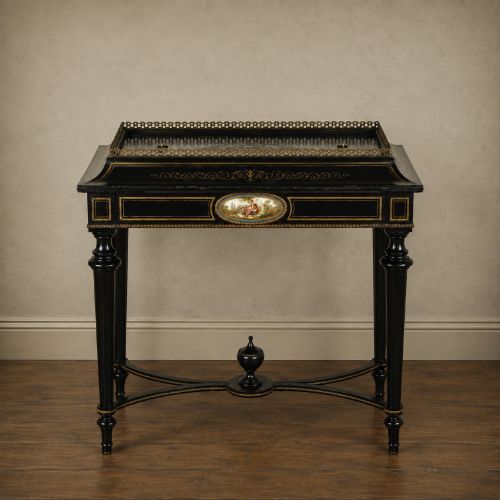
- An ornamental pot or stand designed to hold plants, occasionally decorated with inset porcelain or metal plaques. French examples often incorporate ebonised wood frames.
Antique Metal Plaque: Frequently Asked Questions
How do I hang a heavy iron plaque?
Heavy iron and cast metal plaques require secure wall anchors and load-bearing fixings screwed directly into masonry or studs. Because these pieces carry substantial weight, relying on standard picture wire is insufficient.
Ensure the mounting bracket engages firmly with the rear hanging loops or integrated flanges provided on the plaque to prevent accidental displacement.
How should I clean antique copper?
Antique copper and brass surfaces generally benefit from minimal intervention to preserve their natural patination. Dust them gently with a dry, soft cloth rather than applying aggressive chemical polishes.
Removing the historic darkening or verdigris can diminish the visual character and historical integrity of engraved or repoussé pieces.
What is Meiji period cloisonné?
Meiji period cloisonné represents Japanese enamelwork produced between eighteen sixty-eight and nineteen twelve, known for exceptional technical precision. Artisans used microscopic wire outlines to contain vibrant enamel colours depicting birds, flowers, and dragons.
These chargers and trays showcase some of the finest controlled firing and polishing achievements in Asian metal arts.