

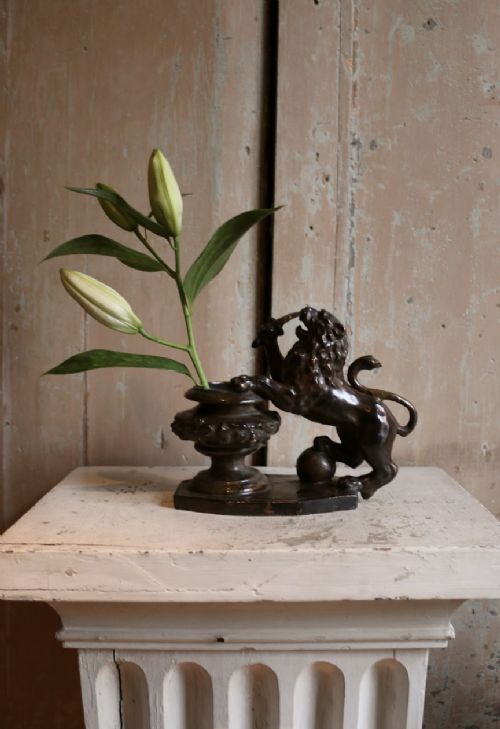


Antique Metal Lion Sculpture
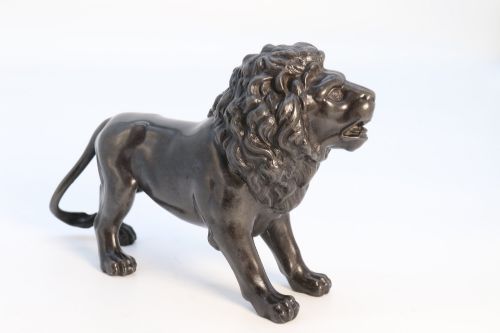
An antique metal lion sculpture brings weight and presence to a room, cast in bronze, iron, brass or pewter across periods from the seventeenth century to the twentieth.
Antique Metal Lion Sculpture
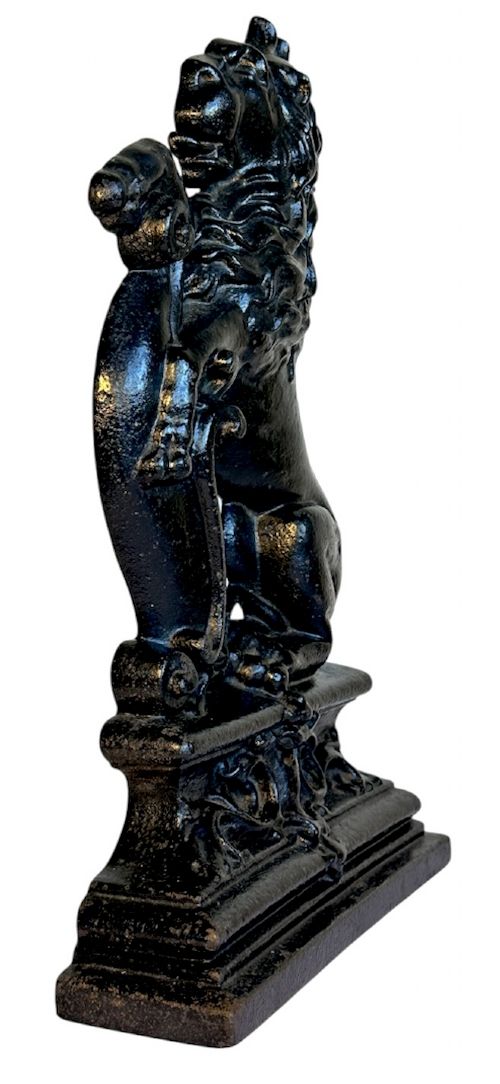
When you search for an antique metal lion sculpture, you encounter a diverse array of forms ranging from grand architectural figures to functional items such as doorstops and inkwells. These pieces span the nineteenth century and the early twentieth century, drawing on neoclassical, Victorian, Baroque and Art Deco styles.
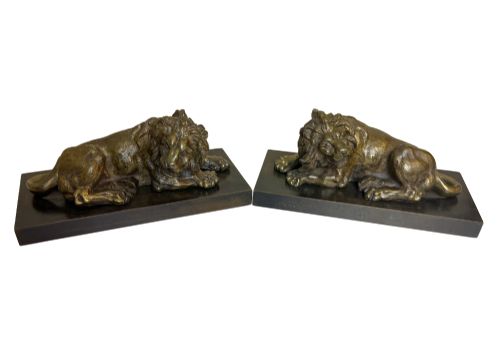
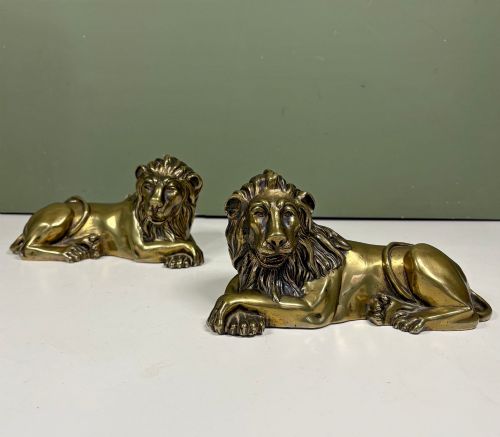
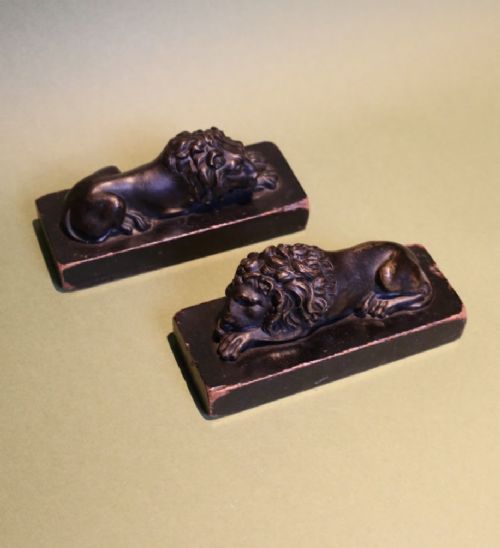
The most common examples on this page are bronze and cast iron figures, often modelled as pairs of resting or seated beasts, alongside specialised decorative objects like bookends and temple lions from various origins including England, France and Asia.
Materials and Construction
The construction of these sculptures relies heavily on casting methods utilising bronze, cast iron, brass, pewter and patinated metal, sometimes enhanced with cold-painting, gilding or black paint. Iron and bronze provide the necessary structural heft for both freestanding figures and utilitarian items like doorstops.
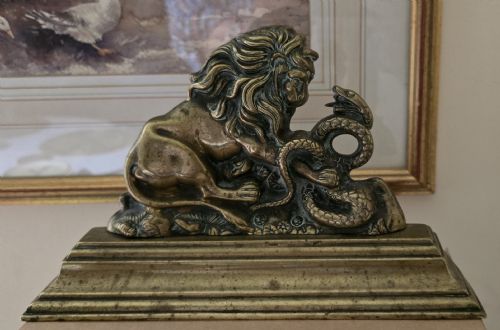
Makers employed skilled foundry techniques to capture muscular detail and texture, whether working with heavy cast iron for heraldic doorstops or finely patinated bronze for classical studies and animalier compositions.
Listings feature items spanning the seventeenth century through to the 1920s, utilising bronze, cast iron, brass, pewter and marble.
Distinctions in Quality
Quality in these metal sculptures depends primarily on the crispness of the casting and the sensitivity of the finishing work, which determines whether the musculature and facial expressions appear lifelike or schematic. Superior examples show careful attention to surface patination, whether through natural ageing, cold-painting or applied finishes.
The artistic provenance also influences standing, with works attributed to named workshops or documented sculptors displaying superior anatomical proportion and weight distribution compared to anonymous utility castings.
Franz Bergman·C Omin·Unno Shomin·Louis Riche
The Antique Metal Lion Sculpture Glossary
- Animalier
- A nineteenth-century artistic movement focused on the realistic depiction of animals, particularly predators in bronze. This style emphasises dynamic anatomy and natural behaviour.
- Canova Lions
- Sculptural models derived from the famous monumental figures created by Antonio Canova for the tomb of Pope Clement XIII. They typically appear in pairs as recumbent guardians.
- Cold-Painted Bronze
- A technique where bronze sculptures are painted with oil-based paints and left unheated, or heated gently, popular in Austrian workshops during the early twentieth century. This finish requires careful preservation to avoid flaking.
- Okimono
- A Japanese decorative object designed for display on a tokonoma alcove, encompassing finely detailed metal sculptures of animals and figures. These pieces reflect high levels of Meiji period craftsmanship.
- Temple Lion
- Stylized guardian figures traditionally placed at the entrances of sacred buildings, found in Asian metalwork including Tibetan and Burmese bronzes. They combine mythical attributes with fierce feline forms.
Antique Metal Lion Sculpture: Frequently Asked Questions
What were metal lion sculptures used for?
Many of these pieces served practical domestic functions alongside their decorative appeal, operating as heavy doorstops, sturdy bookends or desktop inkwells.
Larger versions functioned as architectural ornaments, heraldic displays over crests or guardian temple figures designed to protect an interior space.
How do I identify the period of a metal lion?
Dating relies on observing the casting style, material composition and associated decorative movements such as Neoclassical revival or Art Deco design.
Victorian and nineteenth-century pieces often display heavy cast iron or classical bronze patination, whereas early twentieth-century examples incorporate distinct finishes like cold-painting.
How do I care for antique bronze and iron?
Maintain these metal surfaces by dusting them gently with a dry, soft cloth to prevent particulate buildup without disturbing the underlying patina.
Avoid using abrasive cleaning agents, polishes or water, as these can strip historical finishes and damage cold-painted or patinated layers permanently.
Where were these metal sculptures made?
The pieces originate from diverse European foundries in England and France, reflecting domestic Victorian tastes and Grand Tour souvenirs from Italy.
Other examples stem from Asian traditions, including Japanese, Tibetan and Burmese workshops specialising in bronze and iron temple guardians.