


Antique Metal Hearthware
Antique metal hearthware brings together functional iron, brass, and copper pieces designed for the fireplace, ranging from coal scuttles to fire dogs.
Antique Metal Hearthware
Antique metal hearthware encompasses a variety of practical fireplace accessories utilised for heating and cooking in past centuries. Buyers searching this phrase encounter items spanning the seventeenth to the twentieth centuries, reflecting changing domestic habits around the hearth.
The most common forms on this page are copper coal scuttles, brass warming pans, and iron fire dogs. These pieces originate from Georgian, Victorian, and Arts and Crafts periods, showing English Country and Continental influences.
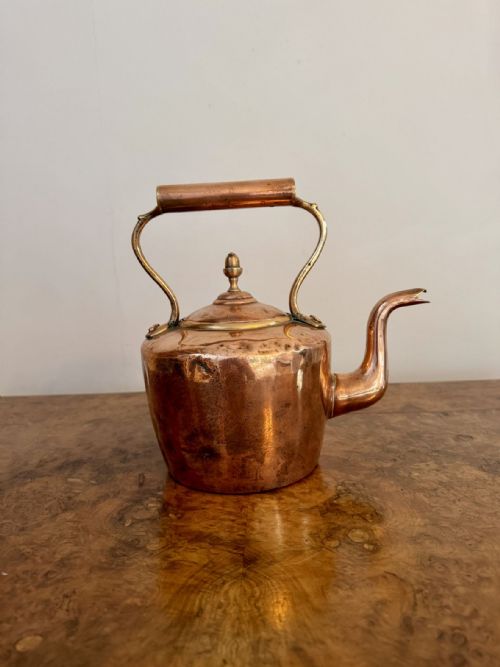
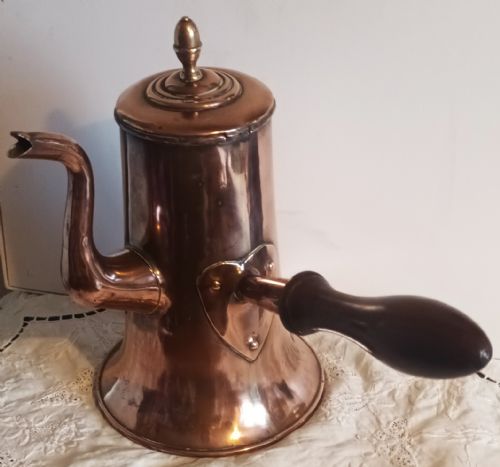
Vessels such as kettles, coffee pots, and cauldrons also appear within these listings, demonstrating the overlapping uses of metalware near the fire. Each object served a direct purpose in managing solid fuel and warmth before modern central heating.
Materials and construction methods
The primary metals seen in these listings are copper, brass, wrought iron, and steel, often paired with wooden handles in oak. Makers utilised sheet copper for vessels and coal scuttles, shaping the metal by hand and joining seams with rivets.
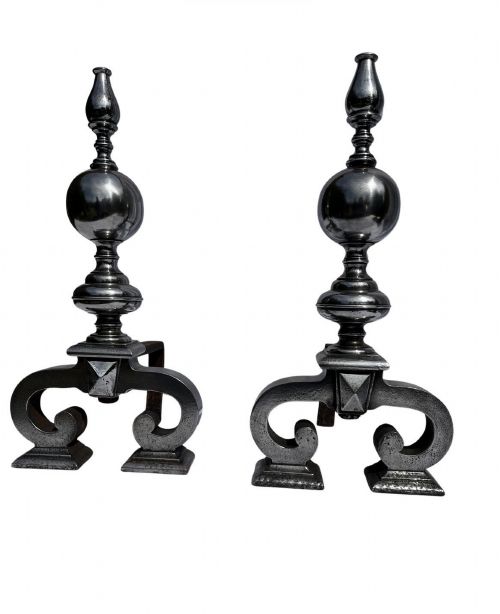
Iron and steel fire dogs and andirons required forging and shaping by blacksmiths to support heavy logs within open hearths. Brass components were frequently cast or polished, adding decorative contrast to the darker ironwork.
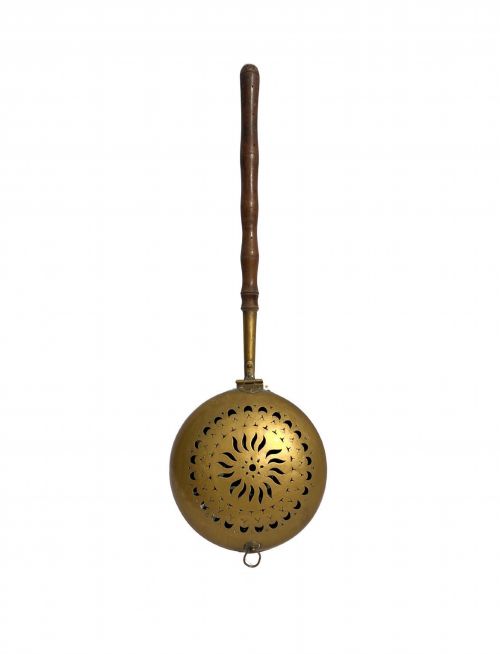
Chestnut roasters appear alongside bed warmers, proving that past households took equal care in heating their toes and their snacks.
Distinctions in quality and finish
Quality in these pieces rests upon the integrity of the metalwork and the preservation of original fixings, such as hand-forged joints and turned wooden handles. Items displaying heavier gauge metals and careful assembly command greater interest.
Ornate detailing, such as the elaborate casting seen on Victorian fire dogs or the precise shaping of Georgian helmet scuttles, separates standard utility items from finer examples. Patina accumulated through age also contributes to the visual depth of the metal surfaces.
John Linwood of Birmingham
The Antique Metal Hearthware Glossary
- Andirons
- Supports for logs in an open fireplace, also known as fire dogs. They usually feature decorative horizontal billets raised on legs.
- Coal Scuttle
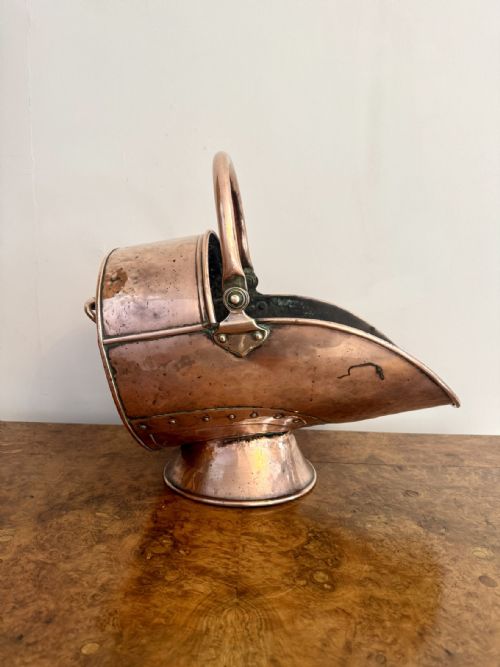
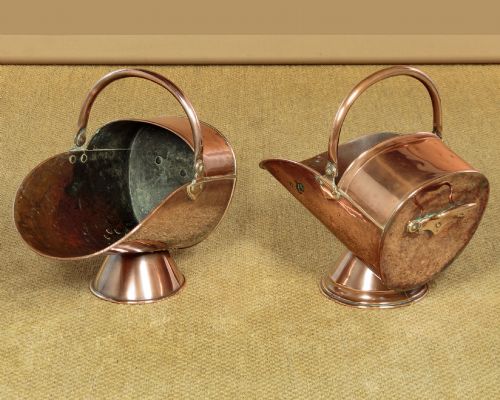
- A container designed for holding and transporting coal to the fire. Examples often take a helmet shape with a sturdy handle for pouring.
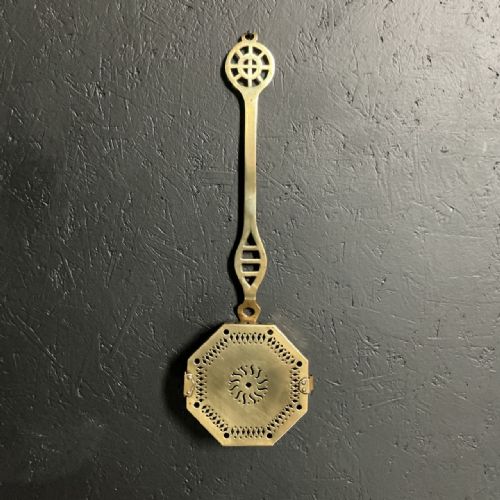
- Warming Pan
- A long-handled pan filled with hot embers to warm bedsheets prior to sleeping. These typically feature hinged brass lids with engraved decoration.
- Spit Jack
- A mechanical device used to turn meat over an open fire. These mechanisms often utilised weight-driven clockwork systems to maintain a steady rotation.
Antique Metal Hearthware: Frequently Asked Questions
What is antique metal hearthware?
Antique metal hearthware refers to functional and decorative objects made from copper, brass, iron, and steel that were used around the fireplace. These include items for managing fuel, warming beds, and cooking.
Such pieces date from the seventeenth century through to the Edwardian era, reflecting the shifting domestic technologies and interior styles of those periods.
How were copper coal scuttles used?
Copper coal scuttles were utilised to store coal near the fireplace and transport it safely to the hearth for refueling. Their helmet shapes and hinged handles allowed for controlled pouring.
Households kept them visible in reception rooms, meaning makers often focused on polished copper finishes and brass mounts to suit domestic interiors.
How do I care for brass and copper?
Maintaining brass and copper hearthware involves dusting regularly and occasionally cleaning the surface to preserve the metal without stripping away the historic patina. Many collectors prefer to leave oxidation untouched.
Harsh chemical abrasives should be avoided, as gentle handling protects the original tool marks and finishes achieved by past makers.
How do I identify a Georgian coal scuttle?
Georgian coal scuttles typically display hand-beaten copper construction with riveted seams and simple, robust proportions. They predate the more heavily ornamented Victorian styles.
Details such as dovetail joints, wrought iron handles, and plain surfaces help distinguish these eighteenth-century pieces from later reproductions.