


Antique Rustic Metalware
Antique rustic metalware brings tactile warmth and utilitarian craft into modern spaces through enduring copper, brass, iron and pewter forms.
Antique Rustic Metalware
When you search for antique rustic metalware, you encounter sturdy domestic utensils and hearth implements spanning the eighteenth and nineteenth centuries. These pieces encompass Georgian and Victorian utility objects shaped from copper, brass, iron and pewter for daily household use.
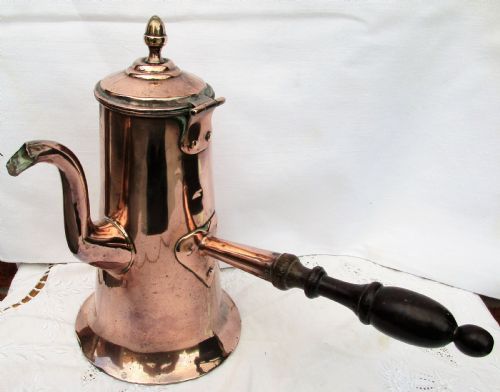
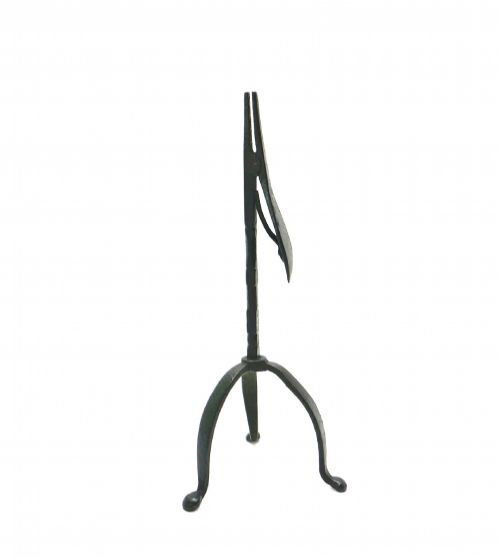
The selection on this page centres heavily on kitchen and hearth equipment, including copper kettles, jugs, pitchers, warming pans, and chargers. You will also find specialised lighting devices such as wrought iron rushlight holders alongside large brass pans and Italian wine cisterns.
Origins span English country workshops as well as occasional continental examples, reflecting the practical domestic requirements of past centuries. Most surviving items date from the Georgian and Victorian eras, demonstrating robust construction designed for heavy daily service.
Markers of quality
Quality in these utilitarian items rests upon the weight of the metal, the integrity of the original joints, and the retention of honest surface patination. Heavier gauge copper and thick pewter plates indicate robust original manufacture meant for enduring utility.
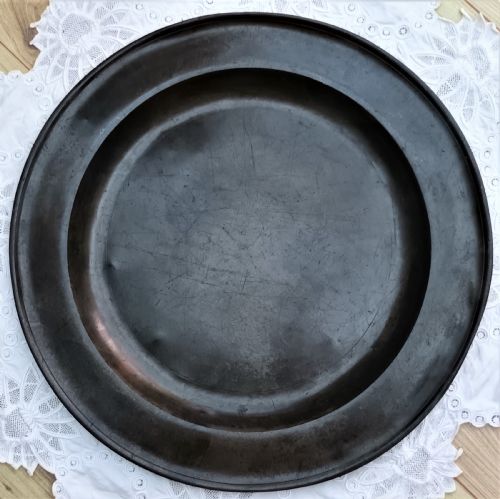
The presence of maker marks, such as touchmarks on pewter chargers, elevates an object's historical interest and confirms its attribution. Unaltered handles, original detachable wooden grips, and minimal repair work distinguish superior surviving examples from heavily restored pieces.
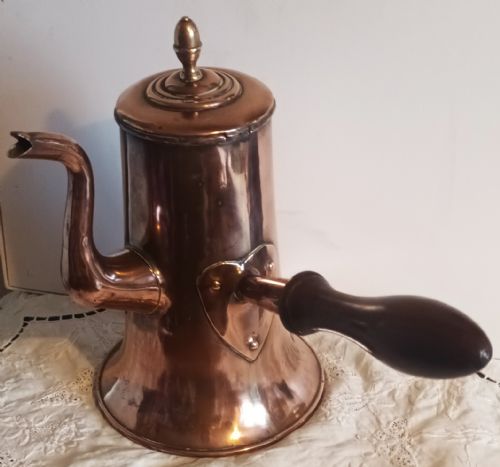
Object forms include kettles, jugs, warming pans, chargers, coffee pots and tripod rushlight holders.
John Duncomb
The Antique Rustic Metalware Glossary
- Charger
- A large circular plate or dish, typically cast in pewter during the eighteenth century for dining or display.
- Rushlight holder
- A spring-action iron stand designed to grip a rush dipped in fat for domestic illumination.
- Wine cistern
- A large vessel, such as an eighteenth-century Italian example in copper, utilised for chilling bottles.
- Warming flask
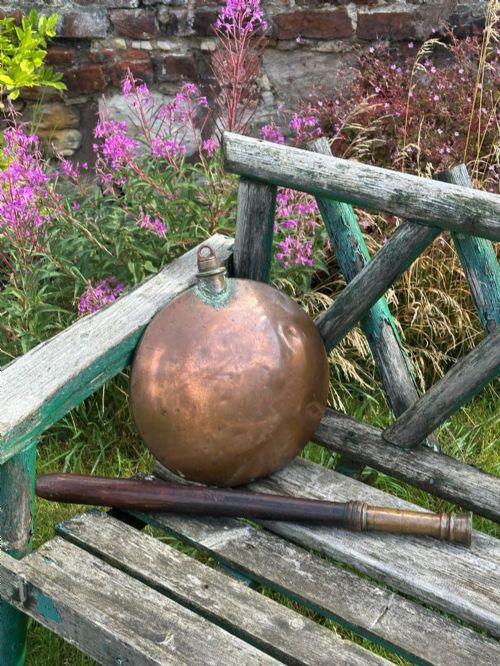
- A container, often moon-shaped in copper, filled with hot water to warm beds or rooms.
Antique Rustic Metalware: Frequently Asked Questions
What is antique rustic metalware?
Antique rustic metalware comprises utilitarian household objects shaped from copper, brass, iron and pewter during the eighteenth and nineteenth centuries. These domestic items include kettles, jugs, pans, chargers and early lighting devices.
They reflect the practical demands of Georgian and Victorian kitchens and hearths, surviving today through sturdy craftsmanship and durable materials.
How were copper kettles used?
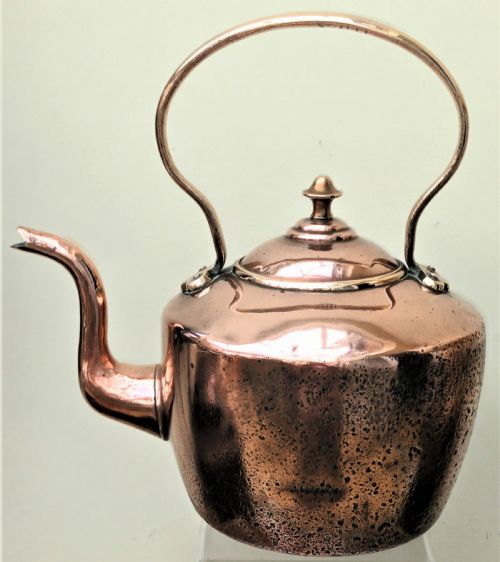
Copper kettles served as essential equipment for heating water over open hearths or coal ranges in Georgian and Victorian households. Their heavy construction allowed them to withstand daily exposure to direct heat.
Many featured sturdy iron handles or detachable wooden grips for safe transport around the busy kitchen.
How do I care for antique metal?
Care involves maintaining the stable environment of the metal and preserving its natural surface patination over time. Regular gentle dusting prevents grime accumulation without stripping historic surfaces.
Avoid harsh chemical cleaning agents that remove the aged character accumulated over centuries of use.
How do I identify Georgian metalware?
Georgian metalware is identified through period construction methods, such as hand-hammered copper seams, heavy gauge pewter casting, and specific handle designs. Stylistic cues often match eighteenth-century domestic forms.
Maker touchmarks or specific historical proportions also help determine whether a piece belongs to the Georgian era.