

Antique Metal Flowers
These antique metal flowers and botanical vessels bring enduring plant forms into interior spaces through bronze, copper, brass, and iron work.
Antique Metal Flowers
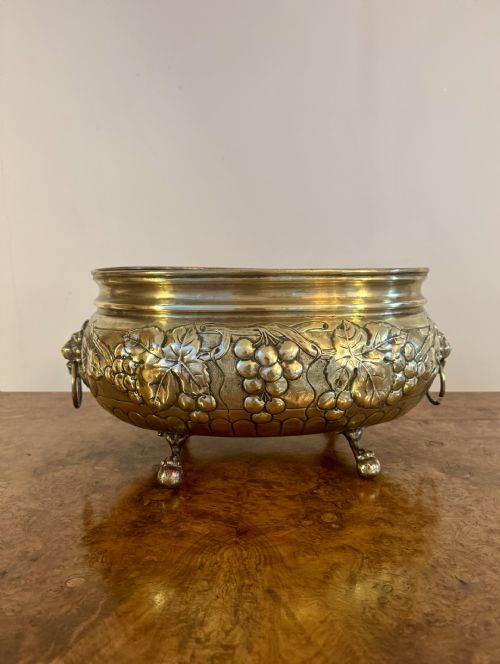
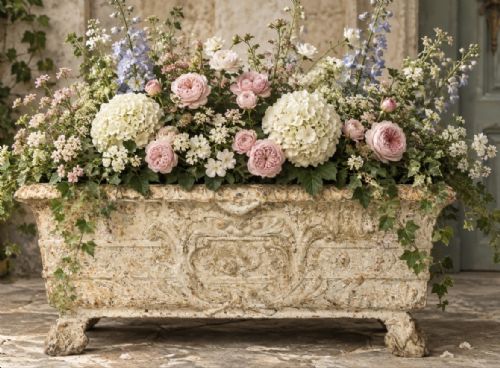
When you search for antique metal flowers, you encounter a varied assembly of horticultural vessels, sculptural holders, and lighting fixtures shaped by botanical motifs. The category spans jardinieres, plant stands, vases, and chandeliers created across the nineteenth and early twentieth centuries.
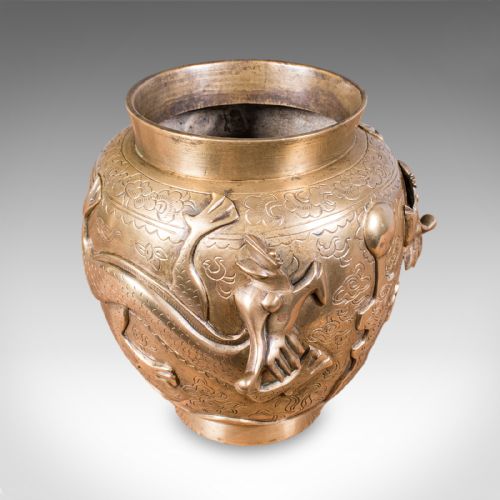
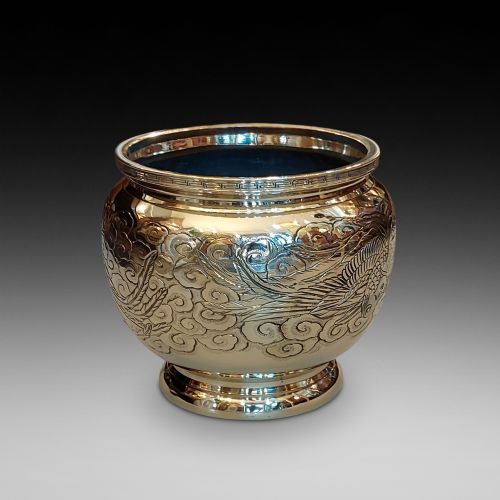
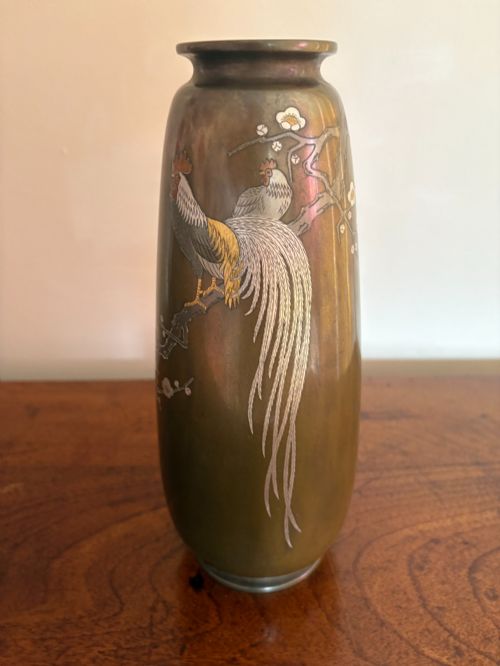
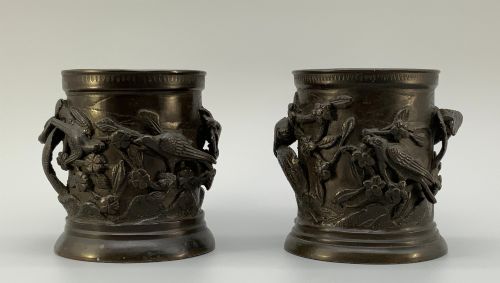
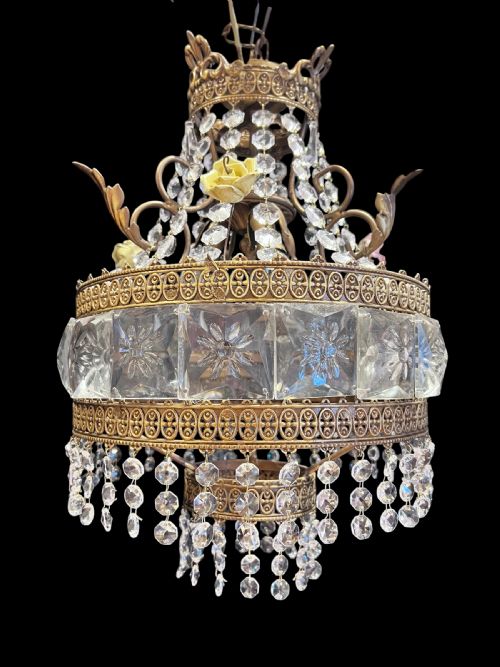
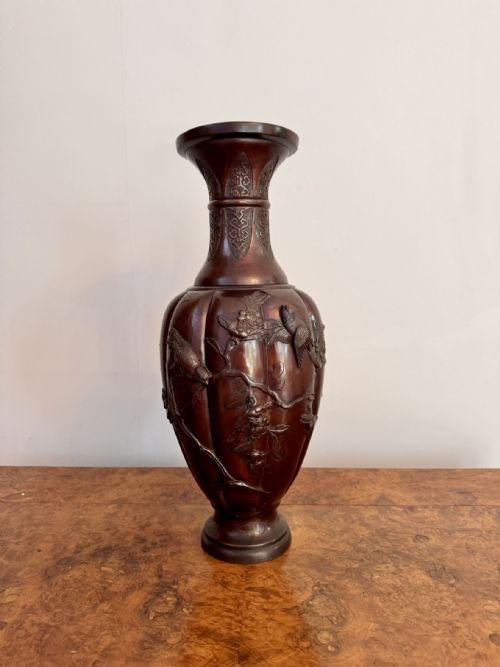
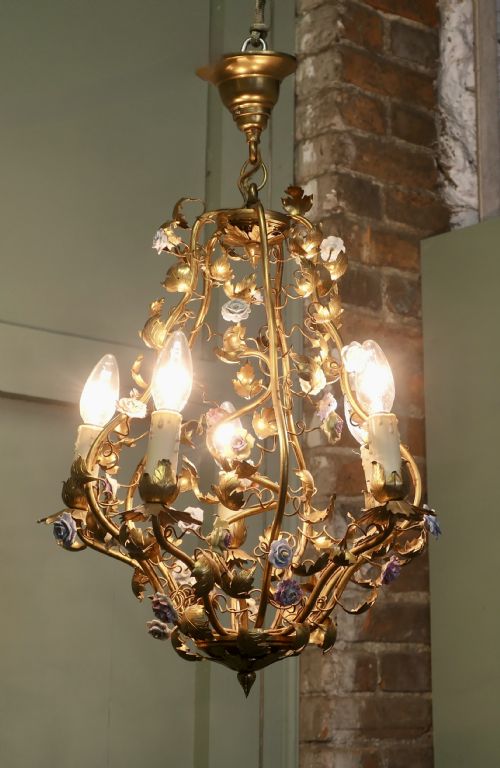
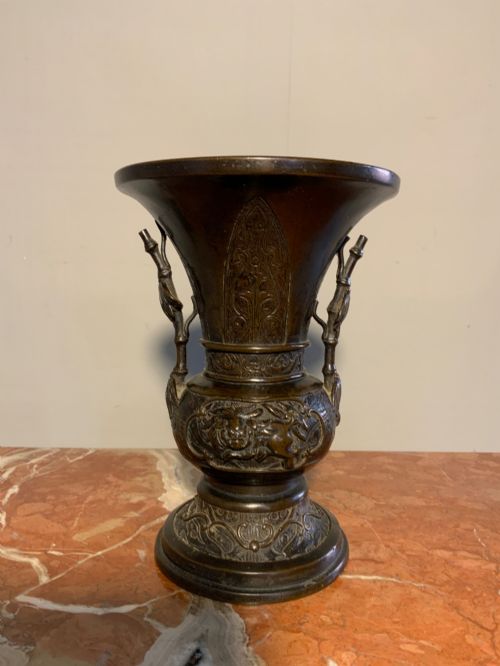
On this page, you are most likely to meet pieces cast, hammered, or forged in bronze, copper, and brass. These objects frequently display forms inspired by organic growth, ranging from Japanese Meiji period bronze vases decorated with birds and blossom to French Toleware chandeliers set with ceramic flowers.
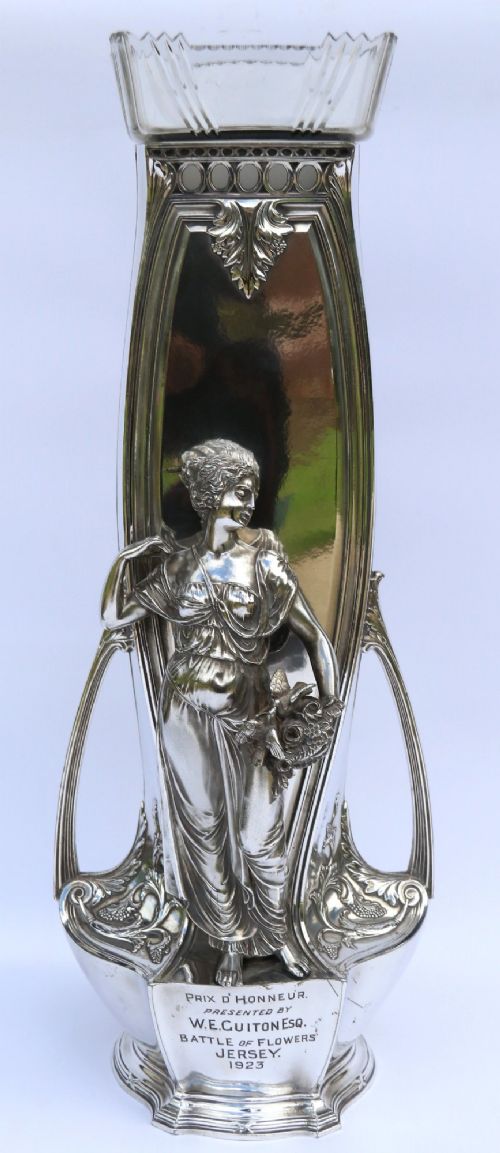
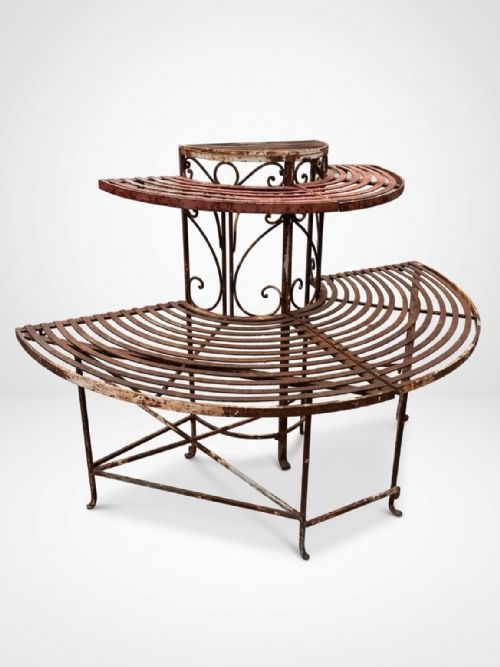
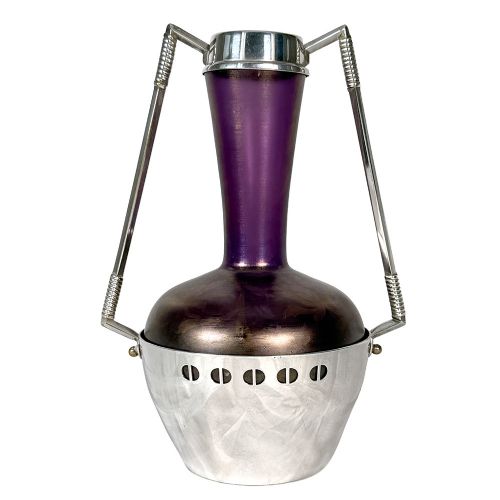
The materials reflect the tastes of distinct periods, including Victorian cast iron planters, Arts and Crafts copper rose bowls, and Art Nouveau flower holders. Each item serves either to display living greenery or to render floral shapes permanent in metal.
How they were made
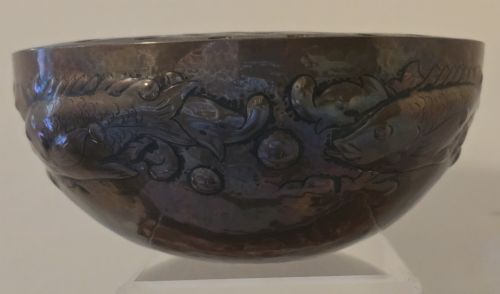
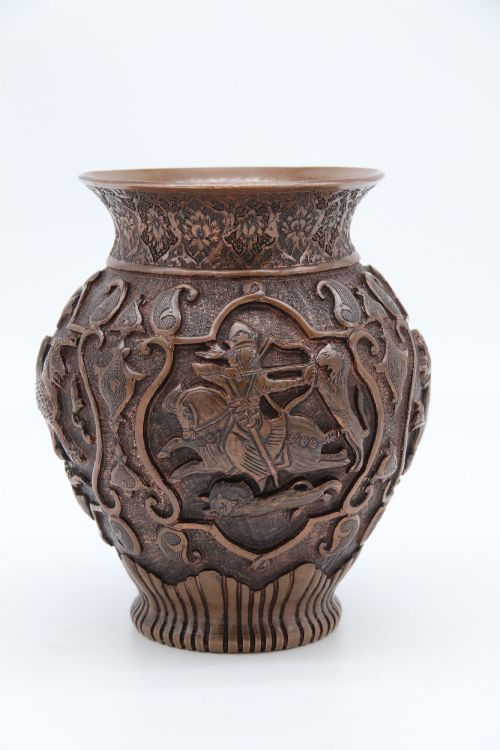
Metalworking techniques define these pieces, relying heavily on casting, repoussé work, and hand-hammering. Copper and brass items often show the hand-raised surfaces and riveted construction characteristic of the Arts and Crafts movement, alongside repoussé decoration pushed from the reverse to form floral patera and relief motifs.
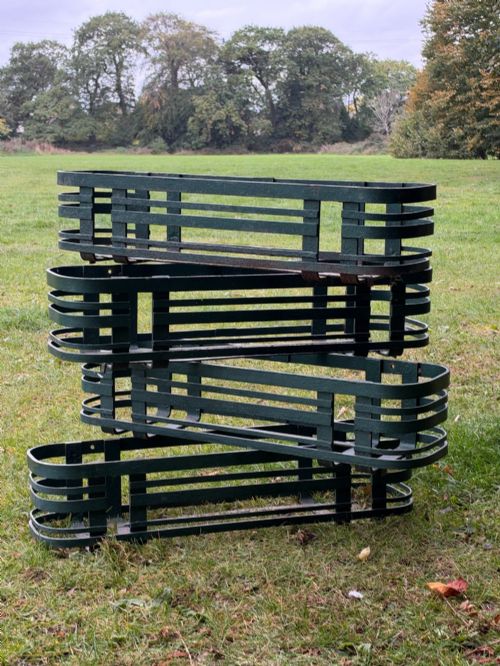
Bronze and cast iron objects utilise traditional foundry casting, yielding substantial jardinieres and plant stands with crisp scrollwork and lattice baskets. Artisans incorporated enamel cloisonne, paint, and gilt bronze details to add colour and texture to the metallic structures.
Makers frequently combined metal with other media such as porcelain, glass, and wood. Chandeliers and wall lights integrate ceramic flowers, crystal drops, and gilt brass arms, while plant stands pair iron or brass frameworks with wooden or ceramic containers.
Antique Metal Flowers Retail Price Guide 2026
Typical asking prices for metal flowers among the pieces listed under this phrase on Sellingantiques today, from the lower quarter to the upper quarter. They describe what is for sale here now, not the wider market.
The selection includes Japanese Meiji period bronze vases alongside Arts and Crafts copper work from Newlyn and Keswick.
What varies in quality
Quality in these botanical pieces rests on the crispness of the modelling and the finesse of the surface finish. Fine bronze and brass vessels display sharp relief in motifs such as dragon panels or bird and blossom scenes, whereas lesser examples show softened edges from worn moulds.
The integrity of the construction distinguishes superior items from ordinary production. Hand-be hammered copper with clean riveting and substantial gauge metal sits at the upper end of the range, contrasting with lighter stamped sheet metal that lacks structural weight.
Surface patination and the application of decorative details such as cloisonne enamel or polychrome paint further separate the work. Skilled hand-finishing produces depth in patination and precise alignment in applied decorative elements.
KANASAWA·Henri Godet·Coalbrookdale·Newlyn·Keswick
The Antique Metal Flowers Glossary
- Jardiniere
- An ornamental pot or stand for holding flowers or plants, commonly manufactured in copper, brass, ceramic, or cast iron during the nineteenth and early twentieth centuries.
- Repousse
- A metalworking technique where the artisan hammers metal from the reverse side to create a raised design in relief on the front.
- Patera
- A circular decorative motif resembling a shallow classical libation bowl, frequently stamped or cast onto furniture and metalwork.
- Cloisonne
- An ancient technique for decorating metalwork objects with coloured glass paste placed within compartments defined by thin strips of metal.
- Toleware
- Lacquered or enamelled sheet metalware, often painted with polychrome floral designs, popular in lighting and decorative items.
Antique Metal Flowers: Frequently Asked Questions
How do I identify Arts and Crafts copper?
Arts and Crafts copper pieces typically display visible hammer marks, hand-raised forms, and riveted construction. Workshops such as those in Newlyn and Keswick produced items like rose bowls and twin-handled vases that celebrate manual labour.
These objects often feature simple, robust silhouettes decorated with repoussé floral motifs or plant forms. The metal is usually heavier and more tactile than mass-produced factory items from the same era.
What is a Toleware chandelier?
A Toleware chandelier is a lighting fixture made from painted or lacquered sheet metal, frequently incorporating ceramic or metal flowers. French examples from the early twentieth century often utilise polychrome finishes and gilt accents.
They were designed to bring soft illumination and permanent botanical decoration to reception rooms. The combination of painted metal leaves and glass or ceramic blooms creates a distinctive rustic elegance.
How were Japanese Meiji bronzes used?
Japanese Meiji period bronzes served primarily as display vases, bouquet pots, and jardinieres for floral arrangements. Artisans employed intricate casting and inlay techniques to depict natural subjects like birds, blossom, and geese.
Imported into Western homes during the late nineteenth century, these objects satisfied a strong demand for Oriental craftsmanship. They function as sculptural focal points whether displayed empty or holding stems.