


Antique Metal Flower Vase
An antique metal flower vase brings weight and distinct craftsmanship to a room, offering a durable vessel for stems that carries decades of decorative history.
Antique Metal Flower Vase
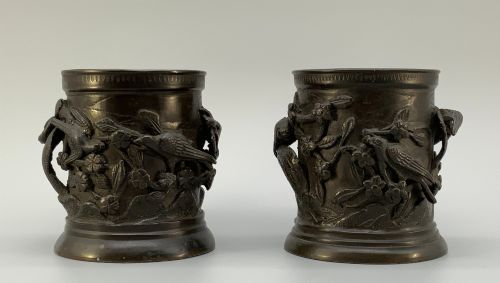
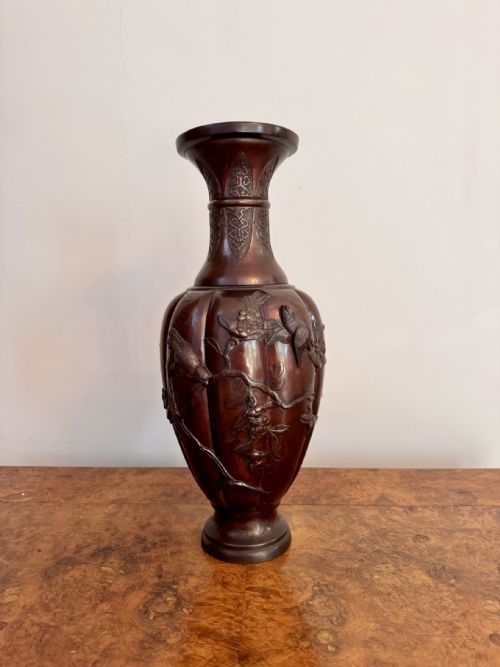
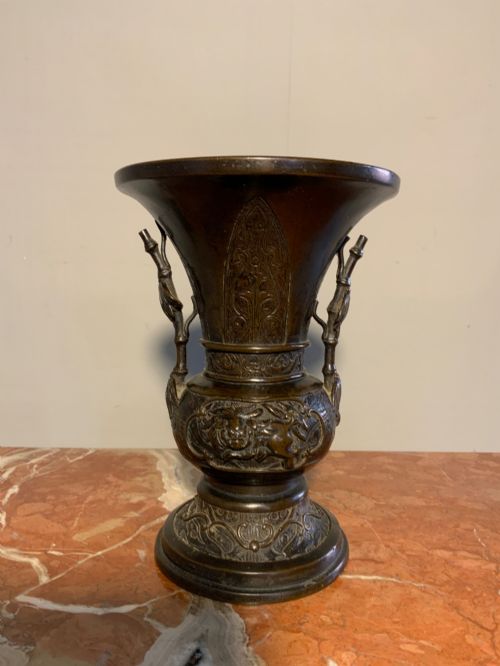
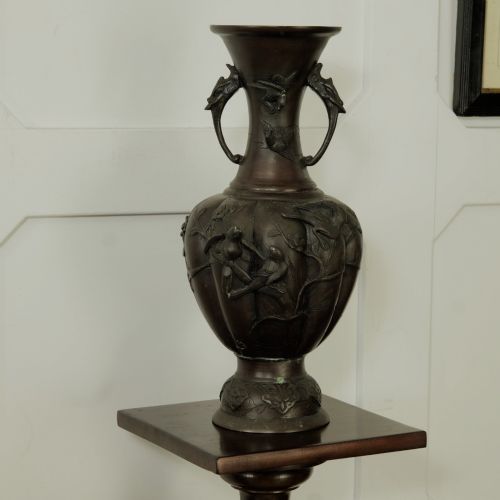
When searching for an antique metal flower vase, buyers encounter a diverse selection spanning the nineteenth and early twentieth centuries, with a strong representation of Japanese Meiji period bronzes. These pieces range from compact stem vases and posy holders to large decorative urns, centrepieces, and jardinieres created in various global workshops.
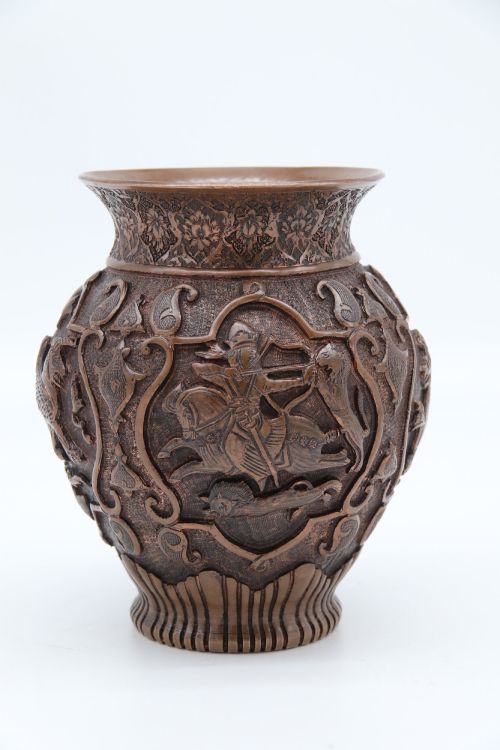
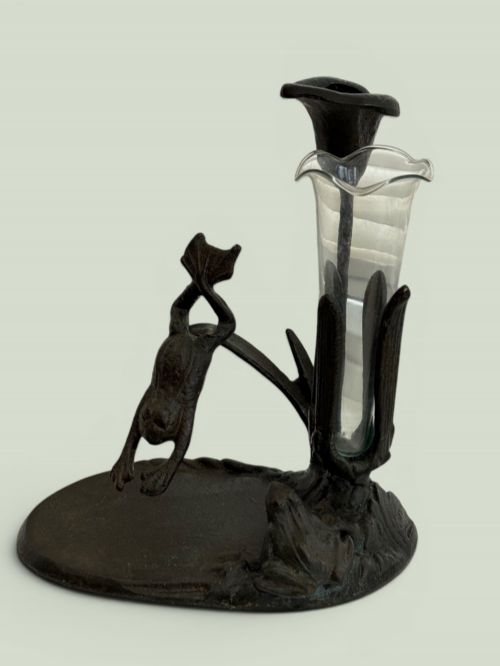
The objects frequently display distinctive regional styles, including European Art Nouveau and Arts and Crafts designs alongside intricate Eastern metalwork. Buyers are most likely to meet bronze and copper vessels decorated with flora, fauna, and geometric motifs typical of the Victorian and Edwardian eras.
How they were made
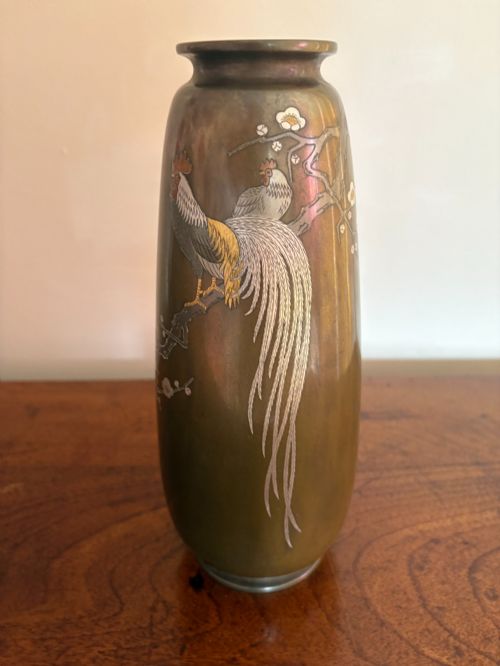
Artisans utilised casting, repoussé, and hand-chasing techniques to shape metals such as bronze, copper, and brass into complex forms. Many examples incorporate mixed metals, applied patination, or detailed surface carving to build texture and depth.
Enamel work and silver wire cloisonné appear frequently on select vessels, fusing coloured glass pastes to metal foundations through careful firing. These methods combine structural solidity with refined surface ornamentation.
The inventory includes specialised forms such as twin-handled vases, posy pots, tygs, epergnes, and large table centrepieces.
What varies in quality
Quality rests in the crispness of the chased details, the deliberate control of patination, and the balance of the form. Superior examples demonstrate precise handwork where decorative elements integrate seamlessly into the metal body.
Lesser items show mechanical repetition or loss of definition in surface relief. The distinction lies in the mastery of the artisan, visible in the handling of mixed metals and the integrity of the finish.
KANASAWA·Ando Jubei·Tamura Yukio·Jean Dunand·Kayserzinn
The Antique Metal Flower Vase Glossary
- Cloisonne
- Enamelling technique where thin metal wires form compartments on a metal surface to hold coloured glass paste. The piece is then fired and polished smooth.
- Repousse
- Metalworking method where the artisan hammers the design from the reverse side to form a raised pattern on the front. Fine details are subsequently refined from the exterior.
- Patination
- The surface coloration developed naturally through age or applied artificially by chemical treatment on metals like bronze and copper. It protects the material and adds visual depth.
- Jardiniere
- An ornamental pot or stand designed to hold growing plants or large floral arrangements. These vessels often sit on tables or floor pedestals as centrepieces.
Antique Metal Flower Vase: Frequently Asked Questions
How do I clean an antique metal vase?
Dust the surface gently with a soft, dry cloth to prevent accumulation. Avoid abrasive polishes that might strip the historic patination or damage delicate enamel work.
Water should be used cautiously inside unlined vessels to prevent corrosion. For pieces with historic finishes, professional guidance ensures proper preservation.
What periods do these metal vases represent?
The selection covers items primarily from the Victorian and Edwardian eras, extending through the late nineteenth century and into the 1920s and 1930s. Japanese Meiji period production heavily influences the available bronzes.
European Art Nouveau and Arts and Crafts movements also contribute distinct aesthetics to the inventory. Each era brings specific casting methods and decorative motifs.
Were these vases meant for actual flowers?
Many of these vessels functioned as decorative centrepieces, display urns, or posy vases designed to hold cut stems. Larger jardinieres served to house potted plants within domestic interiors.
Some delicate cloisonné or heavily chased pieces served purely as decorative display objects rather than functional water holders.
How can I tell Japanese Meiji bronzes apart?
Meiji period bronzes often feature intricate mixed metal inlay, high-relief flora and fauna, and signatures or maker marks on the base. The casting demonstrates exceptional precision in rendering naturalistic details like birds and blossom.
Comparing the depth of the chased decoration and the quality of the patination helps identify superior workshop origins from that era.