




Antique Metal Fire Fender
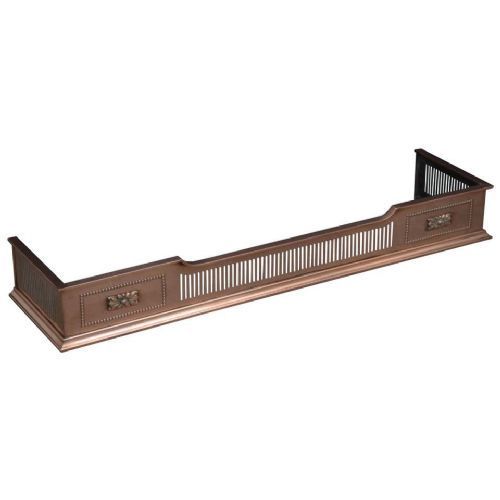
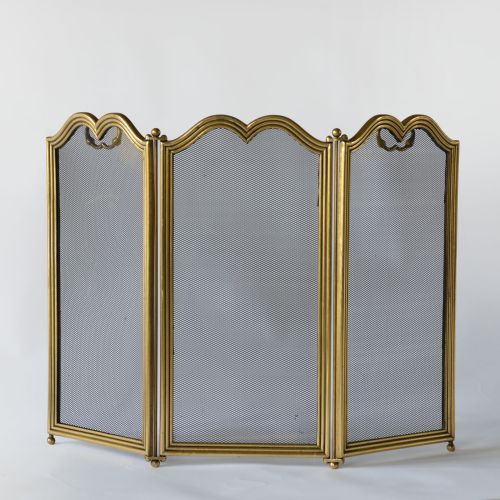
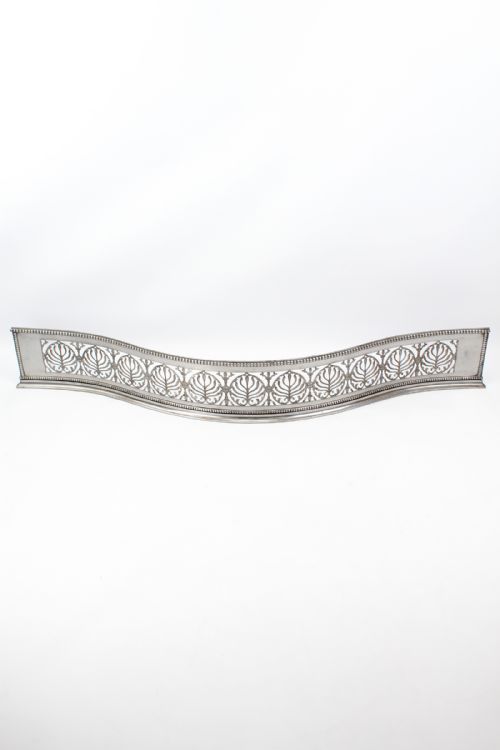
An antique metal fire fender frames the hearth to keep stray coals in place, bringing period weight and structure to a fireplace.
Antique Metal Fire Fender
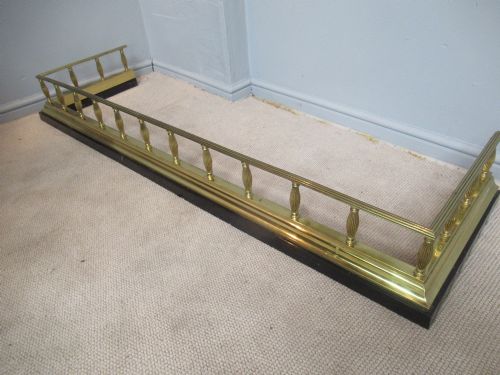
An antique metal fire fender sits directly on the hearth floor around the base of a fireplace. These domestic barriers serve to retain burning embers and hot ashes while defining the perimeter of the hearth.
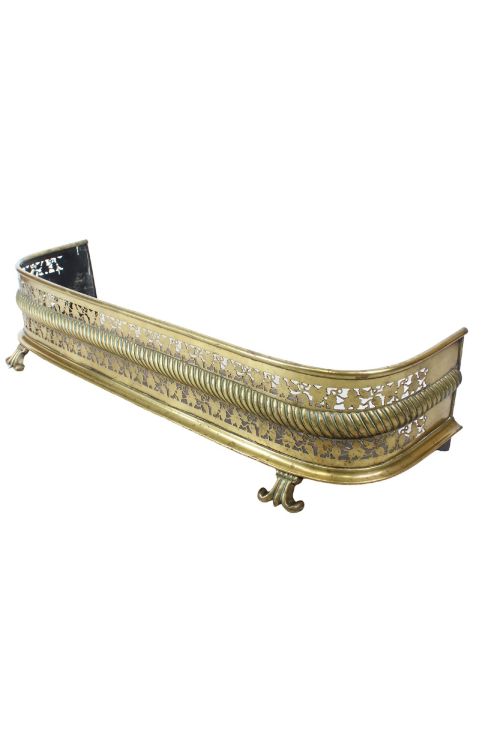
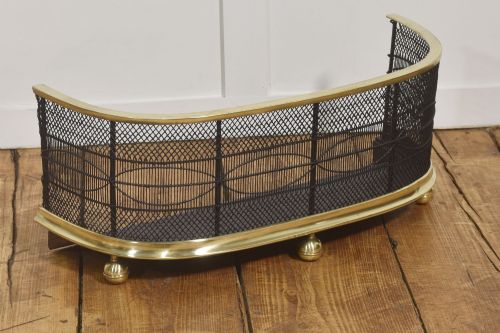
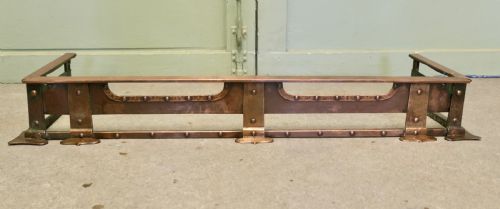
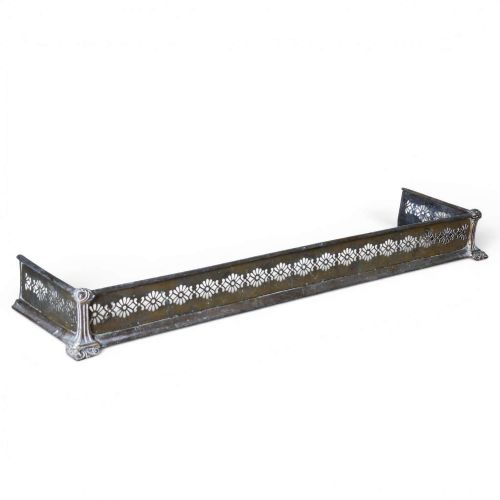
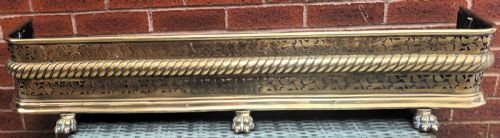
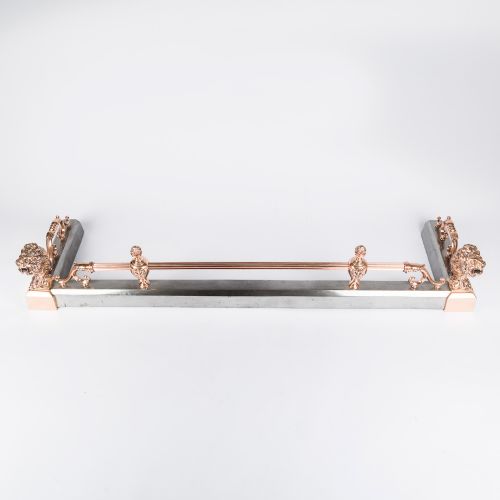
The selections span from strict Georgian steel designs and Victorian pierced brass to flowing Edwardian copper styles. Buyers encounter low serpentine kerbs, club versions fitted with upholstered seats, and tall wirework nursery guards.
Originating largely from British and French workshops, these hearth accessories reflect the changing domestic priorities of the eighteenth, nineteenth, and early twentieth centuries. Every piece carries the material heft and functional purpose dictated by its original fireside role.
Judging Quality and Execution
Superior examples distinguish themselves through crispness of metalwork, such as sharply engraved steel mouldings and finely pierced brass galleries. The weight of the gauge used and the precision of the joinery mark the difference between standard domestic output and exceptional workshop production.
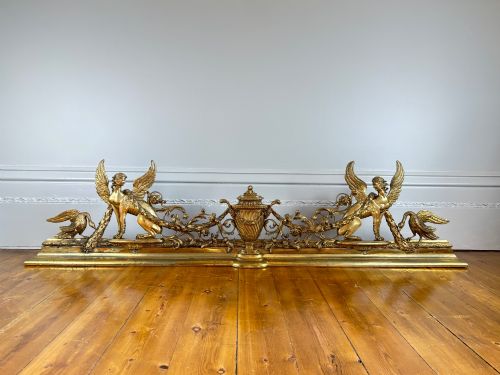
The integrity of surface patination and the survival of original decorative elements, including applied brass lions or detailed bronze castings, elevate a piece. Lesser items often display heavy wear without compensating fineness in design or structural robustness.
E F Caldwell New York·George Bullock
The Antique Metal Fire Fender Glossary
- Kerb
- The low metal barrier that surrounds the fireplace hearth. It forms the primary frame of the fender.
- Club fender
- A low-seated hearth surround featuring upholstered leather pads. This form allows people to sit close to the fire.
- Nursery fender
- A tall wire mesh or iron guard designed to protect children and rooms from stray sparks. These often include integrated clothes rails.
- Serpentine
- A sweeping, undulating front shape characteristic of finer Georgian and later metalwork. This curved profile softens rigid hearth lines.
- Patera
- A circular ornamental bas-relief resembling a classical libation dish. Makers frequently applied these motifs to copper and brass friezes.
Antique Metal Fire Fender: Frequently Asked Questions
What is a club fender?
A club fender is a specialised hearth surround featuring upholstered leather seats built into the metal frame. This design allows individuals to sit directly beside the fire.
Originating in country houses, these pieces combine metal structural bases with comfortable seating pads.
How do I measure for a fender?
Measure the width and depth of your fireplace opening and hearth stone to ensure the kerb sits securely in place. Leave adequate clearance for fire tools and hearth rugs.
Take measurements across the floor where the metal base will actually rest rather than relying on mantel dimensions.
Are nursery fenders safe for modern use?
Nursery fenders provide a physical barrier with wire mesh or iron bars to keep sparks and logs contained. They were originally built to protect children in domestic settings.
Buyers should check the stability of the mesh and frame to ensure structural soundness for contemporary fireside placement.
How do I tell Georgian from Victorian fenders?
Georgian examples often favour engraved, serpentine-fronted steel with restrained classical proportions. Victorian pieces frequently utilise pierced brass, heavy cast iron, and more ornate industrial detailing.
Examining the manufacturing marks, metal gauge, and decorative motifs helps identify the specific period of production.