


Antique Metal Dog Figurine
An antique metal dog figurine brings character and craftsmanship to a room, offering everything from small Vienna bronzes to heavy cast iron doorstops.
Antique Metal Dog Figurine
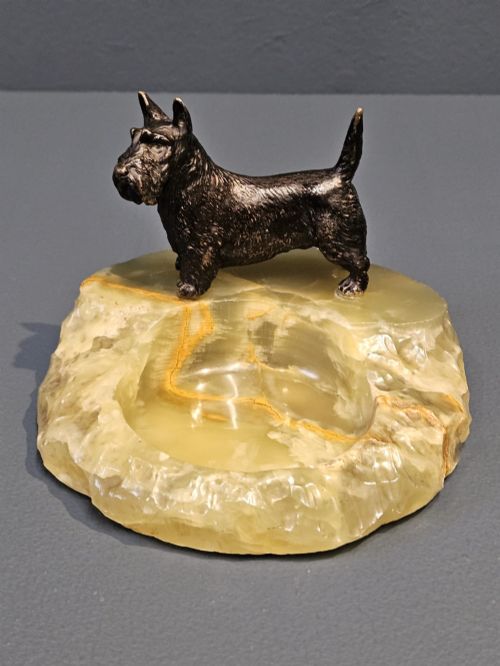
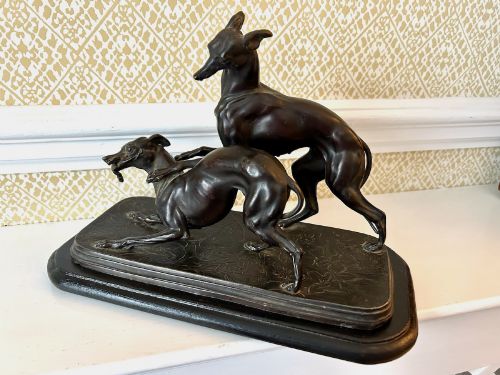
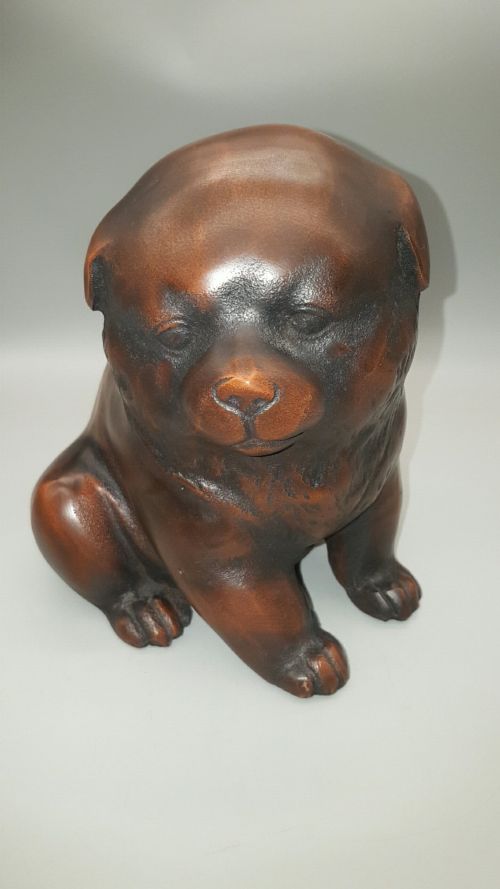
When you search for an antique metal dog figurine, you encounter a diverse array of sculptures, utilitarian objects, and decorative pieces spanning several centuries. The selection ranges from miniature tabletop bronzes to substantial French fireside statues and heavy iron doorstops.
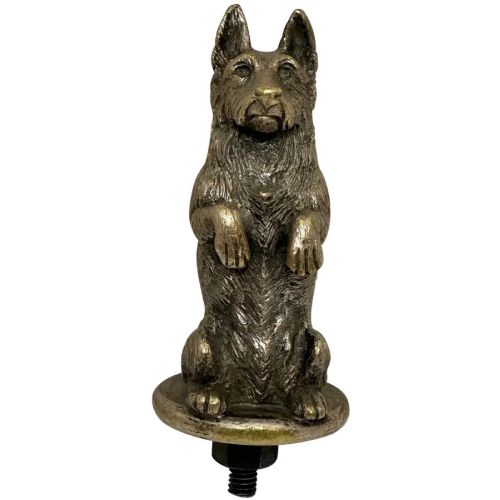
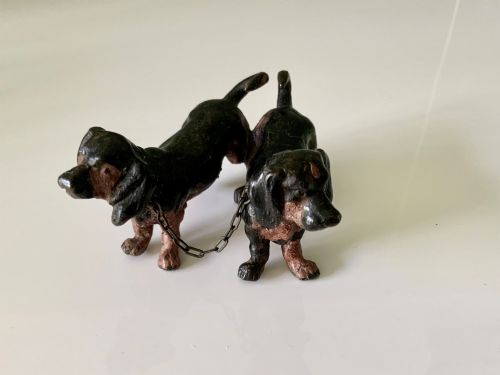
The most common versions on this page are small-scale animalier studies, Vienna bronzes with cold-painted finishes, and utilitarian items such as pepper pots, inkwells, and car mascots. These pieces draw on Victorian, Edwardian, and Art Deco styles, often originating from British, French, Austrian, and Japanese workshops.
How they were made
Foundry workers utilised traditional lost-wax casting for bronze figures, capturing fine detail in the fur and expression before applying patination or cold-painted pigments. Spelter and cast iron provided alternative mediums for heavier sculptural works and functional household items.
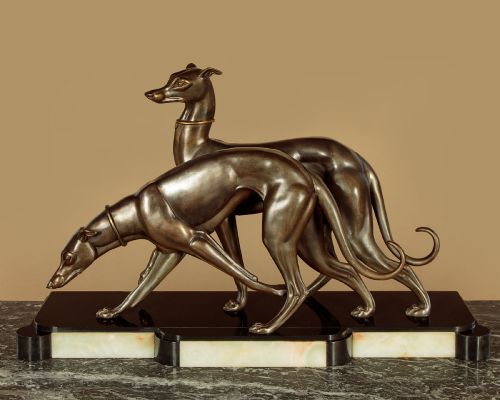
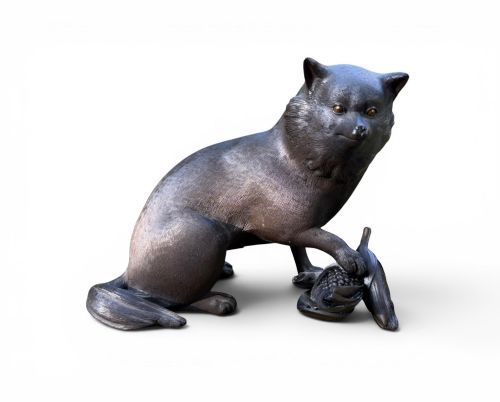
Many Japanese okimono utilised intricate metalworking techniques including patination and inlay, while Austrian pieces relied on hand-applied cold painting over a cast bronze base. Marble plinths and glass elements occasionally appear as secondary materials to support or complete the composition.
The material record on this page spans traditional bronze and cast iron alongside lighter spelter, pewter, and mixed media compositions incorporating marble.
What varies in quality
The distinction between tiers rests upon the crispness of the casting and the sensitivity of the modelling, which dictates whether a dog's anatomy and posture read with conviction. Master founders achieved subtle transitions in texture and muscle structure that lesser commercial productions miss entirely.
Preservation of surface finish, such as original cold paint or patination, significantly influences the integrity of a piece. Finer examples retain their intended polychrome details and bear legible foundry marks or signatures from recognised artists.
Tsunemitsu·Shosai·Unno Shomin·P.de Soete·Franze Bergman·Barbedienne·Stephan Buchinger·C Masson·Eurotrope Bouret
The Antique Metal Dog Figurine Glossary
- Cold painted
- A method where paint is applied to a bronze object without firing, typical of Austrian animalier production. Over time, this finish is prone to gentle rubbing and loss.
- Animalier
- A nineteenth-century artistic movement dedicated to the realistic portrayal of animals. Sculptors in this style studied live subjects in menageries to capture authentic movement.
- Okimono
- A Japanese term for a decorative object intended for display on a shelf or in a tokonoma alcove. These metal figures often depict animals or traditional subjects with high technical precision.
- Spelter
- A zinc alloy frequently used as a cost-effective substitute for bronze, particularly during the Art Deco period. It takes patination well but is softer and more brittle than bronze.
- Car mascot
- A sculptural ornament mounted on the radiator cap of an automobile during the early twentieth century. Dog figures in bronze or spelter were popular choices for motorists.
Antique Metal Dog Figurine: Frequently Asked Questions
What is cold painted bronze?
Cold painted bronze refers to metal sculptures that have been hand-painted with unfired oil paints, a technique made famous by Austrian workshops around nineteen hundred. The method allowed for vibrant, lifelike coloration on small animal figures.
Because the paint was not subjected to kiln firing, handling can cause gradual wear to the surface over decades. Collectors prize pieces that retain the majority of their original polychrome finish.
How do I care for antique metal dogs?
These metal objects require minimal intervention, generally needing only gentle dusting with a soft brush to keep surfaces clean. Avoid using metal polishes, abrasive cloths, or liquid cleaners that might strip historical patination or delicate cold paint.
Keeping pieces away from direct sunlight and damp environments helps preserve the integrity of both the metal base and any applied pigments or marble mounts.
How are spelter and bronze told apart?
Spelter is a zinc-based alloy that feels lighter than bronze and tends to show a duller, greyish hue beneath any surface finish if scratched. Bronze is heavier, denser, and develops a rich natural patina over time.
Many spelter figures from the Art Deco era were given bronze-coloured finishes to mimic more expensive metalwork, though their tactile weight and softer detail usually reveal their composition.