



Antique Measuring Cup
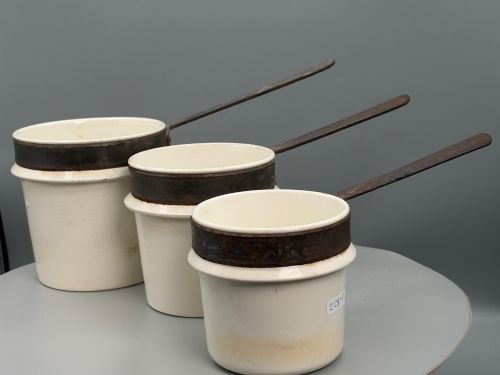
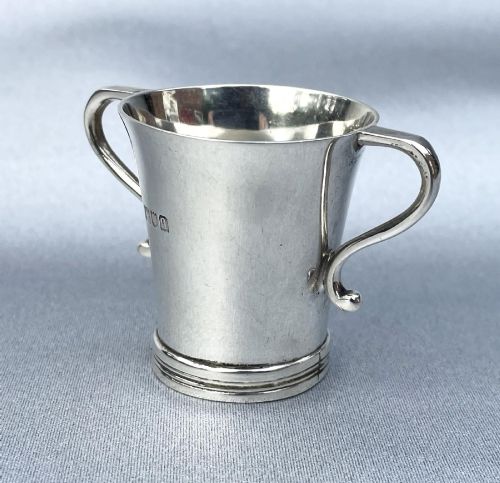
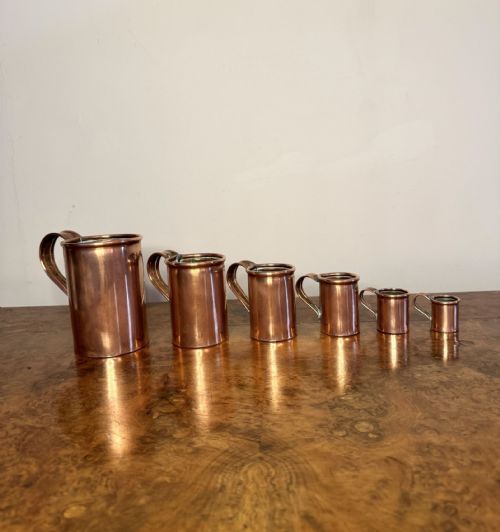
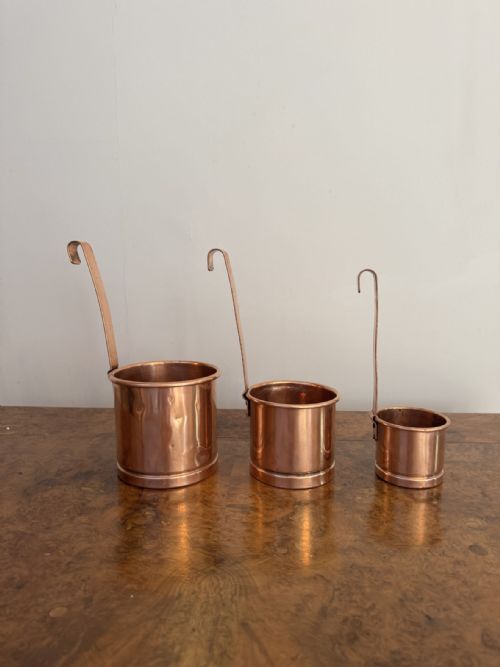
These antique measuring cup examples bring practical historic utility to the table, spanning copper, brass and silver formats from the Victorian era onward.
Antique Measuring Cup
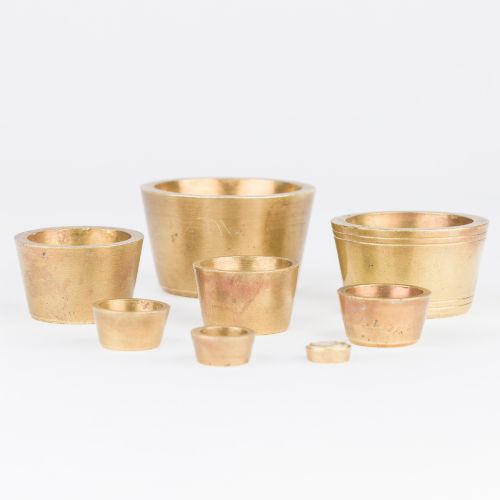
An antique measuring cup encompasses utilitarian kitchenalia, barware and scale weights originating from the Victorian period through to the Art Deco years. You will frequently encounter heavy copper and brass measures, alongside pewter tankards and glass apothecary items.
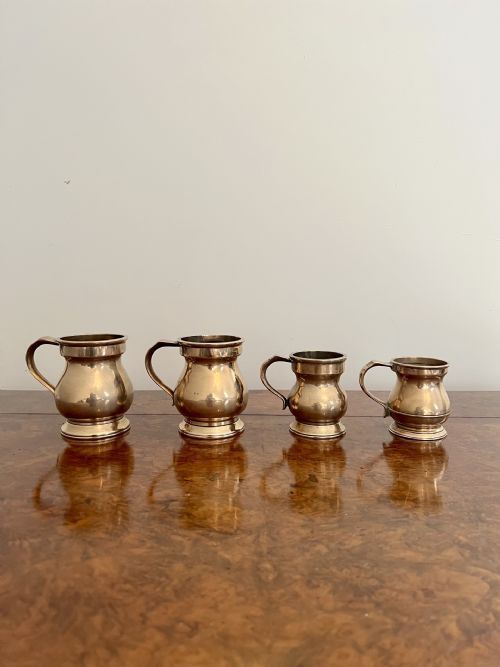
The selection ranges from sets of graduated tankard measures to individual gill and pint vessels, reflecting domestic and commercial liquid measurement in the nineteenth and early twentieth centuries. Anglo-Indian seer measures and French silver plate cocktail sets also appear within this diverse grouping.
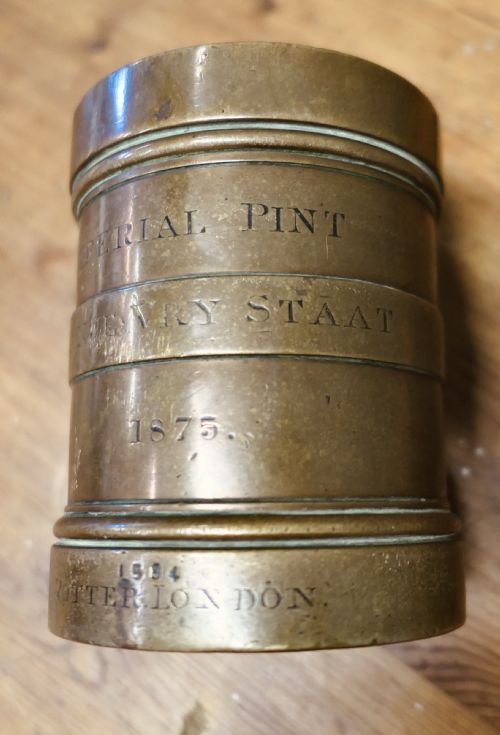
Victorian examples dominate the available styles, often carrying imperial capacity stamps or maker inscriptions that denote their original working context. These pieces bridge the gap between functional tavern equipment and decorative display objects.
Materials and construction methods
Copper and brass dominate the physical evidence, shaped into robust tankards and nested sets designed for daily trade use. Silversmiths and metalworkers employed sheet manipulation and casting techniques to produce rigid walls and heavy bases.
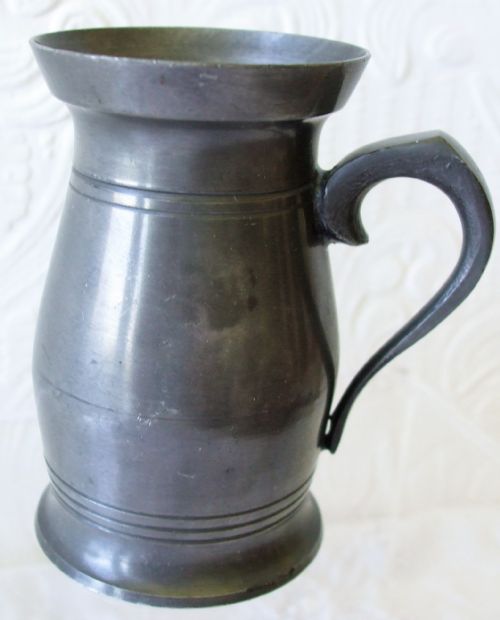
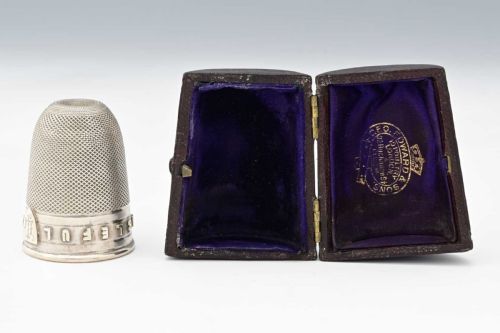
Pewter and Old Sheffield Plate introduce softer metallic tones, while glass apothecary items demonstrate blown vessel production from the mid nineteenth century. Bronze and sterling silver appear in specialist scientific instruments and novelty items like thimble-shaped tumblers.
Antique Measuring Cup Retail Price Guide 2026
Typical asking prices for measuring cup among the pieces listed under this phrase on Sellingantiques today, from the lower quarter to the upper quarter. They describe what is for sale here now, not the wider market.
Listings feature periods from the Georgian era through to Art Deco, spanning brass, copper, pewter, glass and silver.
Assessing quality in historical measures
Quality rests upon the integrity of the metalwork, the retention of original surface patination and the clarity of any capacity stamps or maker marks. Complete graduated sets demonstrate higher desirability than stray single items.
The precision of manufacture in scientific and apothecary glasses contrasts with the robust commercial utility of tavern tankards, where heavier metal gauge indicates superior original grade.
Potter of London·J Hicks of London·Maison Barra
The Antique Measuring Cup Glossary
- Imperial Pint Measure
- A liquid capacity standard regulated by the British imperial system, typically found stamped on nineteenth-century metal vessels. These pieces were calibrated for official trade use.
- Old Sheffield Plate
- A composite material formed by fusing a thin sheet of silver to a thicker copper base, utilised for eighteenth and nineteenth-century luxury tableware. It shows subtle hints of copper where edges wear.
- Seer Measure
- A traditional unit of capacity originating from South Asia, manifested here in copper and brass sets designed for regional trade. These exhibit distinct regional forms compared to standard British vessels.
- Gill
- A historical unit of measurement equivalent to a quarter of a pint, frequently encountered on small tavern measures and spirit containers. Gill vessels often bear verification marks from local authorities.
- Kitchenalia
- Domestic utensils and culinary implements collected for their rustic aesthetic and historical utility. This category covers much of the utilitarian copper and brass hollowware.
Antique Measuring Cup: Frequently Asked Questions
What were antique measuring cups used for?
These vessels served everyday commercial and domestic functions, measuring liquids in taverns, apothecaries and kitchens. They ensured accurate quantities for trade and preparation before modern standardised systems.
Heavier metal tankards handled ale and spirits, while glass items measured precise medicinal doses.
How do I date a copper measure?
Dating relies on stylistic cues, manufacturing techniques, and official verification stamps or imperial capacity marks. Victorian examples frequently feature specific shape profiles like bell-shaped bodies.
Associated maker signatures also help narrow the production decade.
Are these measures still accurate for cooking?
Most buyers treat these pieces as decorative antiques or collection centerpieces rather than modern kitchen tools. Historical calibration standards differ from contemporary metrics.
Residues in older metal and glass vessels also advise against active culinary use.
What metals are most common?
Copper and brass form the largest proportion of surviving domestic and tavern measures. Pewter and silver plate appear in specific social and dining contexts.
Bronze and specialised glass serve scientific or apothecary applications.