

Antique Master Painting
When you search for an antique master painting, you seek historic oil works by named hands or regional schools from past centuries.
Antique Master Painting
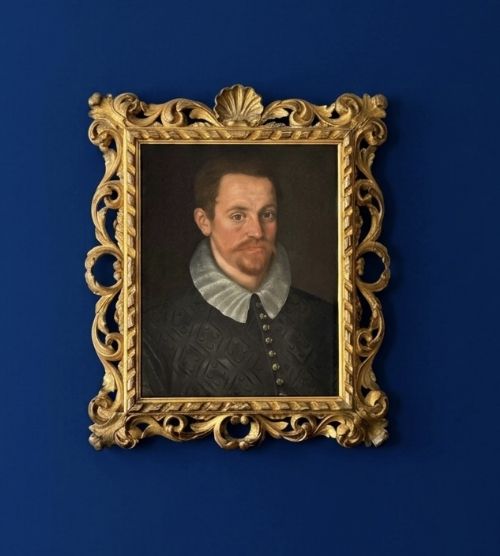
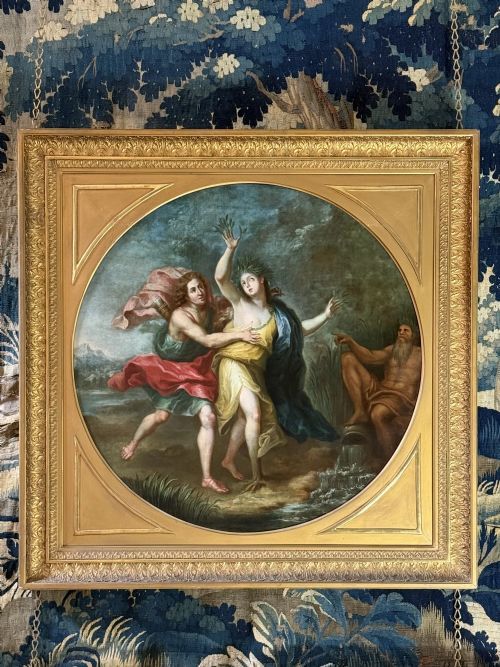
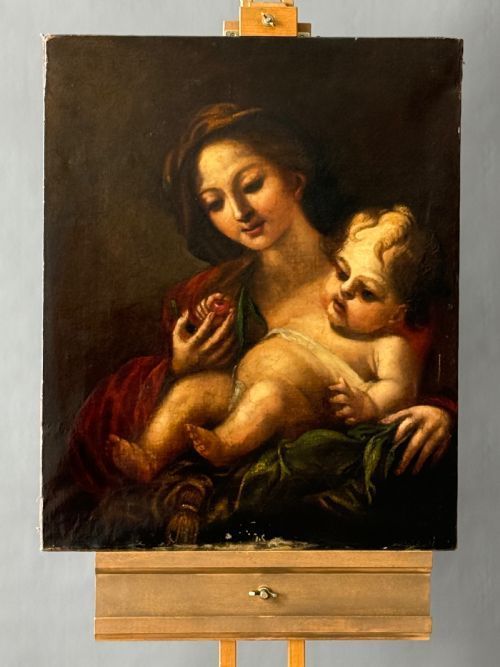
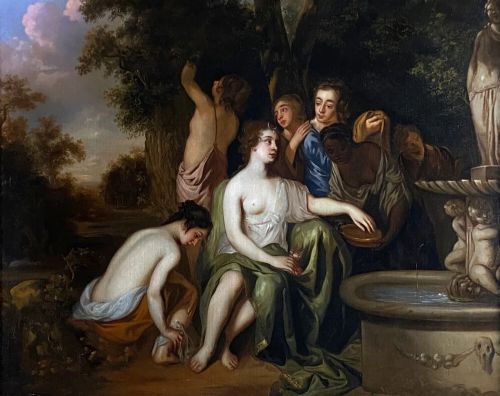
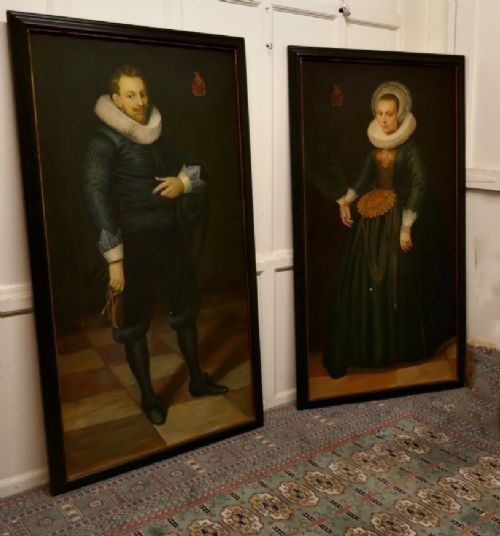
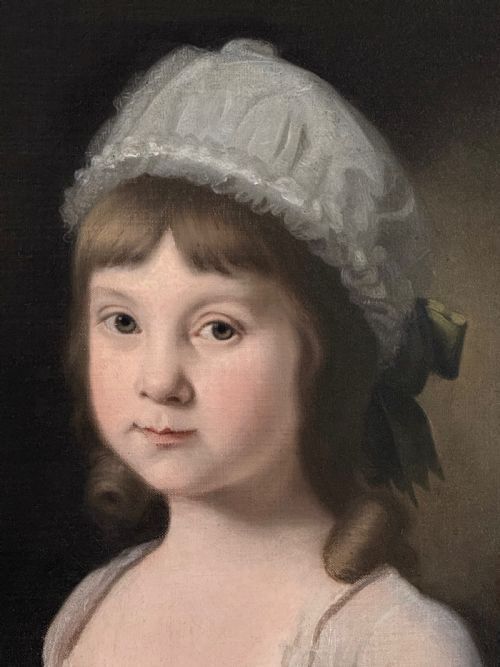
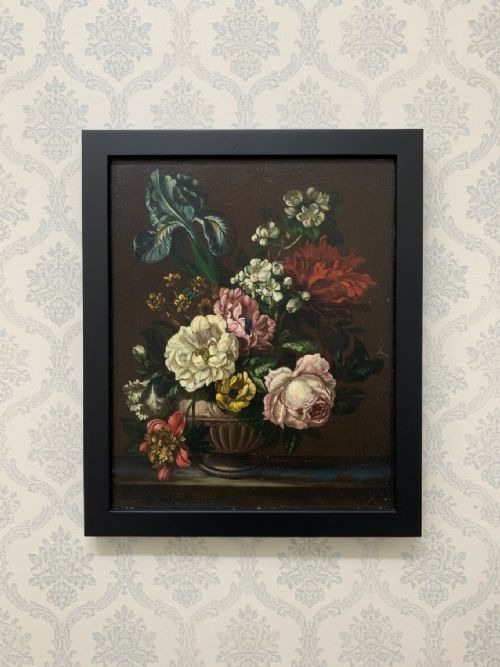
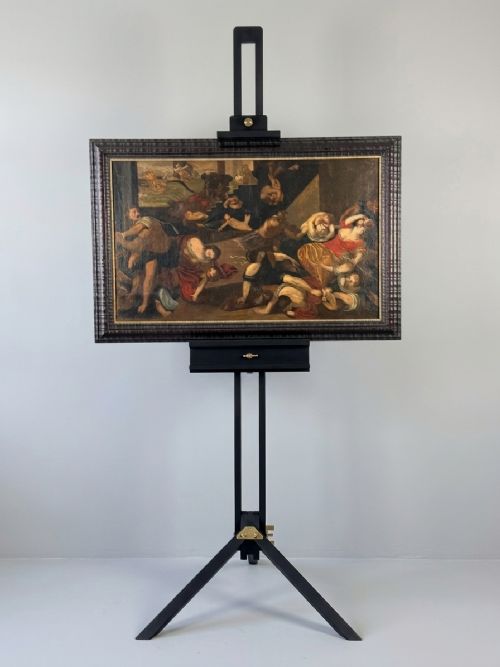
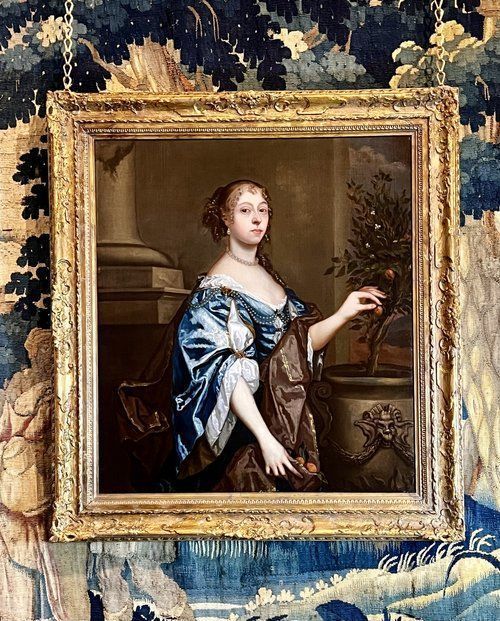
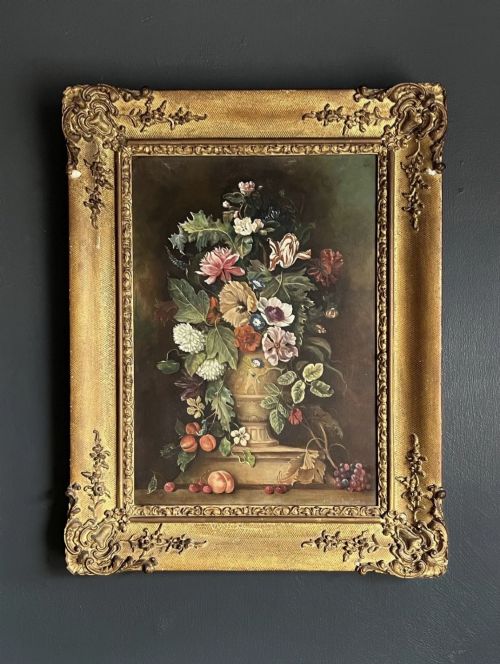
An antique master painting represents centuries of European artistry, predominantly captured through oil on canvas or wood panel. These works range from formal portraiture depicting nobility to intricate still lifes and dramatic religious or mythological scenes.
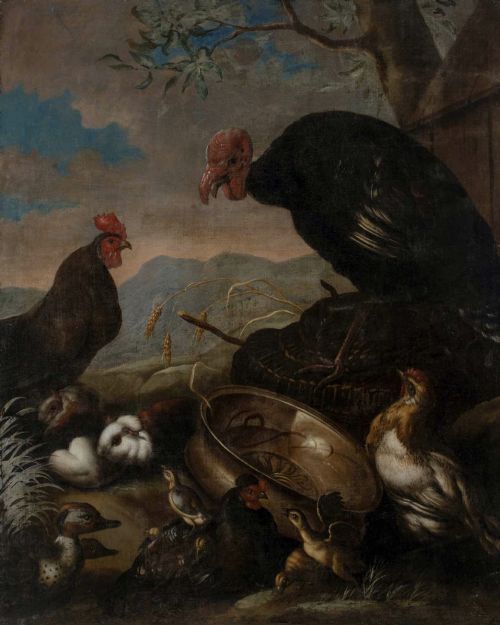
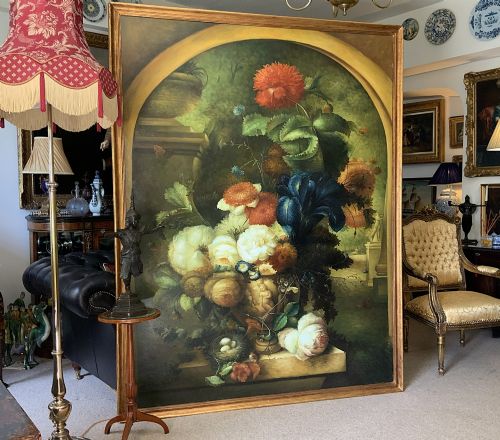
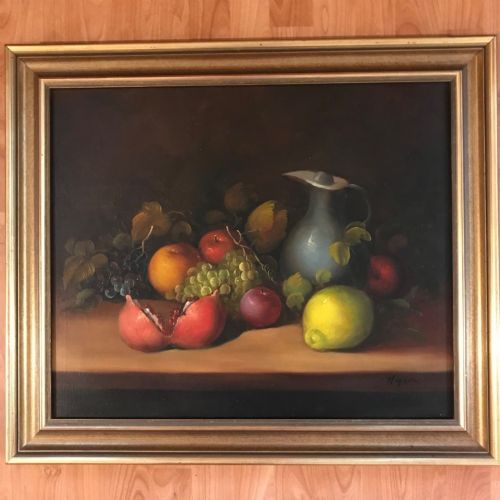
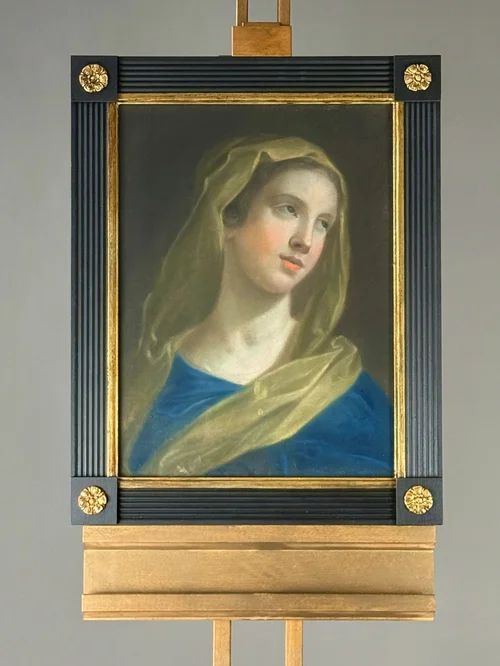
Buyers browsing this selection frequently encounter pieces from the seventeenth and eighteenth centuries, alongside later nineteenth-century interpretations and twentieth-century Dutch-style revivals. Subjects stretch from Dutch floral arrangements and Italian Renaissance Madonnas to French court portraits and Flemish tavern interiors.
The category encompasses both direct creations by master painters and works originating from their immediate circles, workshops, or subsequent European schools. Each canvas or panel preserves the distinct aesthetic priorities of periods such as the Baroque, the Dutch Golden Age, and the Italian Renaissance.
Materials and technique in construction
Painters of these historic works applied oil paint onto stretched canvas, wooden panels, or occasionally board and copper supports. Ground layers and primed surfaces received layers of pigment bound in oil, allowing for subtle glazing and deep tonal variation.
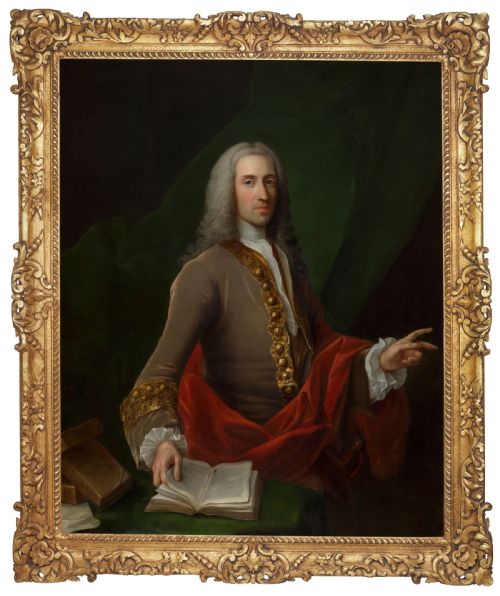
Frames form an integral part of the physical object, frequently utilising carved giltwood or gilt gesso construction. These surrounds range from simple wooden mouldings to elaborate decorative housings designed to complement the period style of the artwork.
Listings feature oil paintings executed on canvas, wood panels, and board across multiple centuries.
Distinctions in quality and execution
Execution relies on the handling of light, shadow, and anatomy, where superior works display confident brushwork and anatomical precision. Lesser examples from school followers often show stiffer figures and generalized backgrounds.
Condition and original integrity distinguish finer survivals, including the stability of the wood panel or canvas and the preservation of the underlying pigment layers. Pentimenti, where the artist altered composition during painting, offer authentic insight into the creative process.
Charles Antoine Coypel·Sir Peter Lely·Joshua Reynolds·Pieter Borsseler·David Teniers
The Antique Master Painting Glossary
- Oil on Canvas
- Pigment mixed with drying oil applied to a woven fabric support. This combination allowed artists to create expansive compositions with rich textures.
- Giltwood
- Wood carved and coated with gold leaf or gold paint. Frames utilising this finish define the presentation of many classical works.
- Circle of
- A designation indicating the work was produced by an artist closely associated with a master and working in their immediate stylistic orbit. It denotes period proximity rather than direct attribution.
- Pentimento
- An alteration in a painting evidenced by underlying visible brushstrokes where the artist changed their composition. This phenomenon confirms the spontaneous development of the artwork.
- Gesso
- A plaster mix used as a prepared surface on wood panels or frames before painting or gilding. It provides a smooth base for fine detail work.
Antique Master Painting: Frequently Asked Questions
How do I identify a 17th-century painting?
Seventeenth-century works often feature heavy canvas or thick wooden panel supports combined with darker earth tones typical of Baroque and Dutch Golden Age palettes. Subject matter frequently centres on intense portraiture, religious narratives, or detailed still lifes.
Examining the stretcher bars, nails, and canvas weave provides further clues to age. Pigment analysis and pentimenti also help verify the historical period of execution.
What is a school painting?
A school painting originates from artists working in a specific geographic region and era who shared common techniques and stylistic traits. These pieces reflect the dominant aesthetic taught within regional workshops rather than bearing the direct signature of a master.
Such works offer authentic insight into period artistry without commanding the attribution of a primary master. They represent the broader artistic output of cultural hubs like the Dutch or Italian schools.
Where should I hang an oil painting?
Oil paintings require placement away from direct sunlight and excessive moisture to protect the canvas and pigment layers. Stable indoor environments prevent warping in wooden panels and cracking in old paint.
Selecting a wall with subdued ambient light lets the gilt frame and dark tones show without glare. Proper hanging height ensures the canvas sits at comfortable eye level for viewing.
How do I care for antique canvas?
Maintaining antique canvas involves keeping the environment at a consistent temperature and humidity to prevent the fabric from slacking or tightening. Dusting requires a very soft, dry brush applied with extreme gentleness.
Professional conservators should handle any cleaning or repair of tears and pigment loss. Avoiding chemical solvents protects the fragile original varnish layers.