

Antique Marquetry Clock
An antique marquetry clock combines precise horology with intricate wood inlay, bringing centuries of craftsmanship and decorative timber patterns into a room.
Antique Marquetry Clock
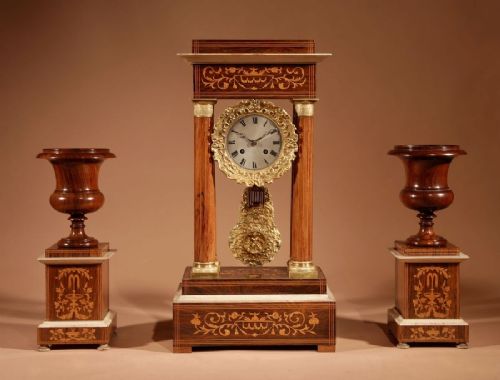
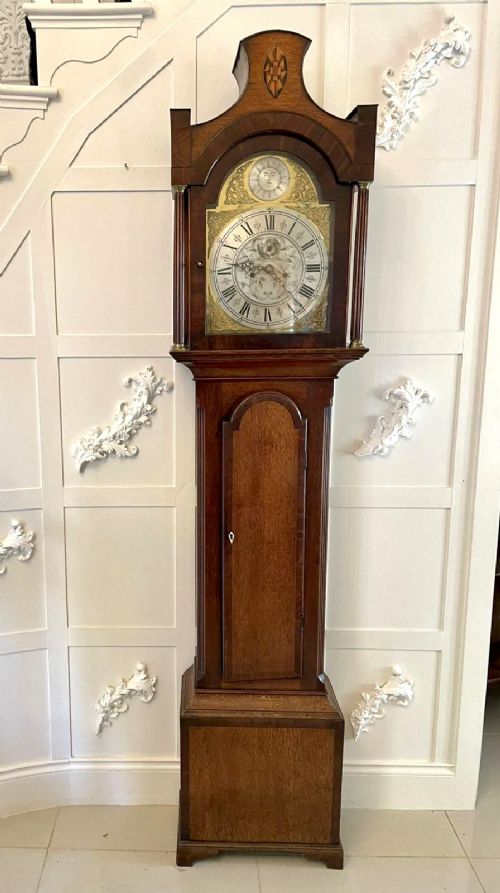
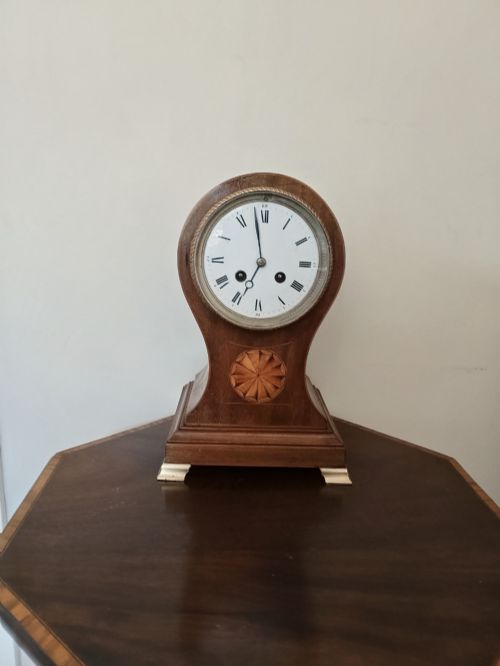
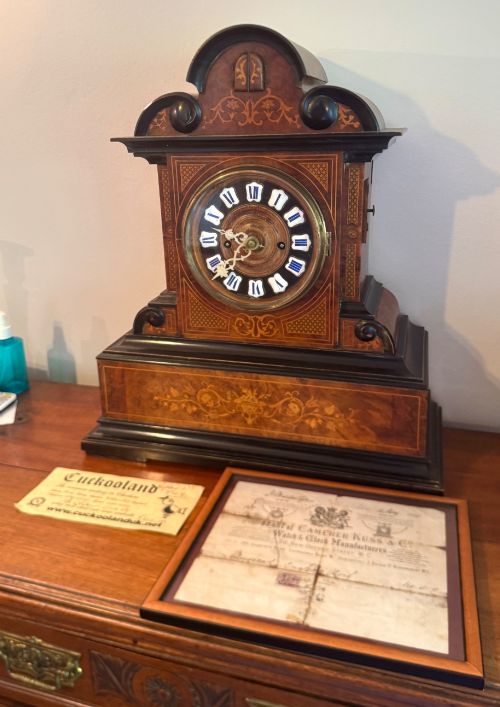
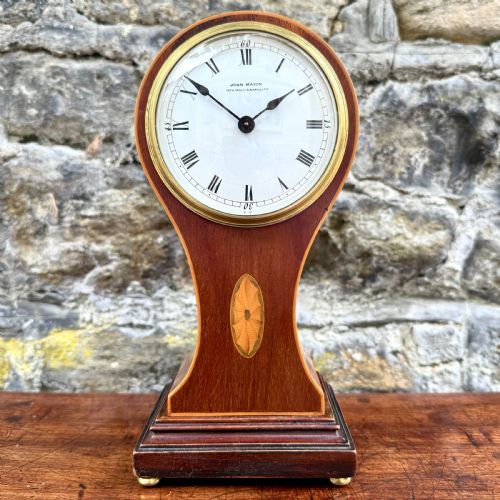
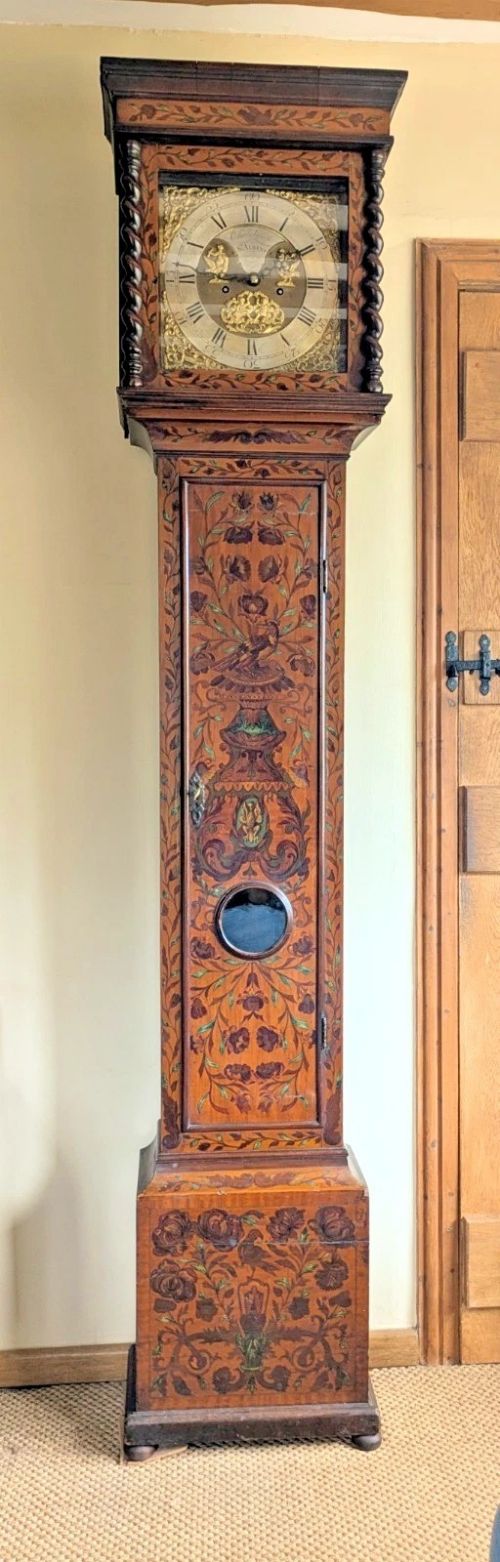
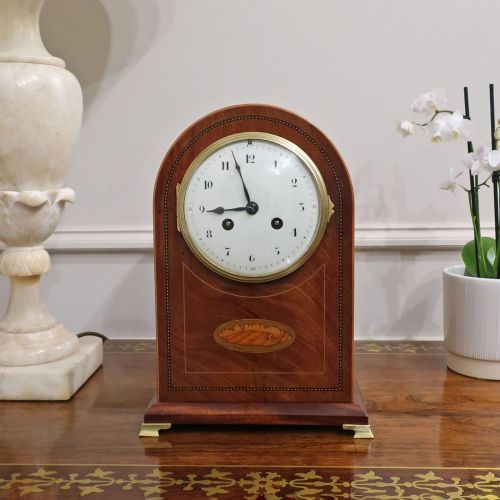
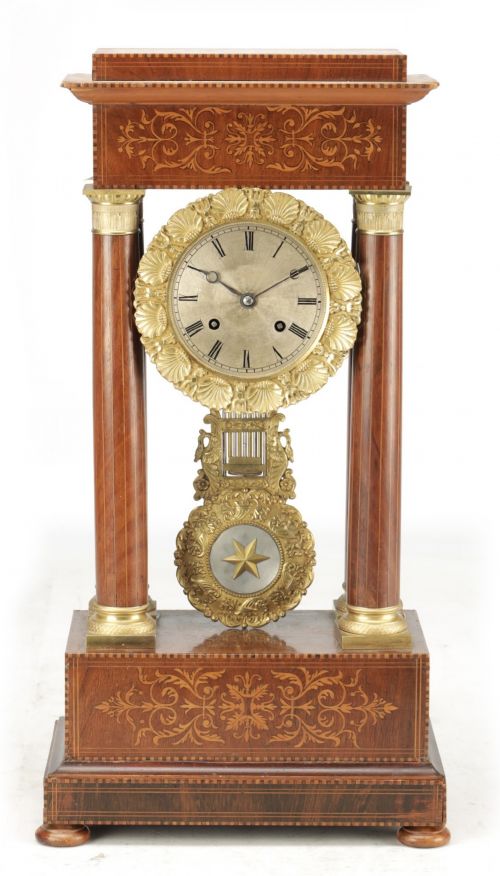
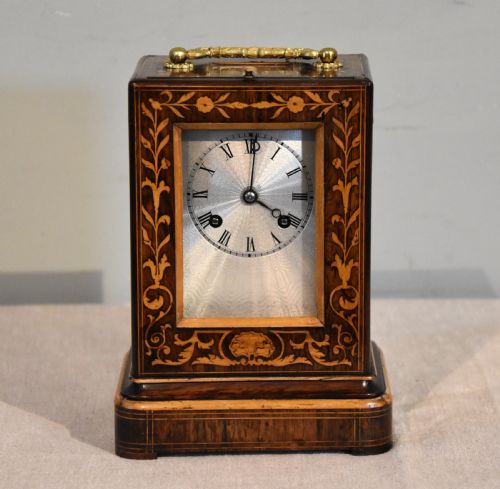
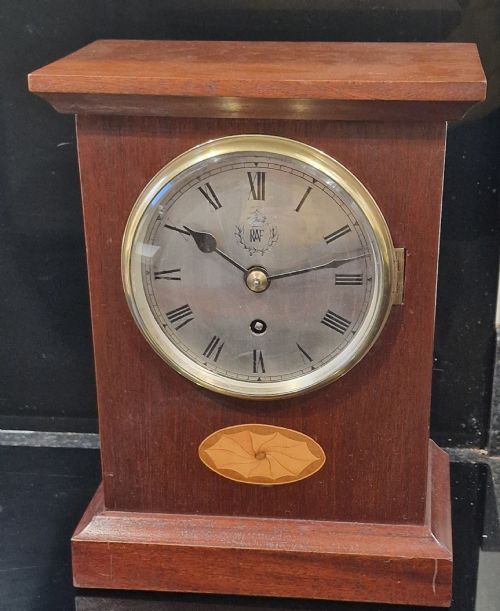
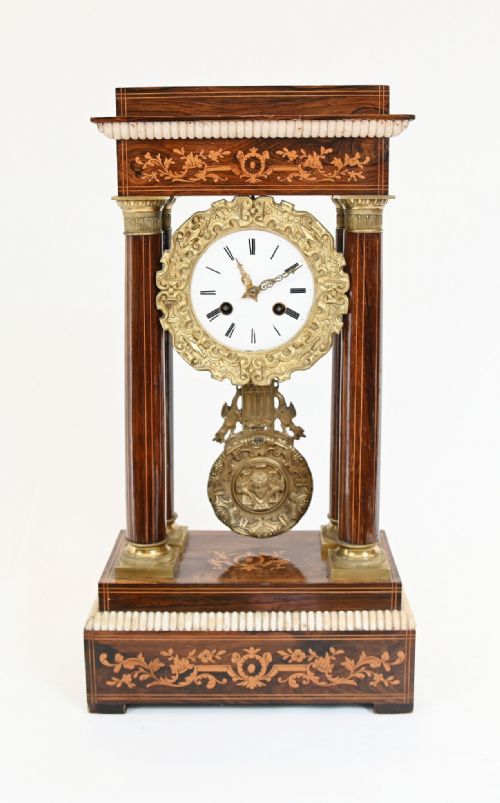
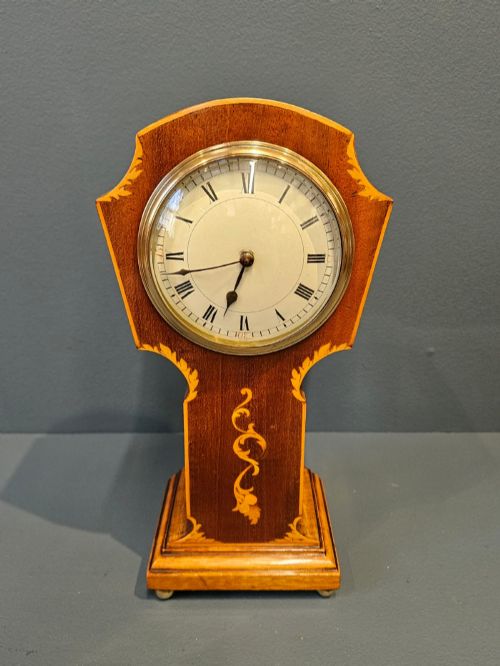
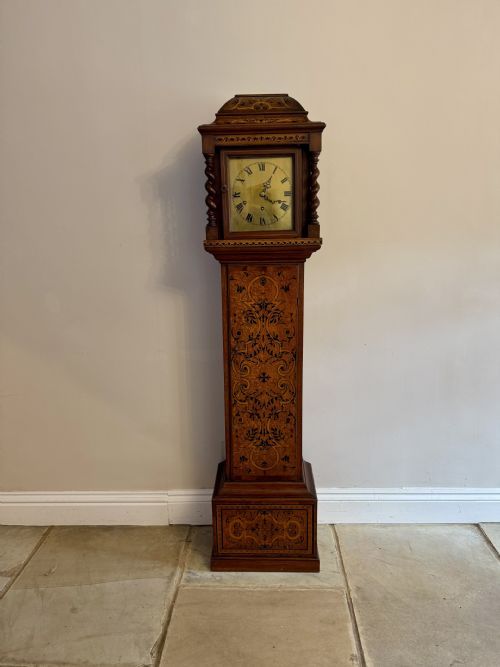
An antique marquetry clock is primarily encountered on this page in forms such as tall longcase clocks, grand grandmother clocks, and compact mantel clocks. These timepieces display decorative wood veneer patterns formed from contrasting timbers, originating from periods spanning the seventeenth century through to the Edwardian era.
How They Were Made
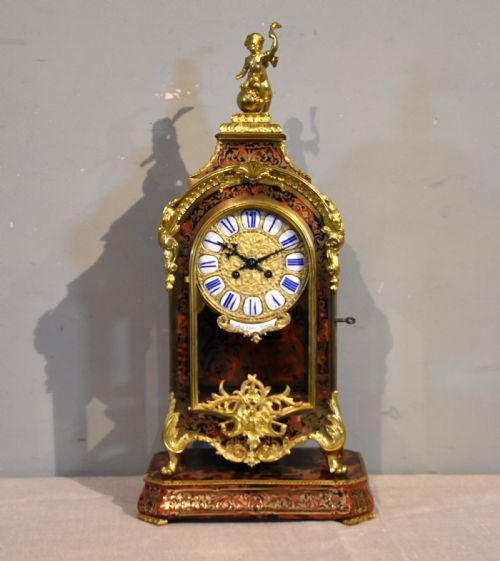
Cabinetmakers constructed these clock cases using foundational woods like oak and mahogany, then applied veneers of walnut, rosewood, and satinwood. Artisans cut intricate patterns from thin sheets of contrasting timber, sometimes incorporating tortoiseshell, brass wire, and mother-of-pearl to build up pictorial or geometric designs.
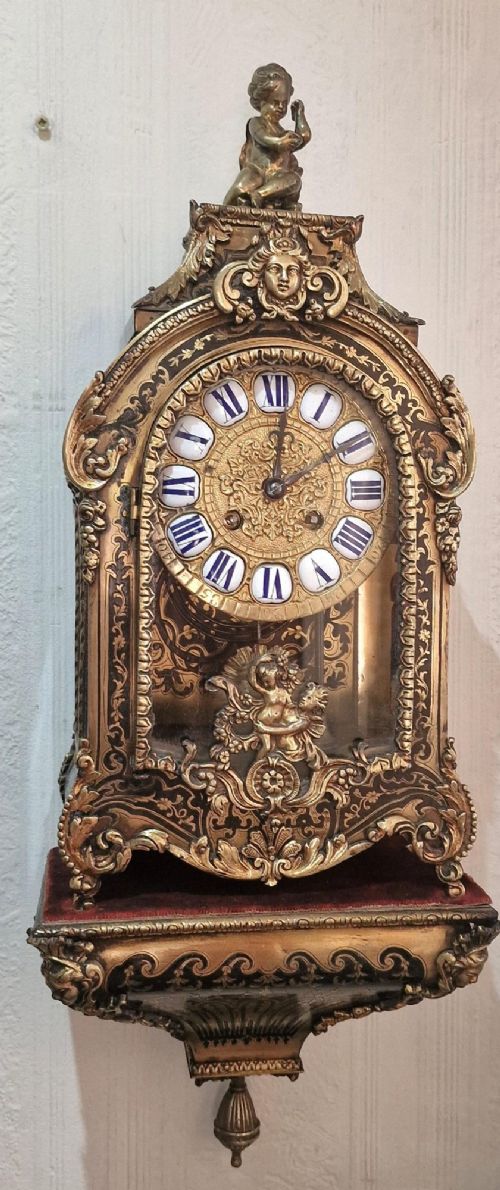
Movements incorporate brass gears, silvered dials, and enamel chapters, often driven by single or double fusee mechanisms and eight-day weights. Clockmakers housed these mechanical components within polished wooden housings complemented by cast ormolu mounts and glass viewing panels.
Several grand longcase clocks hide musical trains inside their wooden hoods, ready to play tunes across the centuries.
What Varies In Quality
The standard of a clock rests on the crispness of the cabinetwork and the complexity of the veneer cutting. Superior examples exhibit tightly fitted marquetry with minimal filler, where different wood grains catch the light uniformly across the curved surfaces of balloon cases or tall longcase trunks.
Horological refinement sets apart finer pieces, visible in the engraved detail of brass dials, the weight of cast ormolu mounts, and the complexity of chiming or musical trains. Original finishing and movement signatures from known makers elevate the standing of a clock considerably.
Charles Louch St Albans·Henri Marc·Henry Massy·Nathaniel Pyne·Rowntree York·Isaac Penton·John Farwell·Thomas Bridge
The Antique Marquetry Clock Glossary
- Marquetry
- Decorative veneer work forming pictures or patterns by fitting together thin slices of wood, shell, or metal. This technique defines the visual character of the clock cases listed.
- Fusee
- A conical pulley used in clock movements to maintain an even drive force as the mainspring unwinds. It ensures consistent timekeeping throughout the running period.
- Boulle
- A style of marquetry using tortoiseshell and brass inlay, named after the French cabinetmaker André-Charles Boulle. It appears frequently on French mantel and wall clock cases.
- Longcase clock
- A tall pendulum clock housed in a wooden case designed to stand upright on the floor. These grand pieces are often referred to colloquially as grandfather clocks.
Antique Marquetry Clock: Frequently Asked Questions
How do I wind an antique clock?
Most mechanical clocks require a key to gently turn the winding arbors located on the dial face. Care must be taken not to overwind the mainspring.
Consulting the specific movement type, whether fusee or spring-driven, helps determine the correct winding interval and tension limits.
Where should I place a longcase clock?
Longcase clocks need a stable, dry interior wall away from direct sunlight and strong drafts. A firm floor surface ensures the pendulum swings evenly.
Leveling the case using adjustable feet or shims is essential for keeping the beat regular and preventing mechanical wear.
How do I date an antique clock?
Dating relies on stylistic clues in the cabinetwork, timber choices, dial construction, and movement technology. Eighteenth-century pieces differ noticeably in proportions and brass dial layout from Edwardian or Victorian examples.
Signatures on the dial or backplate often point directly to the active working years of the maker.
What is a fusee movement?
A fusee is a spiral-grooved pulley connected to the mainspring by a cord or chain. It compensates for the decreasing power of the spring as it unwinds.
This mechanism marks a higher level of horological quality, ensuring steady force reaches the escapement over the entire duration of the run.