

Antique Maritime Scene
An antique maritime scene captures the enduring human relationship with the open water through oil and watercolour.
Antique Maritime Scene
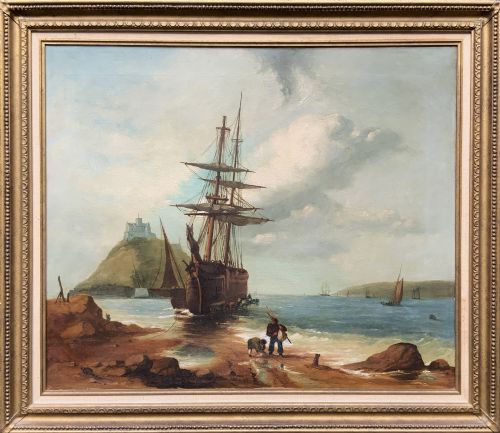
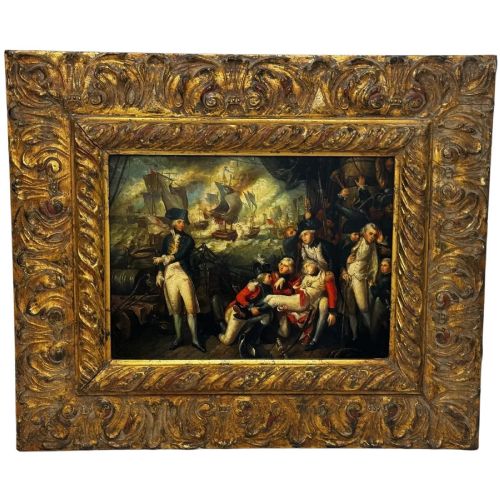
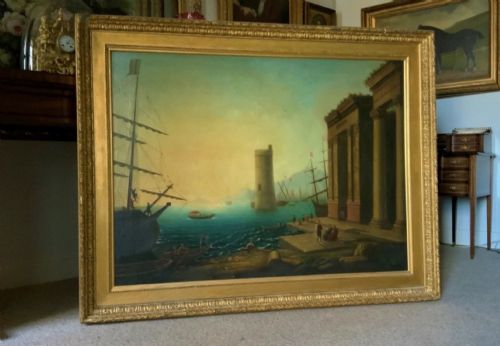
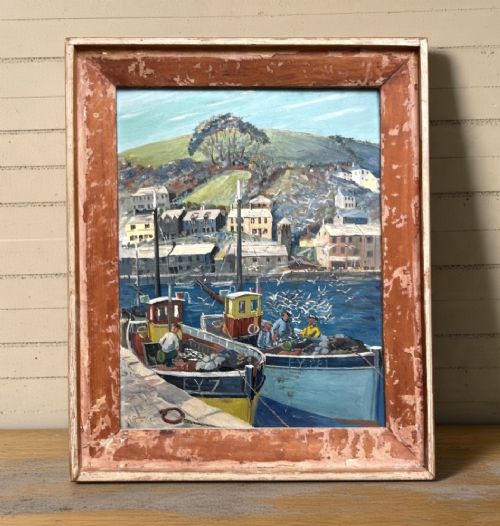
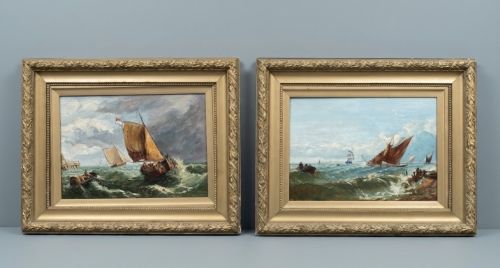
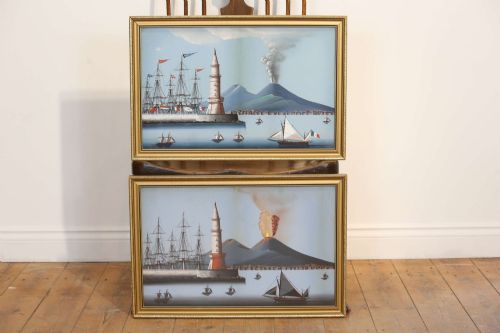
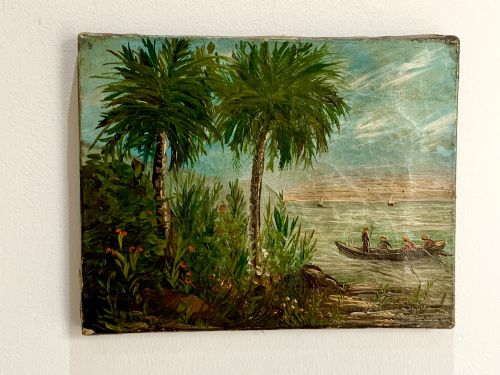
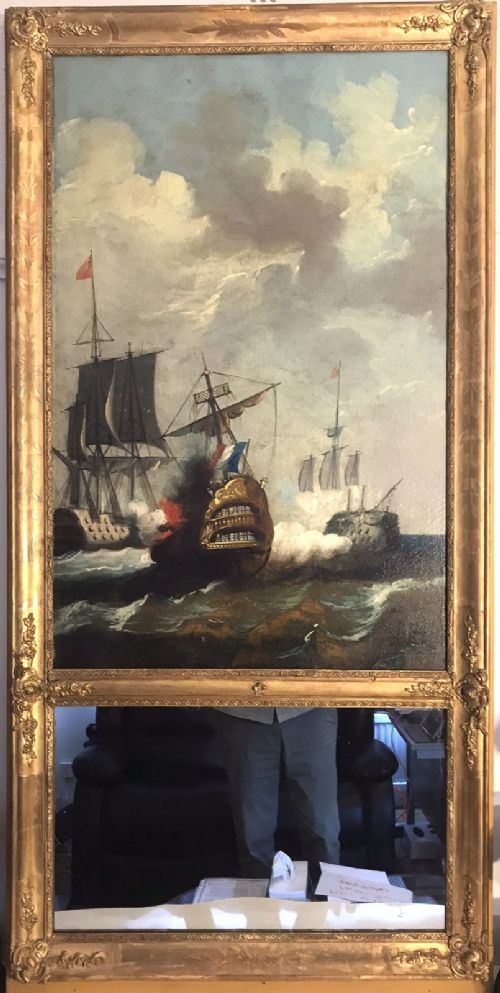
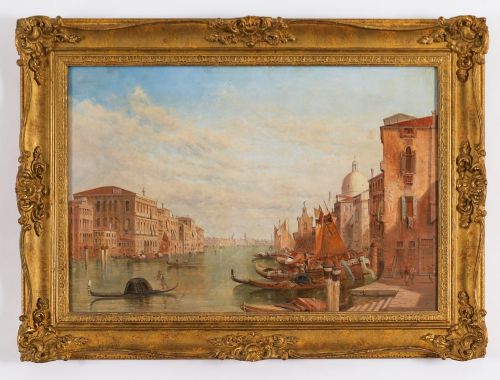
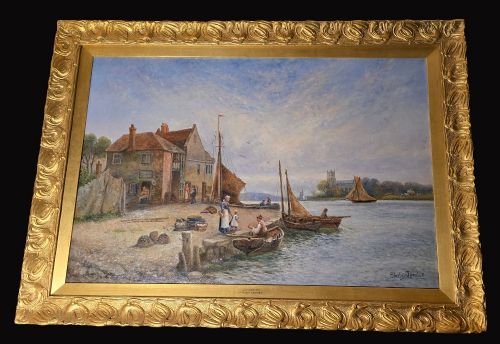
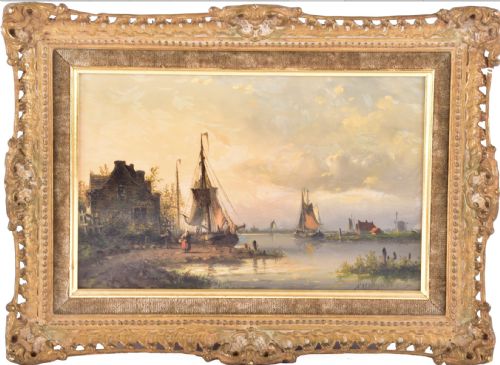
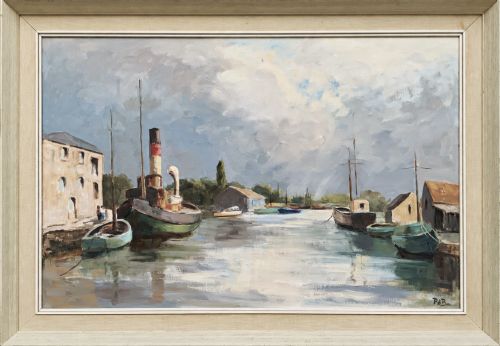
When searching for an antique maritime scene, collectors encounter framed artworks recording coastal life, harbour views, and vessels upon the water. These pieces span the nineteenth and early twentieth centuries, encompassing Victorian and Edwardian periods.
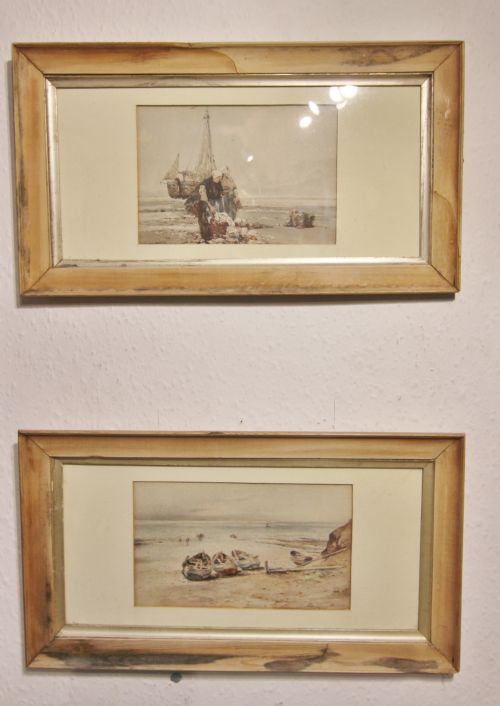
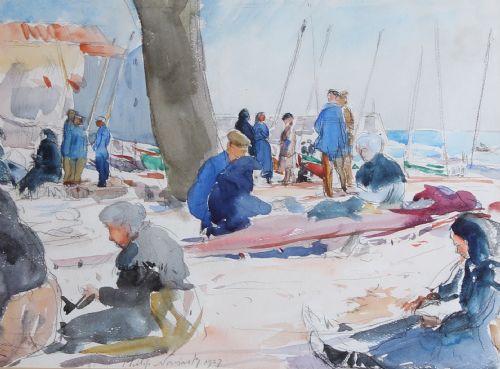
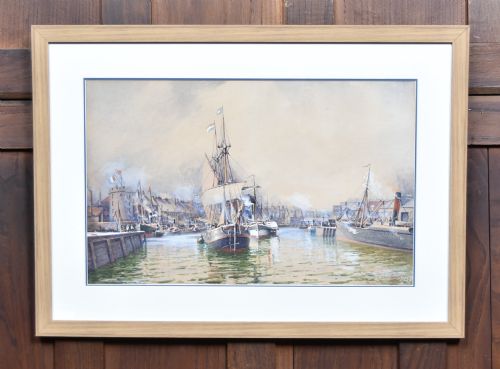
The most common examples on this page are oil paintings on canvas and delicate watercolours on paper. Subjects range from busy British fishing ports and Venetian lagoons to dramatic coastal landscapes and heavy seas.
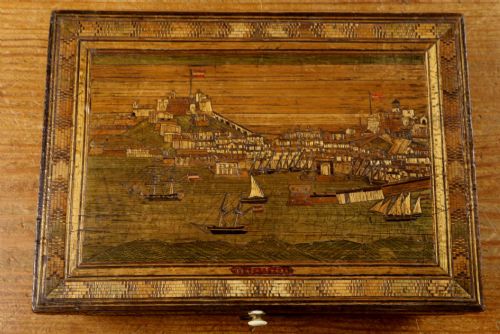
Beyond traditional paintings, the selection includes decorative straw work boxes associated with maritime prisoners of war. Each piece reflects the dominant artistic styles of British and European impressionism and realism from the eras.
How they were made
Painters of this genre utilised oil paint applied to stretched canvas or wooden board, frequently enclosing the finished works in decorative gilt wood frames. Watercolours were executed on heavy paper, capturing translucent light across rivers, harbours, and open seas.
Specialised decorative items, such as prisoner of war boxes, relied on intricate straw marquetry applied to wooden structures. Glass was routinely fitted to protect delicate watercolours and paper works from environmental moisture and damage.
Antique Maritime Scene Retail Price Guide 2026
Typical asking prices for maritime scene among the pieces listed under this phrase on Sellingantiques today, from the lower quarter to the upper quarter. They describe what is for sale here now, not the wider market.
Listings feature works executed in oil on canvas, oil on board, and watercolour on paper, framed in period gilt wood.
What varies in quality
The distinction between ordinary and exceptional works rests upon the artist's command of light, atmosphere, and maritime architecture. Master painters render rigging, wave movement, and coastal topography with precise observation, whereas lesser works rely on formulaic repetition.
Material preservation heavily influences overall quality, particularly the stability of the canvas, the vibrancy of the original oil or watercolour pigments, and the integrity of the original gilt wood framing.
Sir David Murray RA·Nicolaas Martinus Wijdoogen·Edward Williams·James Orrock·Hans Harlander·Edward Mills·James E. Aitken·John E. Aitken·William Banks Fortescue·James Kay RSW·Francis Moltino·Thomas Creswick·Abraham Cooper RA·John Holland·Bernard Benedict Hemy·Abraham Hulk I·George F Pennington·Paul Delvaux·William Edward Webb
The Antique Maritime Scene Glossary
- Seascape
- A painting or other work of art that depicts the sea, coastal views, or marine subjects. These works frequently focus on ships, beaches, and dramatic weather.
- Watercolour
- A painting method in which the paints are made of pigments suspended in a water-based solution. Paper serves as the primary support medium for these translucent compositions.
- Gilt wood
- Wood that has been treated with a thin layer of gold leaf or metallic gilt finish. These frames are standard embellishments for nineteenth-century oil paintings.
- Impressionism
- An artistic style characterised by relatively small, thin, yet visible brush strokes and an emphasis on accurate depiction of light. This approach appears frequently in early twentieth-century marine scenes.
Antique Maritime Scene: Frequently Asked Questions
What subjects do these maritime scenes depict?
The artworks portray busy British and European harbours, coastal fishing boats, Venetian lagoons, and ships navigating heavy seas. Urban river views, such as scenes along the Thames, also feature prominently.
Artists frequently documented specific ports and coastal landmarks, capturing the daily labour of fishermen, oyster pickers, and sailors alongside dramatic coastal topography.
How do I care for an antique oil painting?
Keep oil paintings away from direct sunlight and fluctuating temperatures to prevent the canvas from warping and the paint from cracking. Display them in stable indoor environments.
Dust the surface gently with a soft, dry brush and avoid using water or chemical cleaning solutions on the paint or the gilt frame.
What is the difference between an oil and a watercolour?
Oil paintings utilise pigments suspended in drying oils applied to canvas or wood boards, allowing for rich textures and deep colour layering. Watercolours use water-soluble pigments on paper, creating translucent washes.
Oils are generally more durable and do not strictly require glass for protection, whereas watercolours demand careful framing to preserve the paper support.