



Antique Maritime Fitting
An antique maritime fitting brings solid brass, camphor wood and ingenious engineering straight from historic ships into your home.
Antique Maritime Fitting
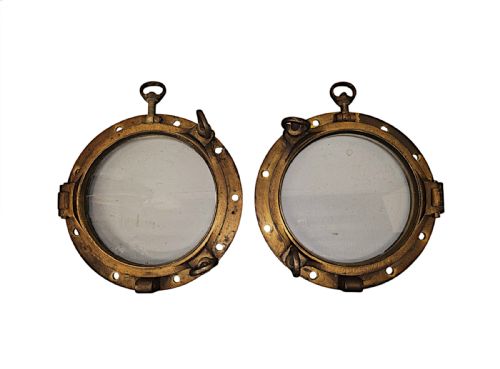
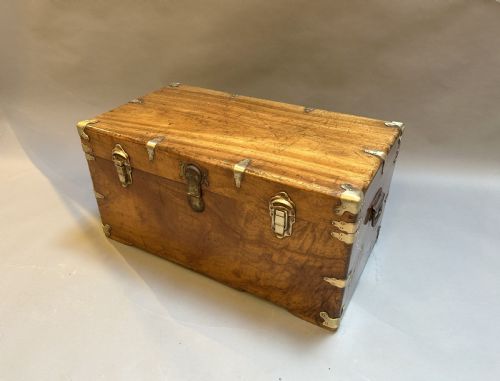
An antique maritime fitting encompasses robust items salvaged from vessels, scientific instruments used in navigation, and camphor wood storage trunks built for travel. You will encounter substantial brass port holes, specialised marine instruments, and sturdy campaign chests designed for life on the water.
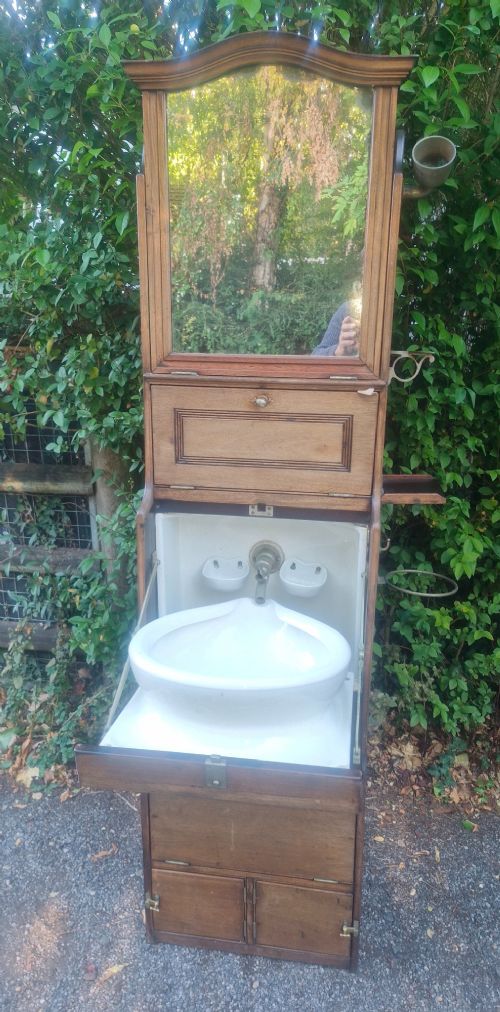
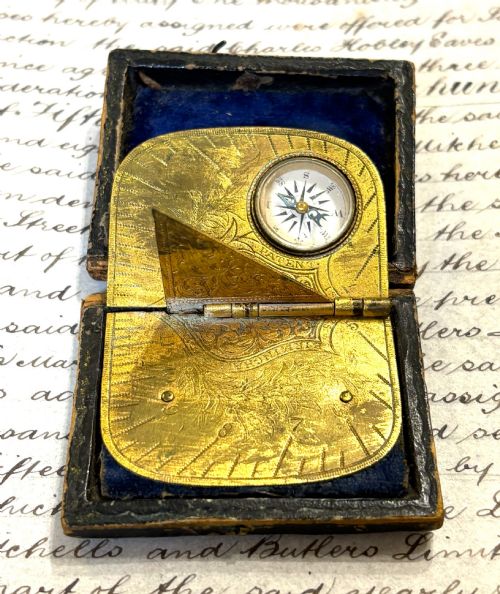
The selections span the nineteenth and early twentieth centuries, drawing on Victorian, colonial campaign, and French marine styles. These objects reflect practical onboard utility, from folding pocket sundials and artificial horizon sets to washstands and large ship's portholes.
Storage trunks made from camphor wood and mahogany dominate the offerings, often featuring functional metal reinforcement. Alongside these chests, buyers find specialised apparatus like barocyclonometer typhoon barometers and wall-mounted tiller yokes.
How they were made
Makers utilised dense timbers such as camphor wood, mahogany, walnut, and teak to withstand moisture and heavy use at sea. These woods are joined with durable construction methods suited to shifting environments and travel.
Metalworking defines the hardware, employing cast and polished brass for port holes, hinges, and corner brackets. Glass and crystal appear in scientific instruments, chandeliers, and artificial horizon sets, paired with velvet and leatherette linings.
Antique Maritime Fitting Retail Price Guide 2026
Typical asking prices for maritime fitting among the pieces listed under this phrase on Sellingantiques today, from the lower quarter to the upper quarter. They describe what is for sale here now, not the wider market.
The listings show nineteenth-century camphor wood trunks and twentieth-century marine scientific instruments.
What varies in quality
The standard of an antique maritime fitting depends upon the integrity of its materials and the precision of its mechanical or scientific components. Pieces featuring intact glass, unpolished original brass, and sound timber joints represent the upper tier of the range.
Construction detail separates utilitarian items from presentation pieces, such as signed marine instruments housed in fitted cases. The presence of original working parts, maker signatures, and unaltered fitted interiors elevates the standing of an object.
A Hurlimann Paris·John Lilley & Son London
The Antique Maritime Fitting Glossary
- Port hole
- A heavy circular brass window fitted into the hull or bulkhead of a ship for light and ventilation. They often feature robust threaded or hinged dog clamps.
- Campaign trunk
- A sectional chest constructed from camphor wood or mahogany with recessed brass hardware designed for transport by officers. These boxes dismantle or stack easily for travel.
- Artificial horizon
- A navigational instrument utilising a reflective black glass surface and a spirit level to determine altitude when the natural horizon is obscured. It is paired with a sextant.
- Barocyclonometer
- A specialised marine barometer used in tropical regions to detect the approach of typhoons and revolving storms. It combines barometric readings with wind direction indicators.
- Tiller yoke
- A transverse bar attached to a rudder head, connected by ropes or cables to the steering mechanism. It provides leverage for manual steering on smaller watercraft.
Antique Maritime Fitting: Frequently Asked Questions
What is a camphor wood trunk?
A camphor wood trunk is a storage chest made from aromatic wood that repels insects, commonly utilised for maritime travel and colonial transport during the nineteenth century.
These boxes typically feature brass fittings, recessed handles, and robust corner brackets designed to endure long sea voyages.
How do I date a brass porthole?
Dating a brass porthole involves examining the weight of the casting, the method of hinge construction, and the style of the dog clamps. Earlier examples often display heavier metalwork and simpler manufacturer markings.
Subsequent twentieth-century iterations incorporate standardised threading and lighter alloy compositions while retaining functional maritime design.
What was an artificial horizon used for?
An artificial horizon served navigators in determining the angle of a celestial body when fog or darkness obscured the sea horizon. Officers placed the black glass mirror on a stable surface and leveled it using adjustable feet and spirit vials.
Observers then measured the angle through a sextant, doubling the vertical reading obtained from the artificial reflection.
Where were campaign chests used?
Campaign chests were utilised by military officers, diplomats, and ship captains who required portable furniture during extended overseas expeditions. The modular construction allowed luggage to be packed securely and moved across rough terrain.
Fitted interiors often contained compartments for paperwork, instruments, or personal wash basins.