



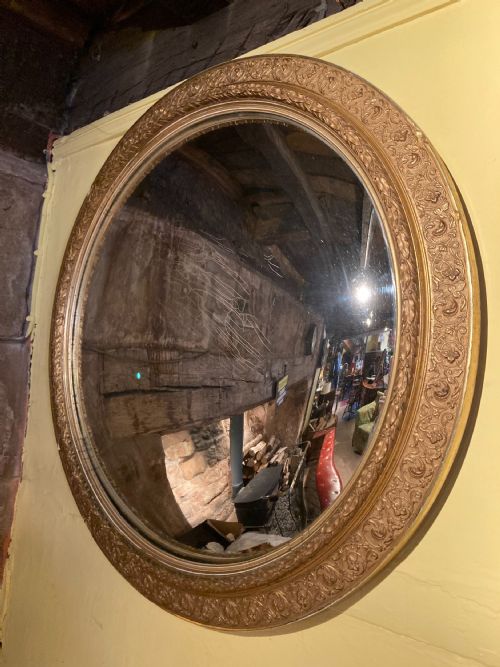


Antique Porthole Frame
An antique porthole frame brings deep nautical character into a room, offering circular reflection through heavy timber or gilded metal.
Antique Porthole Frame
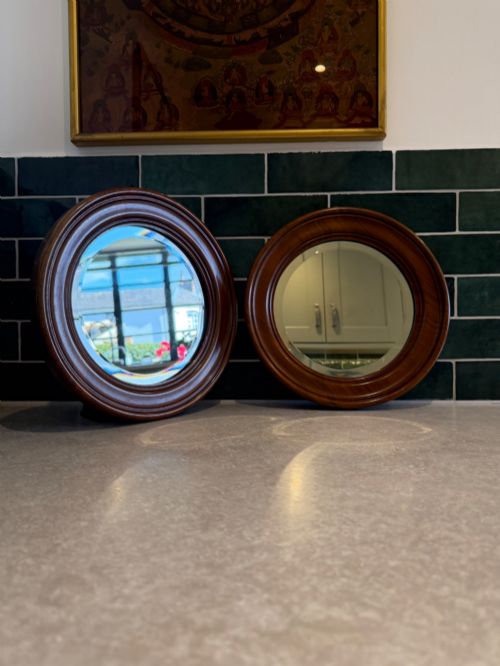
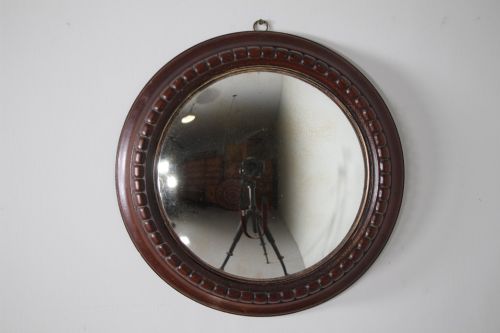
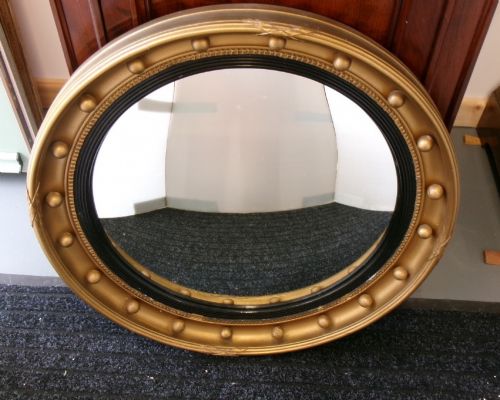
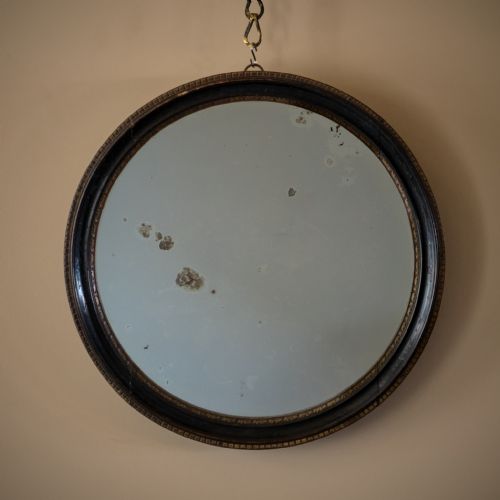
When you search for an antique porthole frame, you find circular wall mirrors and maritime items spanning the nineteenth century through the early twentieth century. The most common forms on this page are convex wall mirrors framed in giltwood, ebonised wood, and gesso, alongside ship's porthole pieces.
The styles range from Regency and Victorian to Regency Revival and Maritime. These circular frames serve as striking focal points in hallways and living spaces, capturing light across curved mirror plate.
How they were made
Makers shaped timber and applied gesso to build up deep, curved mouldings before finishing them with gold leaf or ebonised paint. Glass was cast into convex mirror plates to fit snugly within the circular wooden or gilt metal surrounds.
Joinery and metalwork combined to create robust structures capable of holding heavy glass securely in maritime or domestic settings. Artisans relied on traditional gilding techniques to impart a rich metallic sheen to the wood.
Antique Porthole Frame Retail Price Guide 2026
Typical asking prices for porthole frame among the pieces listed under this phrase on Sellingantiques today, from the lower quarter to the upper quarter. They describe what is for sale here now, not the wider market.
Every convex mirror bends the entire room back at you, proving that wall decor can double as a funhouse lens.
What varies in quality
The crispness of the gesso moulding and the depth of the gilding set superior frames apart from simpler examples. Finer pieces display smooth, unblemished mirror plates and tight corner joints in the timber.
The weight of the wood and the subtlety of the ebonised finish indicate the maker's hand. Higher quality pieces maintain intact, original framing details that retain their historical presence.
The Antique Porthole Frame Glossary
- Convex mirror
- A round mirror with an outward-curving glass surface that offers a wide-angle reflection of the room. This form is frequently styled as a porthole.
- Giltwood
- Timber coated with a thin layer of gold leaf. This material catches interior light across ornate circular mouldings.
- Ebonised wood
- Timber treated with a dark chemical or stain to resemble ebony. This finish provides a sharp contrast against gilt details.
- Gesso
- A plaster-like mixture applied to wood frames to create a smooth surface for gilding. It allows intricate relief work around the circular edge.
Antique Porthole Frame: Frequently Asked Questions
Where should I hang a convex porthole mirror?
These circular frames suit hallways, reception rooms, and spaces where they can reflect natural light from a window. Their compact shape works well above mantelpieces or narrower wall spaces.
Because the glass curves outward, the mirror captures a wide field of view, making smaller rooms feel larger and brighter.
How do I date an antique porthole frame?
Dating relies on examining the materials, backing boards, and the manufacturing methods of the mirror plate. Nineteenth-century examples often feature heavy timber frames with hand-applied gesso.
Later pieces from the early twentieth century display different edge bevels and modern fastening screws that help narrow down the period.
What is the difference between giltwood and gilt metal?
Giltwood consists of a carved wooden base covered in gold leaf, giving a warm, organic texture. Gilt metal utilises a metallic alloy structure that offers a heavier feel and different surface reflection.
Both finishes were used to frame circular mirrors during the Victorian and Regency periods, though wood remains more common.
Are these mirrors suitable for damp rooms?
Antique porthole frames feature delicate materials like gesso, wood, and silvered mirror plate that react poorly to excessive moisture. Bathrooms or unheated spaces can damage the backing and cause the gilding to flake.
Dry interior walls provide the stable environment needed to preserve the timber and the original glass over time.