



Antique Maritime Ceramics
Antique maritime ceramics capture the spirit of the sea through earthenware and porcelain decorated with ships, sailors and coastal scenes.
Antique Maritime Ceramics
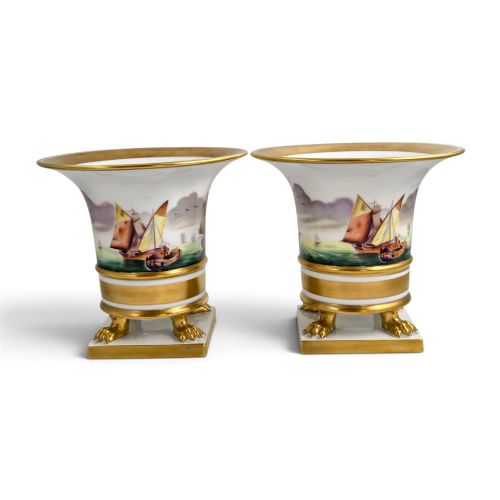
Antique maritime ceramics encompass a distinct group of pottery and porcelain created to record sea-faring life, naval victories and trade. Collectors seeking antique maritime ceramics find pieces ranging from utilitarian jugs and pitchers to decorative bowls, tiles and figurative groups.
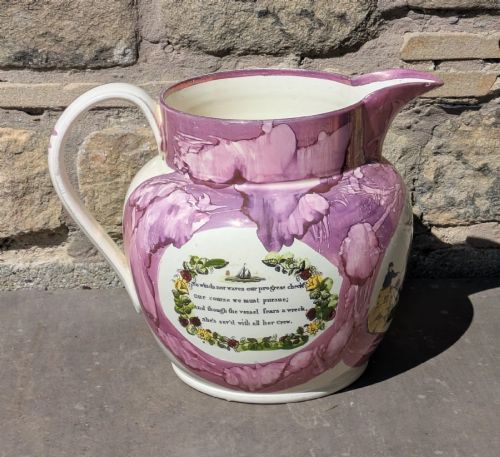
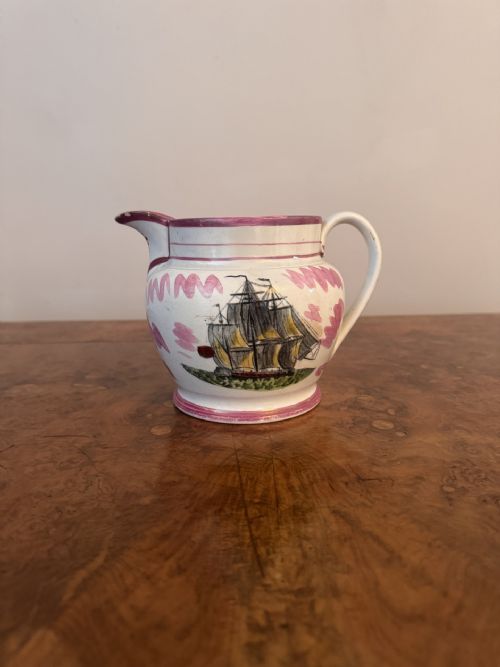
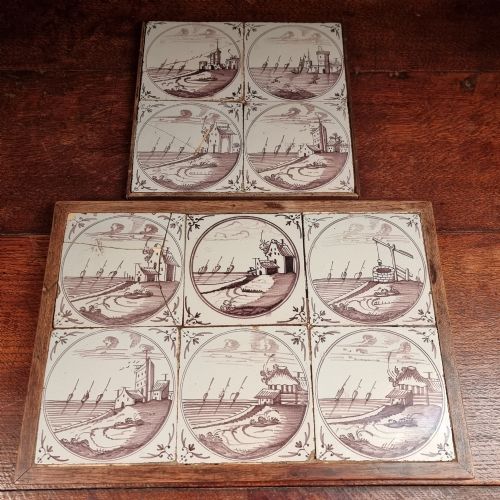
The selections span multiple eras, with pieces originating from the seventeenth, eighteenth and nineteenth centuries, including Georgian and Victorian examples. Common forms include Sunderland lustre jugs bearing tall ship transfers, Delft tiles depicting marine subjects, and porcelain figures of fisher folk.
Vessels linked directly to maritime history, such as Royal Navy officers mess bowls and Sailors Arms punch bowls, sit alongside cargo recovered from shipwrecks like the Vung Tau find. Continental works from French faience and Dutch Delftware traditions also feature among these sea-themed wares.
How they were made
Potters utilised materials such as earthenware, porcelain and tin-glazed earthenware to form these coastal objects, applying glaze to seal the porous clay bodies. Cobalt pigment provided the deep blue tones seen on Delftware and shipwreck porcelain, while enamel added colour to polychrome pieces.
Techniques varied from hand-painted tin glaze on Dutch tiles and coffee pots to printed transfers on Staffordshire and Sunderland lustre jugs. Stoneware served for heavy alcohol jars, and bisque figures captured sailors and fishing boats without glaze.
Antique Maritime Ceramics Retail Price Guide 2026
Typical asking prices for maritime ceramics among the pieces listed under this phrase on Sellingantiques today, from the lower quarter to the upper quarter. They describe what is for sale here now, not the wider market.
Listings feature earthenware, porcelain and stoneware formed into jugs, bowls, tiles and figures across the seventeenth to nineteenth centuries.
What varies in quality
The distinction between ordinary utility wares and finer examples rests on the crispness of the maritime transfer printing, the complexity of the painted maritime scenes, and the preservation of the metallic lustre finish. Sunderland jugs with detailed depictions of tall ships and legible inscriptions command greater interest than plain vessels.
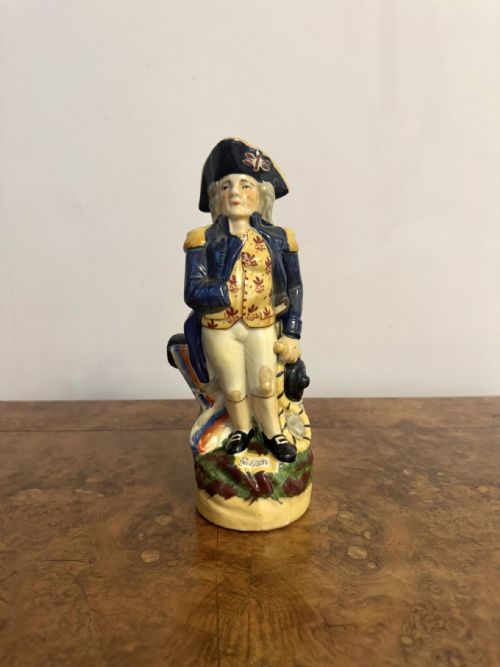
The sophistication of the modelling on figures representing sailors, fisher folk and Lord Nelson separates standard production from superior work. Furthermore, the clarity of cobalt pigment under the glaze and the intact survival of delicate enamel colours dictate the overall stature of a piece.
Doulton Lambeth·Herculaneum·Doulton of London
The Antique Maritime Ceramics Glossary
- Sunderland lustre
- A type of pink or metallic glaze applied to pottery, often featuring transfer-printed sailing ships and verses dedicated to sailors.
- Delftware
- Tin-glazed earthenware originating from the Netherlands or England, commonly painted in blue with marine motifs or geometric borders.
- Bisque
- Unglazed ceramic fired once, leaving a matte, porous surface popular for sculptural figures.
- Faience
- European tin-glazed earthenware, particularly associated with French and Dutch production centres.
- Toby jug
- A pottery jug modelled as a seated person, frequently depicting historic naval figures like Lord Nelson.
Antique Maritime Ceramics: Frequently Asked Questions
What subjects appear on maritime ceramics?
These pieces frequently display tall ships, sailing vessels, and specific naval scenes alongside portraits of historic commanders like Lord Nelson. Sailors Arms motifs and verses dedicated to those who go to sea also appear regularly.
Fisher folk and coastal workers form another common subject group, often rendered as ceramic figures or painted onto decorative plates and posy vases.
How do I identify a Sunderland lustre jug?
Sunderland lustre jugs are typically recognised by their distinctive pink or purple metallic sheen, which often resembles mottled marble across the body. They frequently carry transfer-printed images of sailing ships, local bridges or moral verses.
Most examples date from the nineteenth or late eighteenth centuries and were produced in the North East of England for sailors and coastal communities.
What is Dutch Delftware?
Dutch Delftware is a tin-glazed earthenware made in the Netherlands, known for its white surface painted with cobalt blue designs. Maritime examples often utilise tiles or chargers to depict sea battles, ships, and coastal life.
The style was widely copied in England and other parts of Europe during the seventeenth and eighteenth centuries.
Where were these ceramics used?
Maritime ceramics served both utilitarian and decorative purposes in taverns, homes, and aboard ships. Officers mess bowls and large punch bowls were utilised during naval gatherings and celebrations.
Smaller jugs, figures, and tiles functioned as domestic ornaments, commemorating voyages or expressing affection for family members at sea.