







Antique Marine Seascape Oil
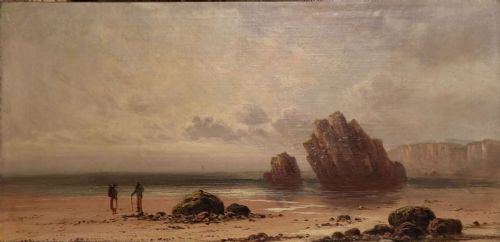
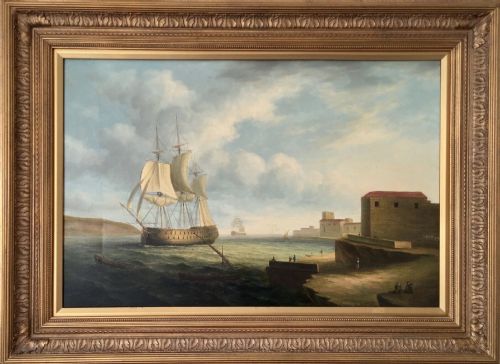
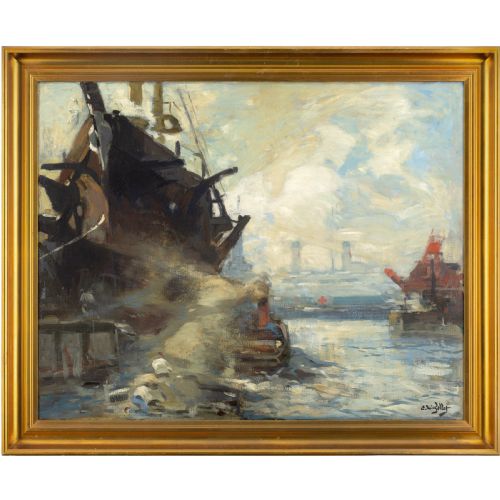
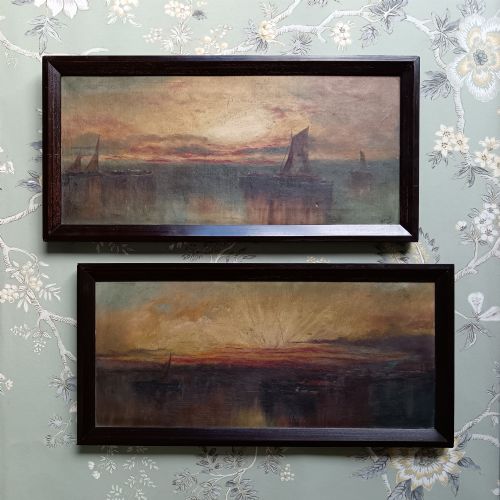
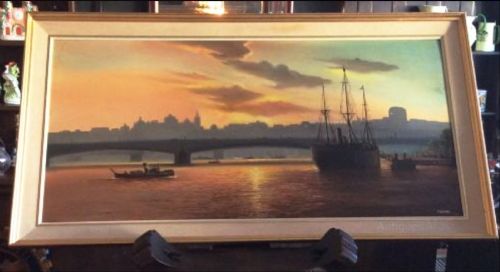
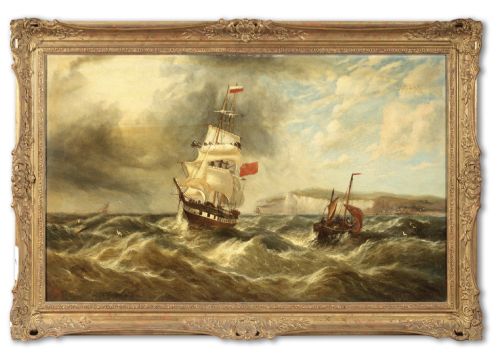
An antique marine seascape oil brings the raw power of the nineteenth-century ocean directly onto the wall through pigment and canvas.
Antique Marine Seascape Oil
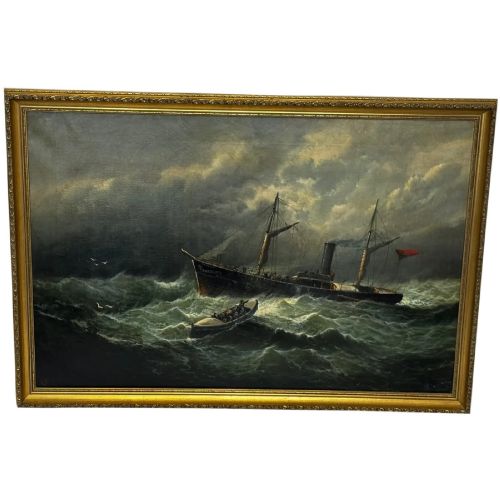
Most examples originate from British and European hands, spanning traditional maritime painters and regional artists documenting local ports. These paintings document historical vessels, commercial shipping, and dramatic rescues against changing tides and skies.
How they were made
Artists painted primarily with oil paint upon stretched canvas or wooden boards, occasionally applying heavy impasto to build up the texture of turbulent waves. Canvases were secured within decorative giltwood frames that added substantial weight and visual depth to the finished artwork.
Makers layered oil pigments to capture changing light conditions upon the water, utilising translucent glazes for deep seas and opaque whites for crashing foam. Many works received protective varnish layers that preserved the underlying colours over decades of display.
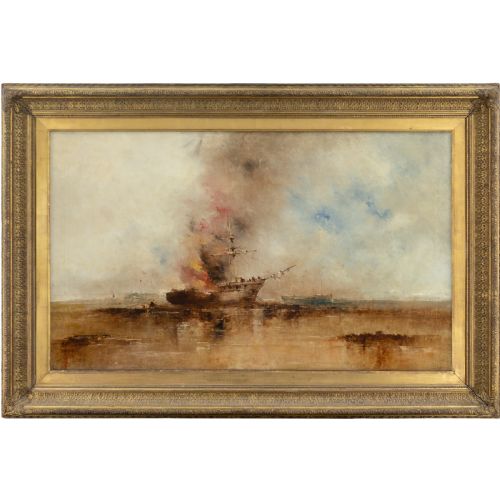
Several artists captured the exact moment a ship struck trouble, proving that Victorian buyers loved a dramatic rescue story just as much as we do.
What varies in quality
The distinction between ordinary trade paintings and superior works rests upon the artist's command of maritime anatomy and atmospheric light. Master painters render rigging, hull structures, and wave motion with precise technical accuracy, whereas lesser hands produce stiff vessels upon uniform water.
Framing also separates the tiers, as original period giltwood frames designed specifically for the canvas command greater appreciation than later replacements. The subtlety of the palette and the dynamism of the composition determine whether a seascape holds lasting artistic merit.
Eugène-Louis Gillot·William McAlpine·B. Nash·Bernard Gribble·Bonaventura Peeters·F. Corpuz·Bernard Benedict Hemy·Thomas Creswick·Willem Bos·John Wilson Carmichael·Lai Fong·John Moore of Ipswich·Nicholas Condy·William Henry Williamson·John Holland·Abraham Hulk I·Charles William Wyllie·Leopold Pascal
The Antique Marine Seascape Oil Glossary
- Impasto
- Paint applied thickly to a canvas, standing out in relief from the surface. This technique allows artists to recreate the physical texture and raised ridges of crashing ocean waves.
- Giltwood
- Wood carved and covered with a thin layer of gold leaf or gold paint. These ornate frames were standard for nineteenth-century oil paintings to enhance their visual impact.
- Provenance
- The documented history of ownership tracing an artwork from its creation to the present day. Strong provenance adds verifiable context to maritime paintings.
- Panel
- A flat wooden board utilised as a rigid support for oil painting instead of woven canvas. Panels were frequently favoured by artists working on smaller scales.
Antique Marine Seascape Oil: Frequently Asked Questions
How do I date a marine oil painting?
Dating relies heavily upon the style of the vessels depicted, the costume of any figures, and the construction methods of the canvas support and stretcher frames. Clues also emerge from signatures, inscriptions on the reverse, and the framing materials.
Examine the type of wood and nails used in the stretcher frame, as mass-produced metal tacks generally indicate later nineteenth or twentieth-century manufacture. Comparative research into the artist's active exhibition years provides the firmest chronological anchor.
Where should I hang a marine oil painting?
These works require stable interior environments away from direct sunlight and excessive humidity to protect the oil paint and canvas from cracking. Placing them on a solid wall allows the heavy giltwood frames to hang securely.
Avoid positioning paintings above active fireplaces where rising heat and soot can damage the delicate varnishes. Good ambient room lighting helps reveal the subtle tonal shifts in the water and sky.
Why are some seascapes painted on wood?
Wooden panels provided a rigid, stable surface that required less preparation than woven canvas and resisted punctures during transport. Artists often preferred panels for smaller marine sketches executed outdoors near the coast.
Panels also prevented the slackening or sagging that damp sea air could sometimes cause in stretched canvas. Over time, wood requires careful climate control to prevent warping along the grain.