


Antique Marble Ornaments
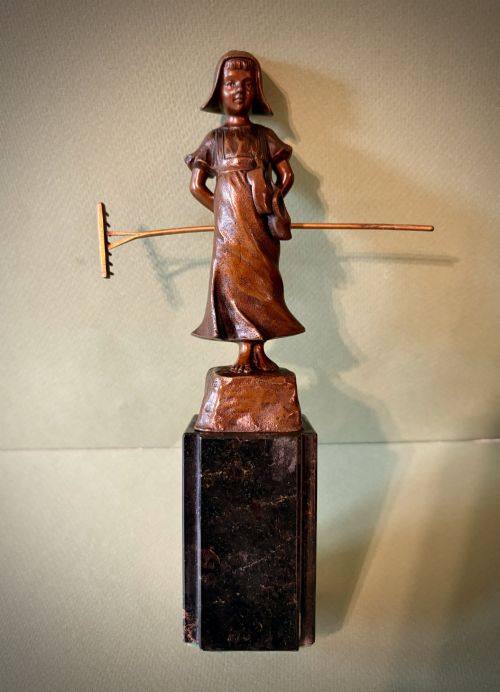
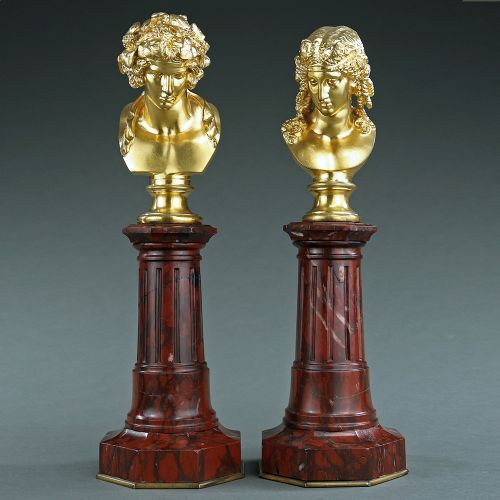
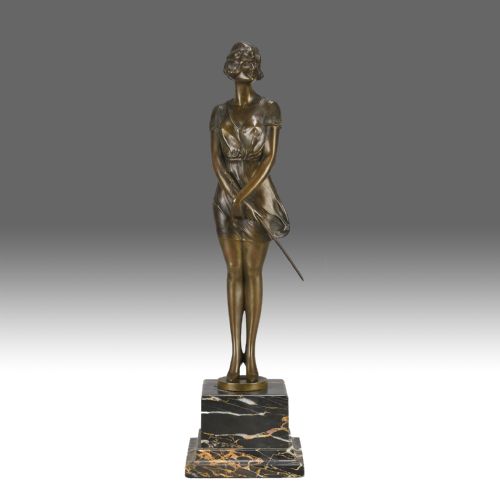
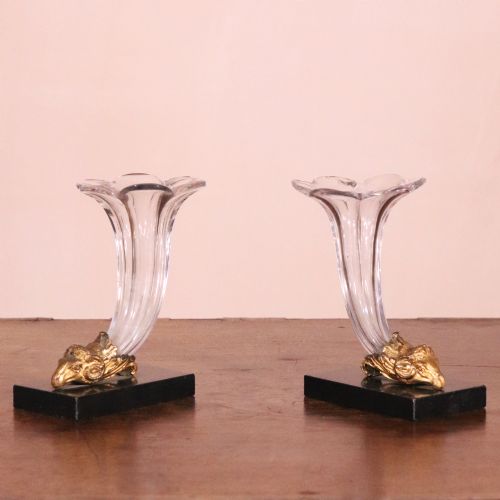
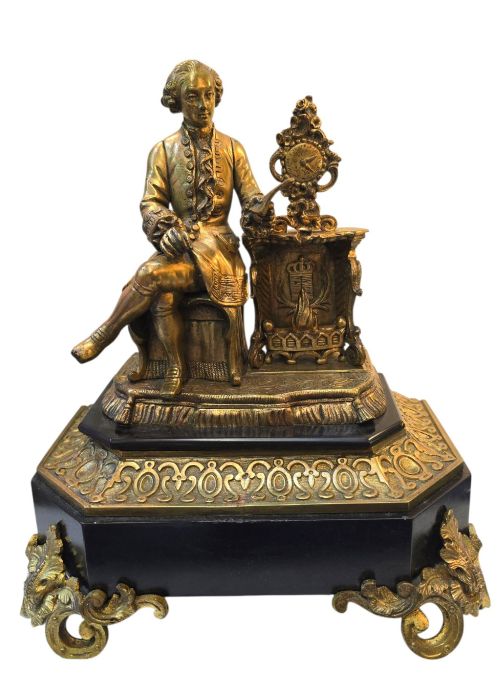
These antique marble ornaments combine carved stone with cast metal to bring classical form and period weight into a room.
Antique Marble Ornaments
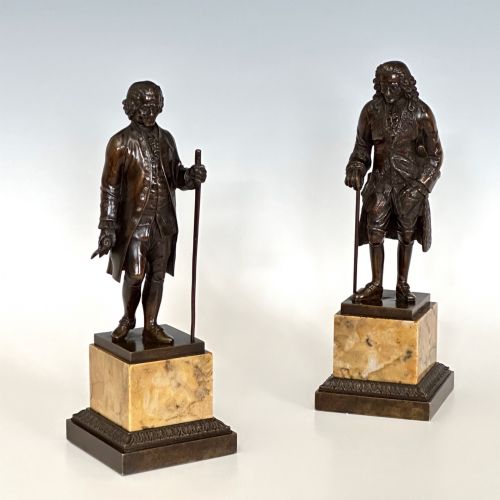
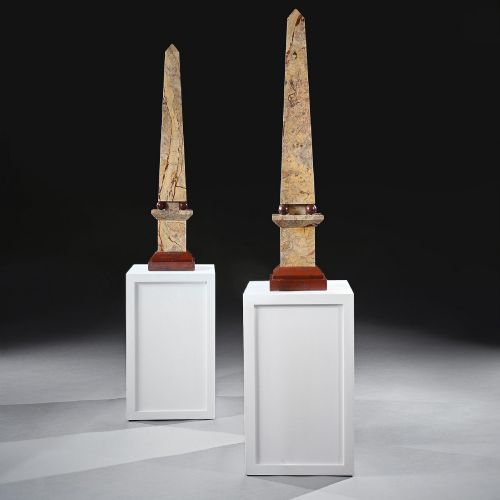
When searching for antique marble ornaments, buyers encounter a diverse selection of sculptural objects and decorative items grounded in nineteenth-century and early twentieth-century manufacture. The most frequent forms include classical figures mounted on stone plinths, architectural obelisks, and architectural models originating from European traditions.
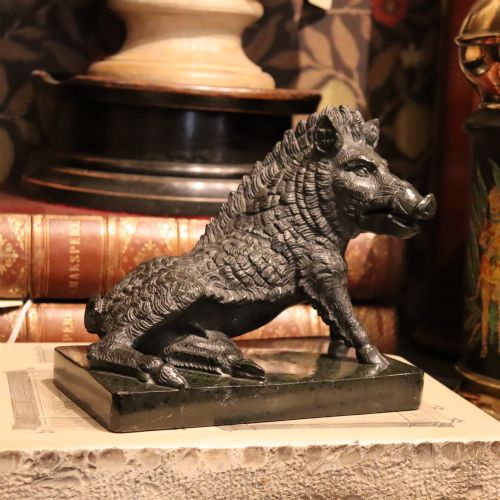
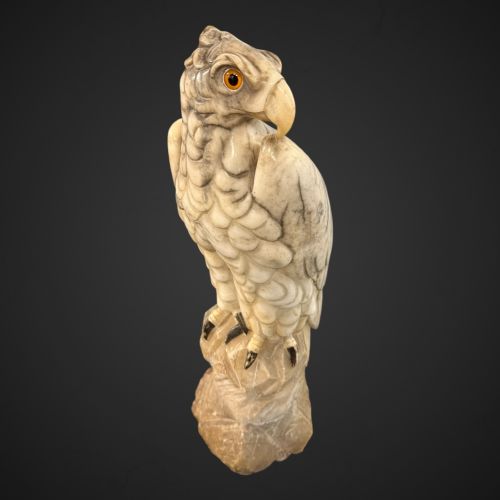
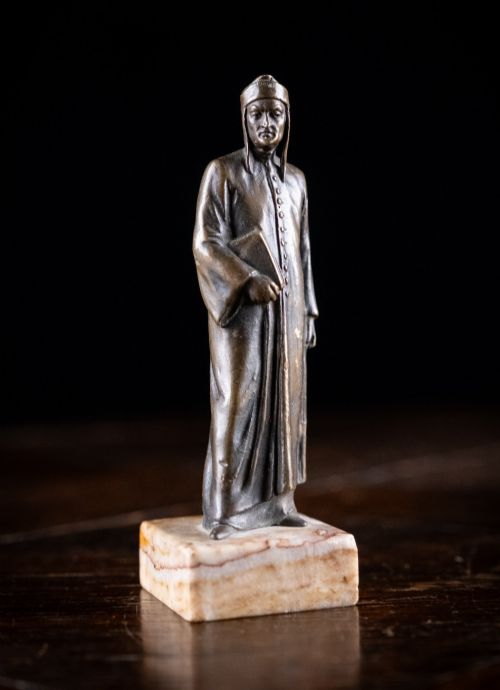
The inventory on this page draws heavily from Grand Tour souvenirs, French bronze casting, and Victorian decorative arts. Pieces range from small animal studies and portrait busts to monumental pairs of tazzas and specimen marble obelisks.
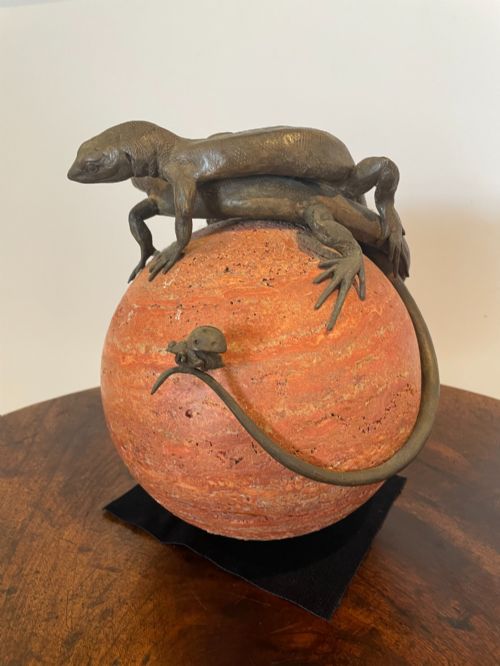
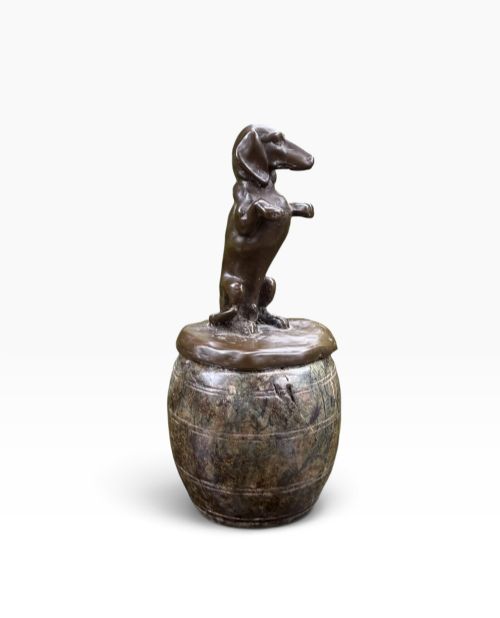
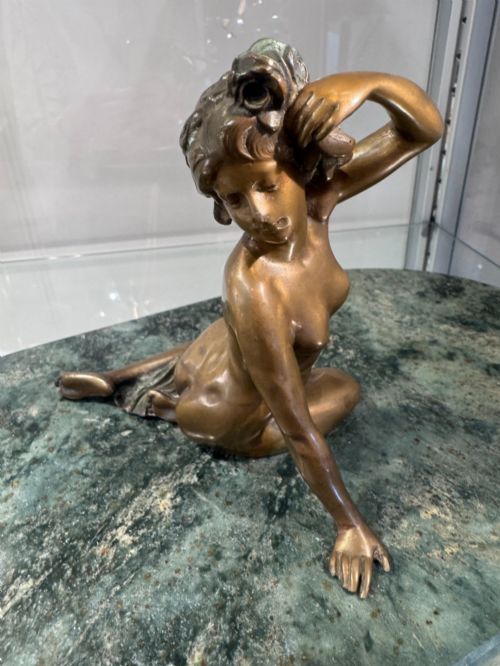
Makers and subjects lean towards classical mythology, historical figures, and natural history studies. Many objects pair a dark or veined stone base with patinated metal, gilt bronze, or ormolu figures.
How they were made
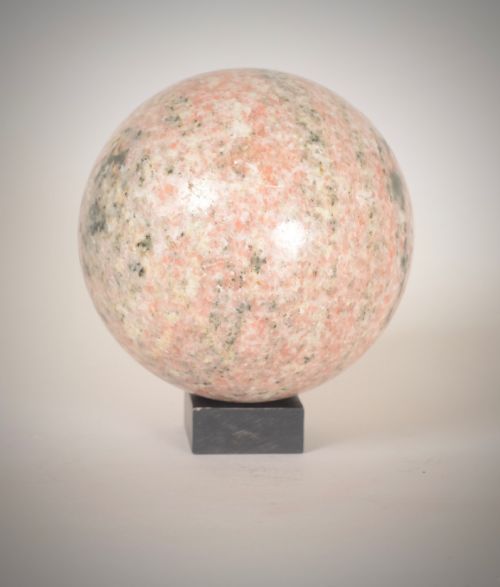
Production relies upon the combination of stone masonry and metal casting, utilising materials such as Carrara marble, Siena marble, Portasanta marble, and Rosso Antico alongside bronze and gilt bronze. Sculptors and masons turned blocks of coloured and white stone on lathes or carved them by hand to form obelisks, tazzas, and architectural models.
Metal elements undergo traditional lost-wax or sand casting before receiving hand-chiselling, patination, or fire-gilding. Figures are then mounted securely onto stone bases or plinths using threaded pins or fitted mountings.
Several stone lions gaze across the centuries with expressions of mild confusion, having survived grand travels tucked inside velvet-lined trunks.
What varies in quality
The selection of the marble itself creates a distinction between ordinary production and exceptional items. Richly figured stones with natural veining, such as Siena marble or Blue John, require greater skill to work without fracture than plain varieties.
Bruno Zach·Pierre-Augustin Caron de Beaumarchais·Claude Michel Clodian·Emile Carlier·Antonio Canova·Aurore Onu·Thomas Hope·Emile Guillemin
The Antique Marble Ornaments Glossary
- Grand Tour
- A traditional trip through Europe undertaken by upper-class young men in the eighteenth and nineteenth centuries to collect art and antiquities. Souvenirs purchased on these journeys often included miniature bronzes and marble architectural models.
- Ormolu
- Finely ground high-carat gold applied to a bronze base using a mercury amalgamation technique. This finish imparts a warm, durable golden lustre to metal mounts and decorative elements.
- Siena Marble
- A yellow variety of limestone quarried in Tuscany, featuring dark grey or brownish veining. It was highly favoured for nineteenth-century decorative objects and pedestals.
- Tazza
- A shallow saucer-like ornamental vessel mounted on a stem and foot. They are frequently carved from coloured stones or cast in bronze.
- Pietra Dura
- An inlay technique using cut and fitted polished coloured stones to create geometric or figurative images. It appears on decorative panels and specimen objects.
Antique Marble Ornaments: Frequently Asked Questions
What are Grand Tour marble ornaments?
Grand Tour ornaments are decorative objects and architectural models purchased by travellers in Europe during the nineteenth century. They served as physical records of classical art and ancient sites.
These pieces typically replicate famous statues, ruins, or temples using materials like marble, bronze, and alabaster.
How do I identify different types of marble?
Identifying marble types involves observing the background colour and the pattern of the natural veining. For instance, Siena marble displays a yellow ground with dark grey streaks, while Carrara is known for its white or grey crystalline appearance.
Examining the weight, polish, and geological markings helps separate natural stones from artificial compositions.
Where should I place these ornaments at home?
These heavy sculptural pieces suit stable surfaces such as mantelpieces, sideboards, or dedicated console tables. Their dense stone bases require sturdy furniture that can support considerable weight.
Keeping them away from direct sunlight and high-moisture areas protects both the stone surface and the metal patination.
How do I clean antique marble and bronze?
Cleaning requires a soft, dry microfibre cloth to remove dust without abrasive friction. Water and chemical cleaners should be avoided, as moisture can penetrate porous stone or damage historic metal patinas.
Professional conservators should handle any deep cleaning or structural repairs to preserve the material integrity.