

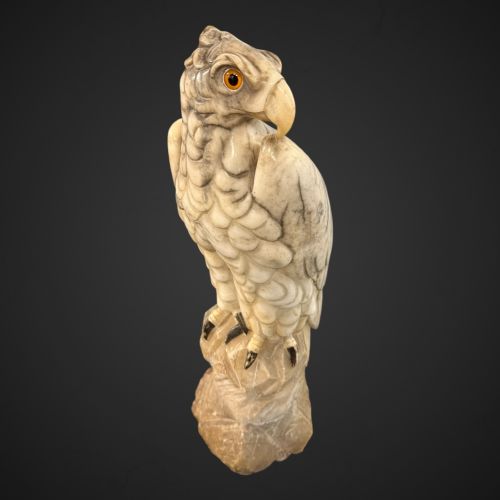
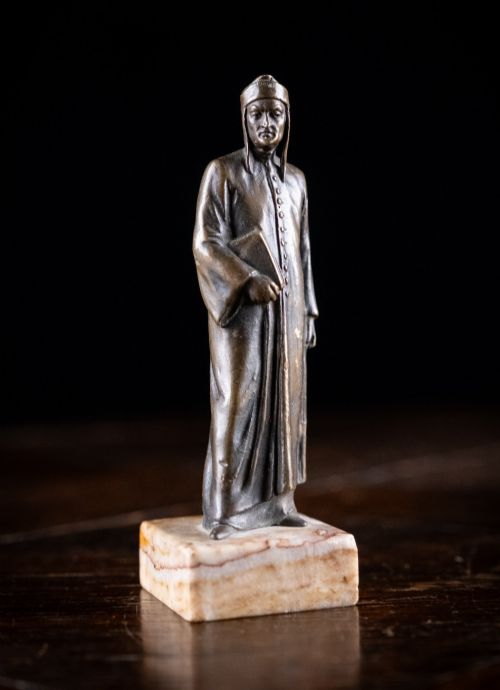
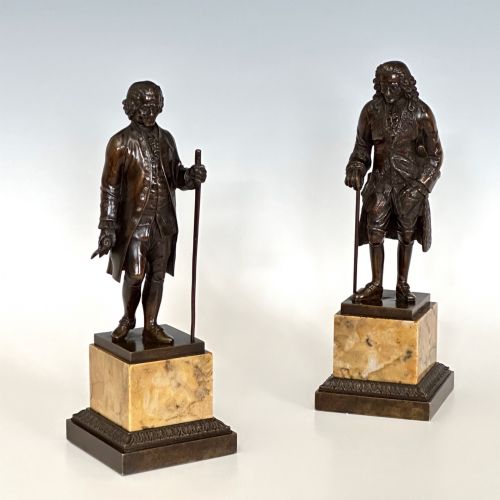
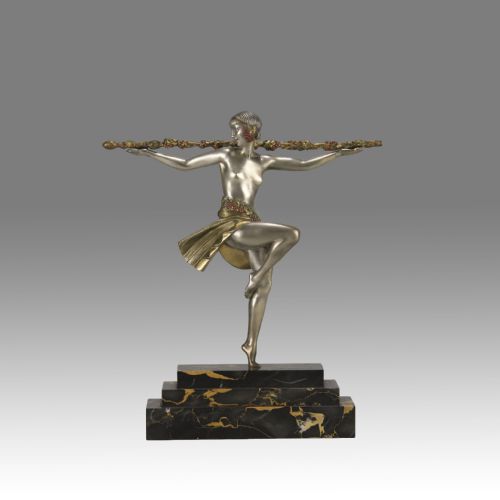
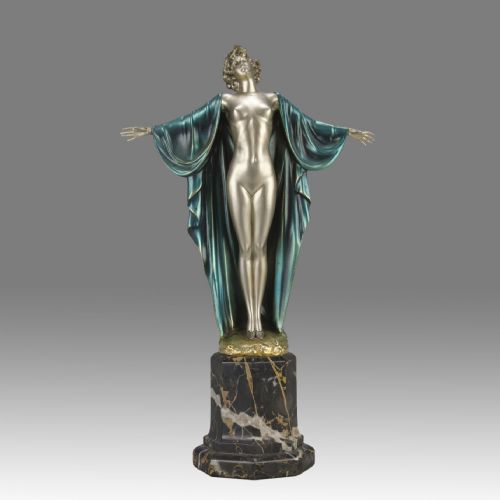
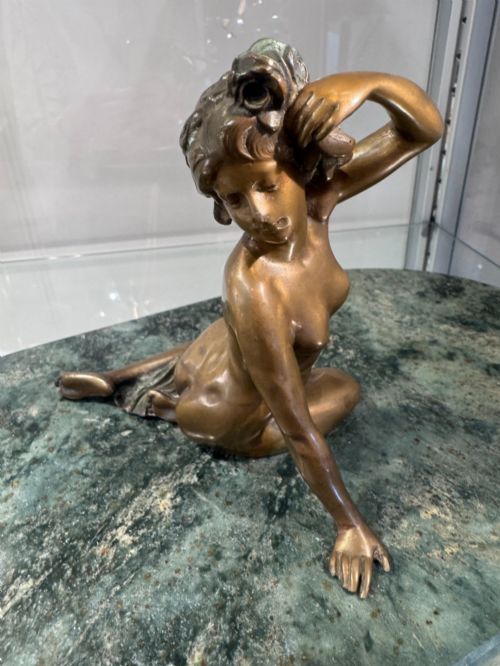
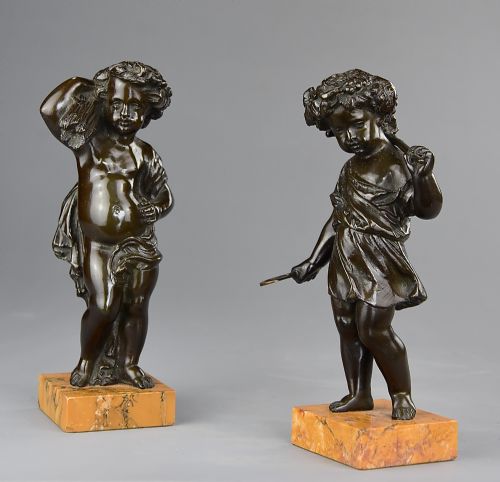
Antique Marble Figure Sculpture
These pieces range from Neoclassical carvings to Art Deco figures, offering a physical connection to classical antiquity and later European sculpture.
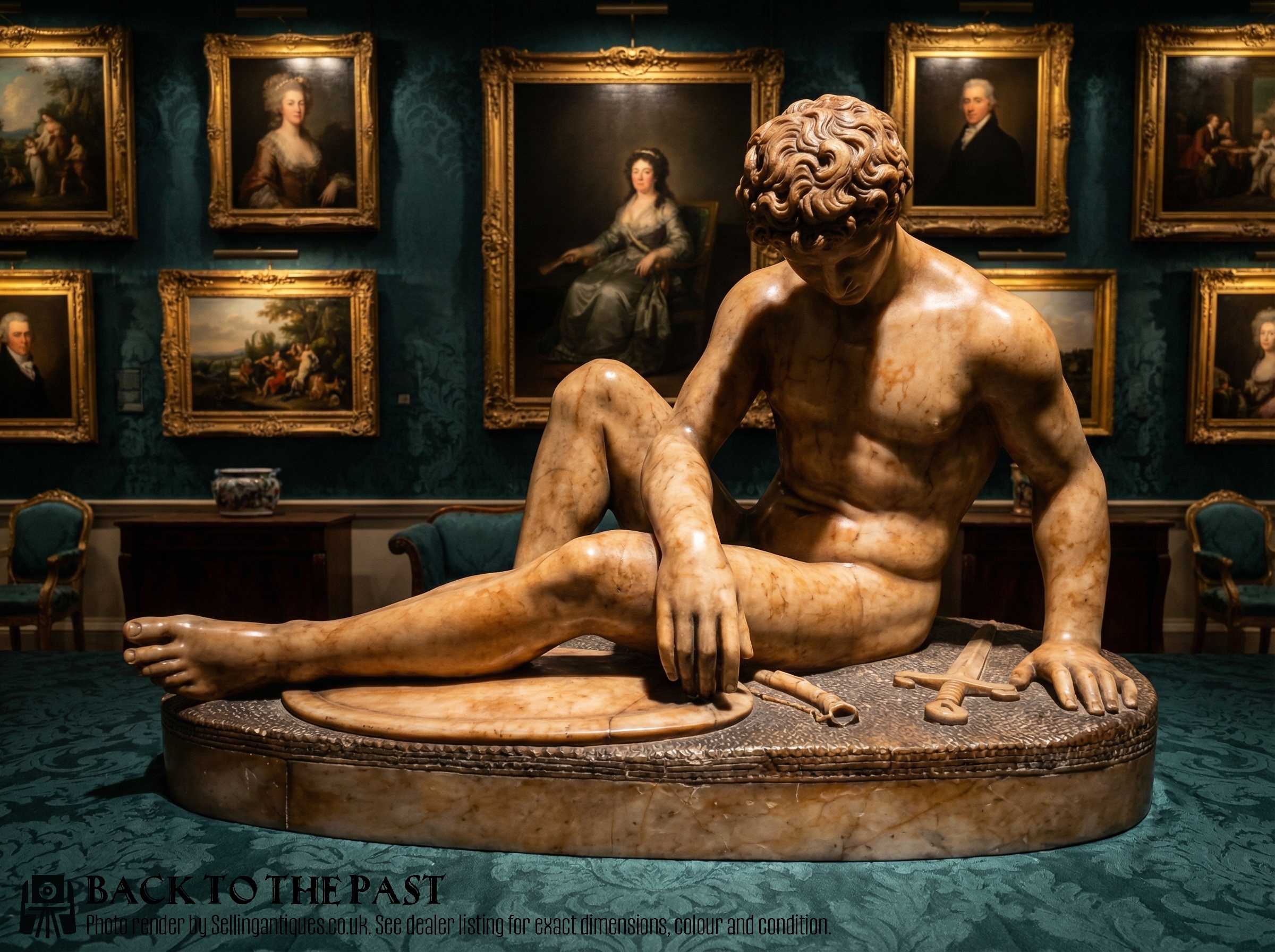
Antique Marble Figure Sculpture
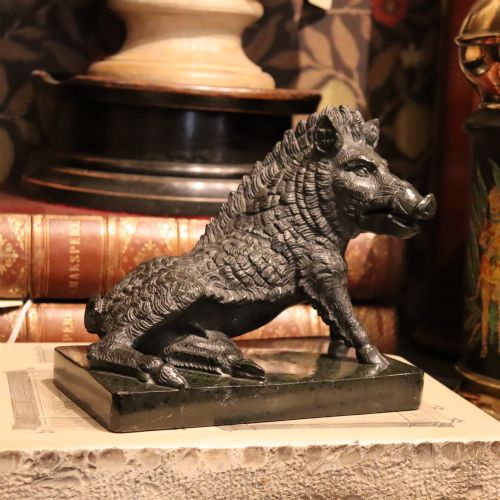
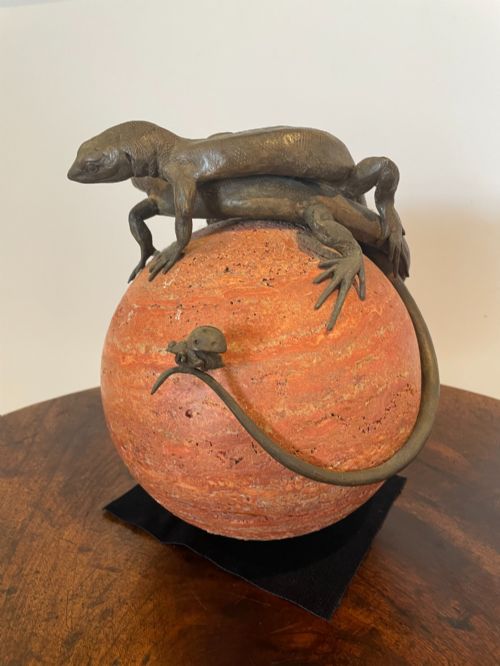
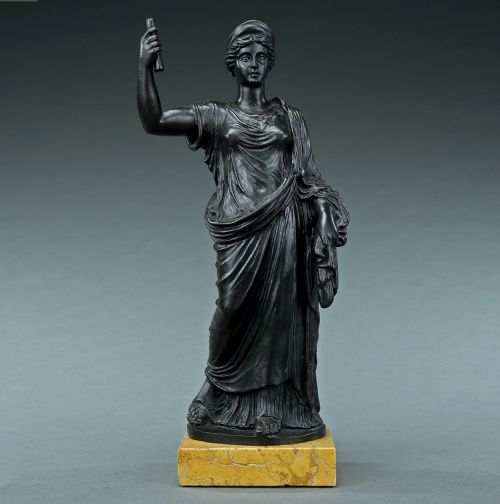
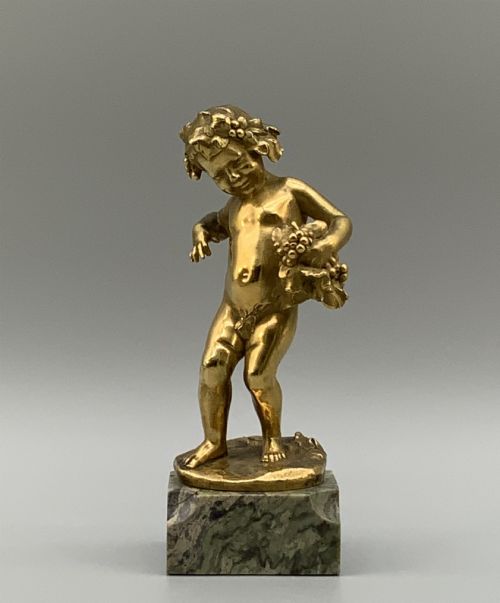
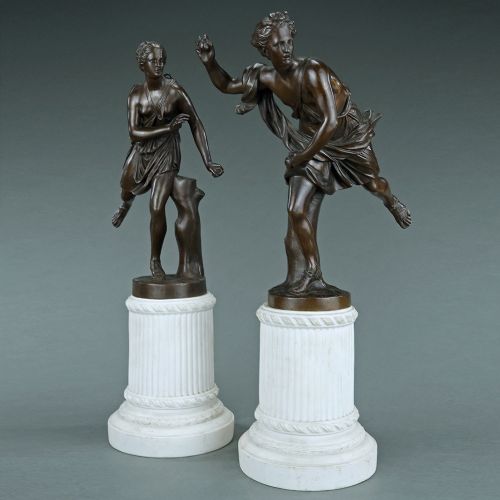
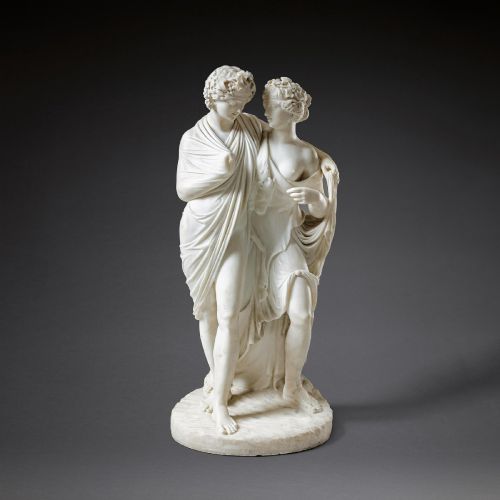
When buyers search for an antique marble figure sculpture, they encounter carved stone works alongside mixed media pieces that pair metal figures with heavy stone bases.
The most common examples on this page date from the nineteenth century, encompassing Italian Grand Tour souvenirs, classical busts, and allegorical subjects.
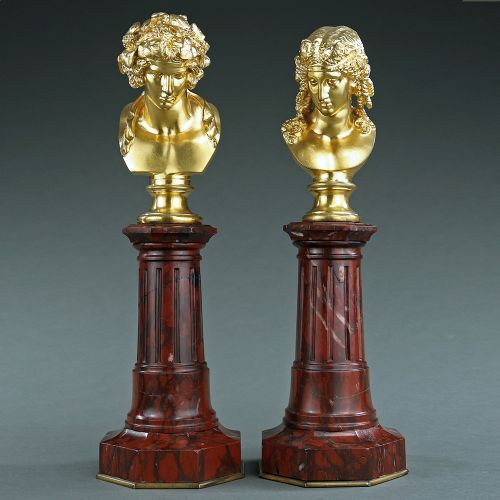
Forms vary widely from small cabinet statues and portrait busts to life-scale figures and mounted architectural elements resting on fossil or veined marble plinths.
How They Were Made
Carvers shaped white statuary marble, Carrara marble, and green verdo prato by hand using chisels, rasps, and abrasive powders to achieve smooth flesh and crisp drapery.
Foundries produced companion metal elements using the lost-wax method for bronze or employed gilt bronze, cold-painted metal, and parian porcelain alongside the stone.
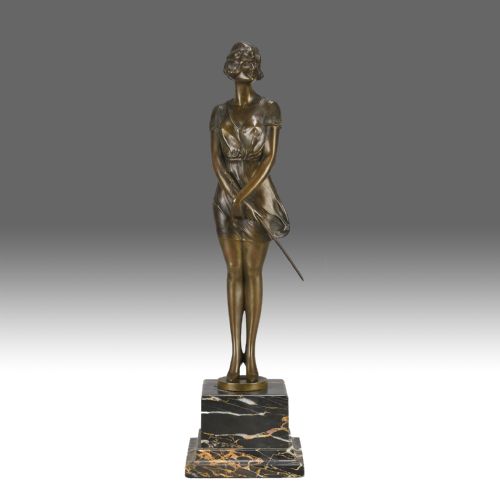
Base integration required stone-cutting skills to mount heavy figures securely onto fossil marble, slate, or multi-coloured mineral plinths.
Listings feature works spanning the nineteenth and early twentieth centuries, utilising materials from Carrara marble and alabaster to bronze and parian porcelain.
What Varies in Quality
Quality rests upon the sensitivity of the carving and the fidelity of the casting, distinguishing master interpretations from routine workshop output.
The choice of stone dictates visual depth, where dense veining and flawless crystalline structures elevate a piece far above uniform grey stone.
Execution of fine details, such as hair texture, facial expression, and the crisp rendering of hands, separates ambitious studio work from standard commercial production.
Charles Louis Malric·Susse Frères·Barbedienne·Bruno Zach·Pierre le Faguays·Ferdinand Preiss·Claude Michael Clodion·Barranti·Minton·Copeland·August Moreau·Affortunato Gory·Michel Victor Acier
The Antique Marble Figure Sculpture Glossary
- Grand Tour
- A nineteenth-century tradition where wealthy travellers collected classical art and architectural models in Italy. These souvenirs formed the basis of many British and European collections.
- Carrara Marble
- A white or blue-grey stone quarried in the city of Carrara in Tuscany, prized since Roman times for its fine grain and suitability for portrait busts.
- Parian Ware
- A fine-grained, unglazed porcelain developed in the nineteenth century to imitate carved marble. It was widely used for portrait busts and literary figures.
- Verdo Prato
- A dark green Italian marble often utilised for architectural details and small sculptural bases. Its deep tone provides a striking contrast to pale stone figures.
- Patinated Metal
- A surface treatment applied to bronze, brass, or softer metals to simulate natural oxidation or age. It protects the metal while adding depth to sculptural contours.
Antique Marble Figure Sculpture: Frequently Asked Questions
What is a Grand Tour sculpture?
Grand Tour sculptures are nineteenth-century reductions of famous classical antiquities, purchased by travellers journeying through Italy. They served as scholarly mementos for domestic display.
These pieces were typically cast in bronze or carved in marble to replicate museum masterworks in miniature form.
How do I care for marble figures?
Dust marble regularly with a soft, dry cloth to prevent particulate buildup on porous surfaces. Avoid using household cleaning agents or water, which can stain or erode the stone.
Keep pieces away from direct heat sources and sudden temperature fluctuations to preserve the structural integrity of the stone.
What is the difference between marble and parian ware?
Marble is a natural metamorphic rock formed from limestone, showing unique veining and crystalline depth under hand carving. Parian ware is a moulded nineteenth-century ceramic developed to imitate the matte surface of white marble.
While parian offers uniform detail through industrial casting, marble retains the individual tool marks and geological variations of carved stone.
How can I identify nineteenth-century pieces?
Nineteenth-century pieces often display specific foundry marks, signatures, or patination styles associated with European workshops of the period. The choice of marble, such as veined Carrara or fossil varieties, aligns with Victorian and Restauration taste.
Examine the underside of the base and mounting pins, which frequently reveal period construction methods distinct from modern manufacturing.