



Antique Mantel Cassolettes
Antique mantel cassolettes are reversible decorative vessels that transform from covered urns to candle holders, bringing classical French elegance to any room.
Antique Mantel Cassolettes
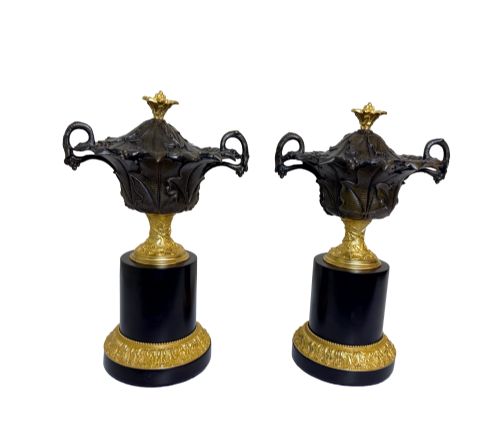
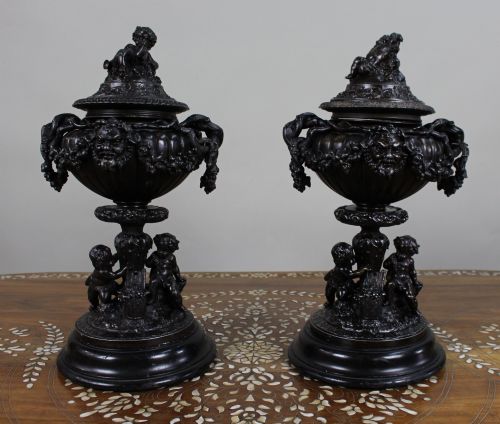
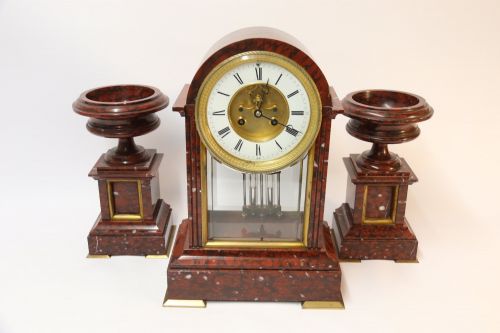
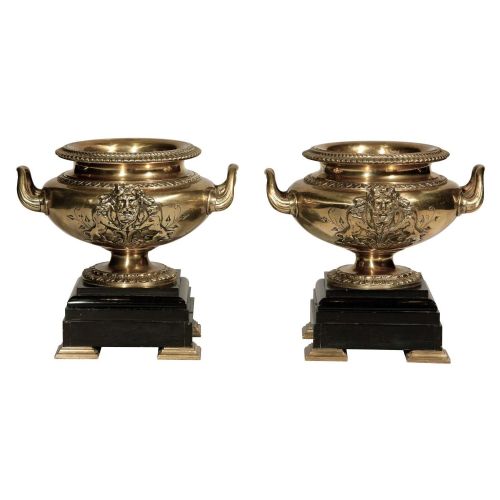
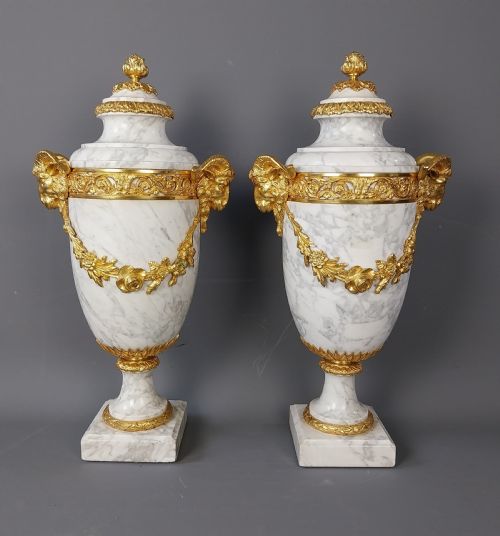
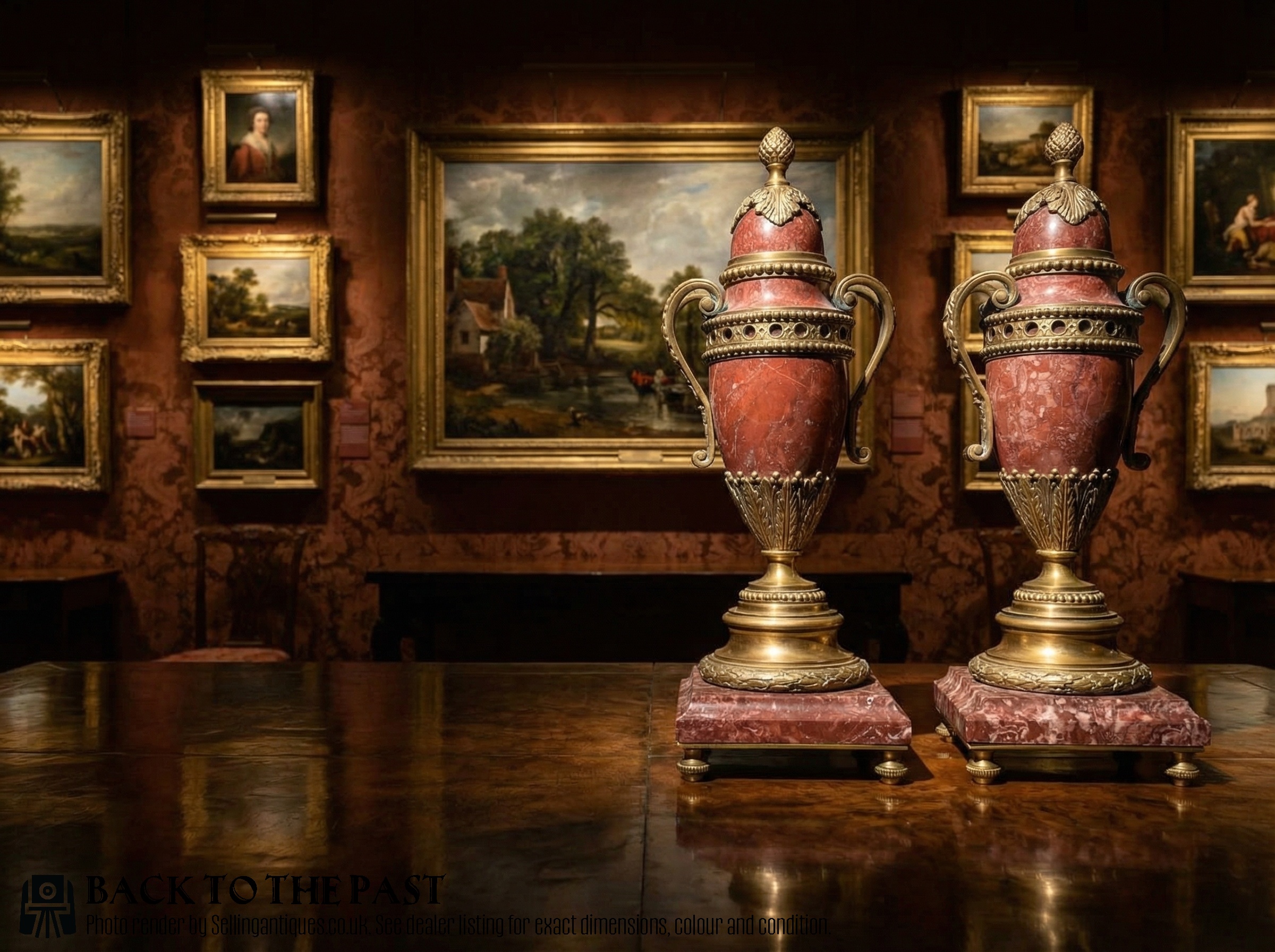
When you search for antique mantel cassolettes, you encounter dual-purpose ornamental vessels designed to sit upon a fireplace shelf or a clock garniture. These pieces frequently appear as matched pairs originating from the nineteenth century, spanning periods such as the Regency era and the late nineteenth century.
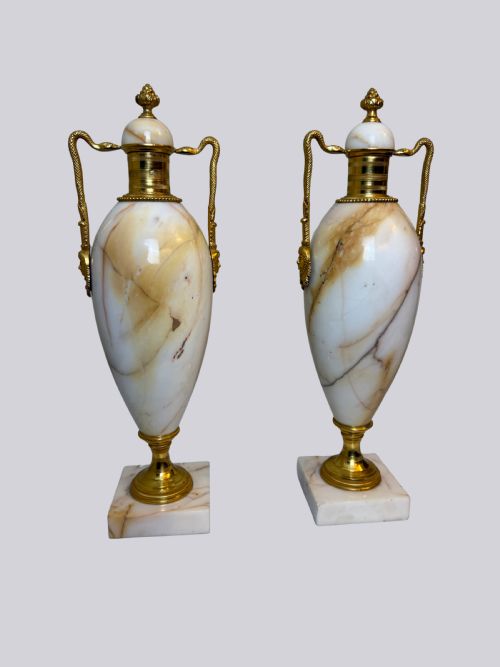
The form typically involves a reversible lid, presenting a solid decorative finial on one side and a candle socket on the reverse. Surviving examples often incorporate classical campana shapes and mounting upon decorative plinth bases.
Makers and manufacturers employed traditional European motifs, drawing heavily upon French Neoclassical, Louis XVI style, and Grand Tour traditions. These decorative objects served primarily as visual centrepieces in formal interiors.
What varies in quality
The refinement of the casting work dictates the distinction between standard and superior examples. Finely chased bronze details and crisp, articulated ornamentation separate exceptional pieces from simpler utilitarian castings.
The choice and execution of the stone components also drive variation across the range. Selected marbles with rich veining and precise turning paired with heavy fire-gilded ormolu represent the highest standard of production.
The listings show pieces spanning the nineteenth century, including Regency, Victorian, and 1890 periods, executed in gilt bronze, ormolu, marble, and porcelain.
The Antique Mantel Cassolettes Glossary
- Cassolette
- A reversible ornamental vase featuring a lid that conceals a candle nozzle on its reverse side. This allows the vessel to function as either a closed decorative urn or a candelabrum.
- Ormolu
- Finely chopped high-karat gold applied to a bronze base using a mercury amalgamation technique. This process produced a durable, brilliant golden surface characteristic of fine nineteenth-century French metalwork.
- Garniture
- A set of matching decorative objects, typically comprising a central mantel clock flanked by a pair of vases, urns, or cassolettes. These matched assemblies created symmetrical arrangements on nineteenth-century mantelpieces.
- Campana
- A bell-shaped classical vessel form with an everted rim and a tapering lower body. This ancient silhouette heavily influenced nineteenth-century urn and cassolette designs.
- Grand Tour
- A cultural journey undertaken by wealthy young Europeans to study classical antiquities. Souvenirs brought back from these travels inspired the neoclassical style seen in many nineteenth-century bronzes and marbles.
Antique Mantel Cassolettes: Frequently Asked Questions
What is a cassolette?
A cassolette is a decorative urn with a reversible lid that transforms the vessel into a candle holder.
This clever dual function allowed nineteenth-century homeowners to alter their mantelpiece displays between ornamental urns and functional lighting.
How do I use them on a mantel?
Pairs of cassolettes traditionally flank a central mantel clock as part of a garniture set.
You can also display them independently on a console table or cabinet, choosing whether to display the solid decorative lid or flip it to reveal the candle socket.
How can I tell the period?
Dating relies on stylistic clues such as the severity of the neoclassical lines, the patination of the bronze, and the specific type of marble used.
Regency examples tend to show early nineteenth-century classical restraint, whereas late nineteenth-century pieces often reflect Louis XVI revival exuberance with rich ormolu mounts.
Are they all French?
While a large proportion of surviving examples originate from French workshops and makers, Italian and English makers also produced classical bronze and marble urns during the nineteenth century.
Stylistic markers and material choices generally point toward the specific regional traditions of the period.