





Antique Male Nude Figurine
An antique male nude figurine brings classical form and sculptural bronze into a room, spanning Grand Tour souvenir pieces and late nineteenth-century salon works.
Antique Male Nude Figurine
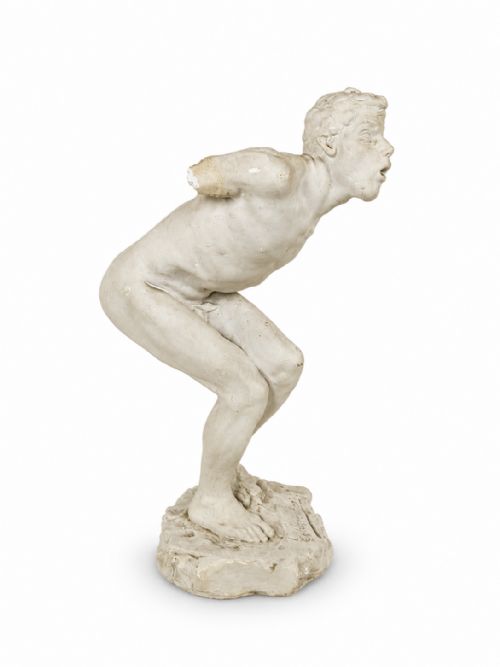
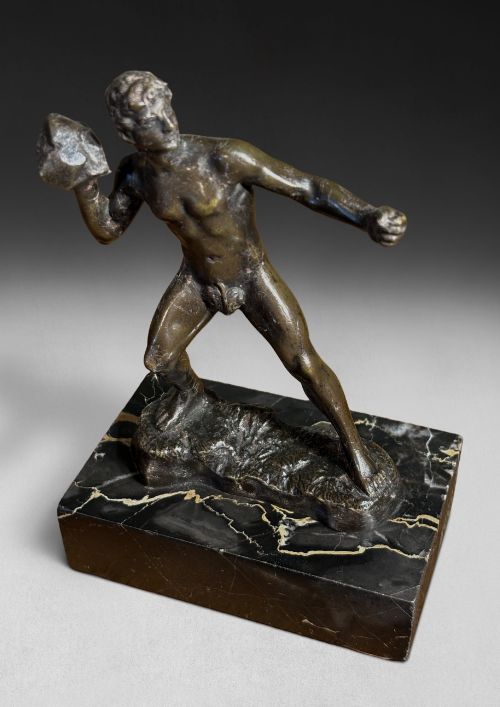
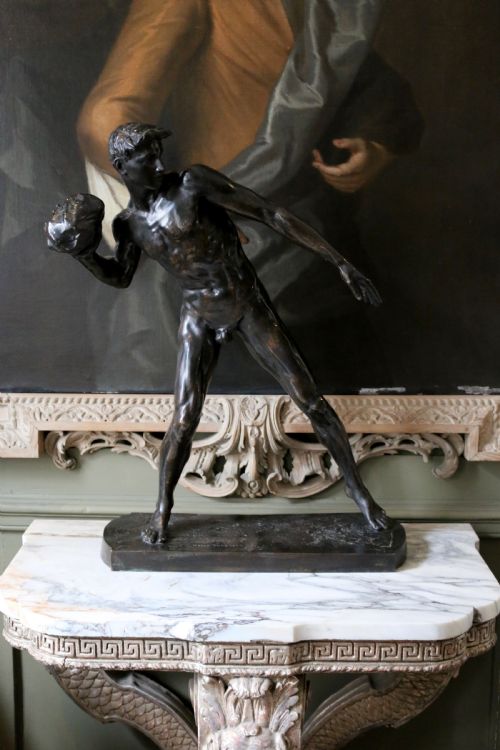
When you search for an antique male nude figurine, you encounter sculptural works spanning the nineteenth century and early twentieth century. These pieces draw heavily on classical antiquity, depicting mythological figures, athletes, and heroes in cast bronze and stone.
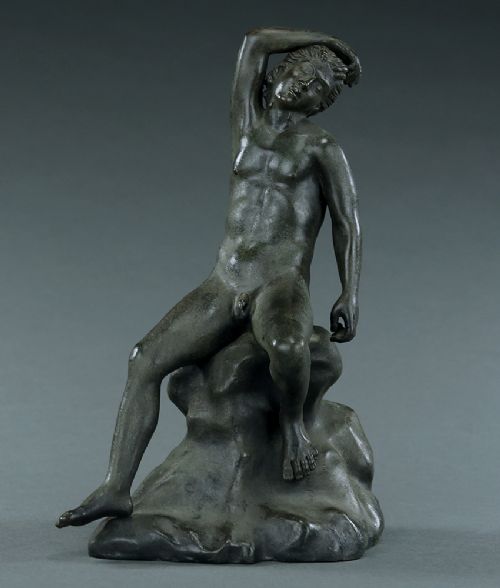
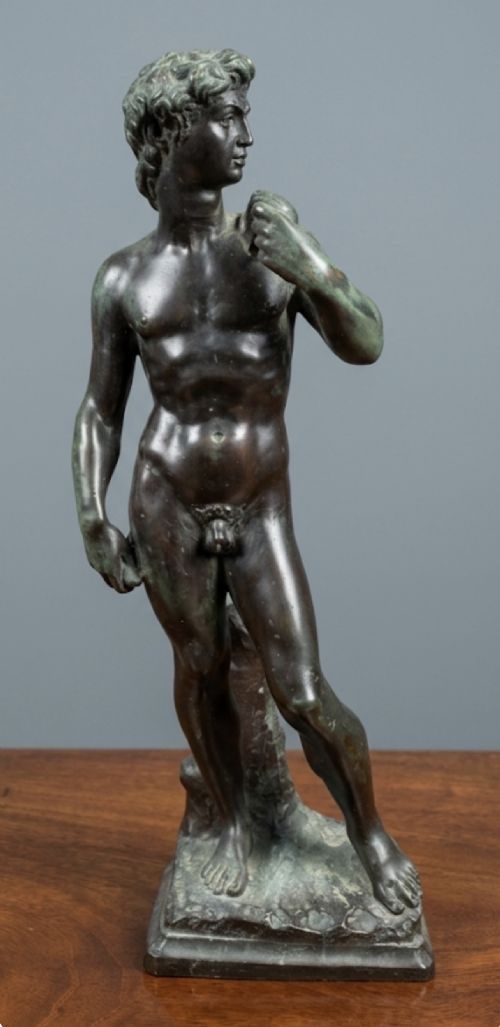
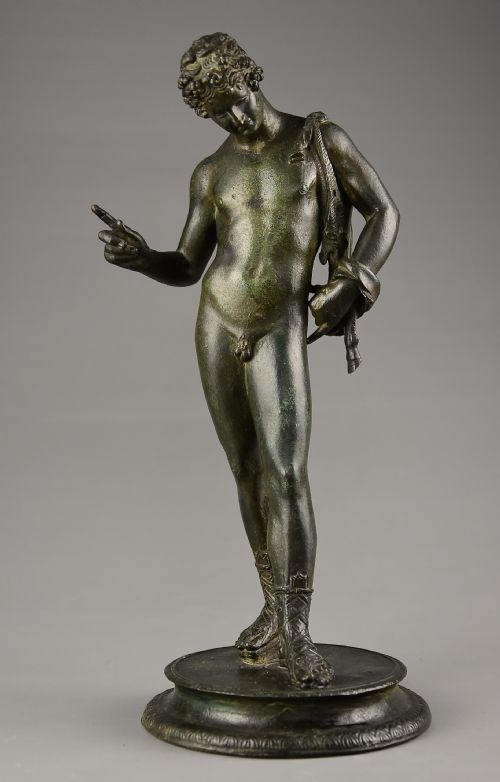
The most common examples on this page are Grand Tour bronzes produced in the nineteenth century, alongside Victorian New Sculpture and Academic Realism pieces. You find subjects such as Narcissus, David, fauns, and athletes resting on rocks or horses.
Originating largely from European foundries and classical traditions, these sculptures capture the male form through Neoclassical and Academic lenses. They range from small cabinet figures to larger workshop studies.
Materials and methods
Foundries cast these figures primarily in bronze, utilising traditional lost-wax methods to capture musculature and anatomical detail. Many examples receive patination treatments, ranging from dark green and verdigris finishes to warm brown tones.
Marble and stone occasionally serve as bases for the metal figures, providing a heavy, stable foundation typical of the period. Surface finishing often involves hand-chiselling and chemical patination to simulate antiquity or achieve salon polish.
Antique Male Nude Figurine Retail Price Guide 2026
Typical asking prices for male nude figurine among the pieces listed under this phrase on Sellingantiques today, from the lower quarter to the upper quarter. They describe what is for sale here now, not the wider market.
Listings span from the mid-nineteenth century to the 1930s, featuring bronze, marble, and patinated stone in Grand Tour and Art Deco styles.
Judging quality
Patination depth and preservation also distinguish the better pieces from simpler commercial casts. A carefully applied patina ages uniformly and accentuates the contours of the body rather than obscuring the surface detail.
Hamo Thornycroft·Raoul Francois Larche·Franz Iffland
The Antique Male Nude Figurine Glossary
- Grand Tour
- A nineteenth-century tradition where wealthy travellers collected classical bronzes and souvenirs in Italy. These small-scale reproductions replicate famous antiquities found in European museums.
- Patination
- The chemical treatment or natural weathering applied to the surface of bronze. It produces specific coloration, such as the dark green or verdigris seen on nineteenth-century figures.
- Lost-wax casting
- A metalworking method where a molten alloy is poured into a mould created from a wax model. This technique allows for intricate detail in figurative sculpture.
- Neoclassical
- An artistic style inspired by the art and culture of ancient Greece and Rome. It emphasises proportion, restraint, and classical mythological subjects.
- Academic Realism
- A style of painting and sculpture produced under the influence of European academies of art. It prioritises precise anatomical accuracy and classical finish.
Antique Male Nude Figurine: Frequently Asked Questions
What is a Grand Tour bronze?
A Grand Tour bronze is a nineteenth-century souvenir cast in Europe, usually depicting a famous classical sculpture.
Travellers purchased these figures as educational and aesthetic mementoes of their travels through Italy and Greece.
How do I identify the subject?
Subjects often draw from Greek and Roman mythology, identifiable through specific attributes like wings, animal skins, or musical instruments.
Figures such as Narcissus gaze downward, while fauns often appear with grapes or pan pipes.
Where were these sculptures displayed?
Victorian collectors placed these figures on libraries, desks, and mantelpieces as studies in classical form.
They served as conversational pieces that signalled classical learning and refined taste in the home.
How should I clean bronze?
Dust bronze figures gently with a soft, dry brush to prevent the accumulation of grit in crevices.
Avoid using water, abrasives, or metal polishes, as these treatments strip the historic patination from the surface.