
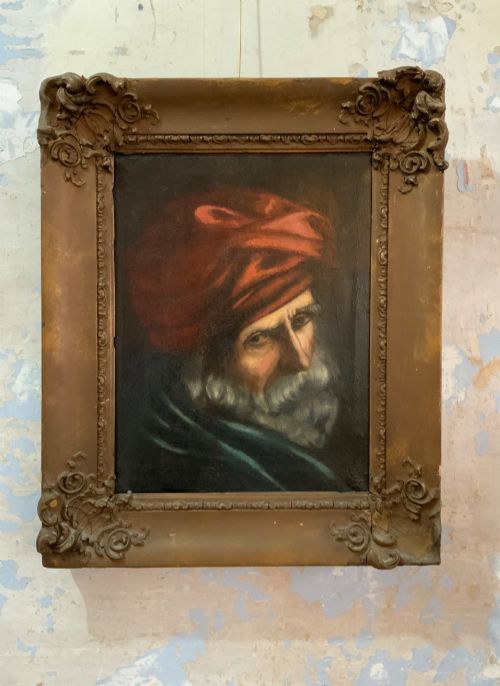
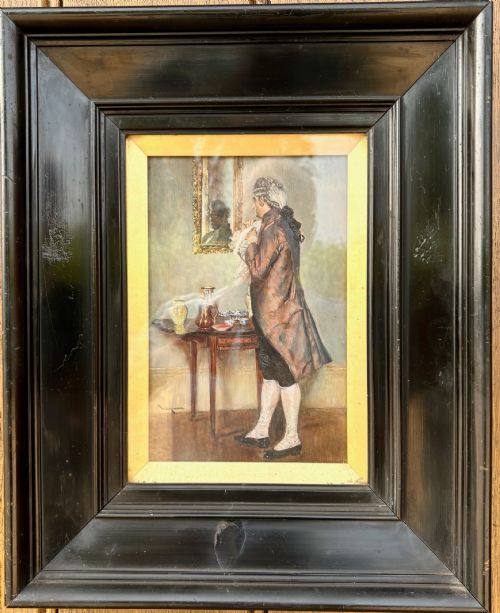
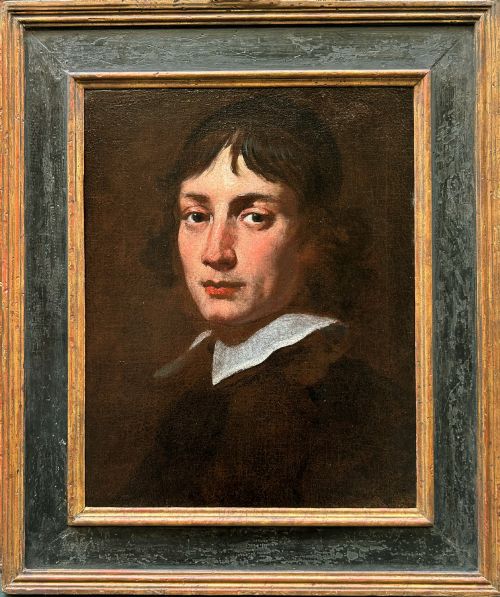
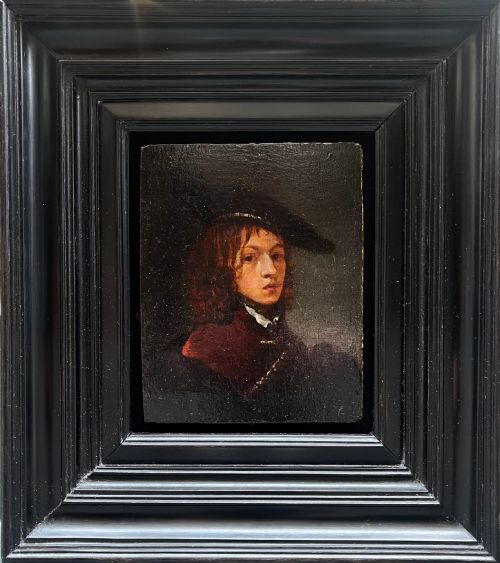


Antique Male Figure Portrait
An antique male figure portrait brings character to a room through oil paintings, watercolours, busts, and figurines spanning multiple centuries.
Antique Male Figure Portrait
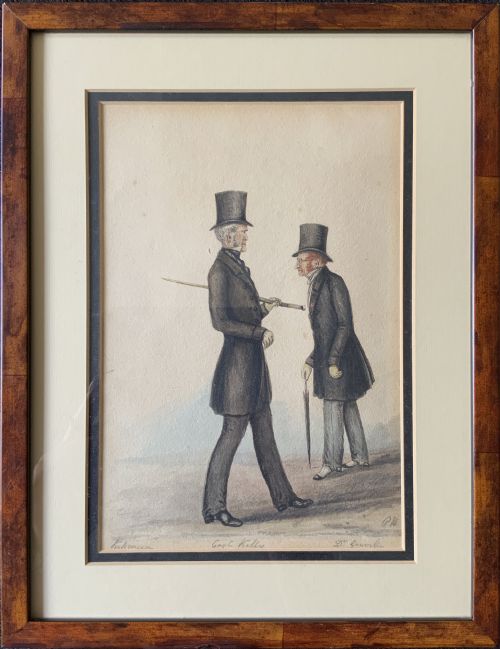
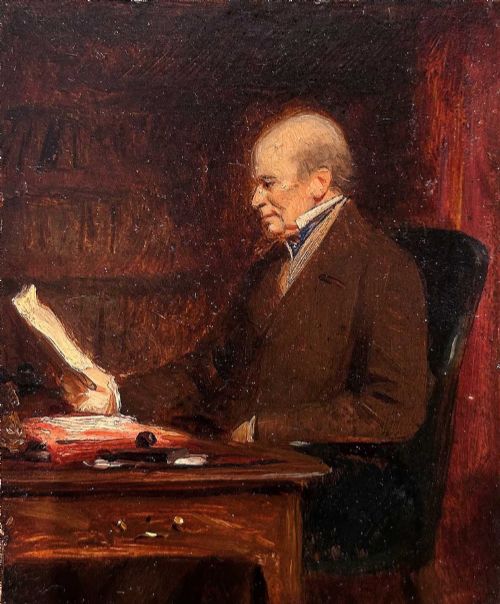
An antique male figure portrait captures individual men through oil paint, canvas, wood, paper, plaster, marble, and porcelain. The selection ranges from seventeenth-century oil paintings and academic life studies to nineteenth-century marble busts and porcelain figurines.
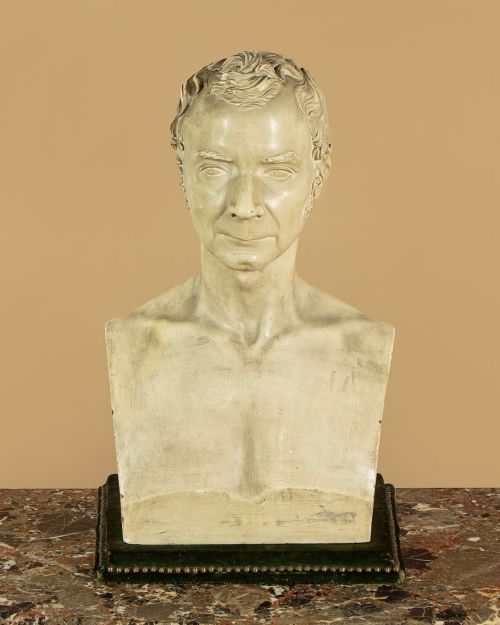
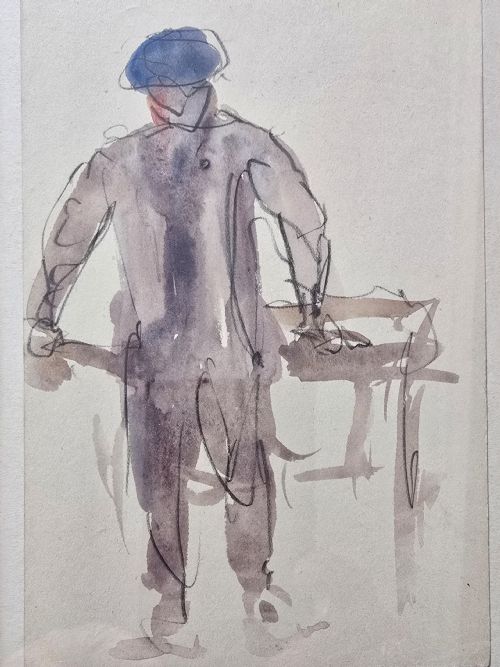
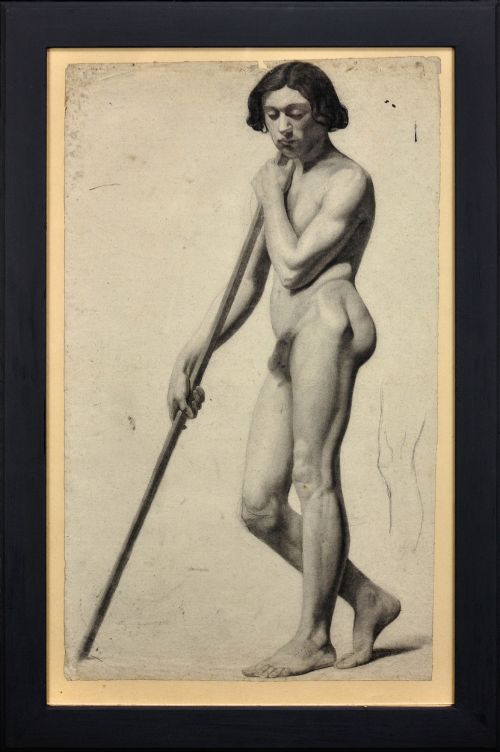
Buyers encounter oil paintings on canvas alongside watercolours, pencil drawings, plaster library busts, and bronze statues. These works document subjects from seventeenth-century nobility and literary figures to nineteenth-century gentlemen and academic life studies.
The phrase encompasses flat wall art and three-dimensional sculptures. Portraiture varies from formal depictions of royalty and statesmen to intimate character studies and ceramic figurines.
What varies in quality
Quality rests in the precision of the draughtsmanship and the handling of the medium, whether in oil paint, carved marble, or moulded porcelain. Works by named artists or established studios demonstrate superior anatomical understanding and character definition.
The sophistication of the period frame, the preservation of the canvas or plaster surface, and the subtlety of expression separate standard examples from exceptional pieces.
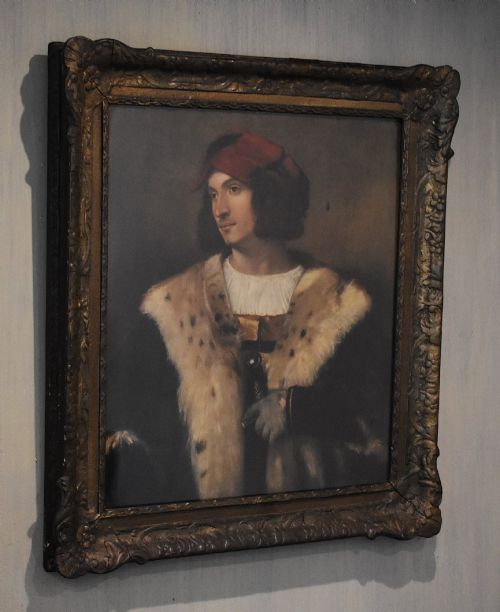
Among the gentlemen and nobility, a spirited seventeenth-century mathematician and a nineteenth-century dandy in a red cap hold their ground.
Sir Godfrey Kneller·Guillaume Courtois·Stephen Pearce·Henry Arthur Roberts·Ferdinand Victor Leon Roybet·Alexandre-Louis Martin·Ramsay Richard Reinagle·Rudolph Lehmann·Feridah Francis Forbes Taylor·Francis O A Haviland·Francis Dodd·Frank Samuel Eastman
The Antique Male Figure Portrait Glossary
- Academic Realism
- A style of painting and sculpture produced under the influence of European academies of art. It emphasises precise anatomical accuracy and traditional subjects.
- Oil on Canvas
- A painting medium where pigments are suspended in drying oils and applied to a stretched woven fabric support. This technique allows for rich colour blending and durability.
- Plaster Bust
- A three-dimensional sculptural representation of a person's head, neck, and shoulders cast in gypsum plaster. These served as decorative or educational library pieces.
- Genre Painting
- The pictorial representation of scenes from everyday life. These works depict ordinary people engaged in common activities rather than formal portrait subjects.
Antique Male Figure Portrait: Frequently Asked Questions
How do I identify the period of a portrait?
Dating relies on costume details, framing styles, and the material support used by the artist. Signatures, inscriptions, and labels on the reverse often provide specific dates or attribution.
Comparison with documented works from the same century helps confirm whether a piece originates from the seventeenth, eighteenth, or nineteenth century.
What is the difference between a bust and a figurine?
A bust is a sculpted or cast representation focusing solely on a person's head, upper chest, and shoulders. Materials typically include marble, plaster, and bronze.
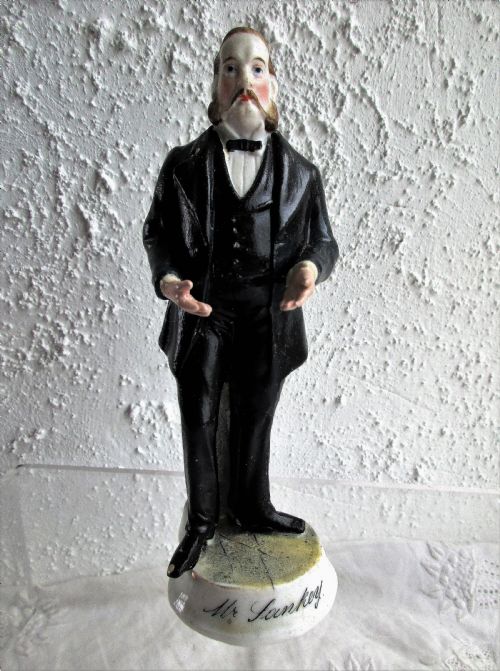
A figurine depicts the full figure of a person, often modelled in porcelain or ceramic. These smaller decorative objects frequently represent specific historical or literary characters.
Where should I display a marble or plaster bust?
Library busts and marble sculptures require sturdy surfaces such as heavy wooden pedestals, sideboards, or mantelpieces. Placing them at eye level allows proper appreciation of the carved details.
Stable indoor environments away from direct sunlight protect plaster and marble surfaces from temperature fluctuations and moisture.
How should I care for an antique oil painting?
Oil paintings on canvas need stable humidity levels and protection from direct sunlight to prevent paint cracking and fading. Regular dusting with a soft, dry brush keeps the surface clean without damaging the pigment.
Professional conservation is recommended for cleaning yellowed varnish or repairing tears in the canvas.