



Antique Makeup Mirror
An antique makeup mirror serves daily routines through brass, mahogany, and burr walnut frameworks that anchor dressing tables and vanity spaces.
Antique Makeup Mirror
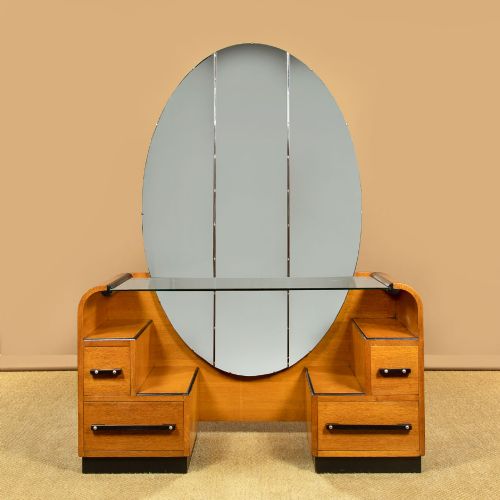
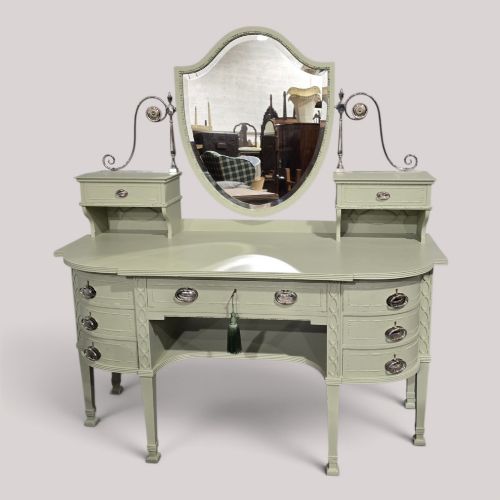
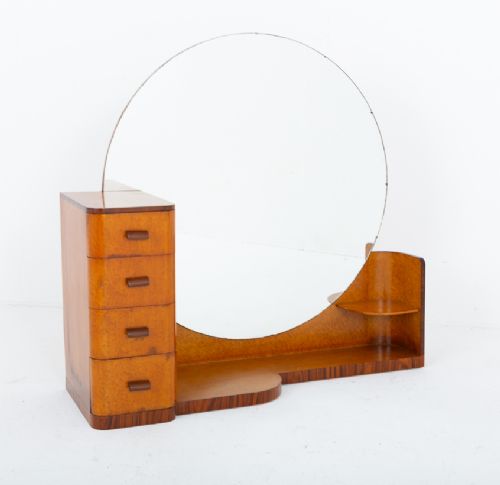
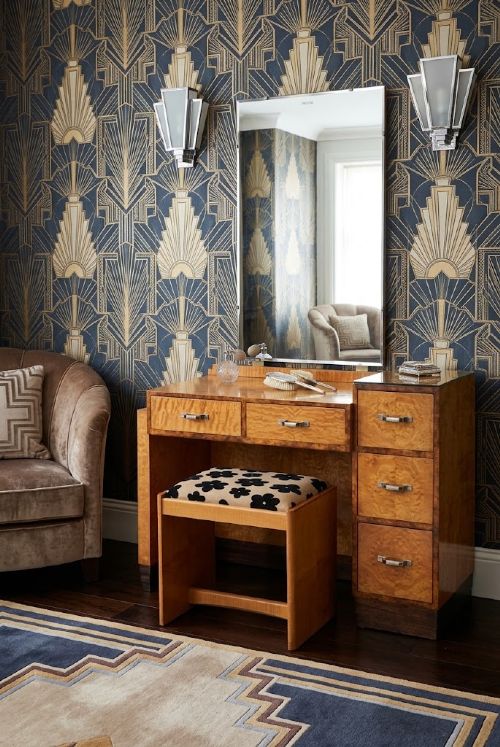
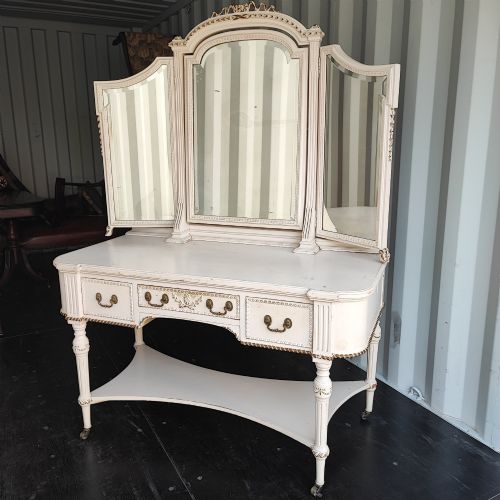
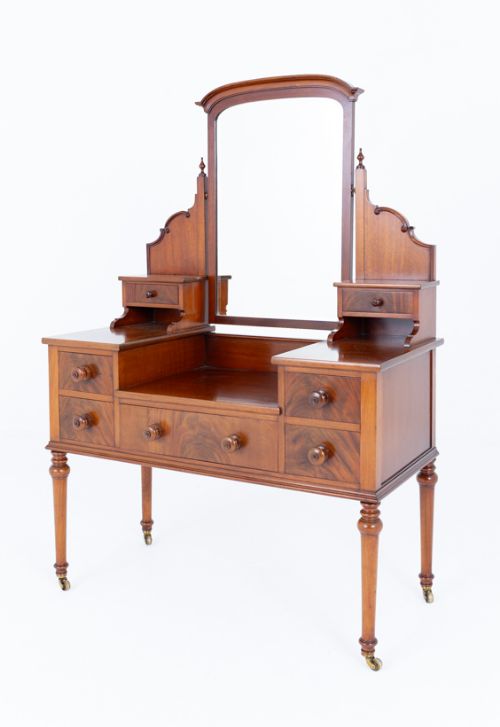
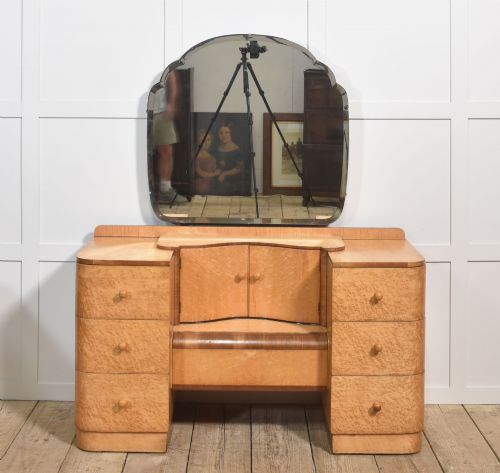
The search for an antique makeup mirror brings to light a variety of dressing tables, vanity cases, and table mirrors spanning the nineteenth and twentieth centuries. These pieces appear in styles ranging from Victorian and Edwardian to Art Deco and French revival forms.
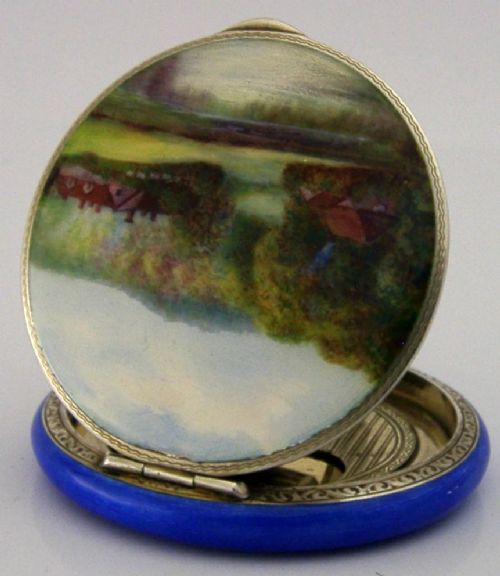
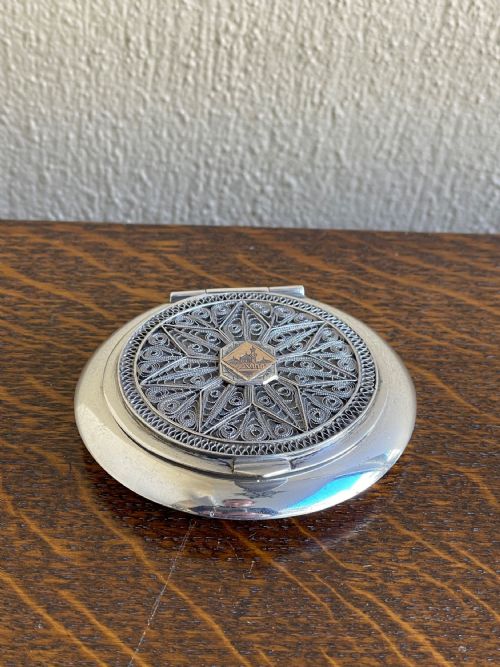
Buyers most frequently encounter larger dressing tables incorporating fixed or adjustable mirrors, alongside smaller silver, enamel, and gold powder compacts designed for personal use. Materials shift from rich mahogany and burr walnut to metals including brass, bronze, and silver.
Origins stretch across English, French, Italian, Persian, and Chinese workshops, demonstrating diverse craftsmanship in wood, metal, and glass. Table mirrors and vanity cases provide intimate reflections while larger dressing furniture dominates bedroom architecture.
Materials and construction methods
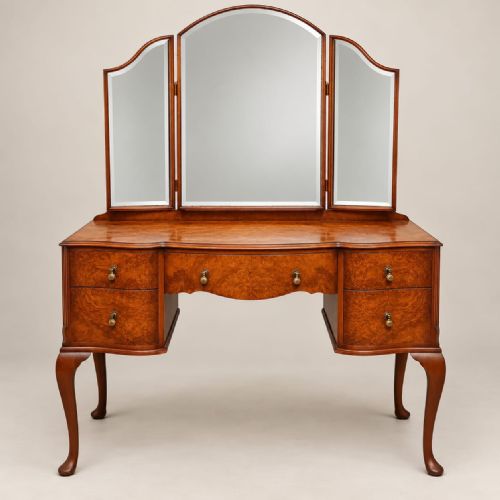
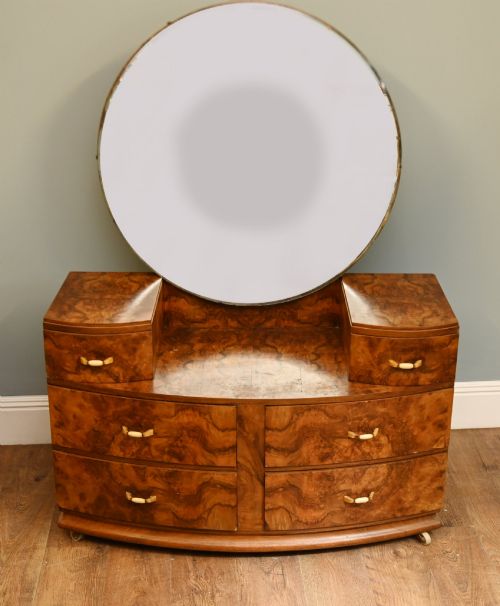
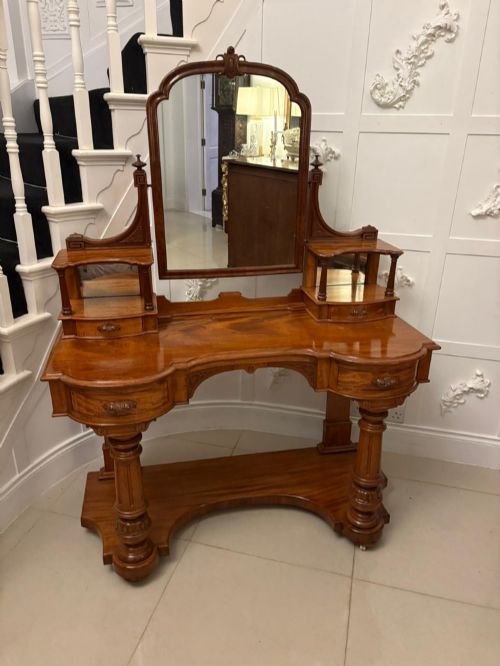
Cabinetmakers constructed dressing tables using solid hardwoods like mahogany and walnut, frequently applying figured burr walnut, birds eye maple, and satinwood veneers to prominent surfaces. Ormolu mounts, gilt bronze, and marble tops added weight and decorative contrast to French and Victorian pieces.
Smaller personal items utilise sterling silver, gold, and base metals paired with hand-painted enamel, filigree work, and suede linings. Glass provides the primary reflective surface across both large pedestal mirrors and compact lids.
Listings feature woods like mahogany, walnut, burr walnut, satinwood, and maple alongside silver, gold, enamel, and brass.
Assessing craftsmanship and execution
Quality rests upon the selection of timber veneers, where symmetrical burr walnut or figured maple graining elevates a dressing table above standard plain mahogany builds. Precision in joinery, such as serpentine shaping and integrated pedestal drawer construction, dictates the structural integrity of larger furniture.
Detailing distinguishes finer compacts and table mirrors through hand-painted enamel work, intricate silver filigree, and genuine ormolu mounts rather than cast metal substitutes. Maker attribution to known firms like Maples or specific designers provides a further layer of distinction.
Maples of London and Paris·Maurice Adams·Harry and Lou Epstein·Richard Hudnut·Cartier·Giuliano Spinelli Florence
The Antique Makeup Mirror Glossary
- Burr walnut
- A veneer taken from the knotted growths of a walnut tree, producing swirling, highly decorative patterns on furniture surfaces.
- Ormolu
- Gilded bronze applied as decorative mounts and feet on furniture, particularly prominent in French Empire and nineteenth-century pieces.
- Powder compact
- A small handheld case containing a mirror and a compartment for face powder, often made from silver, enamel, or metal mesh.
- Serpentine
- A furniture shape featuring a wavy, undulating front edge that curves outward in the centre and inward at the sides.
- Duchess dressing table
- A large Victorian dressing table style characterised by a large central mirror supported by jewellery drawers and small trinket boxes.
Antique Makeup Mirror: Frequently Asked Questions
How do I date an antique dressing table?
Dating relies on stylistic shifts, such as heavy carved mahogany in Victorian examples transitioning to clean geometric lines in Art Deco burr walnut pieces.
Hardware, timber selection, and construction techniques also help determine whether a piece belongs to the nineteenth or twentieth century.
What is the difference between a vanity table and a dressing table?
Both terms describe furniture designed for grooming, though vanity tables often emphasise compact pedestal designs with integrated mirrors.
Dressing tables encompass larger nineteenth-century forms like Duchess styles alongside twentieth-century Art Deco interpretations.
How were antique powder compacts used?
Compact cases held pressed or loose face powder along with a small mirror for touch-ups during social events.
Wealthier owners carried silver, gold, and enamel versions fitted with mesh linings and intricate clasps.
Are table mirrors adjustable?
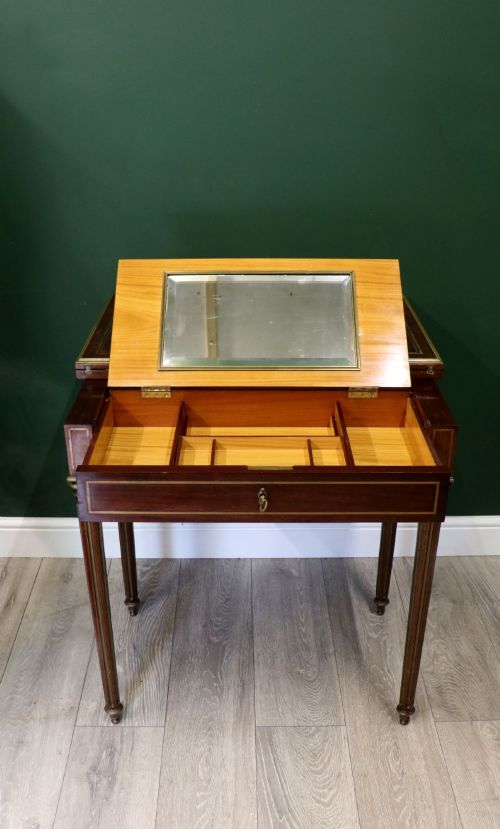
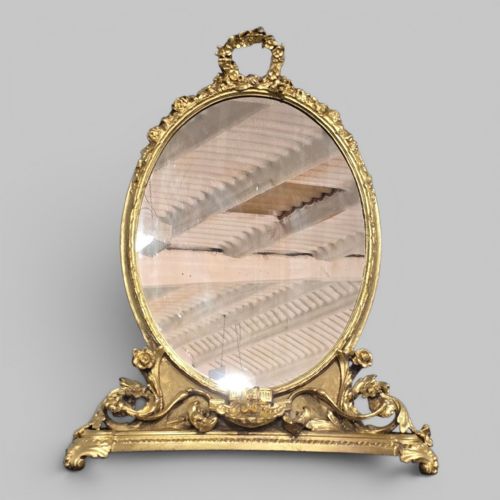
Many period table mirrors feature pivot screws and bronze or brass frames that allow the glass to tilt.
This adjustability provided optimal angles for personal grooming on top of chests of drawers or dressing desks.