
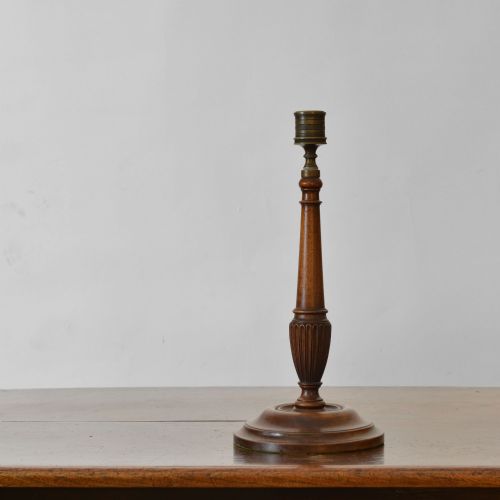
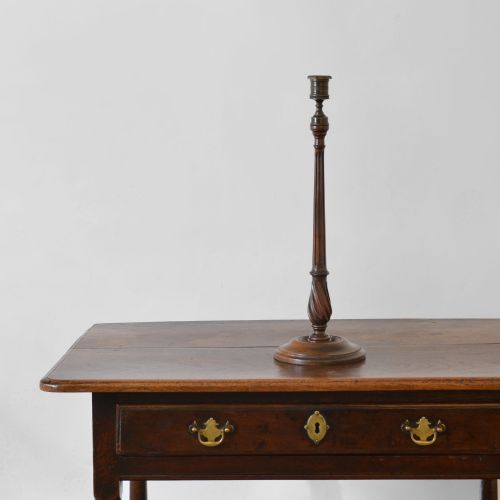


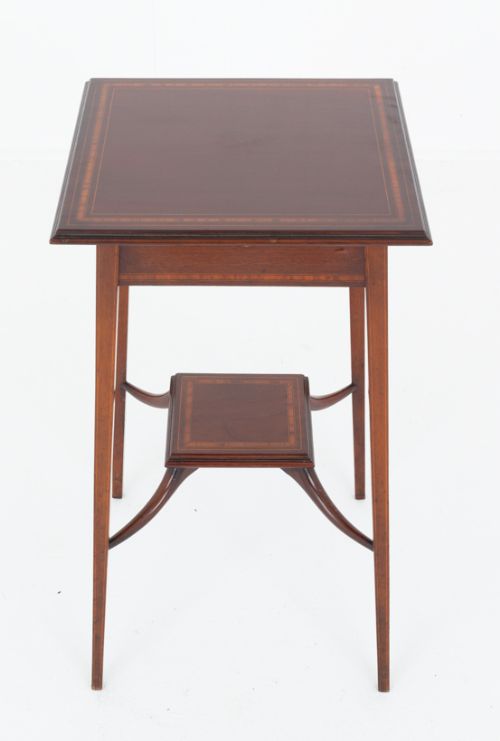


Antique Mahogany Taper Stand
An antique mahogany taper stand is a slender support for small candles or spills, combining practical utility with refined cabinetmaking.
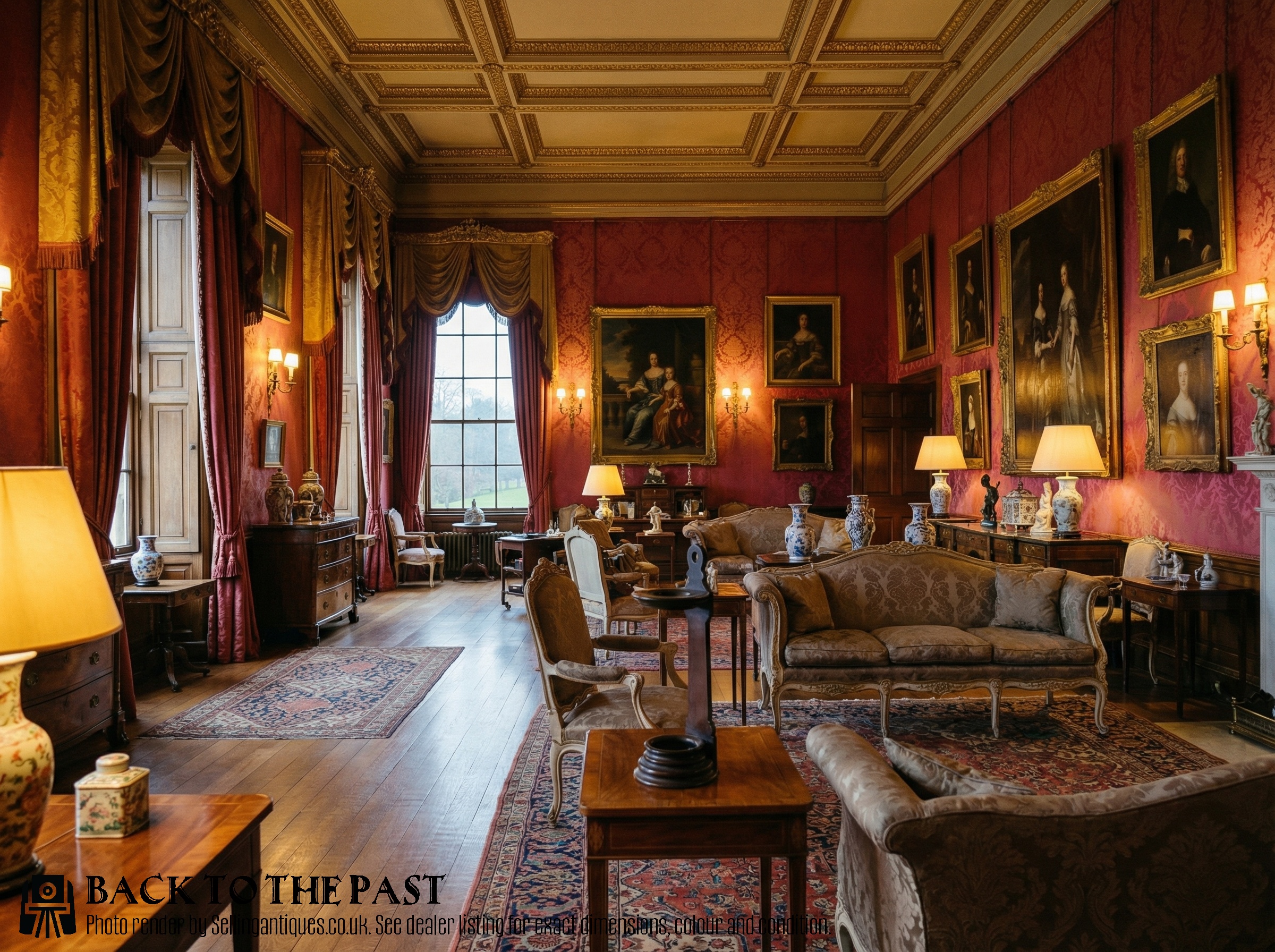
Antique Mahogany Taper Stand
An antique mahogany taper stand serves to hold small wax tapers or spills near a hearth or desk. Buyers searching this phrase encounter slender supports, small tables, and tall candlesticks designed for convenience and display.
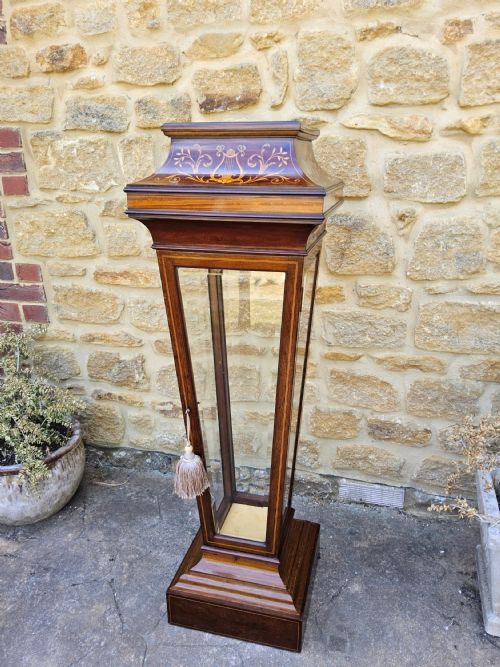
The selections on this page span the eighteenth and nineteenth centuries, reaching into the Edwardian period and styles such as Georgian, Regency, and Sheraton Revival. Forms range from turned taper holders to occasional tables and pedestals.
Pieces originate from varied domestic settings where portable lighting and small surfaces were essential. Mahogany dominates the material record, often paired with contrasting stringing and inlay.
How they were made
Cabinetmakers utilised solid mahogany and veneers, shaping supports on the lathe or through hand-sawing and planing. Structural stability relied on tight joinery and turned shafts.
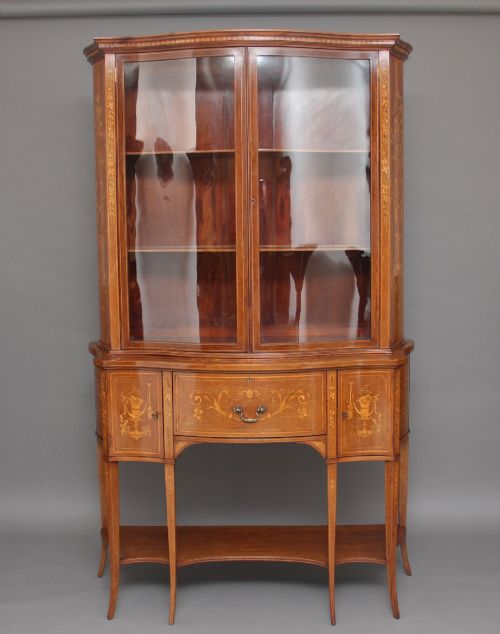
Decoration often involved contrasting stringing and banding in satinwood and boxwood, set into the primary timber. Brass mounts and details appear on specific French and Regency examples.
Listings span the eighteenth, nineteenth, and early twentieth centuries, featuring mahogany alongside satinwood inlay and brass detail.
What varies in quality
The refinement of the turning and the crispness of any inlay define the higher tier of these pieces. Dense, deeply figured mahogany timber elevates a stand above plain utility.
Proportion and structural integrity dictate the success of the form, particularly in slender standards and tall candlesticks. Subtle details in edging and base construction separate standard production from superior workshop output.
The Antique Mahogany Taper Stand Glossary
- Taper
- A slender wax candle used for sealing letters or lighting lamps. It sits securely within small holders or stands.
- Mahogany
- A durable, reddish-brown tropical hardwood favoured by cabinetmakers for its stability and rich grain. It takes a fine polish.
- Inlay
- A technique of inserting contrasting woods, such as boxwood or satinwood, into recesses to form decorative patterns. This adds visual texture to flat surfaces.
- Sheraton Revival
- A late nineteenth-century style drawing inspiration from the lighter, neoclassical designs of the eighteenth-century designer Thomas Sheraton. It utilises delicate legs and classical motifs.
Antique Mahogany Taper Stand: Frequently Asked Questions
What is an antique mahogany taper stand used for?
These pieces held small wax tapers or spills near a fireplace or desk for lighting candles and pipes. Today they function as decorative accents or small display surfaces in compact spaces.
Their slender profile allows them to sit beside chairs or in hallways without occupying significant floor space.
How do I date a mahogany taper stand?
Dating relies on observing the turning styles, timber selection, and decorative techniques like inlay. Georgian and Regency pieces show different proportions and joinery methods compared to Edwardian revivals.
Secondary woods and construction marks also help establish the chronological context of the piece.
Are these stands sturdy enough for daily use?
Most stands are structurally sound for supporting lightweight items like small lamps or decorative objects. Their slender construction means they should be placed where they will not be knocked.
Checking the stability of the central shaft and base ensures safe everyday placement.
What woods are used alongside mahogany?
Cabinetmakers frequently incorporated satinwood and boxwood for contrasting inlay and stringing lines. Brass details also appear on specific French and Regency examples.
Secondary structural timbers beneath the visible surfaces vary according to the workshop and period.