
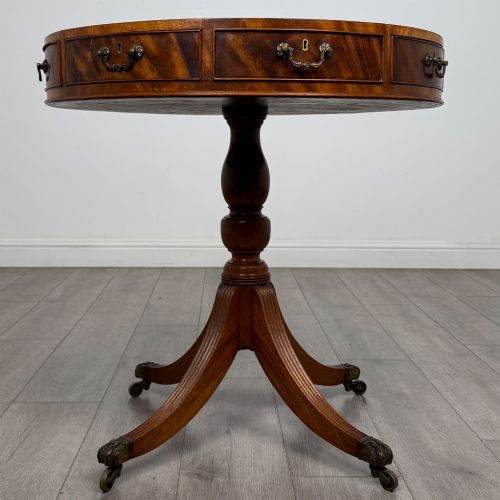
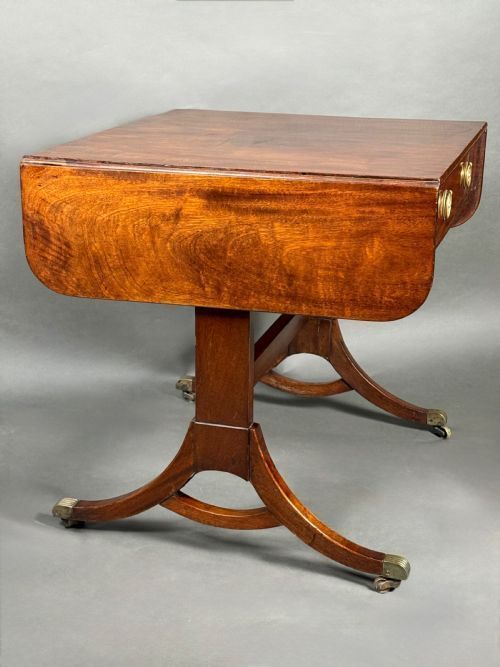
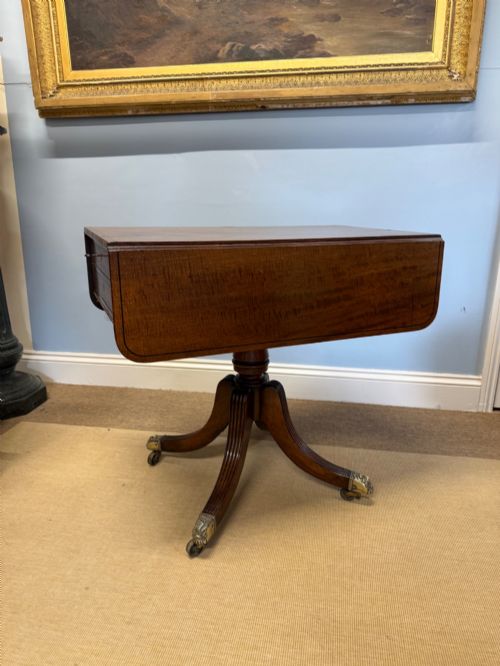
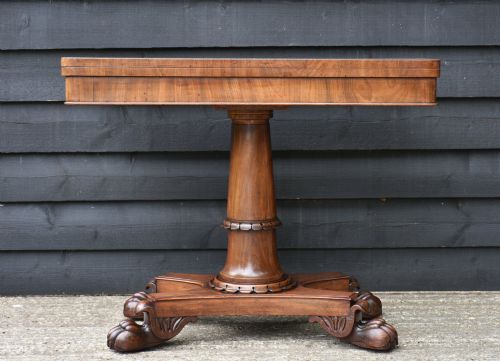
Antique Mahogany Pedestals
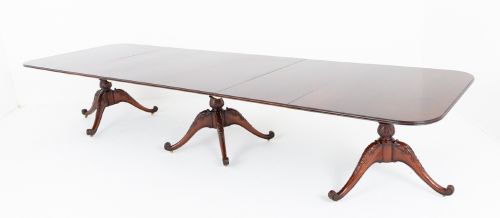
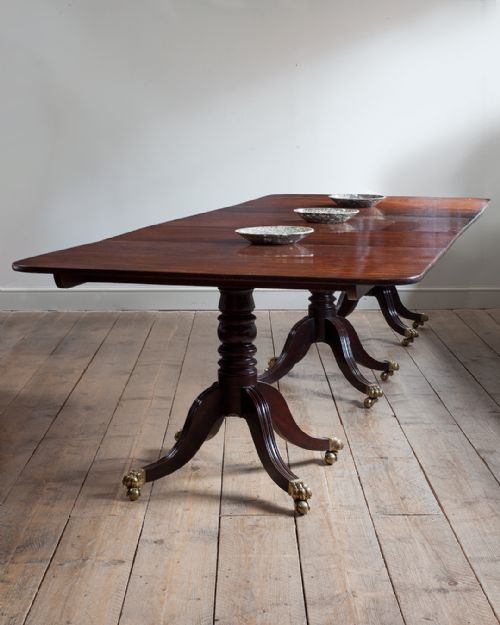
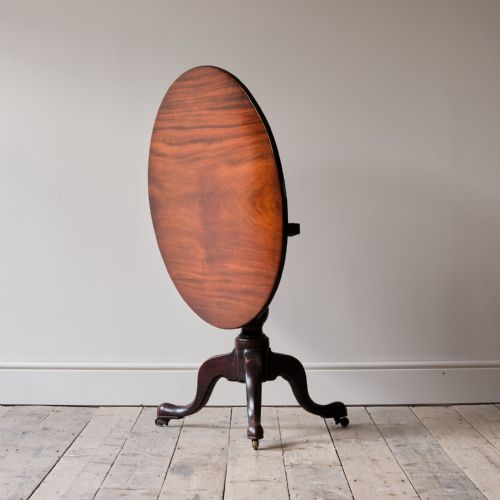
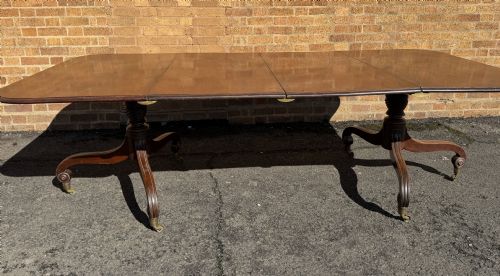
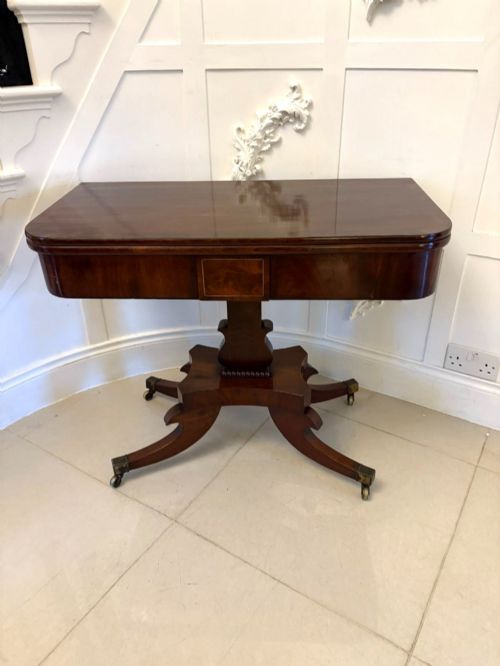
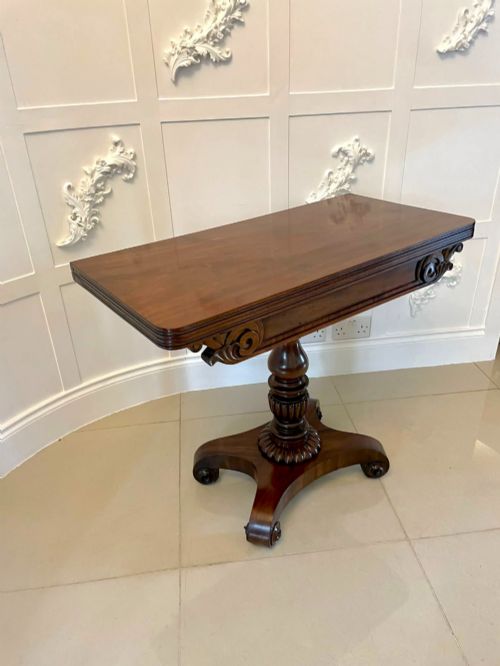
These antique mahogany pedestals bring solid timber and architectural proportion to any room, offering versatile display or storage.
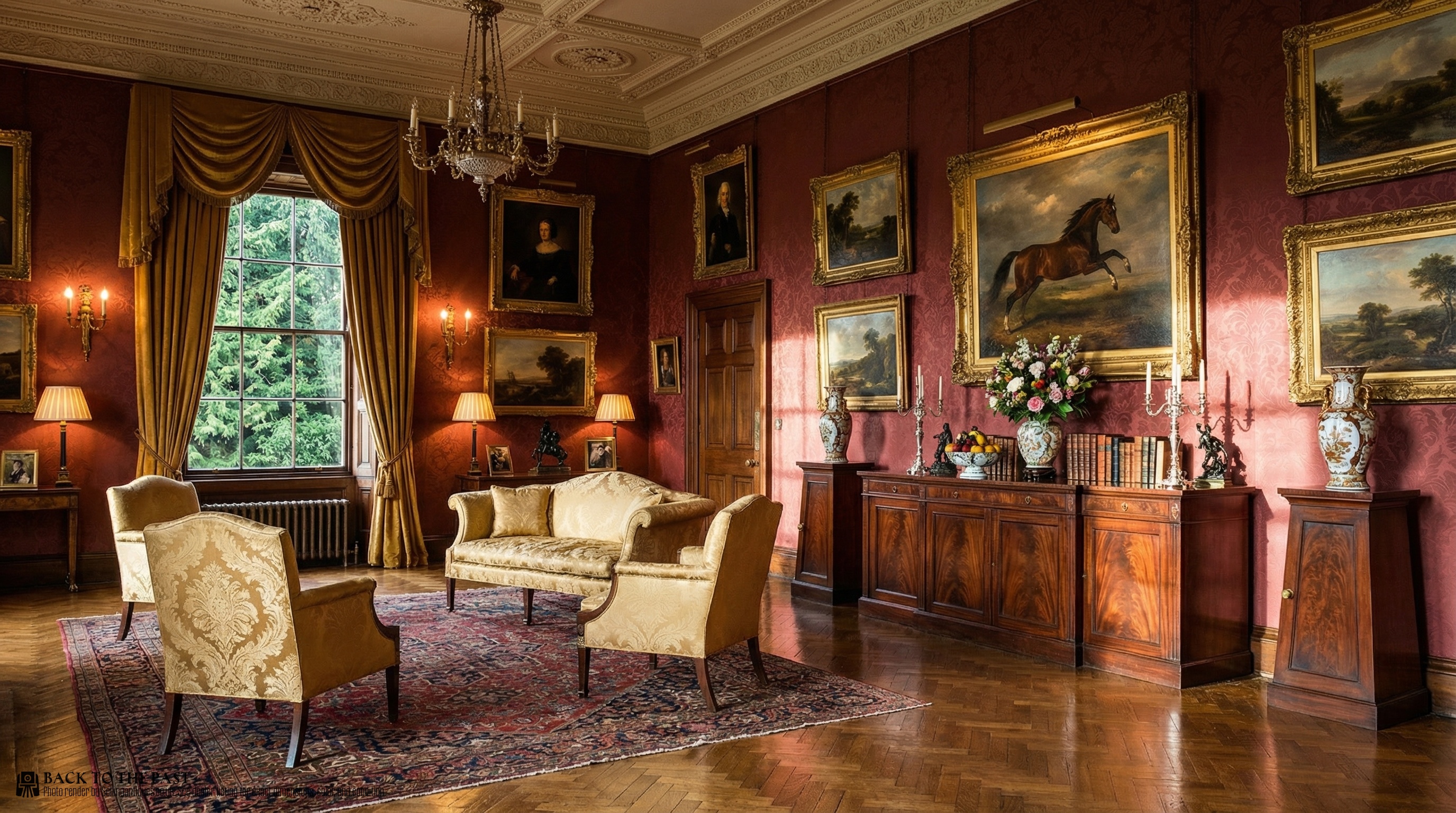
Antique Mahogany Pedestals
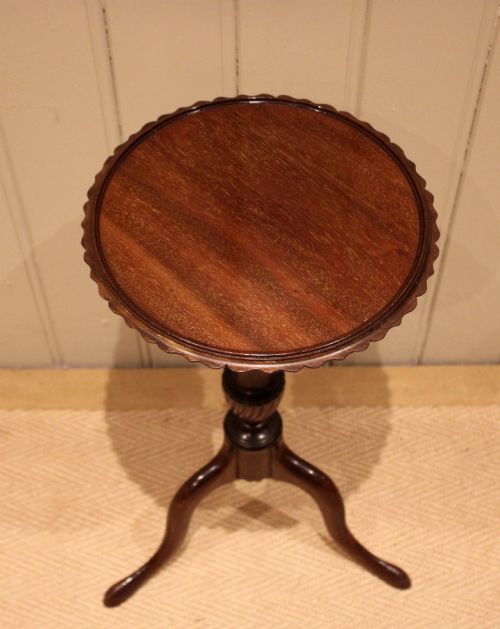
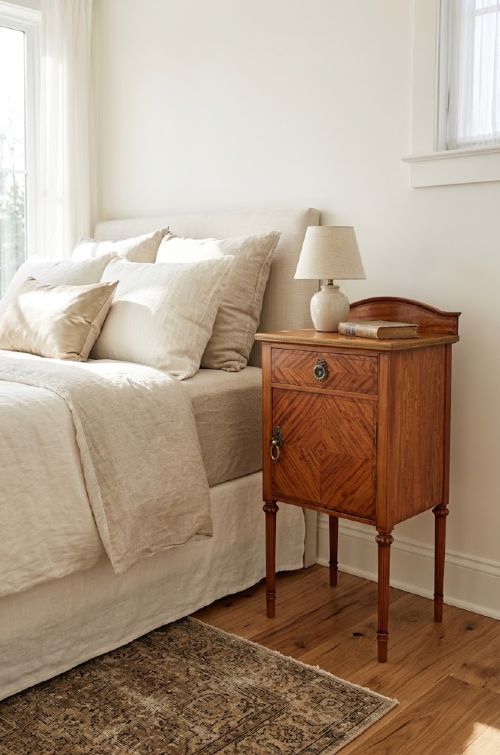
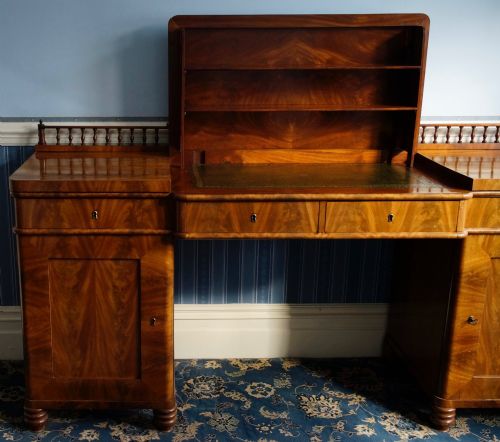
Antique mahogany pedestals span several distinctive nineteenth and twentieth-century periods, ranging from Regency and William IV pieces to Victorian, Edwardian, and later revivals. Buyers looking at this selection will find various forms including bedside cabinets, pot cupboards, lamp stands, and torchere stands.
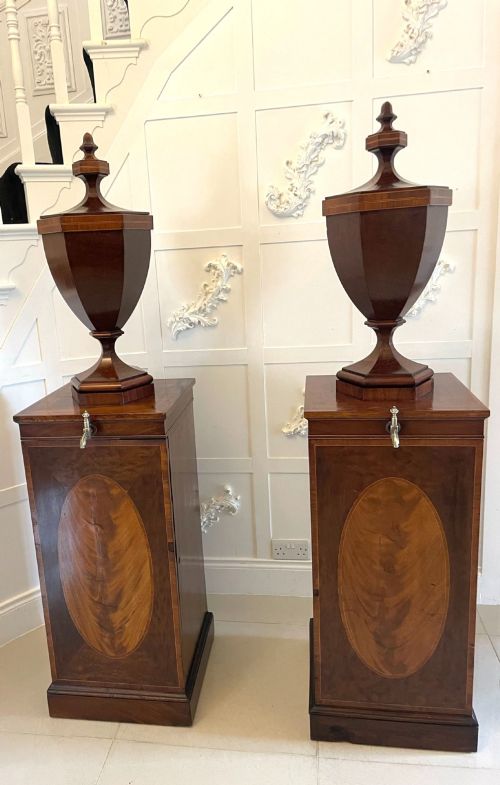
The most common formats on this page are pairs of pedestals or cabinets, often configured with internal storage or shaped tops suitable for lamps and decorative objects. Designs shift between classical proportions, hexagonal shapes, oval formats, and low pedestal cabinets.
Origins stretch across the Georgian, Regency, and Victorian eras into twentieth-century revivals like Empire and Georgian styles, reflecting changing domestic requirements for display and bedside utility.
Materials and construction
Makers relied principally on mahogany, frequently combined with secondary timbers and decorative veneers such as kingwood, alongside contrasting elements like giltwood, ormolu mounts, and brass details. These materials provided structural stability and rich grain patterns across the various cabinet and stand formats.
Joinery and surface finishing followed traditional cabinet-making methods of the respective periods, incorporating inlay work, classical mouldings, and fitted doors or interiors suited for domestic service.
Antique Mahogany Pedestals Retail Price Guide 2026
Typical asking prices for mahogany pedestals among the pieces listed under this phrase on Sellingantiques today, from the lower quarter to the upper quarter. They describe what is for sale here now, not the wider market.
Some nineteenth-century pot cupboards cunningly disguised their domestic utility behind immaculate mahogany door panels and polished brass handles.
Assessing quality and distinction
Quality reveals itself in the selection of timber figures, the crispness of carved or inlaid details, and the integration of decorative mounts such as ormolu or brass. Finer examples display meticulous attention to proportion and harmonious timber matching across paired items.
The sophistication of the period style - whether classical Regency lines, crisp Victorian cabinet-making, or refined revival work - determines the distinction between standard utility items and exceptional pieces.
The Antique Mahogany Pedestals Glossary
- Mahogany
- A durable tropical hardwood prized for its deep reddish-brown colour and stable grain, widely used in fine cabinet-making. It takes a high polish and resists warping.
- Torchere
- A tall, slender stand designed to hold a light or decorative object such as an urn or sculpture. These stands often feature elevated platforms supported by classical columns or pedestals.
- Ormolu
- Gilded bronze ornamentation applied to furniture and decorative objects, popular in classical and revival pieces. It adds metallic contrast to the timber surfaces.
- Inlay
- A decorative technique where pieces of contrasting wood, such as kingwood, are inserted into the primary mahogany surface to create patterns or borders.
Antique Mahogany Pedestals: Frequently Asked Questions
How were pedestal cabinets used?
These cabinets served primarily as bedside storage, pot cupboards, or lamp stands in period interiors.
Their enclosed spaces and flat tops accommodated chamber accessories and lighting.
Are these pedestals sold as pairs?
Many of the listed pieces appear as matched pairs intended for symmetrical placement in a room.
Single stands and torchere formats also occur across different periods.
What woods are used besides mahogany?
Makers frequently incorporated secondary timbers and decorative veneers such as kingwood to enhance the visual depth of the pieces.
Mounts in brass, giltwood, and ormolu also appear on specific revival and classical examples.
How do I distinguish between periods?
Stylistic indicators such as classical Regency lines, Victorian proportions, or later revival details help date each piece.
Construction methods and timber selection further clarify the era of manufacture.