
Antique Mahogany Cupboard Stand
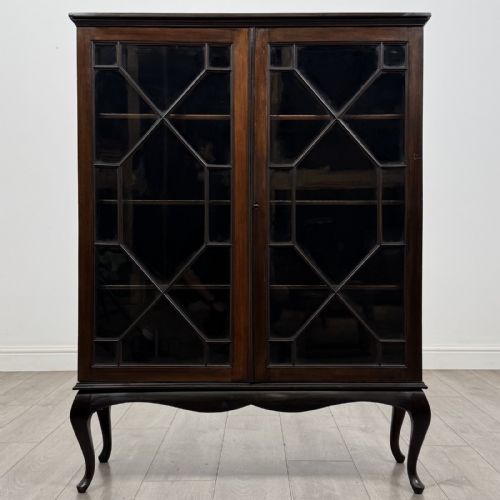
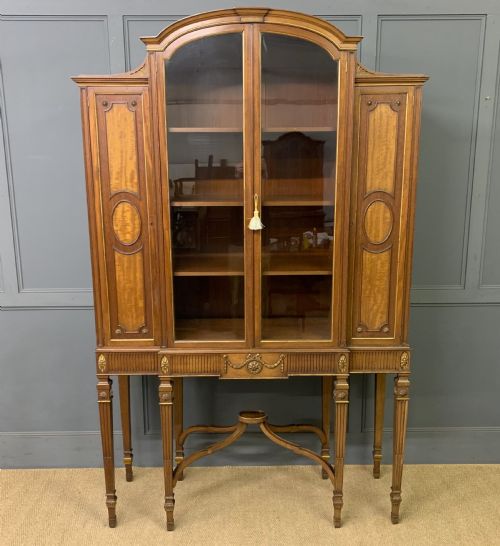
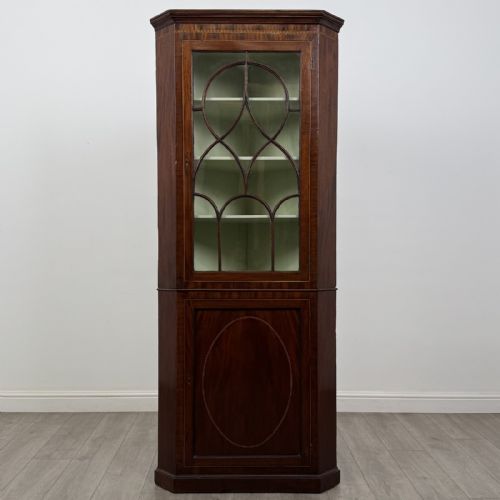
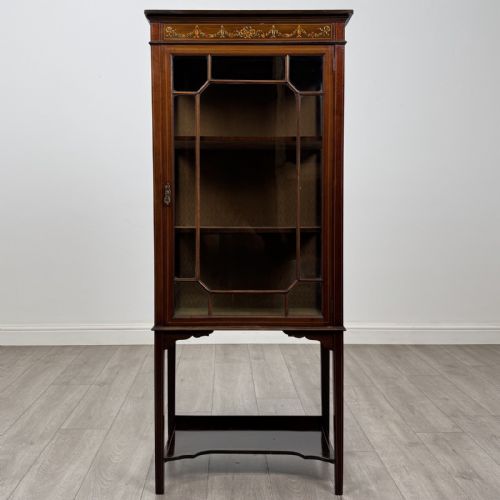
When you search for an antique mahogany cupboard stand, you enter a diverse world of practical timber storage spanning the Georgian, Victorian, and Edwardian eras.
Antique Mahogany Cupboard Stand
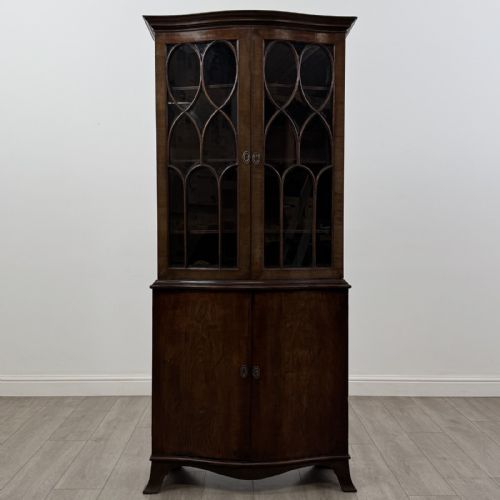
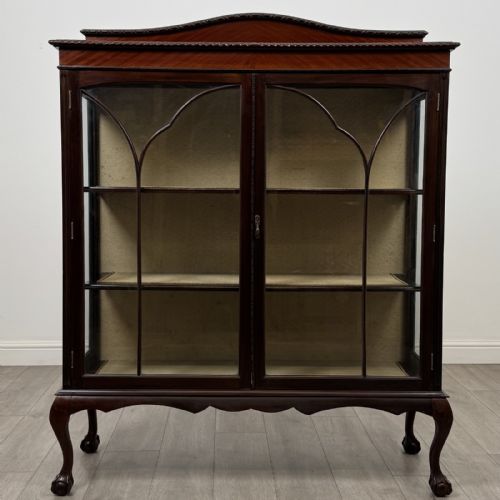
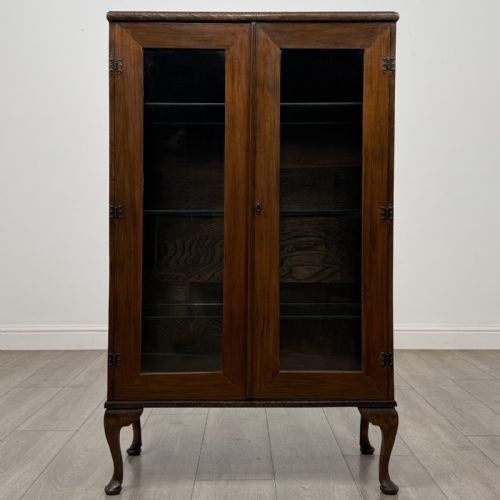
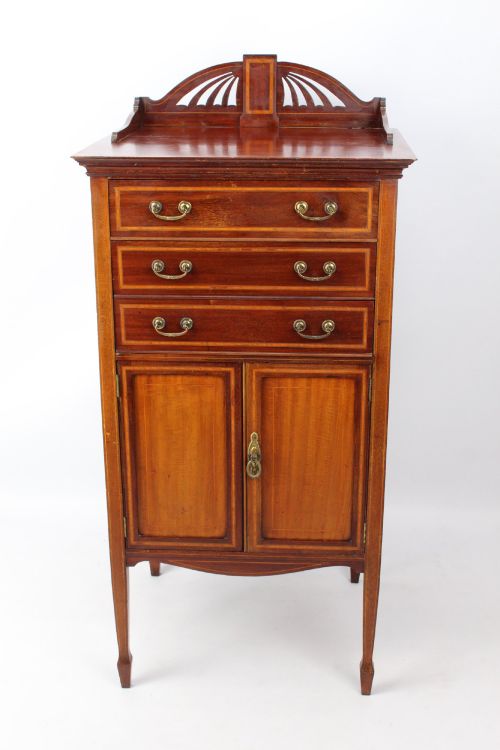
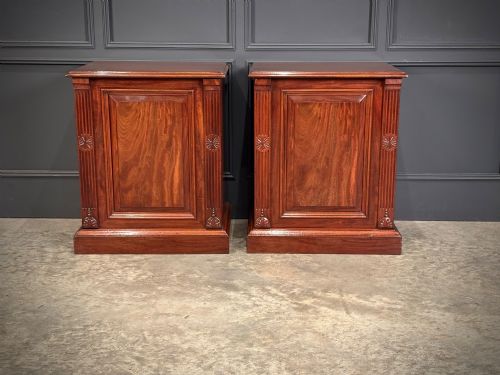
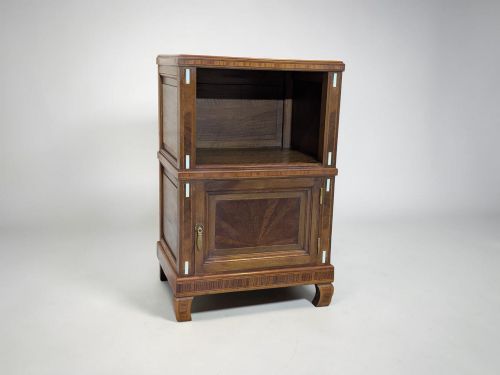
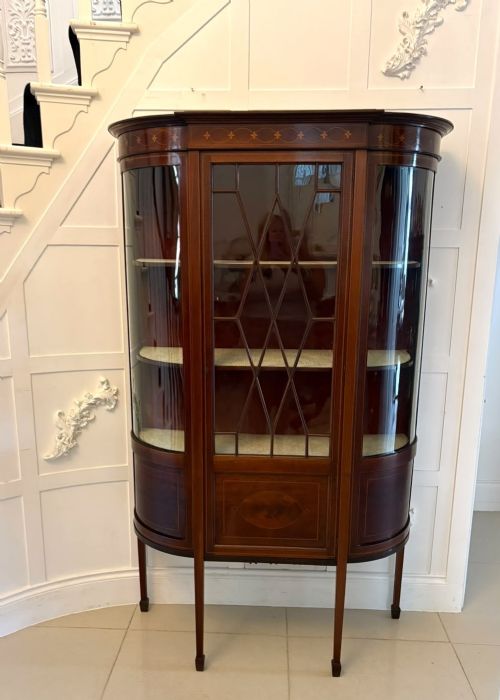
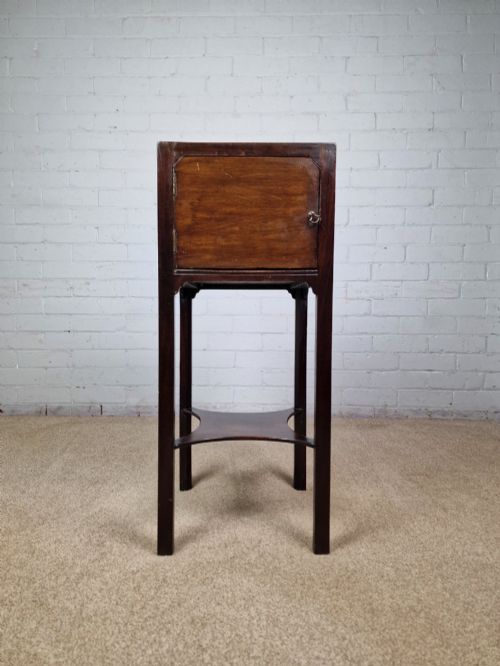
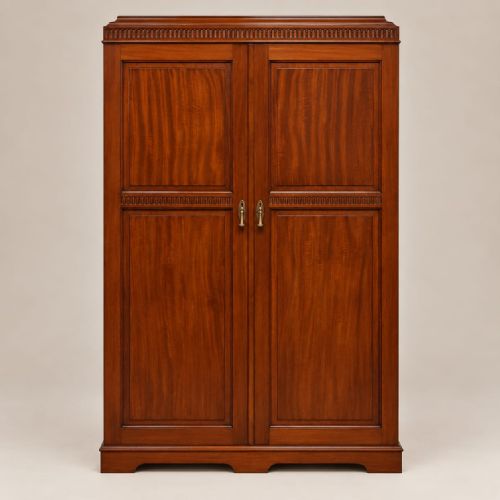
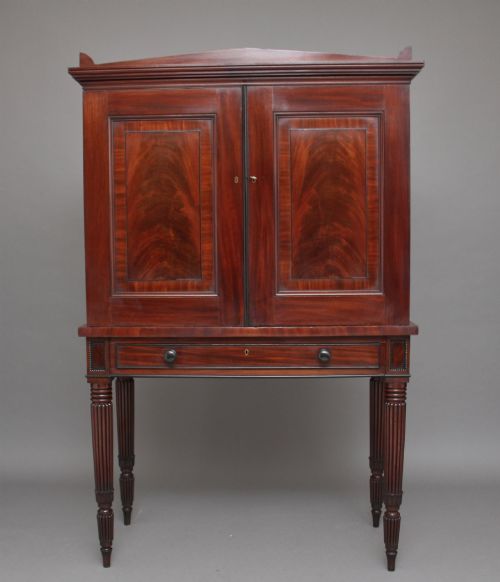
The phrase antique mahogany cupboard stand covers a broad collection of domestic furniture, ranging from compact bedside nightstands and pot cupboards to tall corner cabinets and washstands. These pieces were built to serve specific utilitarian purposes in the bedroom, parlour, or dining room while displaying the rich grain of mahogany.
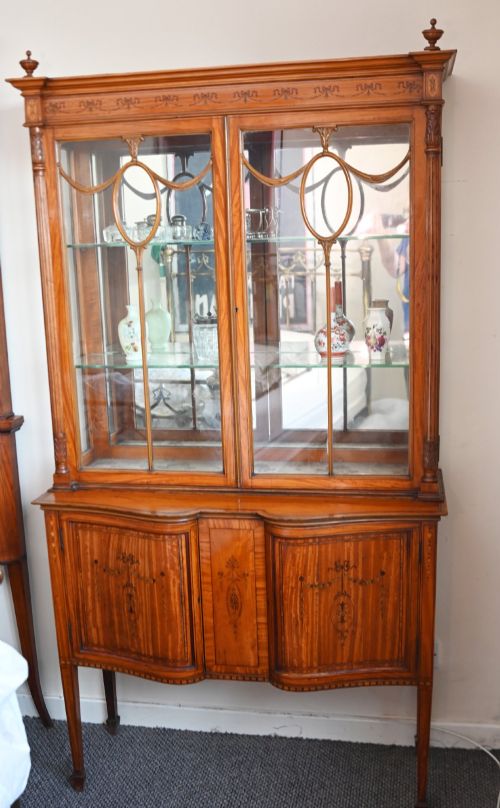
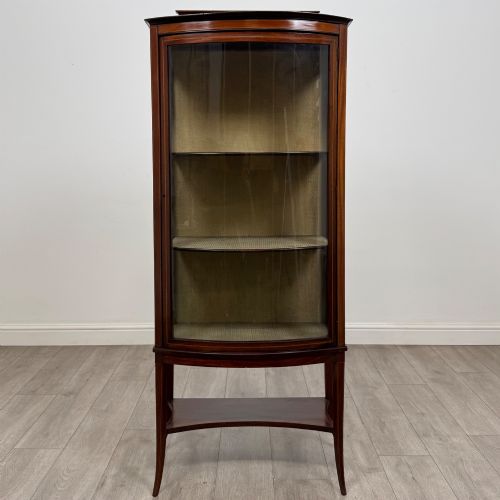
On this page, you will most frequently encounter Georgian and Victorian variations, including floor-standing corner cupboards, bedside cabinets, and display pieces. Many incorporate stands, shelves, or glazed doors, reflecting the evolution of interior storage needs from the eighteenth century into the twentieth century.
The selection includes both freestanding items and pieces designed to fit architectural corners. Whether you examine an early nineteenth-century pot cupboard or an Edwardian washstand with a marble top, each object combines enclosed storage with a raised platform or legs.
Materials and construction methods
Cabinet makers relied heavily on solid mahogany and figured veneers, frequently enhancing surfaces with flame mahogany or satinwood inlay to create contrasting borders and decorative panels. Brass hardware, including handles, hinges, and key escutcheons, provides functional and visual accents against the dark timber.
Secondary timbers support the primary mahogany structure, while glass panels appear in glazed display doors and astragal configurations. Certain washstands and bedside units incorporate marble tops, combining stone surfaces with wooden cabinetry to resist water and daily wear.
One tiny bedside cabinet measures just fifteen inches wide, proving that past generations knew how to squeeze luxury into the smallest rooms.
Factors of quality and execution
The quality of these pieces rests in the selection of the timber, particularly the choice of figured, plum pudding, or flame mahogany veneers that show depth and movement under the polish. Cabinet makers who matched grain patterns across drawer fronts and cupboard doors achieved a visual harmony that separates standard utility items from finer commissions.
Joinery techniques and structural proportions also dictate the standard of execution, from tightly fitted corner joints to the precision of satinwood stringing and inlay work. Original fittings, such as period brass handles and matching keys, contribute to the integrity of the piece.
GM Elwood for JS Henry·Denby and Spinks·Edwards and Roberts
The Antique Mahogany Cupboard Stand Glossary
- Pot cupboard
- A small bedside cabinet originally designed to house a chamber pot behind a single door. These compact units often feature a small gallery top.
- Astragal glazed
- A method of dividing glass door panels into smaller panes using slender wooden mouldings known as astragals. This technique is common on Georgian and Victorian display cabinets.
- Waterfall bookcase
- A set of open shelves where each tier steps back progressively from the one below. This style appears frequently on nineteenth-century pieces.
- Washstand
- A wooden cabinet or table designed for personal washing routines, frequently fitted with a marble top and a raised back. Edwardian examples often include enclosed cupboard space below.
- Serpentine front
- A furniture front characterised by a wavy contour that curves outward in the centre and inward at the sides. This shape requires advanced woodworking skill.
Antique Mahogany Cupboard Stand: Frequently Asked Questions
What is a pot cupboard?
A pot cupboard is a small bedside cabinet featuring a single door enclosing a compartment. In period homes, this space concealed a chamber pot before the widespread use of indoor plumbing.
Over time, these versatile pieces transitioned into standard bedside tables or lamp stands. They remain practical items for modern bedrooms, offering discreet storage beside a bed.
How do I date a mahogany corner cabinet?
Dating a corner cabinet involves examining the construction techniques, timber selection, and hardware. Georgian examples often feature pegged joinery, hand-cut dovetails, and simple panelled doors.
Victorian and Edwardian versions tend to display machine-sawn elements, heavier carved ornamentation, or satinwood inlay. The style of the glazing bars on glass doors also offers strong clues to the period.
Where were corner cupboards placed?
Corner cupboards were specifically designed to utilise awkward angles and empty corners in eighteenth and nineteenth-century rooms. Floor-standing versions rested directly on the floor, while smaller wall-hanging variants were secured above tables or seating.
Their triangular footprint allowed homeowners to maximise storage space in parlours, dining rooms, and bedrooms without obstructing main traffic routes.
What is flame mahogany?
Flame mahogany is a highly decorative wood veneer obtained from the fork of the mahogany tree where the branch meets the trunk. This growth pattern creates a distinctive flickering flame or feather effect.
Cabinet makers used this figured timber on prominent surfaces like door panels and drawer fronts to catch the light and add visual texture to the piece.