




Antique Mahogany Container
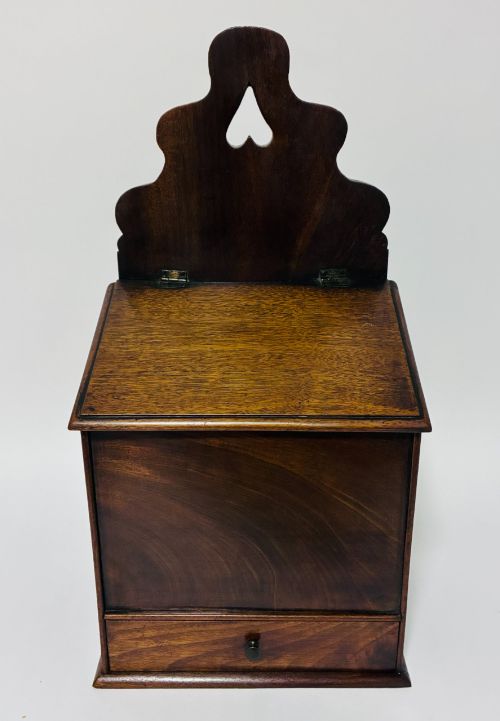
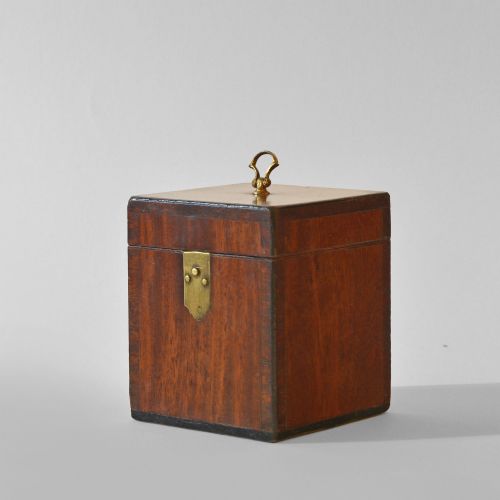
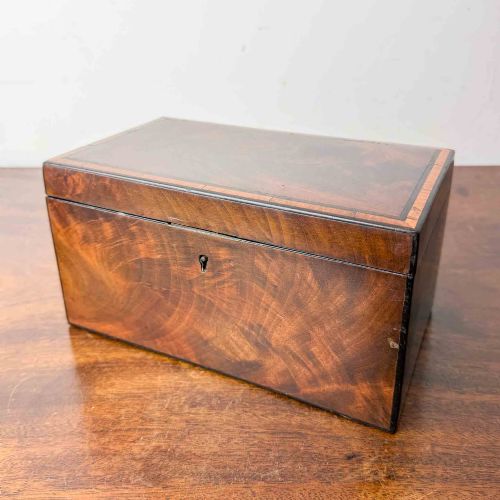
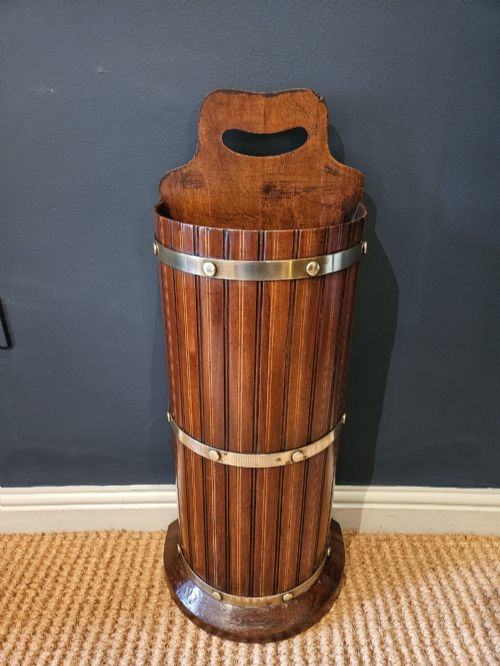
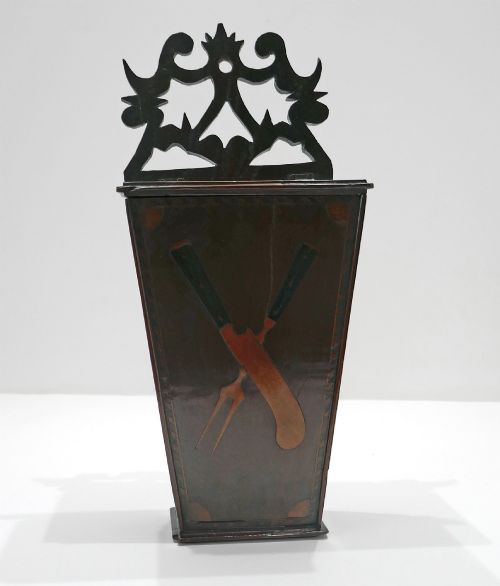
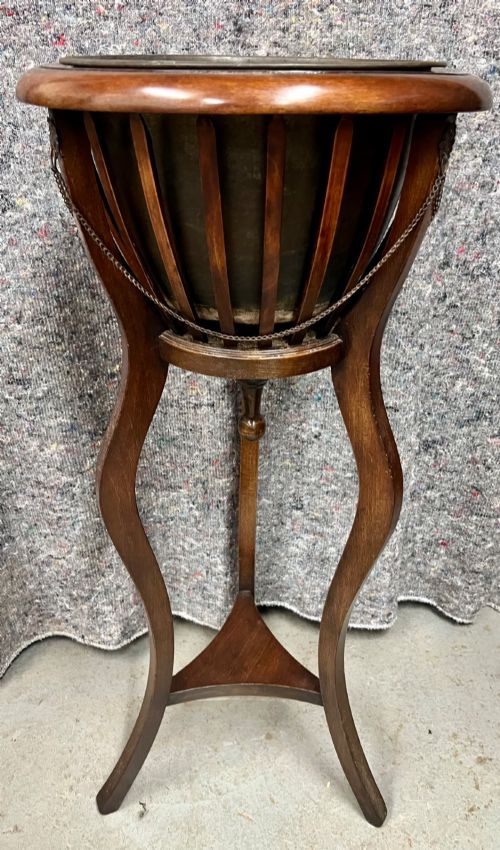
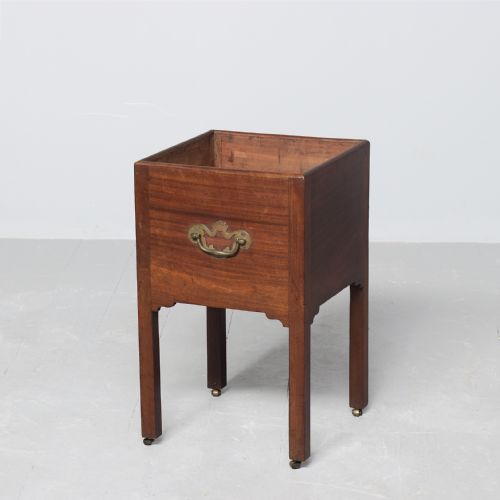
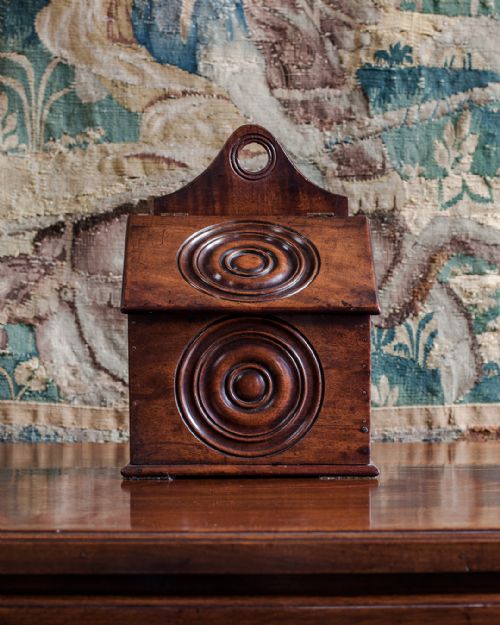
These antique mahogany containers span tea caddies, cellarettes and coal boxes, offering solid timber construction and rich period character for everyday use.
Antique Mahogany Container
An antique mahogany container serves various domestic functions, appearing most frequently on this page as tea caddies, wine coolers, cellarettes and coal boxes. These items stem from periods including the Georgian, Victorian and Edwardian eras, reflecting the changing needs of period households from tea storage to fuel management.
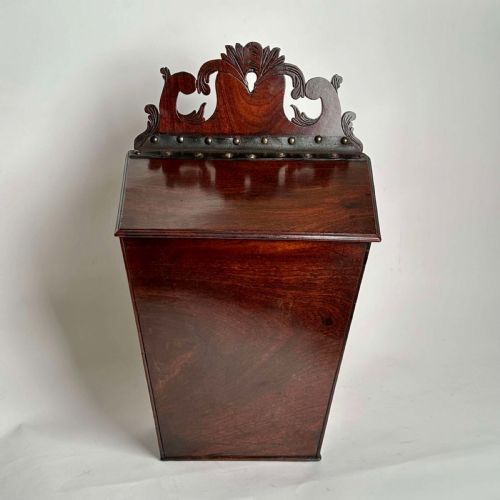
Buyers encounter distinct forms ranging from sarcophagus tea caddies and inlaid circular snuff boxes to large brass-bound wine coolers and umbrella stands. Each piece demonstrates the adaptability of hardwood in creating functional vessels for domestic organisation.
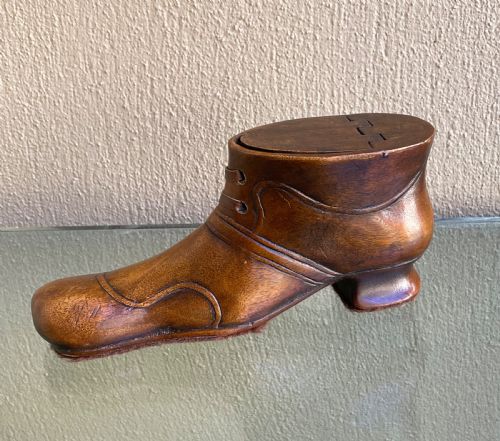
The selection encompasses both formal dining room pieces like plate buckets and everyday items such as apothecary boxes and snuff shoes. These containers bridge decorative arts and utilitarian function, anchored by the durability of mahogany.
How they were made
Cabinet makers utilised solid mahogany and flame mahogany veneers over secondary timbers, often incorporating contrasting fruitwood or wood inlay to define panels and lids. Timber selection prioritised grain movement and depth of colour, particularly in prominent items like tea poys and cellarettes.
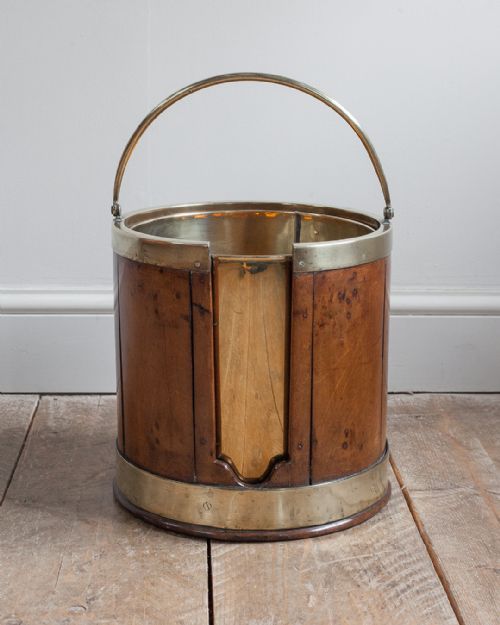
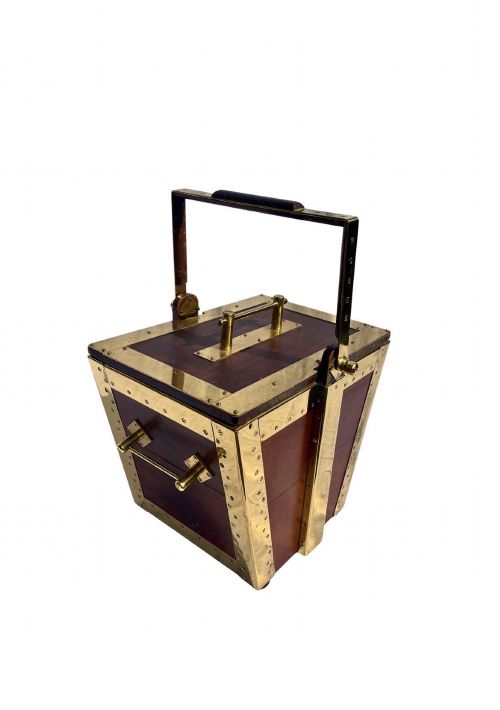
Metalwork played a structural and decorative role, with brass bands, drop handles, escutcheons and liners fitted to wine coolers, coal scuttles and stick stands. These metal components were secured with brass pins or screws, supporting heavy timber forms designed for regular handling.
Internal compartments were precision-joined using dovetail construction, especially within tea caddies and cutlery boxes where stability mattered. Turned elements appeared on circular boxes, plant stands and jardinières, shaping the hardwood on a lathe.
Antique Mahogany Container Retail Price Guide 2026
Typical asking prices for mahogany container among the pieces listed under this phrase on Sellingantiques today, from the lower quarter to the upper quarter. They describe what is for sale here now, not the wider market.
Mahogany and brass dominate the materials, while forms range from Georgian tea caddies to Edwardian jardinières.
What varies in quality
The standard of timber preparation sets higher tier examples apart, visible in the selection of symmetrical flame mahogany veneers and the crispness of turned or carved mouldings. Superior pieces display thoughtful grain matching across lids and facades rather than arbitrary board placement.
Hardware integrity defines the craftsmanship, distinguishing original brass lion masks, paw feet, and secure lock mechanisms from later replacements. The precision of dovetailing in internal compartments and the survival of original liners in coal boxes and wine coolers indicate workshop pedigree.
Proportion and decorative restraint dictate the aesthetic success of each container, where restrained inlay or clean brass banding elevates the object without cluttering the silhouette.
Gillows
The Antique Mahogany Container Glossary
- Tea caddy
- A small box designed for storing loose tea leaves, often featuring internal lidded compartments and a lock. These containers kept expensive tea secure in period households.
- Cellarette
- A large freestanding or floor-standing container used to hold bottles of wine near the dining table. They frequently feature internal divisions and robust brass binding.
- Flame mahogany
- A veneer cut from the fork of the mahogany tree where the branches join the trunk, producing a rippling flame-like pattern. Cabinet makers used this timber for the primary decorative surfaces of high-status boxes.
- Sarcophagus form
- A box shape with a domed or peaked lid and a flared body, resembling a miniature stone sarcophagus. This neoclassical style proved popular for Regency and Victorian tea caddies.
- Plate bucket
- A deep cylindrical container fitted with brass bands and drop handles, originally used for carrying and storing ceramic plates. They demonstrate the robust utility of turned mahogany in dining rooms.
- Treen
- Small handmade wooden objects produced for everyday domestic use, ranging from snuff boxes to small shoes. These items highlight the versatility of woodturning and carving.
Antique Mahogany Container: Frequently Asked Questions
What is a tea poy?
A tea poy is a small pedestal table featuring a lidded box on top, designed specifically for storing and preparing tea in the drawing room.
These pieces combined the function of a tea caddy with the stable support of a pillar and claw base.
How were coal boxes used?
Coal boxes and scuttles sat beside the fireplace to hold domestic fuel, often incorporating metal liners to catch dirt and ash.
Many featured drop handles and shovels, keeping the hearth tidy while maintaining a decorative presence in the room.
Are keys usually original?
Original keys are uncommon on antique boxes due to centuries of domestic use and displacement.
When a key does survive, it frequently operates the brass lock mechanism fitted into the escutcheon.
What is brass banding?
Brass banding involves strips of metal fitted around the edges or body of a wooden container to reinforce the structure.
This technique appeared frequently on wine coolers, bucket forms and stick stands to prevent the timber from splitting under heavy loads.