
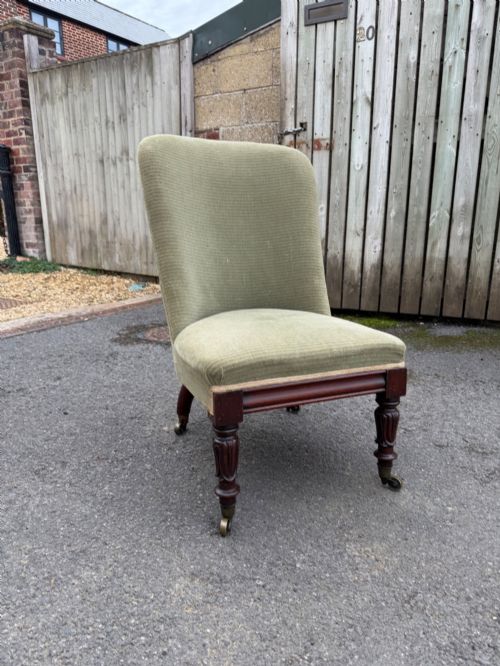
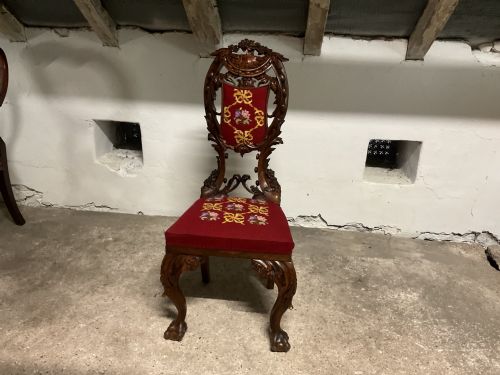
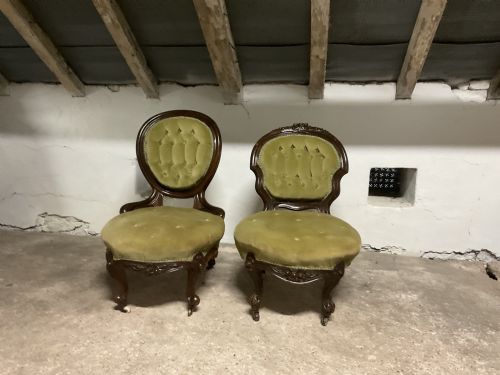
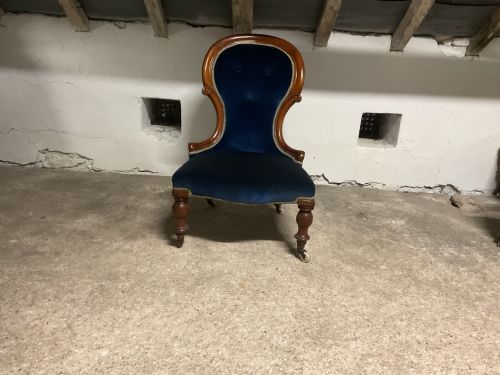
Antique Mahogany Bedroom Chair
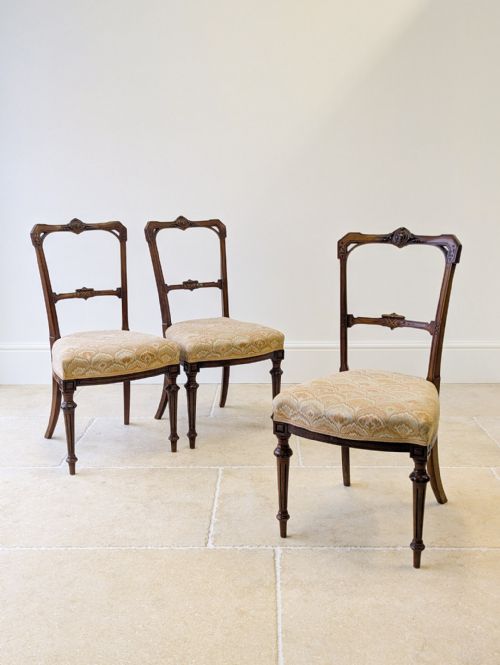
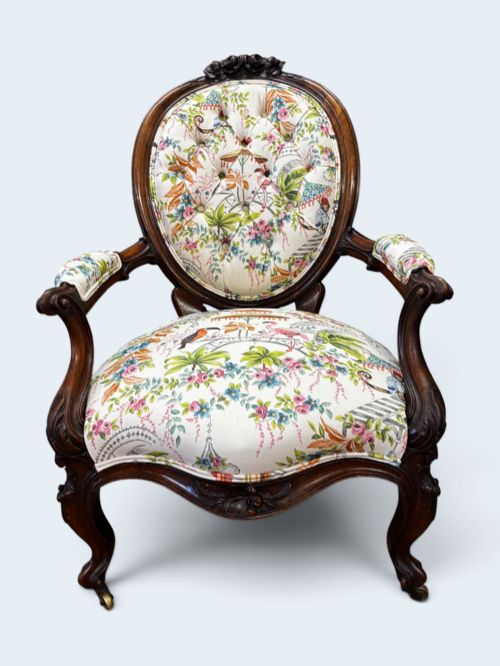
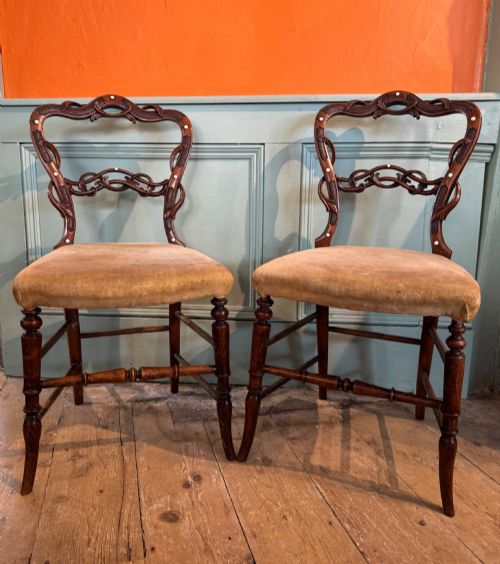
An antique mahogany bedroom chair brings refined timberwork and classic upholstery into private chambers, offering both comfort and period character.
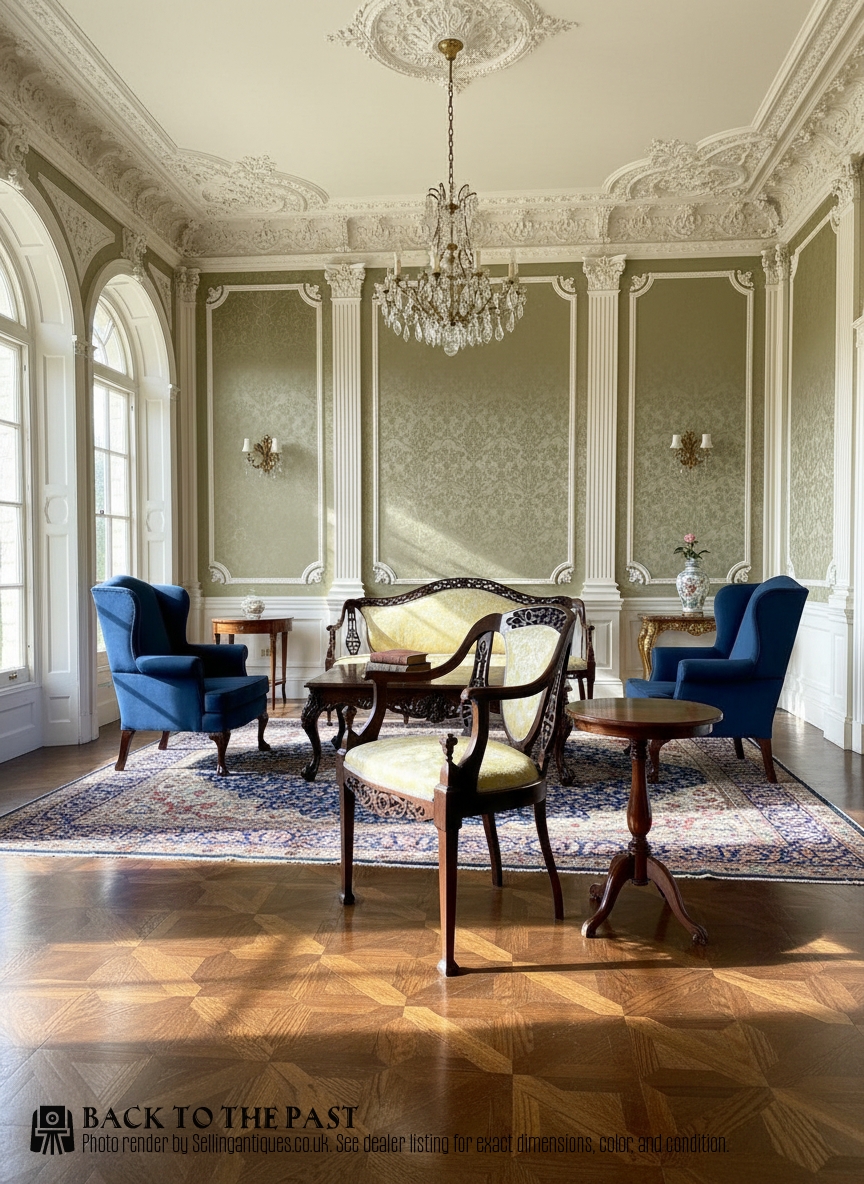
Identifying an antique mahogany bedroom chair
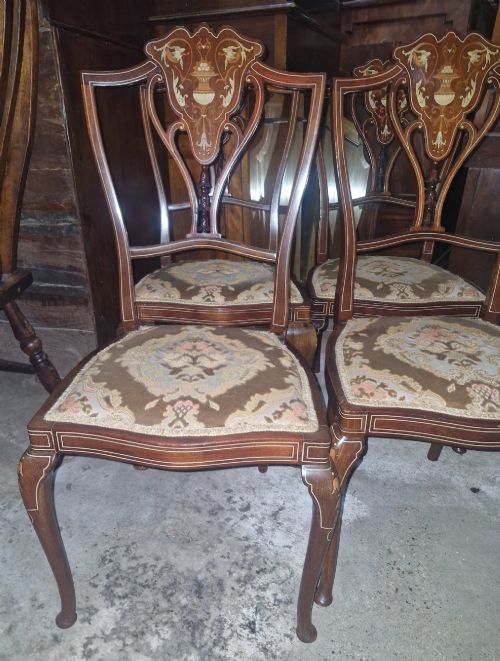
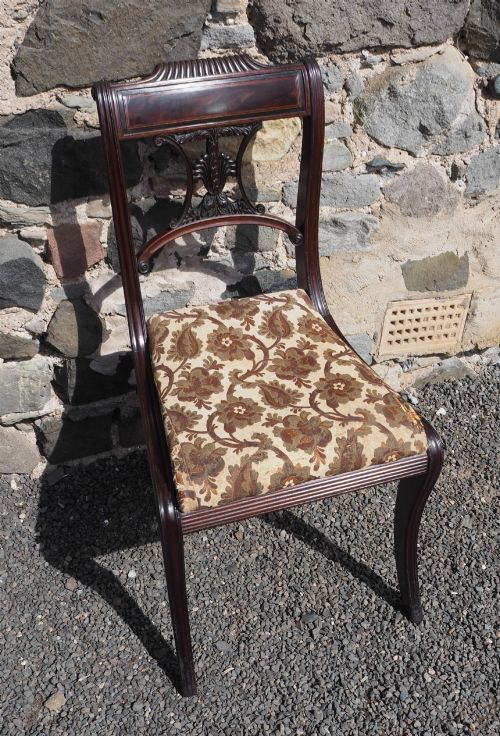
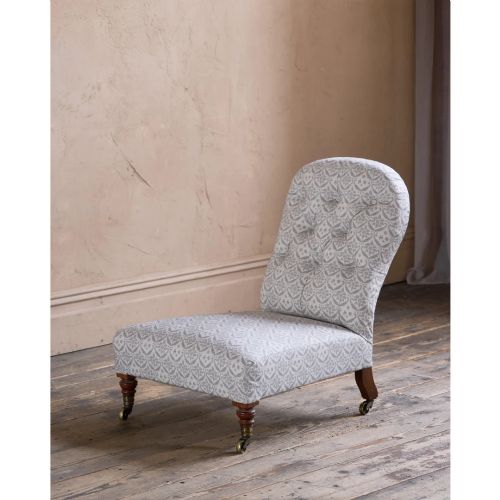
An antique mahogany bedroom chair is a domestic seat designed for private sleeping quarters, dressing rooms, and salons during the Georgian, Victorian, and Edwardian eras. Buyers searching for an antique mahogany bedroom chair will encounter single side chairs, occasional chairs, and low fireside models rather than heavy library armchairs.
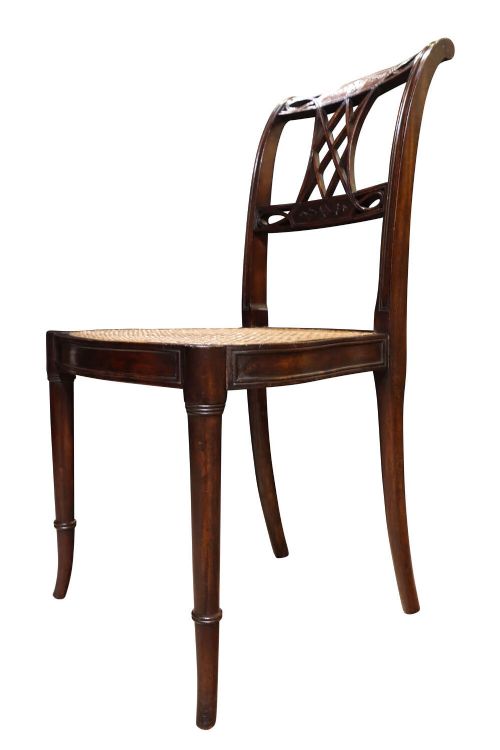
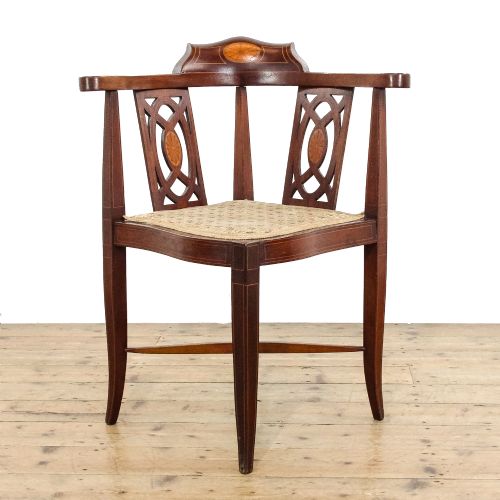
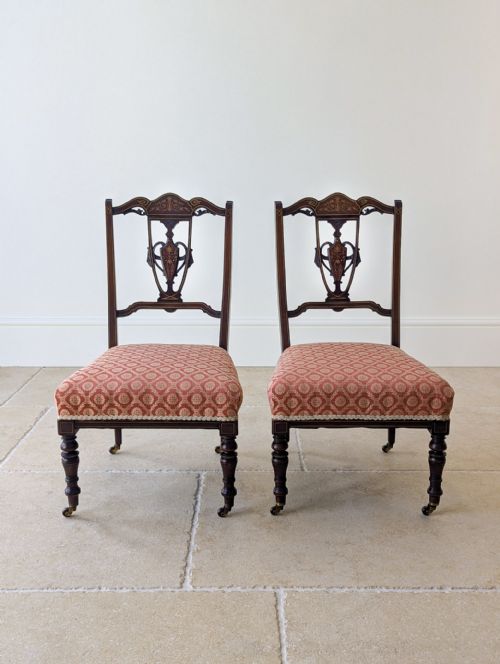
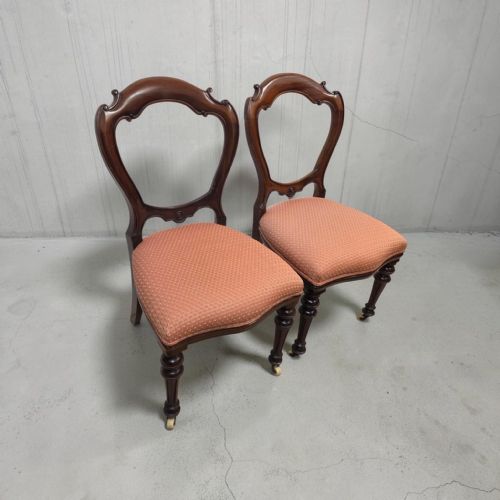
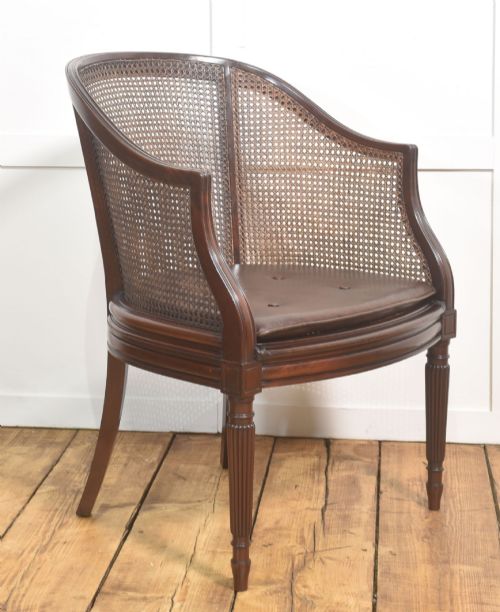
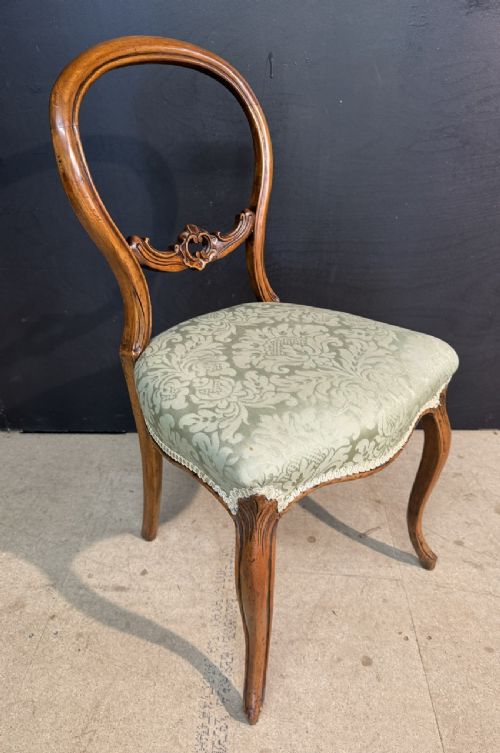
The pieces on this page span the nineteenth and early twentieth centuries, encompassing Regency, Victorian, and Edwardian aesthetics. Common surviving forms include cane-seated armchairs, inlaid nursing chairs, and carved timber frames upholstered in fabric, damask, or leather.
Materials and construction methods
Cabinetmakers constructed these frames primarily from mahogany, frequently utilising Cuban mahogany for denser figures and richer colouration. Decoration often involved contrasting boxwood inlay set directly into the timber.
Seating surfaces relied on traditional methods, combining solid mahogany frames with woven cane panels or padded upholstery covered in tapestry, leather, or damask fabric. Metal components like brass appeared occasionally for castors or structural accents.
Retail Price Guide 2026
Typical UK retail prices for mahogany bedroom chair, calculated from the Sellingantiques database of over a million retail prices indexed since 2003. This retail price guide relies exclusively on Sellingantiques data; no external sources or auction records are used, so the figures do not describe the wider market.
Several low nursing chairs include subtle historical modifications designed for mothers holding infants near the hearth.
Distinctions in craftsmanship
Quality rests upon the selection of the mahogany timber and the precision of the joinery rather than surface ornamentation alone. Finer examples display tight grain patterns in the wood and crisp execution of carved details or inlaid boxwood lines.
The integrity of the frame and the quality of the original materials, whether finely woven cane or durable leather upholstery, separate standard utilitarian seating from superior workshop production.
The Antique Mahogany Bedroom Chair Glossary
- Mahogany
- A durable tropical hardwood known for a reddish-brown colour that deepens with age. Cabinetmakers favoured it for its stability and fine grain.
- Cane
- Plant material woven into an open mesh pattern to form lightweight seating panels. It provides both flexibility and breathability.
- Inlay
- A decorative technique where contrasting materials like boxwood are set flush into the mahogany surface. This creates delicate geometric or botanical patterns.
- Nursing Chair
- A low-seated chair historically designed for feeding infants or personal grooming. Its reduced height distinguishes it from standard dining and salon seating.
- Regency
- A design period spanning the early nineteenth century influenced by classical Greek and Roman motifs. Pieces from this era often feature clean lines and dark timber.
Frequently Asked Questions
What is a bedroom chair?
A bedroom chair is a small, versatile seat produced for private chambers during the nineteenth and early twentieth centuries. These pieces provided a place to sit while dressing or resting away from formal entertaining spaces.
They often featured lighter frames and lower profiles than main reception room furniture, adapting easily to modern corners and dressing areas.
How do I date an Edwardian piece?
Edwardian seating typically dates from the early twentieth century and reflects lighter proportions inspired by earlier Georgian designs. Look for delicate boxwood inlay and bright mahogany tones.
Construction details and traditional upholstery fabrics from the period help confirm the era alongside overall aesthetic lightness.
Are cane seats original?
Many bedroom chairs utilised woven cane panels to keep the frame lightweight and comfortable. Original cane shows signs of natural ageing, patina, and wear consistent with the timber frame.
Replacement cane is common due to the delicate nature of the material, though skilled weaving preserves the traditional appearance of the seat.
Where should I place one?
These compact chairs suit bedrooms, dressing rooms, hallways, and quiet reading corners. Their modest scale allows them to function well as occasional seating without dominating a room.
Pairing a small side chair with a desk or vanity table lets you integrate period woodwork into everyday domestic spaces.