


Antique Lustreware Pottery
Antique lustreware pottery catches the eye through metallic glazes that reflect light, capturing historical narratives from Georgian jugs to Art Deco vases.
Antique Lustreware Pottery
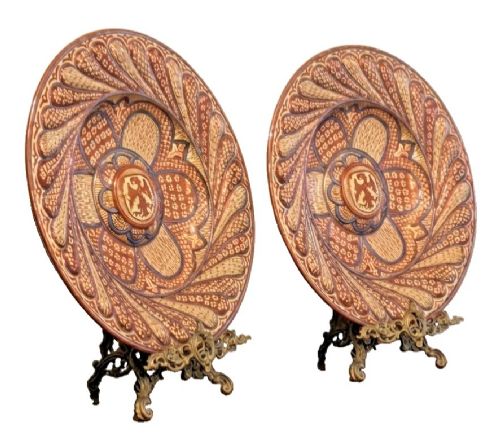
When searching for antique lustreware pottery, buyers encounter items coated with metallic glazes that create a distinct iridescent sheen. These ceramics span multiple centuries, originating from early Persian pieces to nineteenth-century English earthenware.
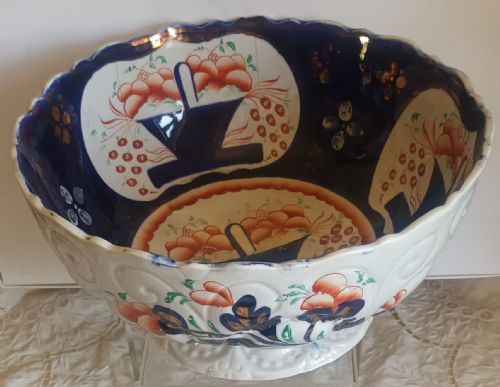
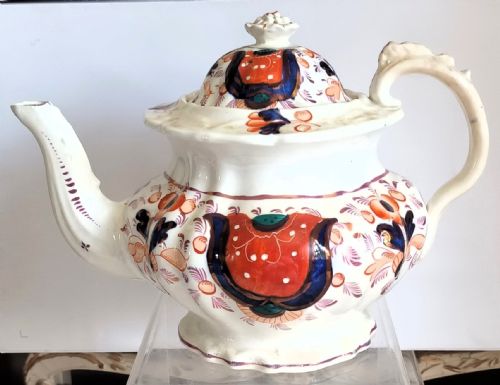
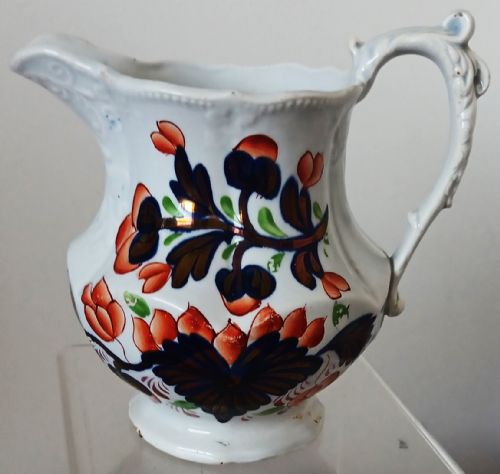
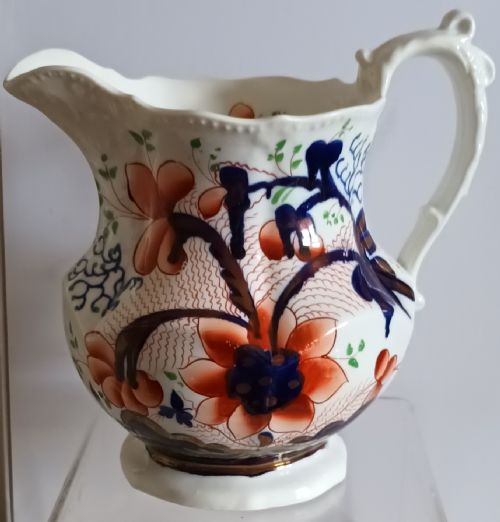
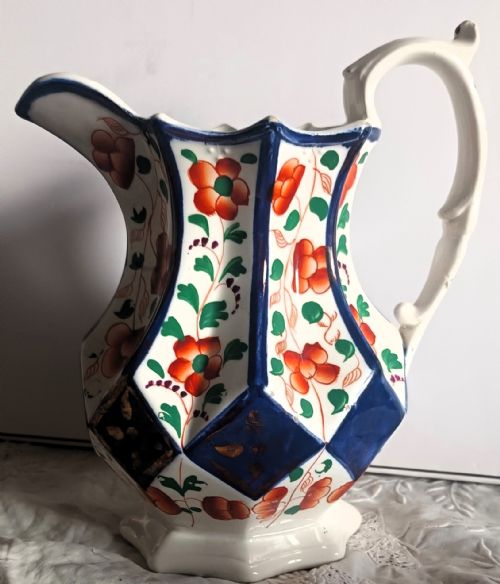
The selections available here lean heavily toward utilitarian and decorative forms, including jugs, pitchers, bowls, and vases. Prominent regional styles such as Sunderland pink splash pieces and Gaudy Welsh patterns appear frequently alongside elaborate Wedgwood creations.
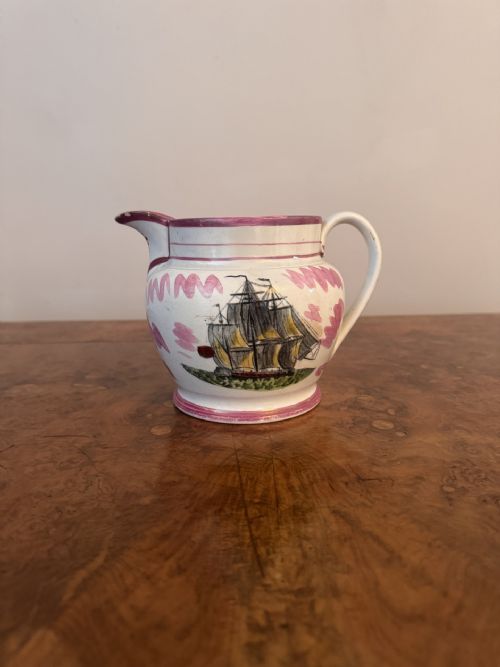
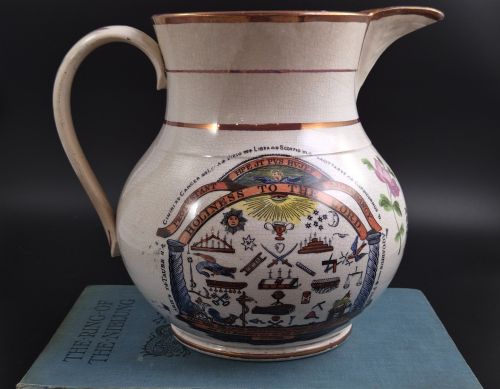
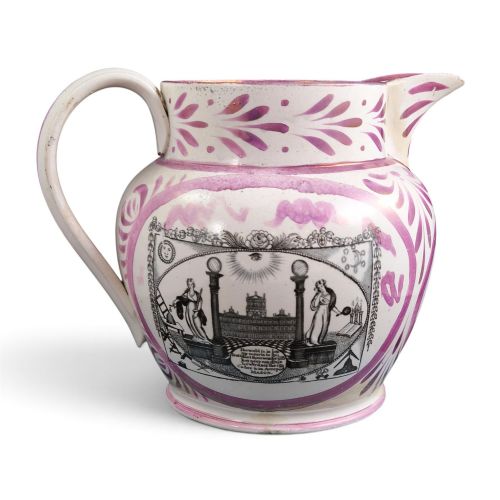
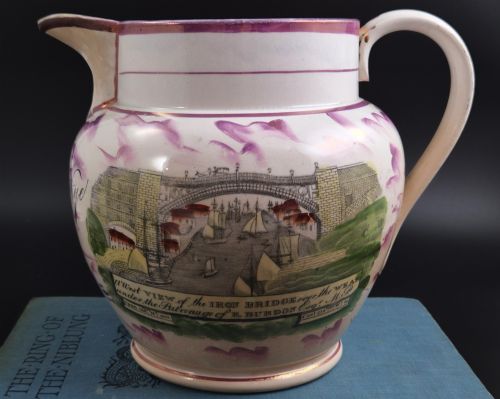
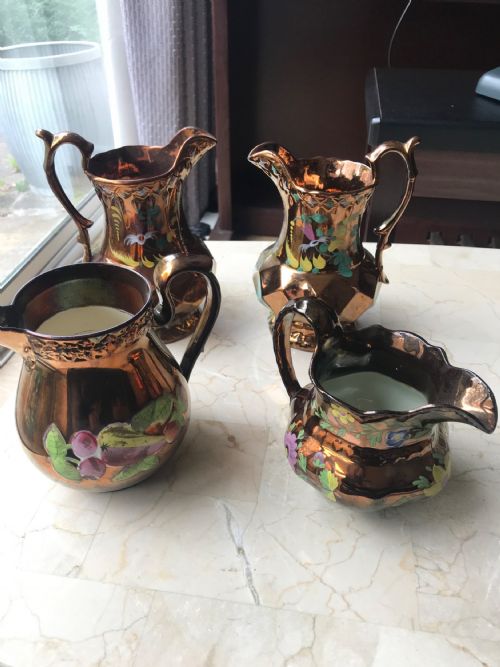
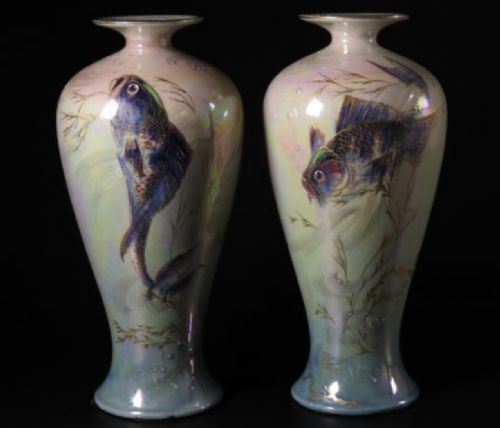
Vessels often carry specific historical themes, featuring transfer prints of maritime scenes, bridges, or commemorative texts. Buyers also find figurative sculptures and cache pots finished with copper or pink lustre surfaces.
How They Were Made
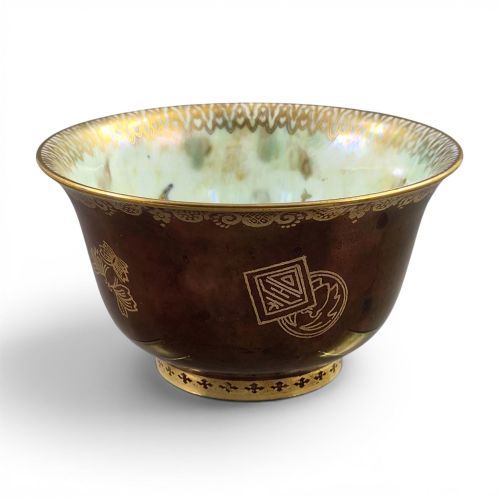
Potters produced these objects using ceramic and earthenware bodies, frequently working with pearlware or ironstone. Artisans applied metallic glazes containing gold leaf or copper elements to achieve the characteristic reflective finish.
Decoration often involved hand painting, enamel work, and polychrome transfer printing beneath or over the glaze. Firing techniques controlled the reduction of metallic oxides to create the distinctive sheen.
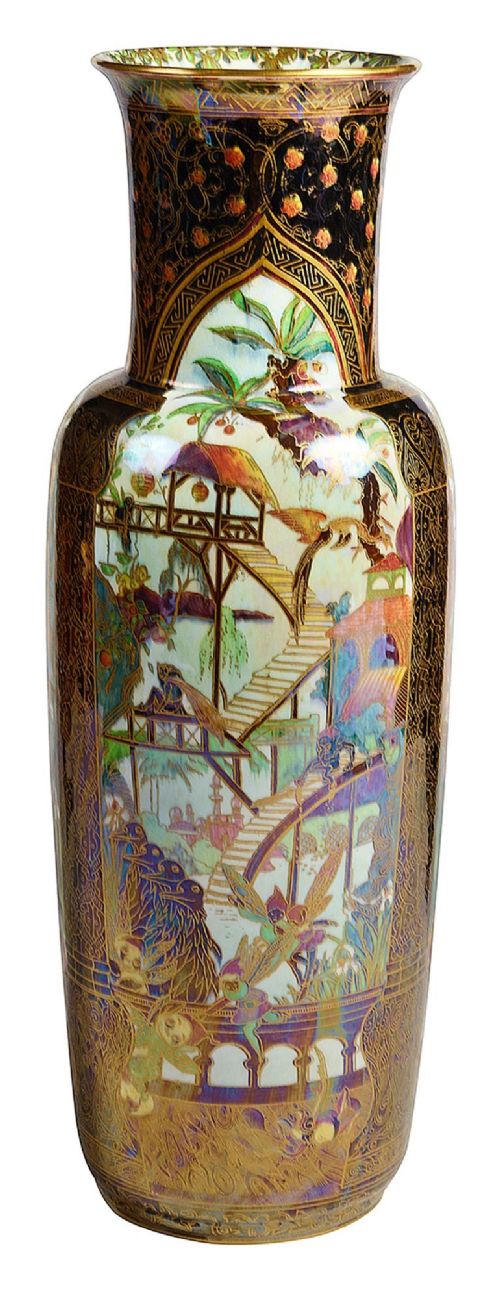
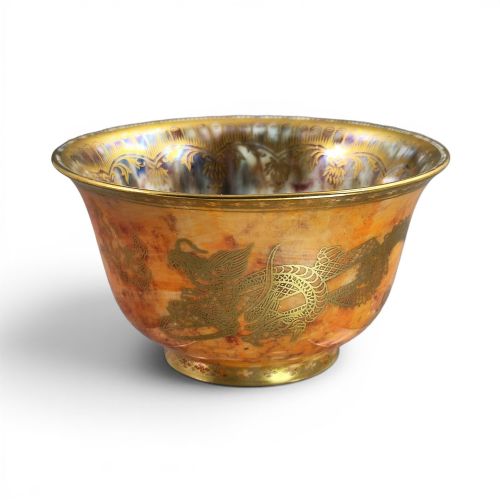
Vessels like the intricate Fairyland designs required multiple kiln firings to layer colours and gold details successfully. Simpler Sunderland jugs relied on splash techniques where metallic solutions separated naturally during firing.
Antique Lustreware Pottery Retail Price Guide 2026
Typical asking prices for lustreware pottery among the pieces listed under this phrase on Sellingantiques today, from the lower quarter to the upper quarter. They describe what is for sale here now, not the wider market.
What Varies in Quality
The execution of the metallic glaze sets standard production apart from exceptional studio work, particularly in the depth and evenness of the iridescence. Superior pieces display complex colour interaction across the surface without dull patches.
Complexity of design influences the standing of a piece, separating straightforward transfer-printed Sunderland jugs from hand-enamelled and gilded Art Deco works. Painterly precision in botanical or figural scenes adds significant artistic merit.
The integrity of the ceramic body and the preservation of delicate enamel details determine overall desirability. Well-defined transfers and crisp moulding on earthenware indicate superior initial manufacture.
Wedgwood·Maling·Enoch Wood And Sons·Zsolnay Pecs
The Antique Lustreware Pottery Glossary
- Lustre Glaze
- A metallic ceramic coating that produces an iridescent or reflective surface finish. Artisans use silver, copper, or gold oxides to achieve this effect.
- Pearlware
- A refined earthenware developed in the eighteenth century featuring a subtle bluish glaze that pooled in crevices. It provided a paler ground for transfer printing than earlier creamware.
- Transfer Printing
- A method of applying detailed decorative patterns to ceramics using engraved copper plates and tissue paper. This technique allowed consistent reproduction of complex maritime scenes and poems.
- Pink Splash
- A decorative Sunderland technique where spots of metallic lustre separate during firing to create a mottled pink texture. It often appears alongside transfer-printed bridges or Masonic symbols.
- Earthenware
- Porous pottery fired at lower temperatures than stoneware or porcelain. It serves as the primary ceramic body for nineteenth-century lustre jugs and bowls.
Antique Lustreware Pottery: Frequently Asked Questions
What is lustreware pottery?
Lustreware pottery consists of ceramic vessels finished with a metallic glaze that creates an iridescent, reflective surface. The technique gives earthenware and porcelain the appearance of polished metal.
Potters utilised silver, copper, and gold oxides in the glaze to achieve different metallic hues. These pieces range from early Persian bowls to nineteenth-century English jugs and twentieth-century decorative vases.
How were Sunderland lustre jugs used?
Sunderland lustre jugs served both practical household functions and commemorative roles in maritime communities. They functioned as pouring vessels for milk or water while recording social events.
Many jugs celebrated local landmarks like the Iron Bridge over the Wear or displayed poetic verses and Masonic emblems. Sailors and families often kept them as keepsakes or presentation pieces.
What defines Wedgwood Fairyland lustre?
Wedgwood Fairyland lustre comprises imaginative designs created by designer Daisy Makeig-Jones in the early twentieth century. These pieces feature complex fantasy scenes with goblins, bridges, and fairies.
The items involve intricate hand enamelling combined with heavy gilding and rich ruby, green, or orange lustre grounds. Each pattern requires multiple kiln firings to build the layered visual depth.