


Antique Luggage Storage
These antique luggage storage pieces are robust travel trunks and chests repurposed for modern homes, bringing historical character and practical storage to any room.
Antique Luggage Storage
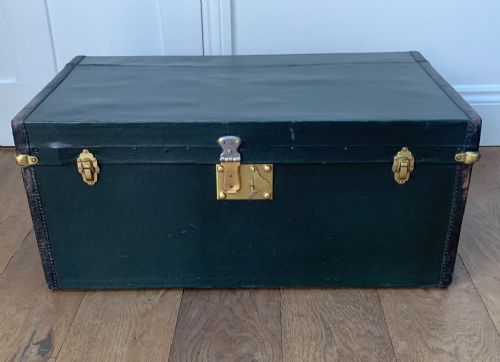
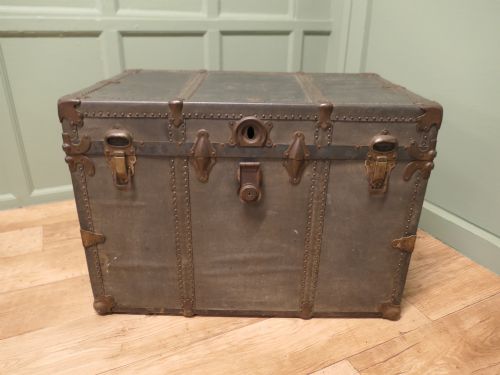
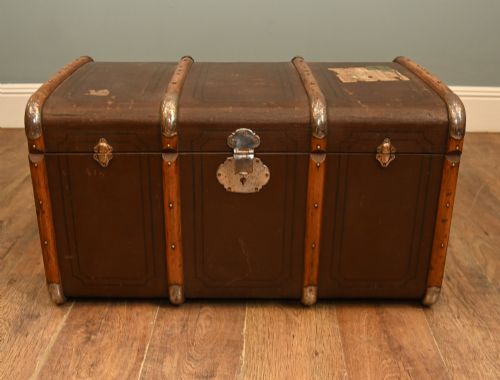
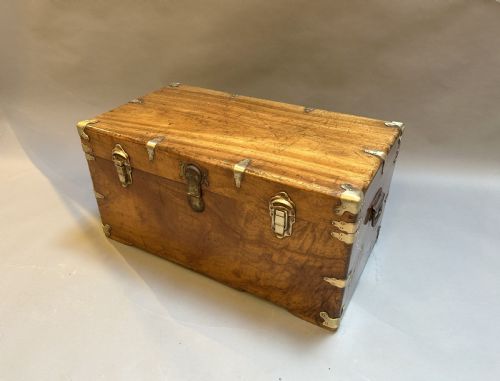
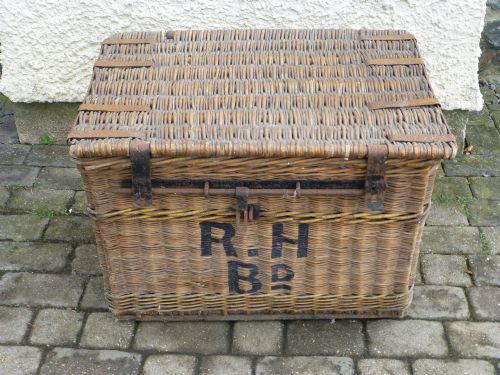
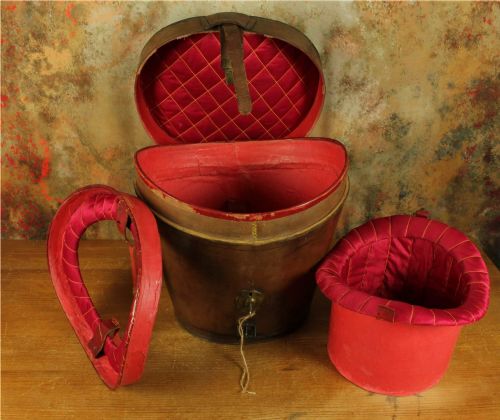
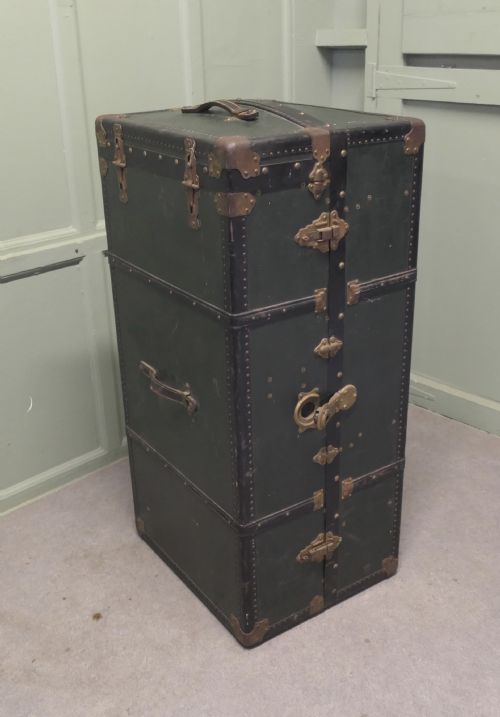
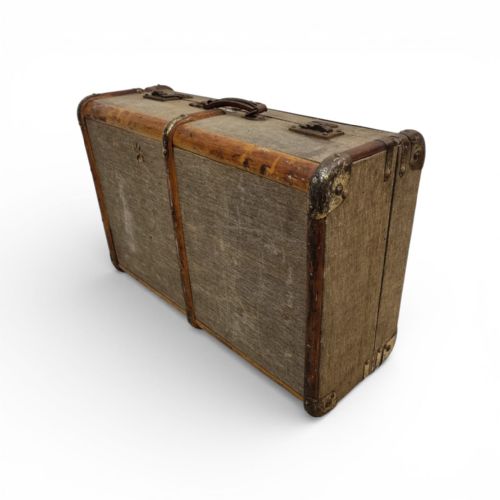
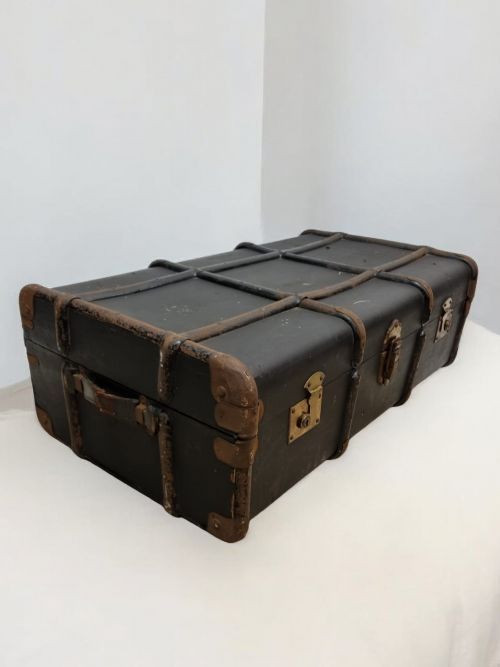
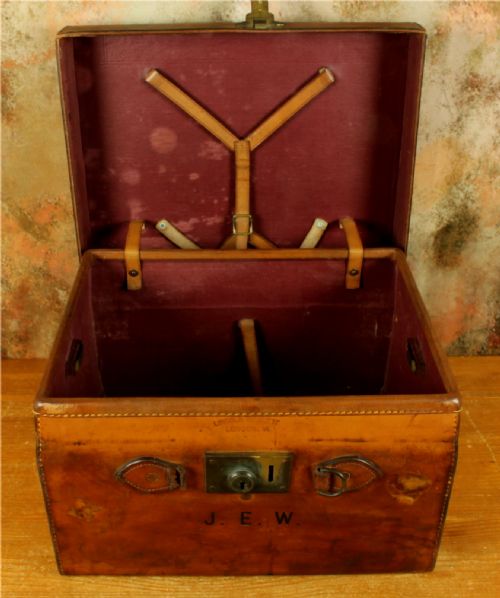
Antique luggage storage encompasses a variety of sturdy travel cases, including steamer trunks, leather hat boxes, campaign chests, and heavy-duty wooden coffers designed for transit.
Most pieces seen here originate from the nineteenth and early twentieth centuries, spanning the Victorian and Edwardian eras through to the art deco period.
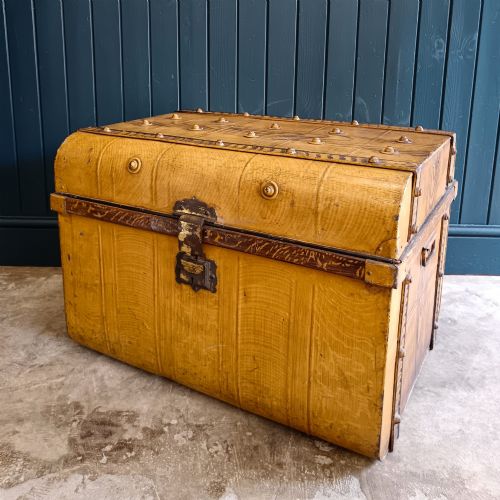
Forms range from compact top hat cases and Chinese camphor wood boxes to large fitted wardrobes and metal-bound travel trunks used on ocean liners.
Construction and Materials
Makers built these pieces using durable woods like camphor wood, pine, and oak, often reinforced with exterior bands of iron, brass, or steel.
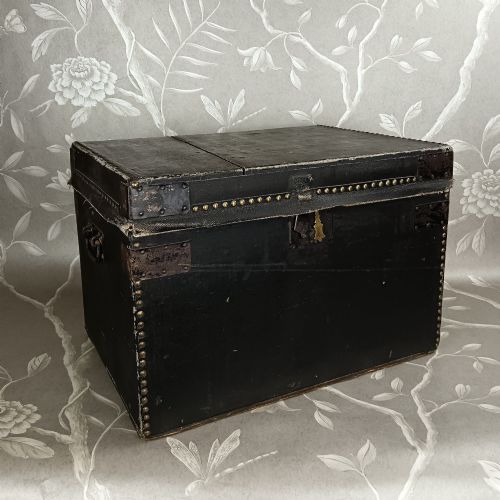
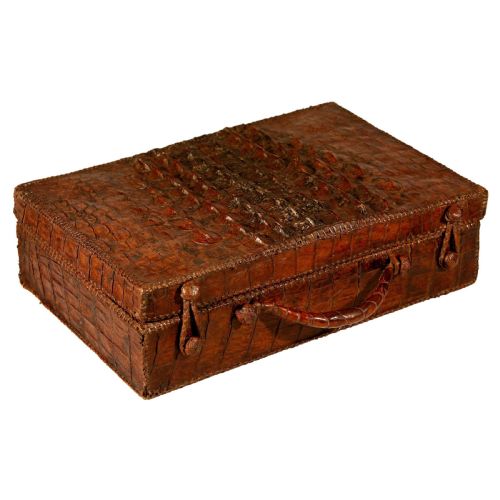
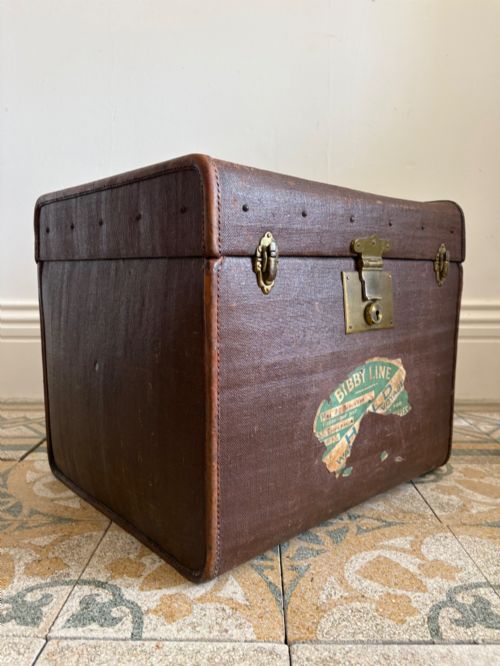
Exterior surfaces were typically covered in protective leather, painted canvas, or hide, secured with heavy brass or iron hardware and corner brackets.
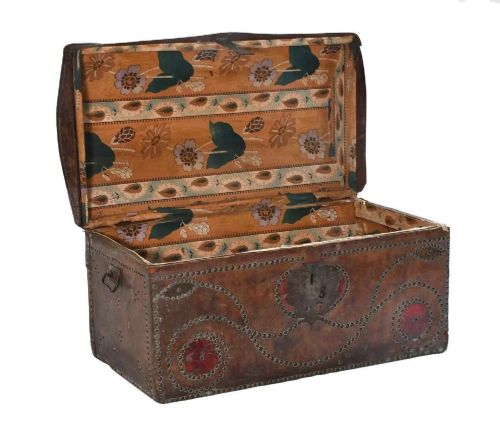
Interiors frequently incorporated wooden laths, fabric linings, or specialised compartments tailored for hats, suits, and travel accessories.
Antique Luggage Storage Retail Price Guide 2026
Typical asking prices for luggage storage among the pieces listed under this phrase on Sellingantiques today, from the lower quarter to the upper quarter. They describe what is for sale here now, not the wider market.
Materials recur in sturdy combinations of camphor wood, brass-bound leather, iron, painted canvas, and solid pine.
Assessing Quality
Superior quality shows in the robustness of the original hardware, such as heavy brass locks, iron handles, and reinforced corner plates that withstand daily use.
The integrity of construction materials dictates the grade of a piece, from simple pine kists to finely dovetailed camphor wood chests or fitted leather wardrobes.
Original labels, maker stamps, and untouched linings elevate a piece above standard utility trunks by confirming its specific provenance and maker.
Wm. Insall of Bristol·Lincoln Bennett·Seaward·Seabrook of St.Pauls, London·Louis Vuitton·Allen of London·Peek Frean and Co
The Antique Luggage Storage Glossary
- Steamer trunk
- A relatively flat-topped or slightly domed trunk designed to fit easily into the cabin stateroom of an ocean liner. These cases often feature internal fitted trays and robust exterior latches.
- Campaign trunk
- A collapsible or easily transportable chest made for military officers on the move. They are frequently constructed from camphor wood with recessed brass handles to protect against knocks.
- Portmanteau
- A large travelling bag or suitcase that opens into two equal compartments. This term usually applies to structured leather cases designed for clothing.
- Kist
- A traditional wooden storage chest or blanket box, typically of Scottish or northern origin. They provide simple, sturdy space for household textiles.
- Hat box
- A specialised rigid container designed to protect tall hats or top hats during travel. These circular or oval cases often feature internal fittings to secure the headwear.
Antique Luggage Storage: Frequently Asked Questions
What fits inside these storage trunks?
These trunks offer deep internal cavities originally built for garments, hats, and travel gear. Today they accommodate household blankets, winter woollens, books, or living room clutter.
Smaller hat boxes and cases work well on shelves or tabletops for hiding smaller items while keeping them accessible.
How do I clean an old leather trunk?
Dust the exterior gently with a dry, soft cloth to remove surface grit. Apply a museum-grade microcrystalline wax or suitable leather food sparingly to nourish dry hide.
Avoid harsh modern chemical cleaners or excessive water, which can damage original patinated leather and metal fittings.
Can I use a steamer trunk as a coffee table?
Flat-topped steamer trunks and sturdy wooden chests function well as coffee tables in living spaces. Their solid construction easily supports books, trays, and decorative objects.
Ensure the lid is securely closed and level before placing items on top.
How do I identify a Victorian trunk?
Victorian trunks often display heavy brass or iron hardware, thick leather bindings, and dark wood frames typical of nineteenth-century craftsmanship. Look for maker labels or railway transit stickers that indicate period usage.
Construction methods such as hand-cut dovetailing and iron studs also point towards nineteenth-century production.