


Antique Low Book Cabinet
An antique low book cabinet offers practical shelving at a comfortable height, bringing period timber and proportion into smaller rooms.
Antique Low Book Cabinet
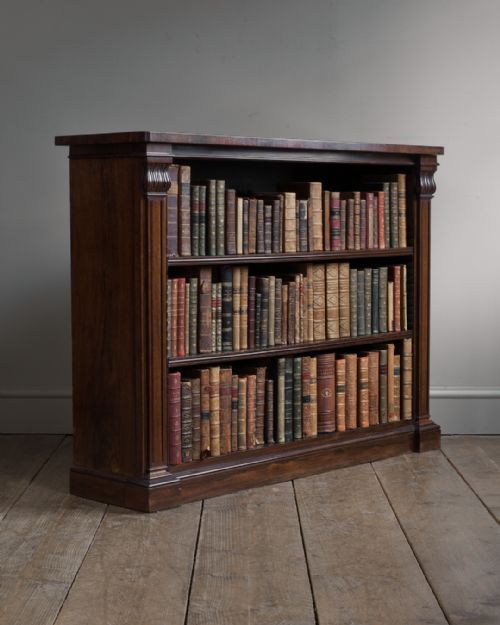
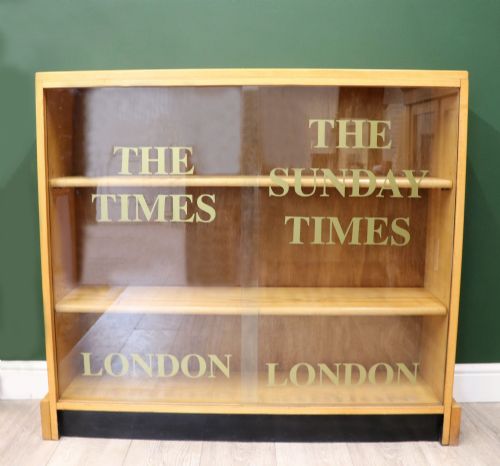
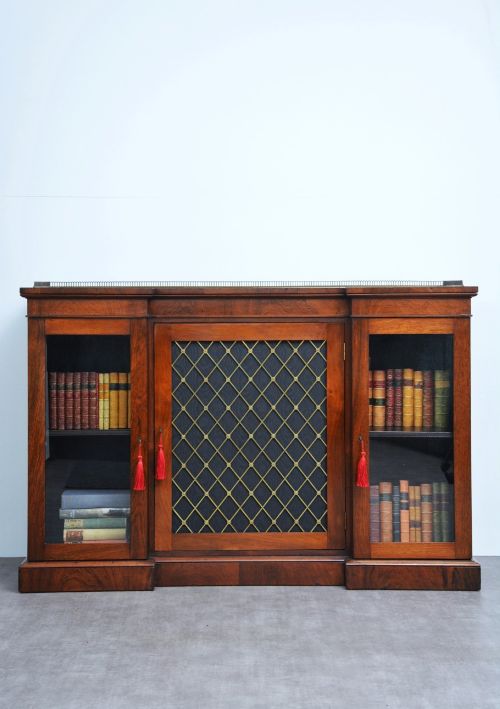
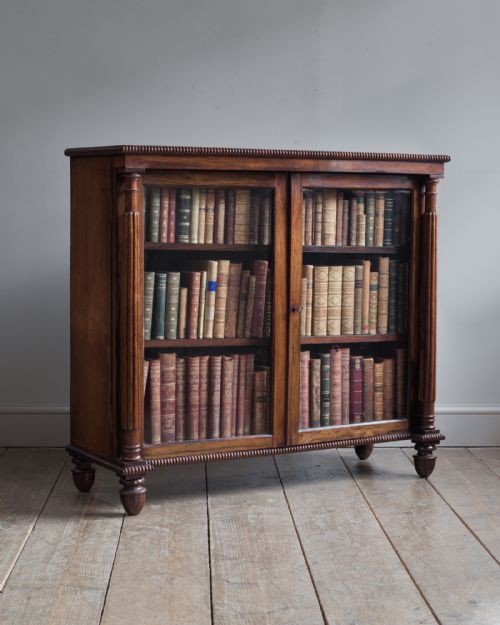
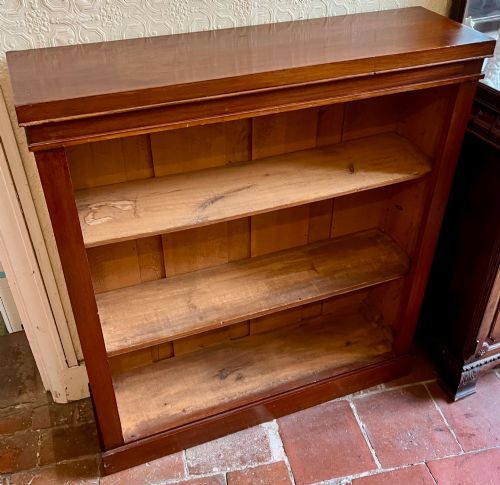
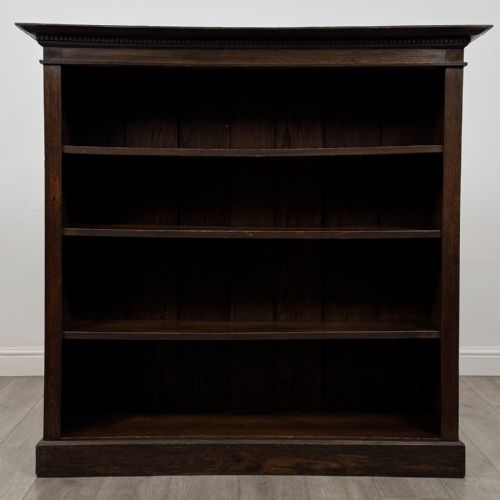
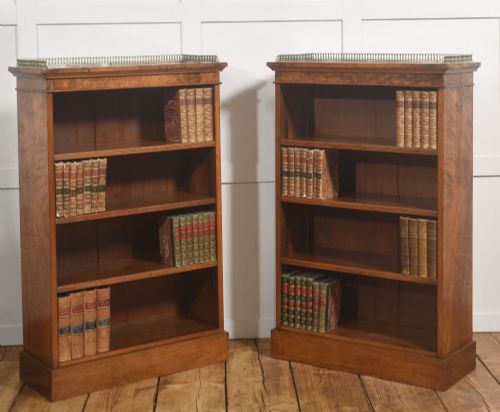
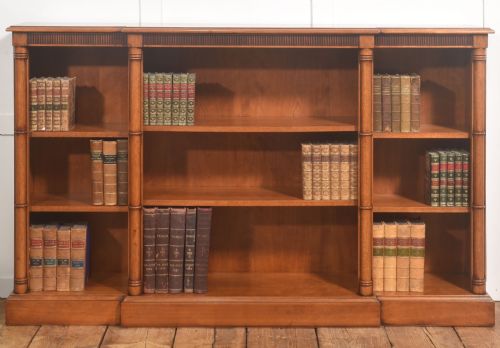
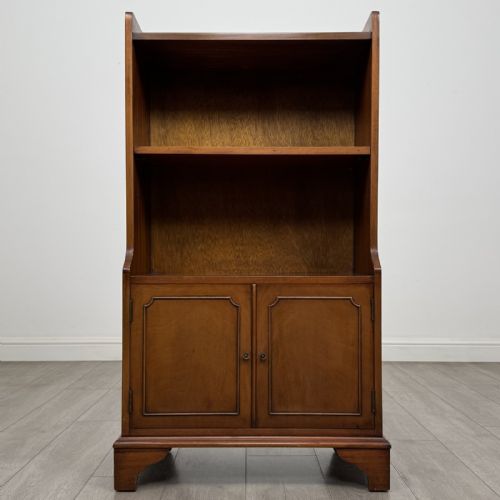
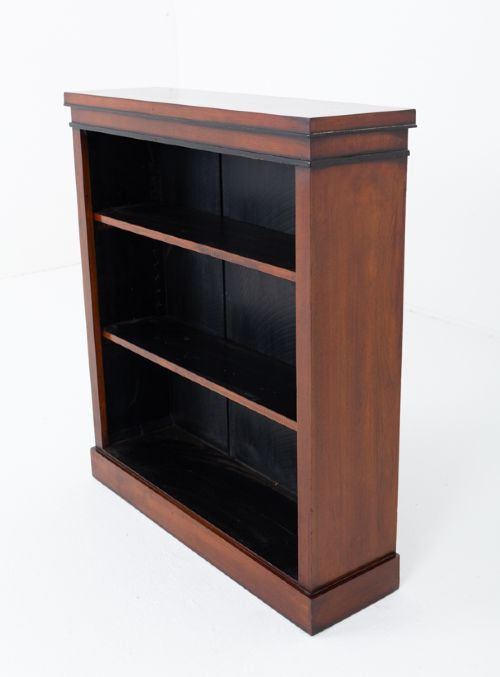
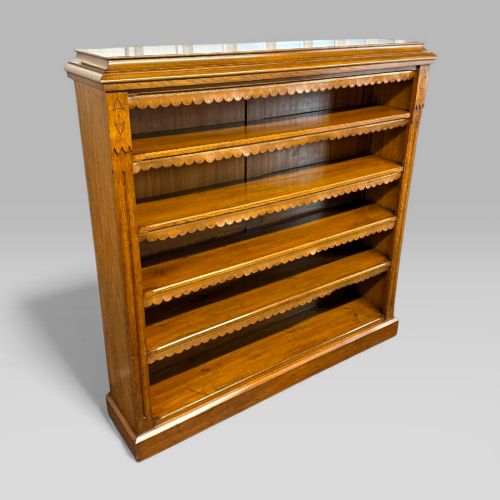
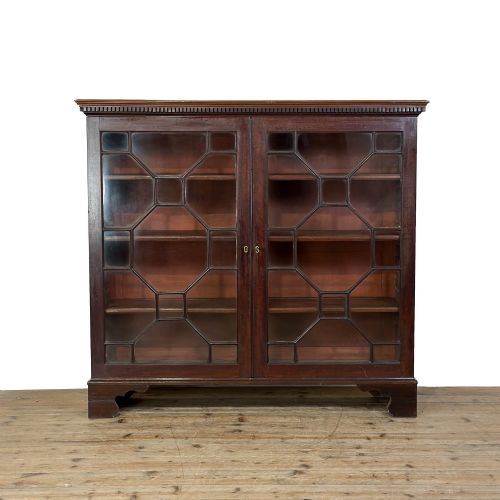
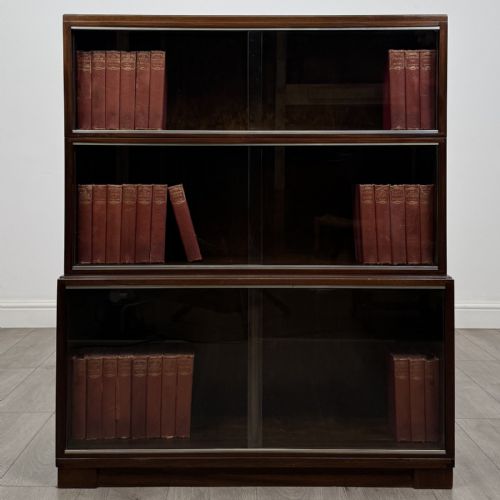
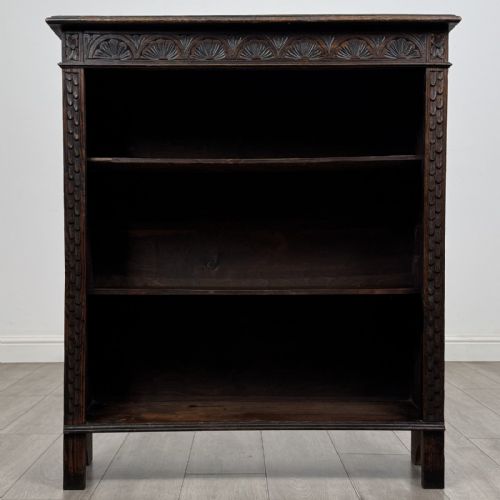
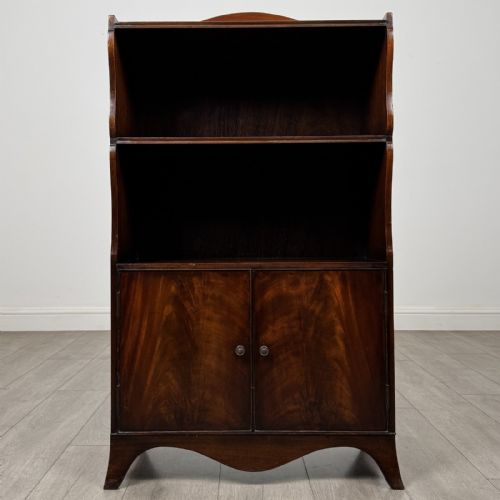
An antique low book cabinet provides accessible shelving while keeping sightlines clear across a room. These pieces appear primarily in Victorian, Edwardian, and Regency formats, taking the shape of open bookcases, dwarf cabinets, and glazed display furniture.
Most examples found here span the nineteenth and early twentieth centuries, constructed to house modest household libraries rather than grand institutional collections. Buyers frequently encounter low open shelves alongside variants fitted with glass doors or lower cupboards.
Origins stretch from English workshops to French cabinets, incorporating styles such as Gothic Revival, Arts and Crafts, and Art Deco. Their reduced height distinguishes them from towering library bookcases while retaining substantial timber presence.
Materials and Construction Methods
Cabinetmakers relied heavily on dense hardwoods such as mahogany, walnut, rosewood, and oak, often selecting figured veneers and burr walnut for visible panels. Glass panes feature in glazed variants, while brass elements appear on castors and handles.
Joinery techniques prioritize stability for weighted shelving, incorporating adjustable internal brackets and beaded edges. Carved details and inlay work decorate specific styles, from Victorian Gothic motifs to Arts and Crafts solid timber construction.
Antique Low Book Cabinet Retail Price Guide 2026
Typical asking prices for low book cabinet among the pieces listed under this phrase on Sellingantiques today, from the lower quarter to the upper quarter. They describe what is for sale here now, not the wider market.
Some nineteenth-century cabinets rolled across carpets on tiny brass castors so guests could rearrange the library after tea.
Distinctions in Quality and Execution
Superior pieces display careful timber selection, where grain patterns across the front match harmoniously rather than relying on uniform staining. The depth of hand-applied polish and the crispness of carved details separate standard utility furniture from finer domestic commissions.
Structural integrity reveals itself in how smoothly shelves adjust and how tightly doors close within their frames. Secondary timbers used for interiors and the quality of brass hardware further indicate the original tier of production.
The Antique Low Book Cabinet Glossary
- Dwarf bookcase
- A low-standing shelving unit designed to sit below picture rail height. These items prioritize surface display alongside book storage.
- Open bookcase
- A shelving cabinet without doors, providing direct access to volumes. Such pieces often incorporate adjustable wooden shelves.
- Waterfall bookcase
- A tiered shelving unit where each upper shelf steps back progressively from the one below. This form appears frequently in mahogany and rosewood.
- Burr walnut
- A prized timber harvested from walnut tree growths, yielding intricate swirling grain patterns. Cabinetmakers utilised this material for decorative veneered surfaces.
- Glazed double bookcase
- A cabinet featuring two glass-fronted doors to protect volumes from dust. These enclosures frequently include secure locking mechanisms.
Antique Low Book Cabinet: Frequently Asked Questions
What is a low book cabinet?
A low book cabinet is a compact shelving unit designed to hold books while maintaining a low profile beneath the line of wall art or windows.
These versatile items combine display space on top with accessible storage below, suiting modern rooms where tall bookcases overwhelm the proportions.
How do I style a low bookcase?
Utilise the top surface for lamps, ceramics, or framed pictures, leaving breathing room between objects to avoid visual clutter.
Arrange books both vertically and in small horizontal stacks to create varied heights along the open shelves.
Are the shelves adjustable?
Many period examples feature adjustable shelves supported by brass studs or wooden rack strips inside the cabinet walls.
This adaptability allows collectors to house volumes of varying heights without awkward gaps.
How do I identify a Regency bookcase?
Regency pieces often display clean architectural lines, premium rosewood or mahogany veneers, and restrained brass mounts.
Look for refined proportions characteristic of the early nineteenth century, distinguishing them from heavier later Victorian designs.