


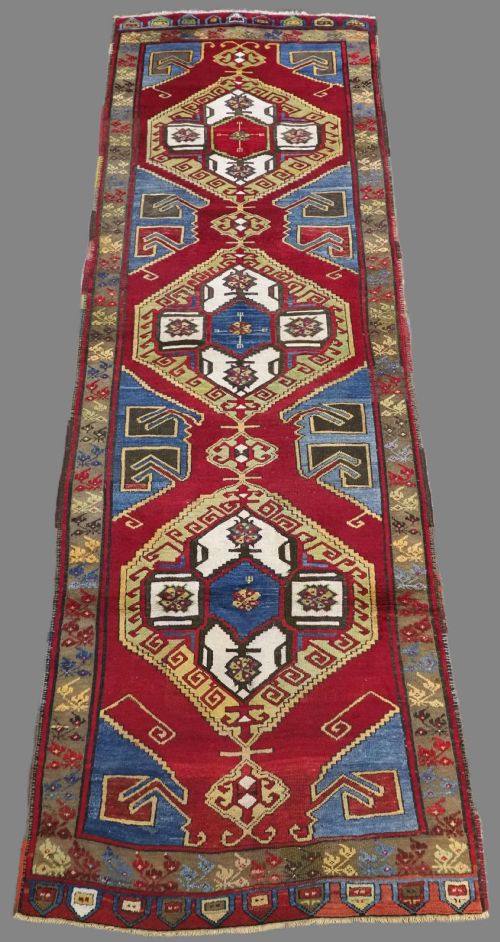
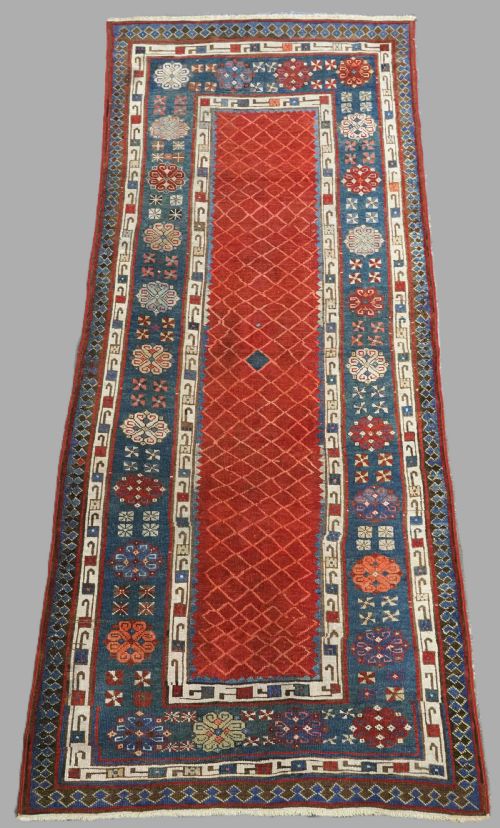
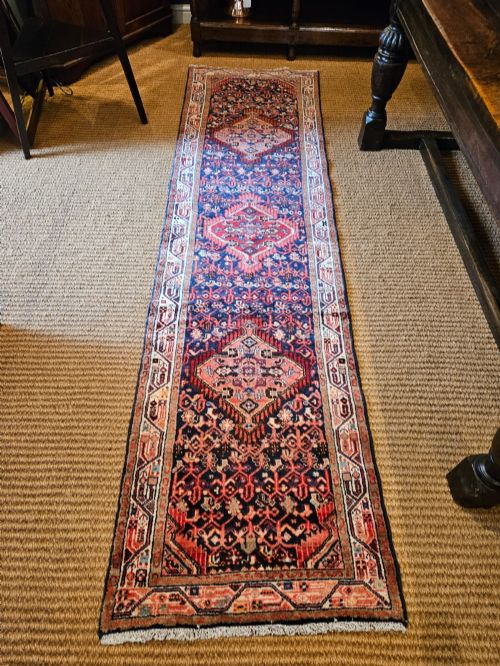
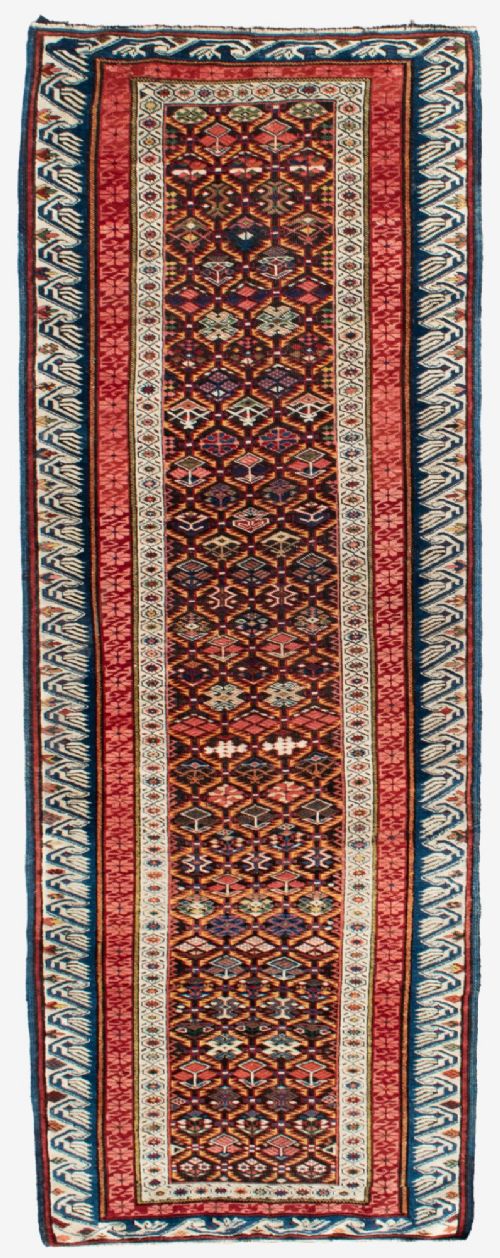
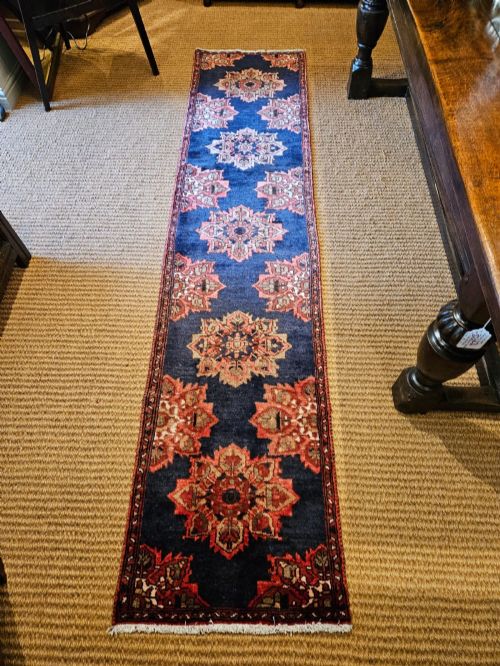
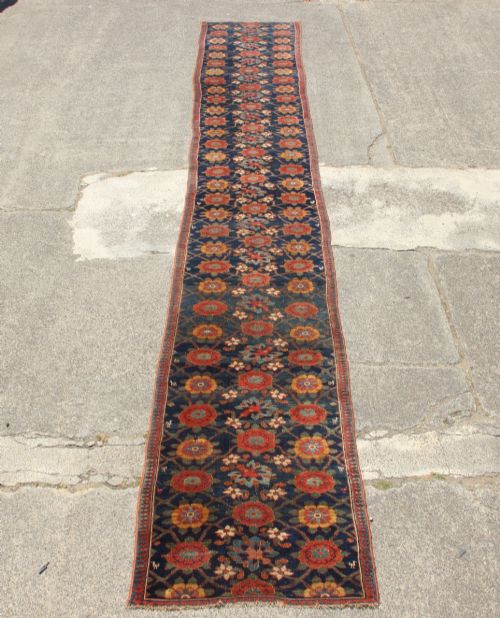
Antique Long Runner Rug
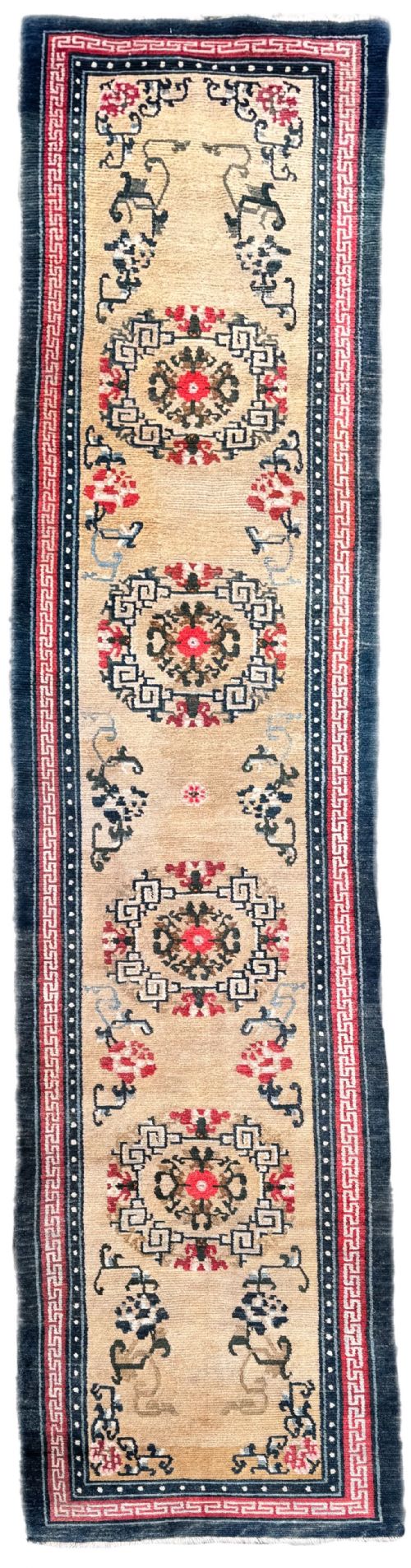
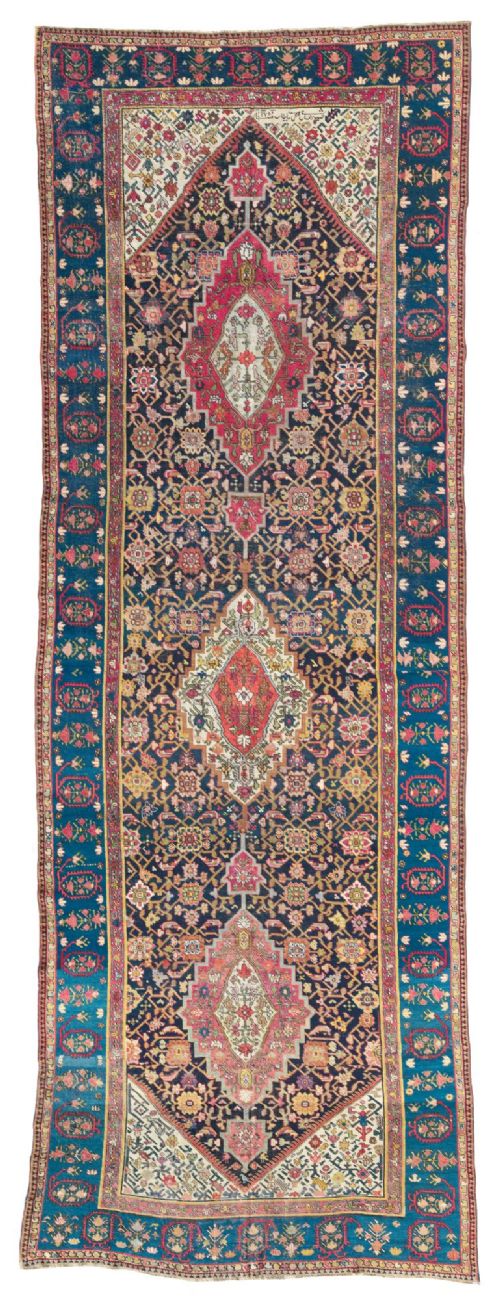
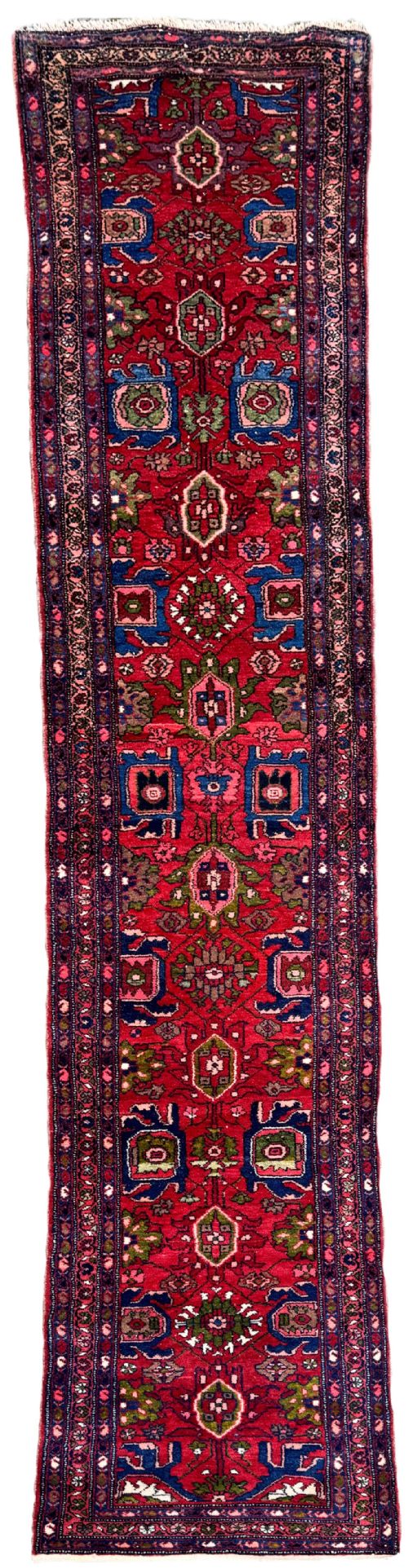
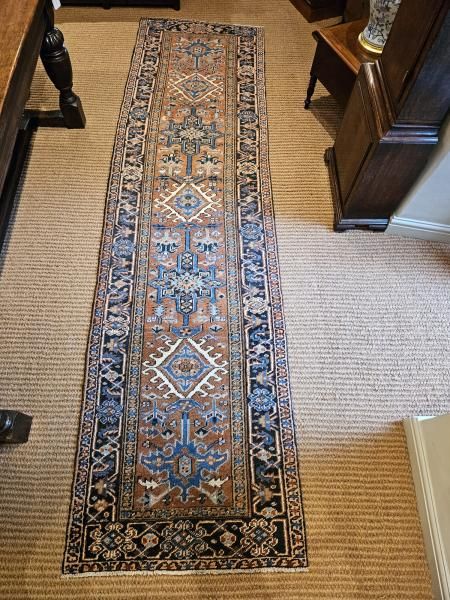
An antique long runner rug anchors a grand hallway with centuries of nomadic artistry and durable floor coverings.
Antique Long Runner Rug
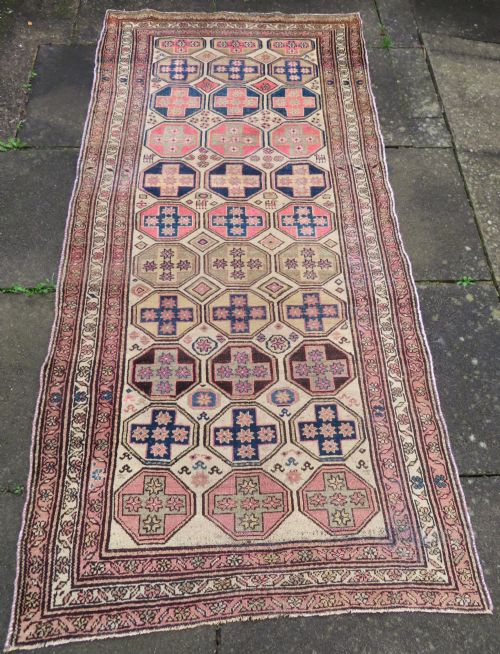
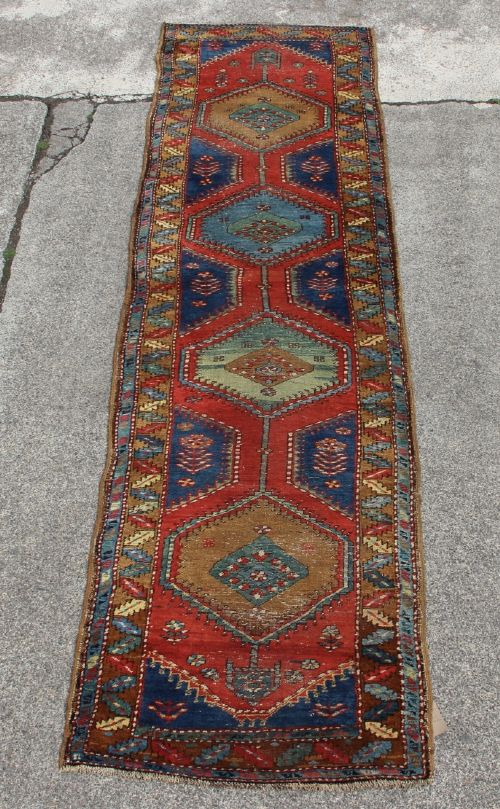
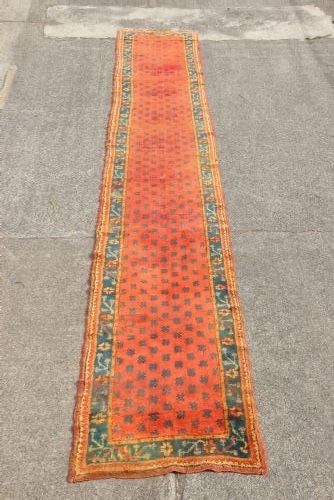
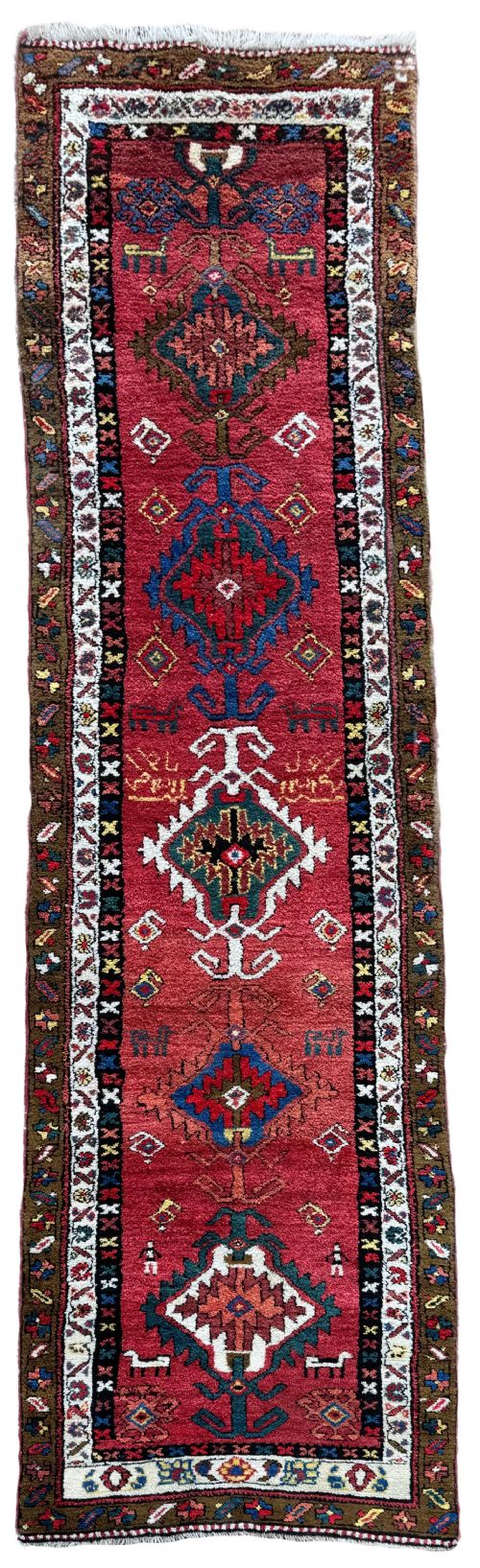
An antique long runner rug spans tight corridors and extended landings with narrow, rectangular formats designed for high foot traffic areas.
The pieces gathered here bridge nineteenth-century weaving traditions from Persian, Caucasian, Anatolian, and Kurdish homelands.
Makers shaped these textiles to suit domestic architecture, producing formats that stretch well past three metres in length.
How They Were Made
Weavers relied on hand-spun wool and sturdy cotton foundations to withstand decades of heavy domestic use.
Dyers drew from natural sources to saturate the heavy wool pile in deep indigo, madder red, and olive green tones.
Listings span periods from the mid-nineteenth century through the 1960s, featuring wool, cotton, and hand-spun materials.
What Varies in Quality
The integrity of the foundation foundation determines how straight a long runner lies along the floorboards over time.
The tightness of the knotting and the complexity of the geometric or floral lattices separate regional village work from simpler utility pieces.
The Antique Long Runner Rug Glossary
- Kelleh
- A format descriptor indicating a rug that is longer than a standard scatter rug but broader than a gallery runner.
- Gul
- An octagonal or medallion motif repeated across Turkmen and tribal pile weavings.
- Bidjar
- A Persian weaving centre known for exceptionally dense foundations and heavy wool construction.
- Shirvan
- A Caucasian regional attribution characterised by crisp geometric drawing and saturated palettes.
Antique Long Runner Rug: Frequently Asked Questions
Where should I place an antique long runner?
These narrow formats suit long hallways, grand staircases, and wide landing spaces where floorboards need protection and warmth.
They also bridge open-plan ground floors by directing foot traffic naturally between adjoining rooms.
How do I clean an old wool runner?
Gentle, regular suction without a rotating brush roll keeps surface grit from settling into the hand-spun wool pile.
Professional textile conservators should handle deeper washes to protect the organic dyes and cotton foundations.
Are these runners durable for hallways?
Nomadic and village weavers constructed these pieces using dense wool and sturdy warps specifically to endure heavy daily transit.
With a quality underlay to prevent sliding, a nineteenth-century runner handles corridor traffic with ease.
How do I identify a Kurdish runner?
Kurdish pieces often display robust wool, saturated palettes, and idiosyncratic tribal motifs rooted in North West Persian traditions.
Their substantial weight and distinct geometric lattice designs set them apart from finer city carpets.