

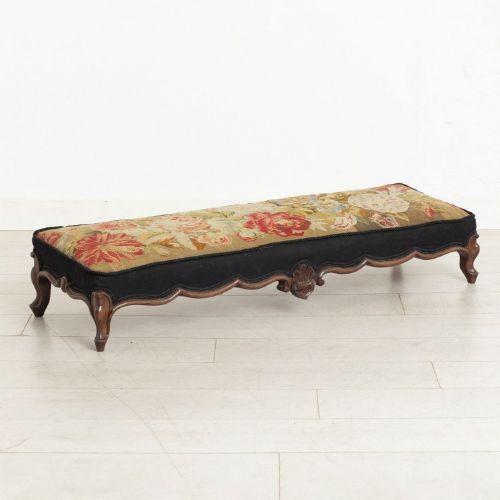


Antique Long Ottoman
An antique long ottoman provides extended seating or foot support, combining period timber framing with generous upholstered or cane surfaces.
Antique Long Ottoman
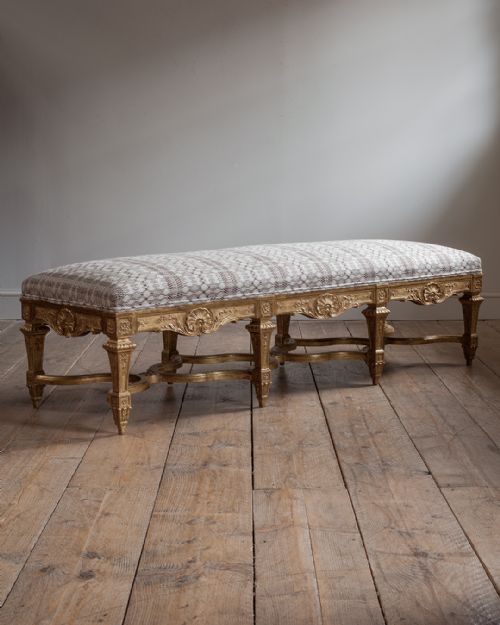
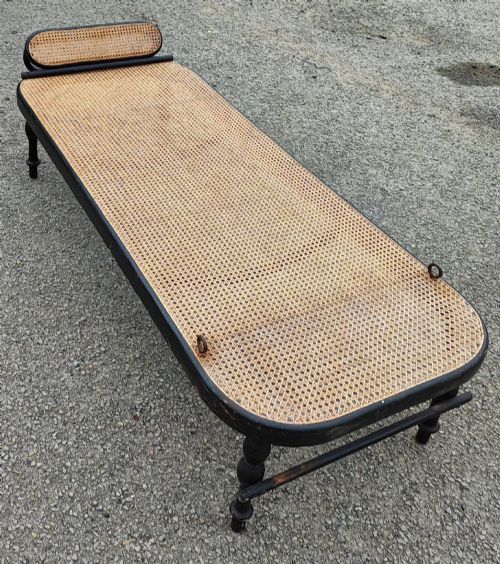
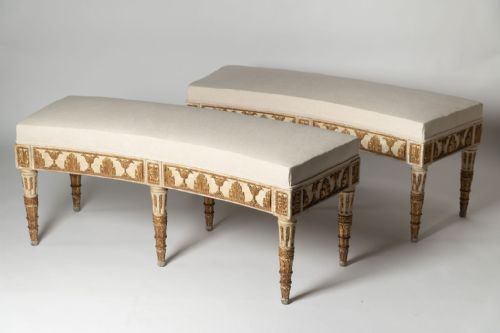
When you search for an antique long ottoman, you encounter an array of extended seating forms including long footstools, fender stools, window seats, and day beds. These pieces span the eighteenth, nineteenth, and early twentieth centuries, reflecting diverse aesthetic revivals such as Louis XIV, Gothic, and Queen Anne styles.
The materials utilised range from solid mahogany, walnut, oak, rosewood, and birch frames to upholstery in leather, linen, fabric, and kilim, occasionally complemented by brass studding or cane panels. Proportions vary from low hearth-side fender stools to substantial hall benches and French carved giltwood seating.
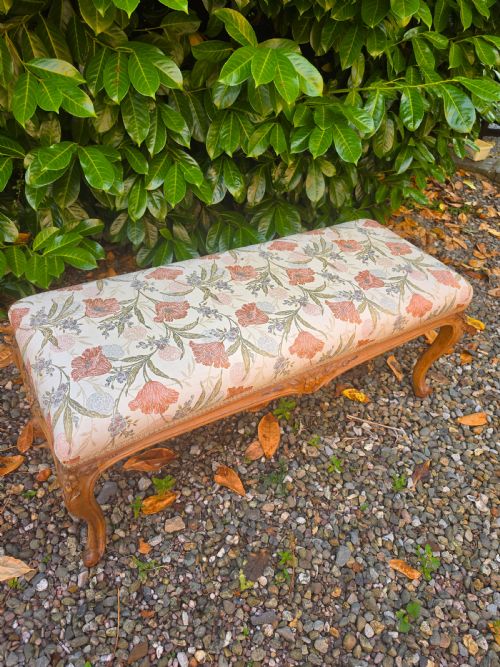
Origins stretch across English country houses, French workshops, and Italian centres, alongside occasional North African arms that share the Ottoman geographic nomenclature. The selection centres heavily on nineteenth-century Victorian walnut and mahogany examples supported on cabriole or fluted legs.
Materials and construction methods
Frames are constructed from hardwoods like mahogany, walnut, oak, and birch, shaped through hand carving, ebonising, or gilding. Joinery relies on traditional pegged or dowelled joints suited to bearing weight along an extended horizontal span.
Upholstery involves textiles such as leather, linen, fabric, and kilim stretched over webbing and stuffing, frequently secured with brass studs. Cane seating panels are woven tightly into wooden rebates to provide resilient support.
Several pieces require you to ponder whether an ottoman is a seat, a bed, or a very confident firearm.
Assessing quality in long stools
Quality reveals itself in the timber selection and the crispness of hand carving on the frame. Denser hardwoods and deep, defined mouldings distinguish finer workshop production from simpler utility pieces.
The integrity of the underlying joinery and the execution of the upholstery, whether buttoned leather, patterned kilim, or tightly stretched cane, indicate the standard of craftsmanship invested in the piece.
Morris and Co
The Antique Long Ottoman Glossary
- Cabriole leg
- A furniture leg that curves outward at the knee and tapers inward at the ankle, often terminating in a pad or claw foot. This form derives from classical motifs and appears frequently on eighteenth and nineteenth-century seating.
- Fender stool
- A low, long stool designed to sit directly in front of a fireplace fender. These pieces utilise restricted vertical proportions to fit hearth dimensions.
- Kilim
- A flat-woven carpet or rug material utilised as a durable upholstery textile. Its geometric patterns lend distinct textural variety to period wooden frames.
- Day bed
- An extended piece of furniture serving for both seating and reclining. Examples combine bench frames with upholstered day-long comfort.
- Caning
- A method of weaving peeled rattan cane strands into open geometric patterns for seat panels. It provides a lightweight yet strong surface.
Antique Long Ottoman: Frequently Asked Questions
How were long ottomans originally used?
These extended pieces served varied domestic functions, from resting feet beside the hearth as fender stools to providing seating in long hallways and beneath windows. Their elongated proportions accommodated multiple sitters or allowed full reclining when paired with day bed configurations.
In period interiors, they occupied spaces requiring functional furniture that maintained a formal aesthetic without blocking light from windows or obstructing traffic flow.
How do I care for antique leather upholstery?
Maintain antique leather by applying specialist conservation waxes sparingly to nourish the hide and prevent drying or cracking. Avoid placement near direct heat sources or strong sunlight, which accelerates fading and fibre breakdown.
Dust regularly with a soft, dry cloth to prevent abrasive particles from accumulating in the grain and seams of the leather.
Are cane panels difficult to maintain?
Cane panels require gentle cleaning with a damp cloth to remove dust from the woven interstices without saturating the natural fibres. Periodic light moisture helps prevent the rattan from becoming brittle in dry indoor environments.
Weight distribution matters greatly with historic cane; avoid kneeling directly on the woven surface to prevent snapping the strands.
What defines a Victorian fender stool?
Victorian fender stools are characterised by their exceptionally low profile and long, narrow rectangular proportions built to rest against hearth fenders. They typically feature solid walnut or mahogany frames raised on short cabriole or turned supports.
The upholstery often incorporates durable fabrics or needlework designed to withstand proximity to coal fires while offering comfort for warming feet.