
Antique Long Bench
An antique long bench brings substance to a hallway or dining space, offering generous timber seating shaped by decades of domestic use.
Antique Long Bench
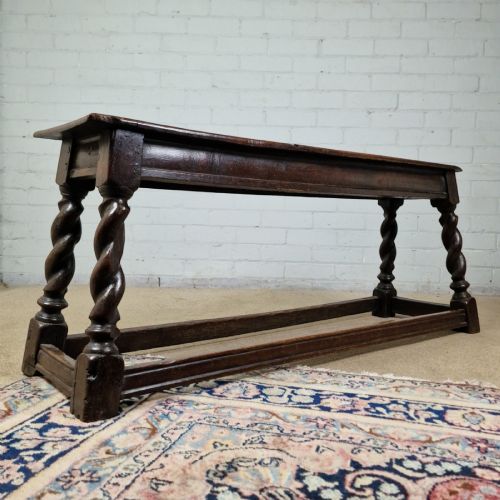
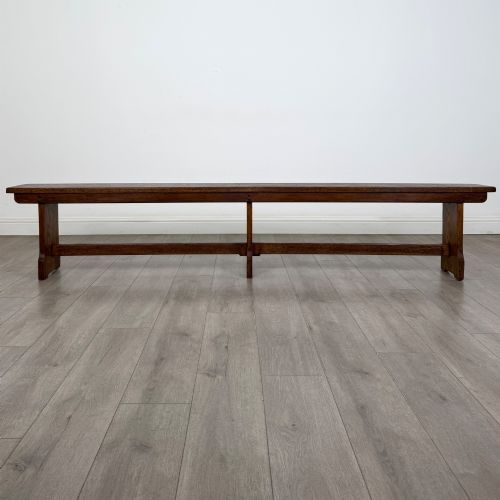
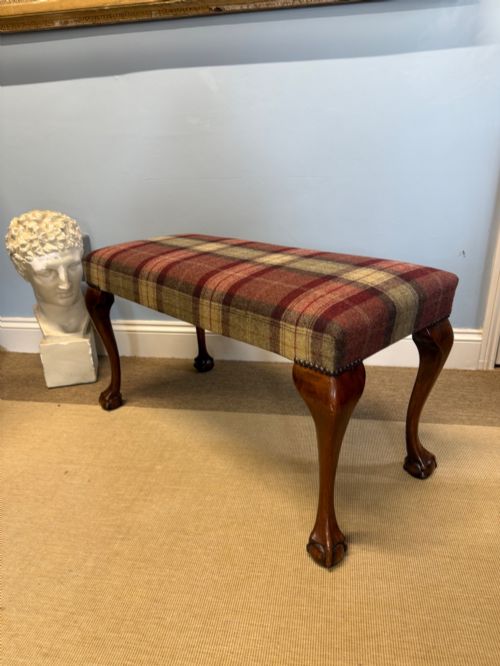
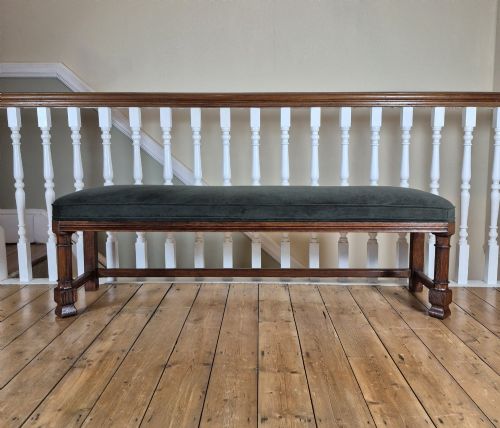
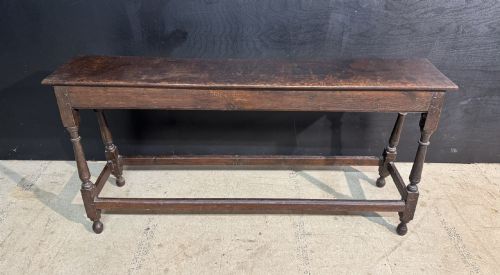
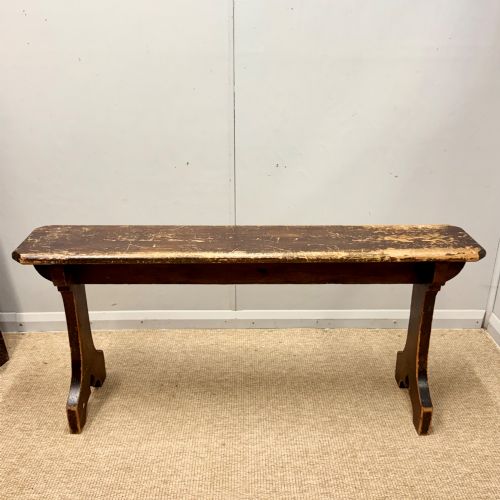
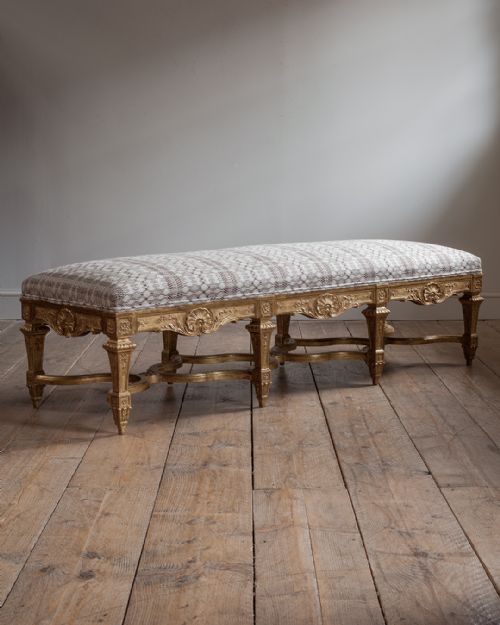
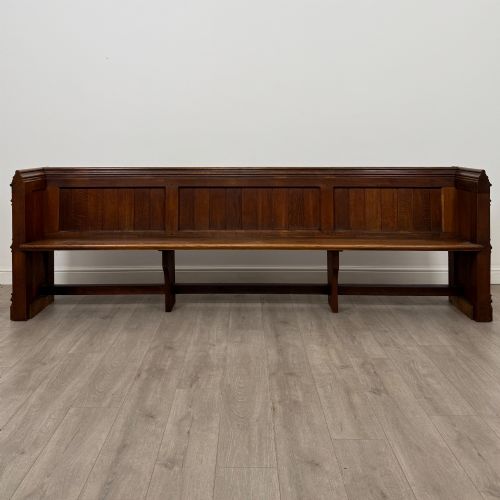
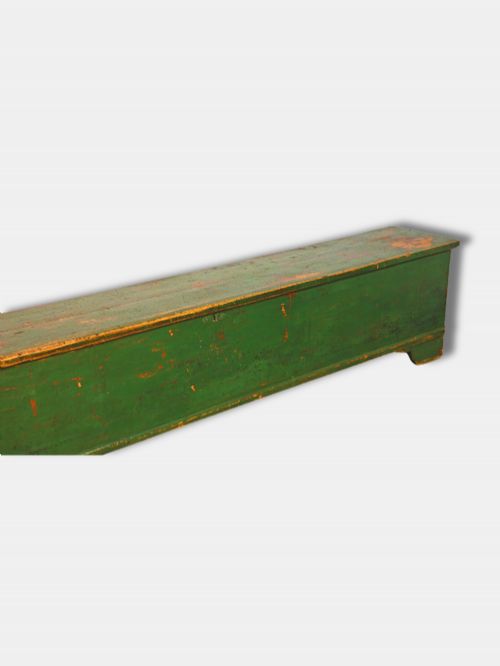
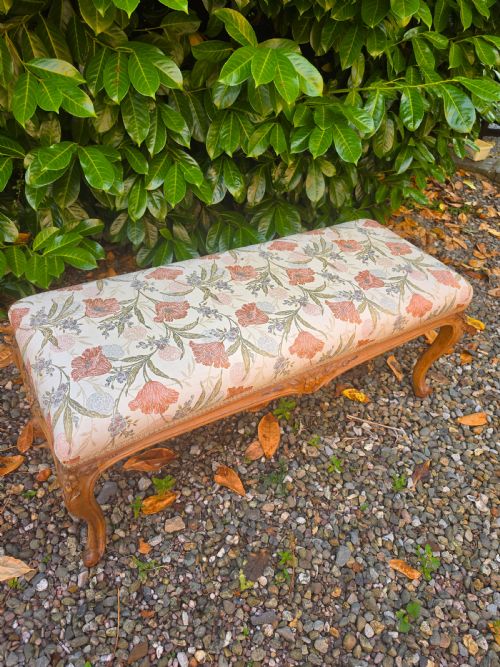
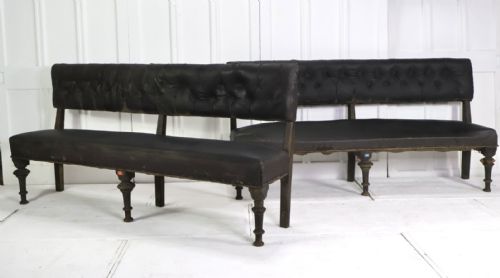
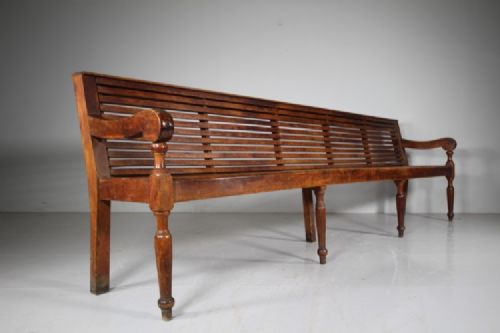
When searching for an antique long bench, buyers encounter a diverse selection of extended seating ranging from vernacular pine boards to formal mahogany window seats. The forms span robust church pews, rustic kitchen seating, and narrow hallway benches designed for utilitarian spaces.
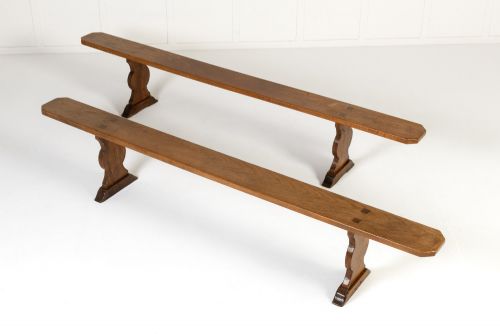
The most common examples on this page are nineteenth-century pine and oak pieces, often originating from country houses, chapels, or farmhouses where length was required for communal dining.
Proportions vary considerably, with certain examples stretching beyond eight feet to accommodate multiple sitters along a single span of aged timber.
Materials and Construction
Solid hardwoods such as oak, ash, and mahogany dominate the construction of formal examples, while practical country furniture relies heavily on pine and fruitwood planks. Joinery techniques typically involve pegged mortise and tenon joints designed to withstand heavy daily use.
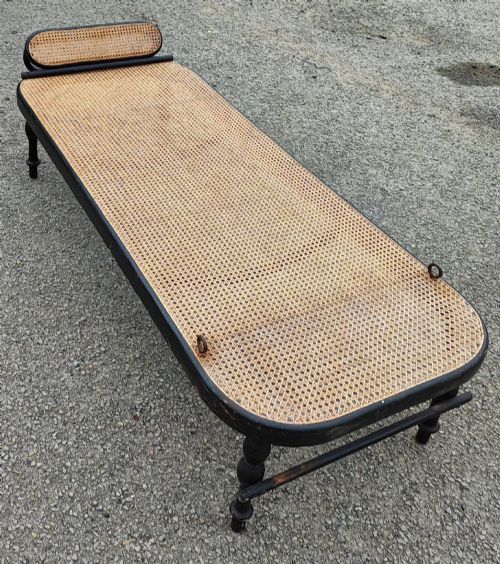
Secondary materials like cane, leather, and woven fabric appear on upholstered variants, while brass fixings and turned legs provide decorative accents on Victorian and Regency formats.
Listings feature structural timbers including oak, mahogany, pine, walnut, and cherry across the nineteenth and twentieth centuries.
Assessing Quality and Character
Quality in these pieces is dictated by the integrity of the timber and the depth of the patination accumulated across generations of use. Unaltered surfaces displaying original scrubbed finishes or deep wax polish distinguish superior examples from heavily restored substitutes.
Structural proportion and the crispness of turned supports or carved details further separate standard utility seating from finer country house and regional workshop productions.
The Antique Long Bench Glossary
- Pew
- A long wooden bench with a high back or simple form, traditionally used in churches and chapels. These pieces often feature substantial lengths of pitch pine or oak.
- Joint Stool
- An early form of wooden stool constructed with mortise and tenon joints, serving as a precursor to longer bench seating. They are held together by pegged framing rather than glue.
- Settle
- A wooden bench with high backs and arms, designed to block draughts in domestic interiors. Many incorporate integrated storage beneath the seat.
- Patination
- The natural sheen and surface alteration developed on timber over centuries of handling and exposure to light. This attribute indicates genuine age and continuous use.
- Form
- A traditional term for a long wooden bench without a backrest, commonly used in kitchens and schoolrooms. They slide easily beneath dining tables when not in use.
Antique Long Bench: Frequently Asked Questions
Where should I place a long bench?
These pieces fit naturally along a hallway wall, behind a large dining table, or beneath a low window as an alternative to standard chairs. Their narrow depth allows them to sit comfortably in restricted spaces without obstructing walkways.
Ensure you measure both the length of the wall and the height of your table before selecting a piece to guarantee appropriate clearance for sitters.
How do I care for antique timber benches?
Maintain the wood by applying a traditional beeswax polish occasionally, avoiding silicone sprays that damage historic surfaces. Keep them away from direct heat sources and strong sunlight to prevent the timber from splitting.
Regular dusting with a soft, dry cloth is sufficient for daily maintenance of both polished hardwoods and scrubbed pine.
Were these benches used outdoors?
Most surviving examples were constructed for interior use within domestic, ecclesiastical, or institutional settings. Exposing historic pine and oak to damp garden environments will degrade the timber and original joinery.
If utilised in a porch or boot room, ensure the floor remains dry and well-ventilated to protect the base of the legs.
How can I tell the period of a bench?
Dating relies on examining tool marks, timber species, and construction methods such as hand-cut pegs versus modern screws. Georgian and Victorian examples display distinct proportions and turning styles characteristic of their era of manufacture.
Compare the wear patterns around the footrests and seat edges to verify the consistency of the age across the entire piece.