

Antique London Engraving
An antique london engraving captures the architecture, river views and social scenes of the capital through centuries of printed plates.
Antique London Engraving
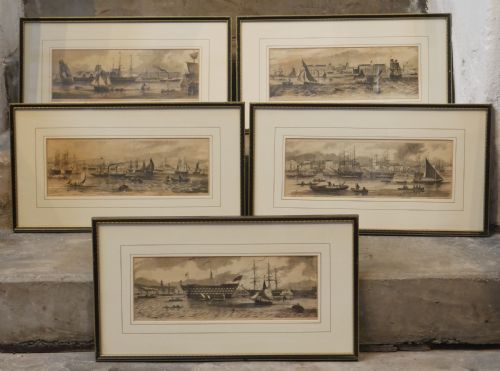
When you search for an antique london engraving, you encounter printed plates, framed prints and illustrated portfolios documenting the capital through historical views and social satires. These works record the changing streetscapes, docks and river scenes of the city across multiple eras.
The pieces on this page span from Georgian copperplate engravings to Victorian hand-coloured etchings and later published series. Subjects range from architectural plans and topographical prospects to character studies such as the Cries of London sets.
Buyers select these items to anchor a room with a genuine historical record or to collect specific periods of printmaking. The selection on this page demonstrates how publishers and artists preserved the visual identity of the city over hundreds of years.
Materials and Technique
The works recorded here rely primarily on paper sheets marked through intaglio printmaking methods such as copperplate engraving and etching. Artisans carved lines directly into metal plates before applying ink and transferring the image under pressure.
Many examples incorporate hand-applied watercolour washes over the printed black lines to enhance topographical details and costume elements. The surviving sheets utilise laid or wove paper stocks common to the eighteenth and nineteenth centuries.
Several prints record historical street vendors shouting their wares across the foggy cobblestones of old London.
Factors That Distinguish Quality
Quality rests upon the crispness of the plate impression and the strength of the lines remaining visible across the paper. Early impressions taken before the metal plate wore down show sharper architectural details and finer lettering than later strikes.
The presence and precision of contemporary hand-colouring alter the visual impact of a plate. Clean margins, stable paper condition and clear publisher imprints distinguish superior examples from heavily trimmed or faded sheets.
Richard Purcell·Thomas G Appleton·David Cox the elder·S and J Fuller·Landeker and Brown
The Antique London Engraving Glossary
- Engraving
- A print produced from a metal plate into which the design has been cut with a burin. This technique allows for precise lines and fine tonal gradations.
- Etching
- A print created by using acid to bite the design lines into a metal plate covered with a protective ground. It offers a freer, more fluid line than direct engraving.
- Mezzotint
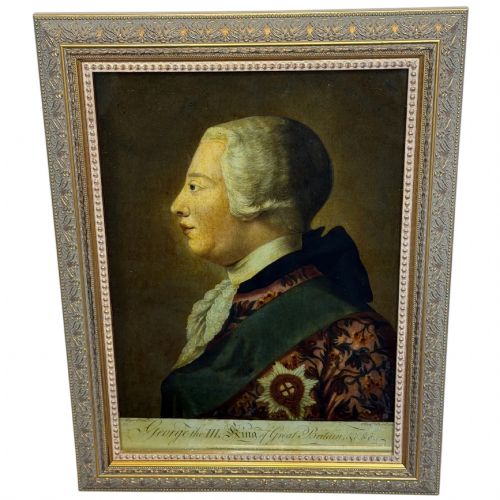
- A tonal printmaking method where the entire metal plate is roughened to produce a dark background, then scraped and burnished to create lighter areas. Publishers utilised this process for rich, velvety reproductions of paintings.
- Plate mark
- The indentation left on the paper by the edges of the printing plate under pressure. Its presence confirms an authentic impression from a traditional intaglio press.
Antique London Engraving: Frequently Asked Questions
What subjects do these engravings show?
The subjects focus on topographical views of the Thames, architectural rebuilding plans, and social scenes like street vendors.
These plates provide a direct visual record of how the capital appeared to residents and visitors in past centuries.
How do I display these prints safely?
Framing these works behind conservation-grade glass protects the paper from ultraviolet light and atmospheric moisture.
Keeping them away from direct sunlight preserves the paper fibres and any hand-applied watercolour tints.
How can I tell an original from a reproduction?
Original impressions exhibit a distinct plate mark pressed into the paper surrounding the image area. Examining the surface under magnification reveals the characteristic ink deposition of intaglio printing rather than modern dot patterns.
Are these prints usually coloured by hand?
Many published views and street series were issued in both plain black-and-white and hand-coloured formats.
Colourists applied washes by hand using watercolours, which accounts for slight variations in tone between different copies of the same plate.