


Antique London Art
These pieces of antique london art capture the capital through centuries of fine painting, silver, and cabinetmaking.
Antique London Art
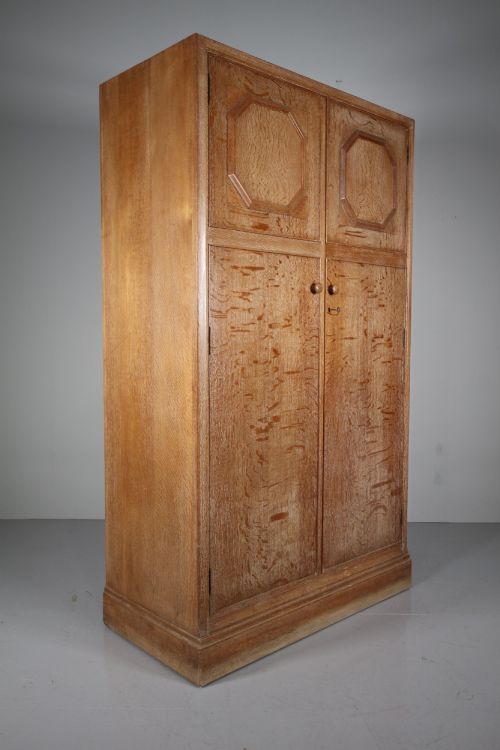
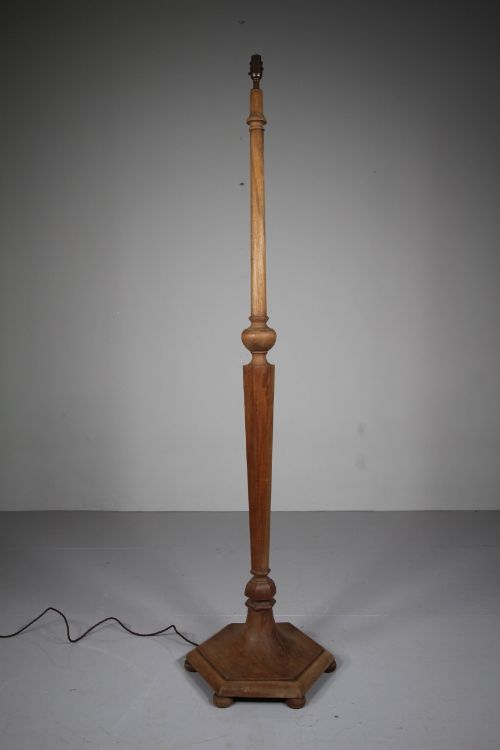
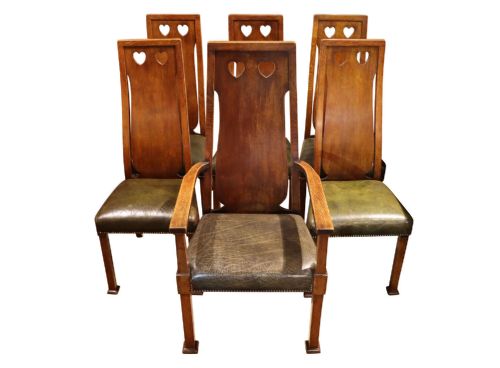
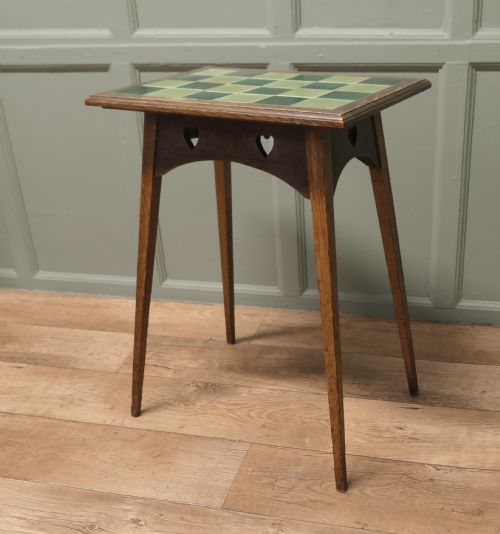
The selections span multiple eras, with strong representations from the Victorian, Edwardian, and Art Deco periods, alongside earlier 18th-century works. Buyers will regularly find framed prints, oil paintings, watercolours, and bespoke furniture bearing connections to prominent establishments like Liberty of London and Heal's.
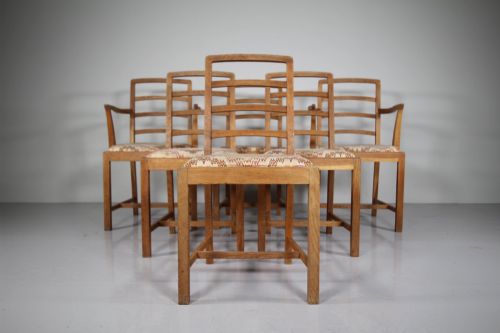
Domestic and decorative objects also feature prominently in this category, including sterling silver tableware, clocks, vanity cases, and specialised seating. These items reflect the craftsmanship and commercial life of the city across distinct historical periods.
Materials and Construction
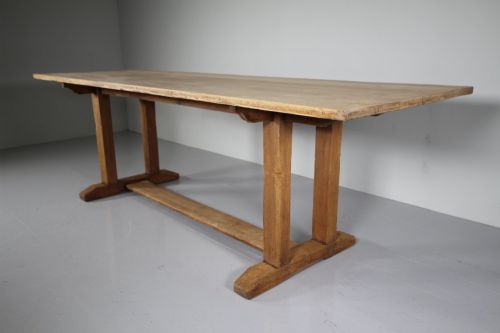
The physical record shows a reliance on traditional media such as oil on canvas, watercolour on paper, and hand-cut silhouettes. Silversmiths utilised sterling silver and enamel, while cabinetmakers constructed furniture from solid oak, walnut, ash, and mahogany.
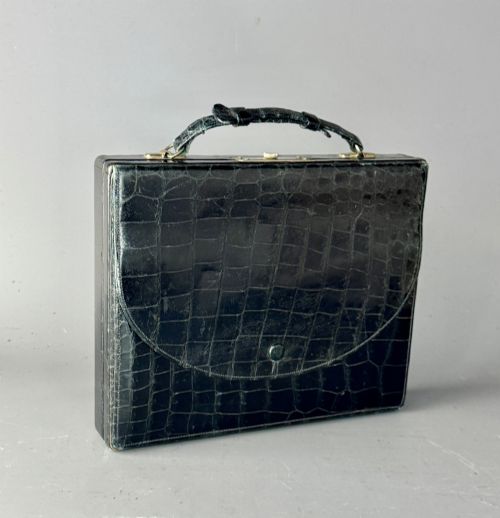
Construction techniques combine traditional hand-carving and joinery with specialised metalworking methods such as hand-hammering. Silver items often display crisp hallmarks, and leather goods incorporate exotic materials like crocodile skin alongside precious metals.
Listings feature works from the 17th century through the Art Deco era, encompassing oil paintings, silver, and oak furniture.
Evaluating Quality
The highest-tier objects demonstrate clear provenance, such as original maker labels, stamps, or direct documentation linking them to renowned retailers and silversmiths. Superior execution in fine art and decorative metalwork distinguishes exceptional examples from standard production pieces.
Condition and originality dictate the standing of individual items within this category. Retaining original finishes, uncompromised structural integrity, and distinct artistic attribution elevate the desirability of both furniture and works on paper.
Heal and Sons·Liberty and Company·Goldsmiths and Silversmiths Company·Charles Edwards·John Collard Vickery
The Antique London Art Glossary
- Hallmark
- Official stamps applied by an assay office, indicating the purity of precious metals, the maker, and the year of testing. These markings are essential for dating British silver.
- Etching
- A printmaking process where lines are incised into a metal plate with acid before ink is applied and transferred to paper. Signed etchings by period artists command particular attention.
- Mezzotint
- A printmaking method in the intaglio family, allowing for smooth gradations of tone and rich dark areas. This technique was widely utilised for portraiture and historical prints.
- Tazza
- A small, decorative pedestal cup or shallow bowl raised on a foot, often created in silver for display or presentation. These vessels frequently feature hammered surfaces in Arts and Crafts designs.
- Fusee
- A conical pulley used in clockmaking to maintain even tension on the gear train as the mainspring unwinds. This mechanism ensures accurate timekeeping in antique bracket clocks.
Antique London Art: Frequently Asked Questions
What defines antique london art?
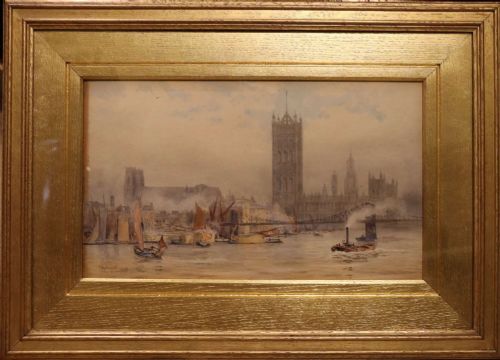
Antique london art encompasses paintings, prints, silver, and furnishings created, retailed, or themed around the capital city across past centuries. The category bridges fine artistic depictions of the Thames with domestic objects produced by London workshops.
These pieces reflect the stylistic shifts from Georgian classicism through Arts and Crafts reform to Art Deco modernity. Each item carries a tangible connection to the city's commercial and cultural history.
How do I identify a Liberty piece?
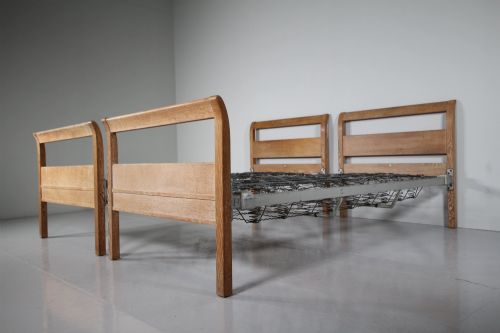
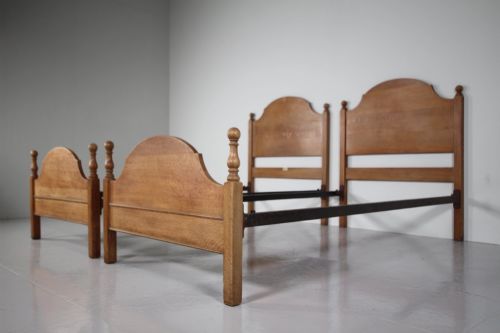
Liberty items frequently bear stamps, paper labels, or distinct retailer marks confirming their origin. Their designs often align with the Arts and Crafts or Art Nouveau movements, utilising solid oak, walnut, or hammered metals.
Cabinetry and small furnishings from this retailer typically display honest construction methods and thoughtful artistic collaboration with designers like Leonard Wyburd. Checking for authentic stamps or labels remains the primary method of confirmation.
What periods are most common?
The selection is heavily weighted toward the Victorian, Edwardian, and early twentieth-century eras, particularly the decades surrounding 1900 and 1920. Works from the Georgian and eighteenth centuries also appear with regularity.
Stylistic markers help determine the era, ranging from heavy oak Arts and Crafts sideboards to streamlined Art Deco vanity cases and silver scent bottles.
How were marine paintings used?
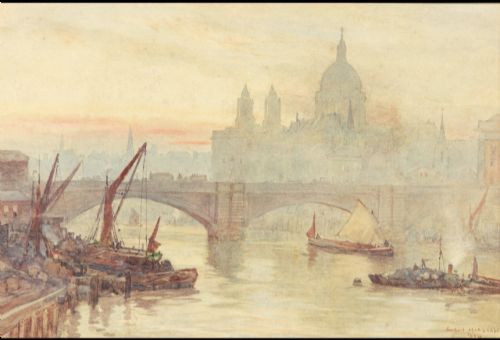
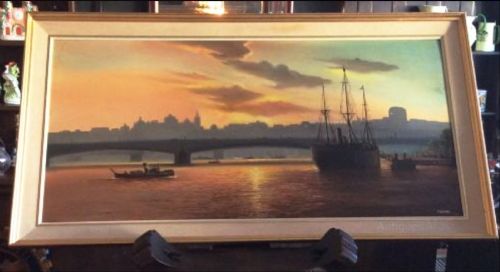
Marine paintings and watercolours documenting the Thames, bridges, and docks served as both decorative household art and historical records of a bustling port. Artists captured the changing commercial activity and architecture along the riverbanks.
These works hung in domestic interiors to display an appreciation for the capital's maritime identity and industrial growth during the nineteenth and early twentieth centuries.